3D printing has moved beyond being a laboratory curiosity and has become a tool transforming traditional manufacturing sectors. In Europe, several projects are underway to integrate additive manufacturing into workshops and factories that have previously relied on conventional methods. The goal is to modernize production , reduce environmental impact, and train professionals in these rapidly gaining ground.
From glove manufacturing to rural crafts and footwear, 3D printing is emerging as a way to personalize products, reduce waste, and bring production closer to local markets. In Spain and other European countries, various initiatives are focusing on practical training and the development of more sustainable materials. Below, we review some of the most prominent examples.

3D printed natural rubber gloves
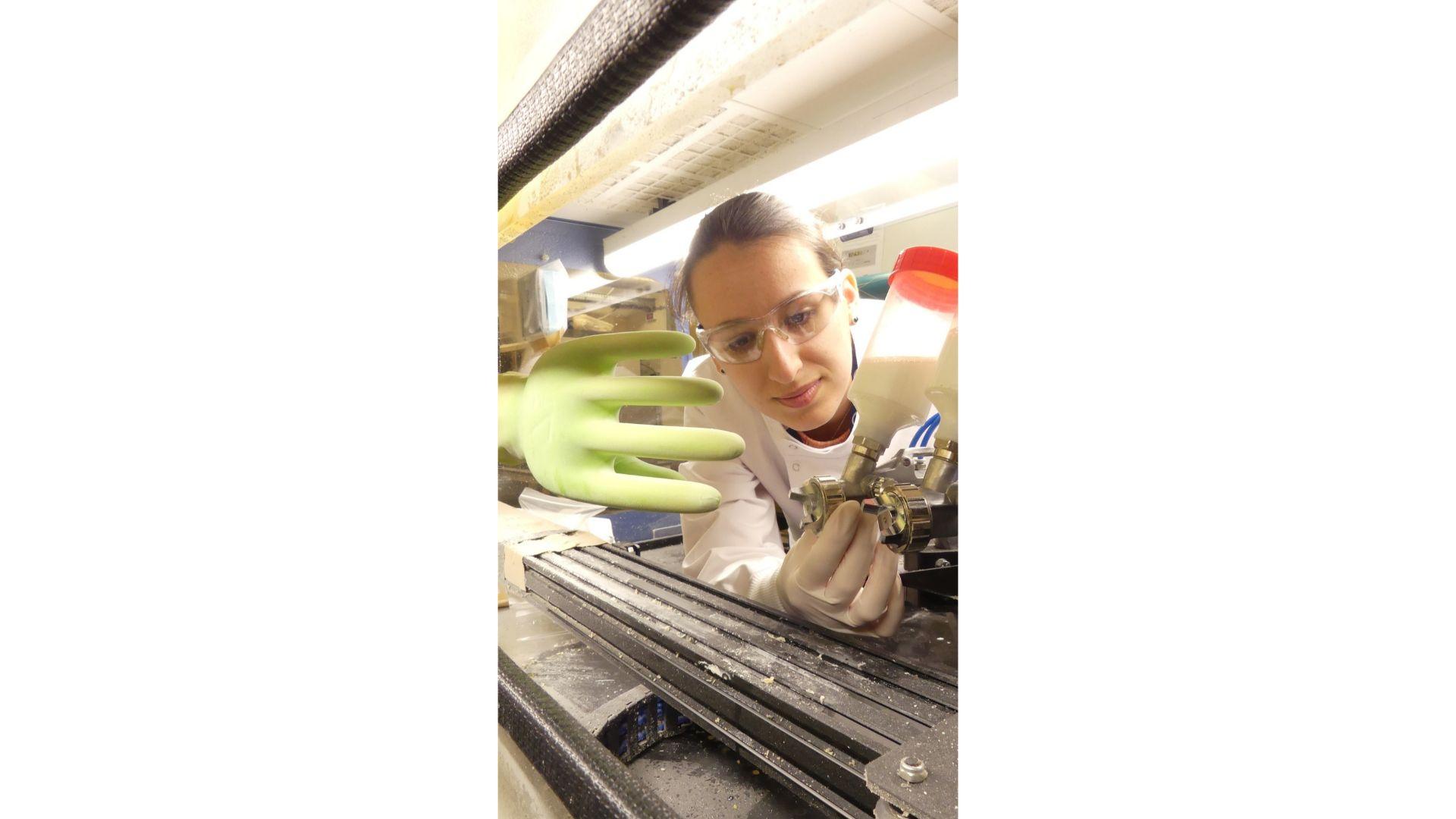
Cranfield University in the UK has been working for some time on an additive manufacturing method to produce sustainable gloves from natural rubber . The system, called 3D-PEP, sprays latex onto a mold while heating the glove inside and out to vulcanize it. Unlike traditional dipping, which requires large production lines and thousands of molds, this technique is better suited to small batches and allows for on-the-fly modifications to specifications.
According to Eva Peláez-Álvarez, an advanced materials researcher at Cranfield, this approach facilitates personalization , and hands can even be scanned to create custom-made gloves. Furthermore, the use of natural rubber has environmental advantages: the trees from which it is extracted absorb CO2, and the material biodegrades in approximately one year, compared to the more than one hundred years that synthetics can take. Although natural latex can cause allergies, current technology allows the responsible protein to be isolated and deactivated .
Another advantage is the resilience of the supply chain . Global glove production is concentrated in Southeast Asia, a fact that became evident during the pandemic. With 3D printers, which are more compact than a traditional production line, manufacturing could take place in European cities with limited space. However, the main raw material still comes from Asia, so alternatives such as Russian dandelion or guayule are being explored to produce rubber in Europe.
Training in additive manufacturing for footwear
The 3aDitional+ project, funded by the Erasmus+ program, aims to bring additive manufacturing to traditional manufacturing sectors. Following a transnational meeting in Athens, the partners have been preparing the training materials that will be tested in pilot sessions. One of these will be held in person at NOVEX 's facilities and will focus on the application of 3D printing to the footwear sector.
The training covers everything from the basics of additive manufacturing to specific techniques such as tank photopolymerization , material extrusion, powder bed fusion, material spraying, and binder injection. It also includes design for additive manufacturing and the use of tools like Tinkercad. The project is not limited to footwear; it also develops content for the toy and jewelry sectors.
The initiative aims to help professionals and interested individuals understand, in a practical way, how these technologies can be integrated into industries that have traditionally used other systems. Simultaneously, 3aDitional+ maintains an International Observatory to share knowledge and best practices among companies, educational institutions, and government agencies. Those interested in the pilot session can contact NOVEX to register.
Rural crafts and digitization against depopulation
The second international meeting of the DigiCraft Plus project, a European initiative that aims to modernize artisan workshops in rural areas, was held in Logroño . Funded by the European Union with €60.000 through Erasmus+, the program is coordinated in La Rioja by ADESOS Rioja and has the collaboration of CEDA (Slovakia) and EDINET (Cyprus).
The project offers a 100-hour hybrid training program focused on digital manufacturing tools : 3D printing, laser cutting, digital modeling, online marketing, and e-commerce. The program targets unemployed individuals, women, and young people facing the digital divide or geographical barriers, with the aim of creating jobs and encouraging people to remain in the region.
During the meeting, the representatives reviewed the students' progress and coordinated a pilot phase to transfer digitized traditional Cypriot crafts in STL files and physically manufacture them in Spain. They also planned physical exhibition spaces and virtual galleries to promote the products. The final meeting is scheduled for November in Nicosia, Cyprus.
These three initiatives reveal a common trend: 3D printing is no longer exclusive to large industries but is becoming an ally of traditional sectors. The combination of training, sustainable materials, and local production paints a picture in which additive manufacturing can help revitalize local economies, reduce waste, and address supply chain disruptions. The path is not without challenges, such as dependence on raw materials and the need to adapt processes, but the projects underway indicate that the technology will continue to gain traction in the European production landscape.

Table of Contents