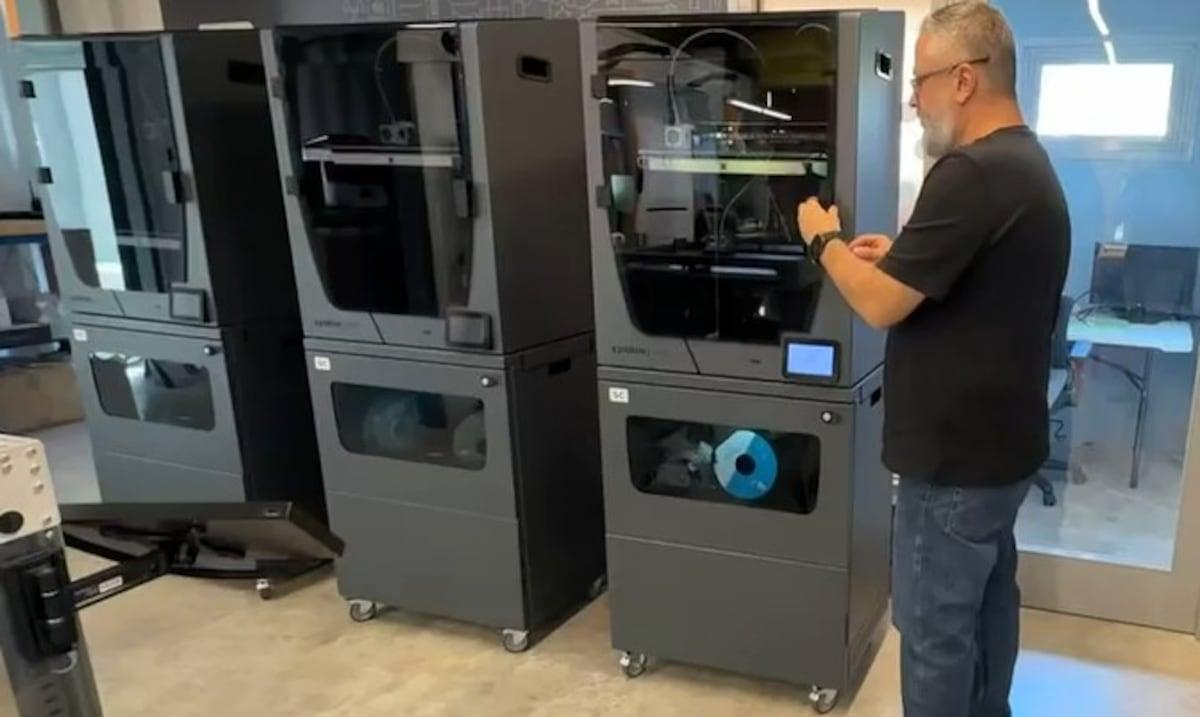
Technology often advances by leaps and bounds, but we rarely see it so directly applied to resolving emergency situations in real time. In recent weeks, an international collaborative network has been established using additive manufacturing to alleviate the shortage of medical supplies in critical areas. What began as a local innovation project has become a true lifeline for hundreds of people who have recently suffered physical injuries.
This deployment of technical resources has the primary objective of creating orthopedic materials to treat fractures and various injuries. Thanks to the willingness of several design groups and innovation centers, they are managing to send materials that are in short supply in Venezuelan hospitals following the earthquakes. The key to this entire operation is not only the intention, but also the ability to manufacture customized medical solutions at a very low cost and with surprisingly efficient logistics.
The versatility of PLA filament in emergency medicine
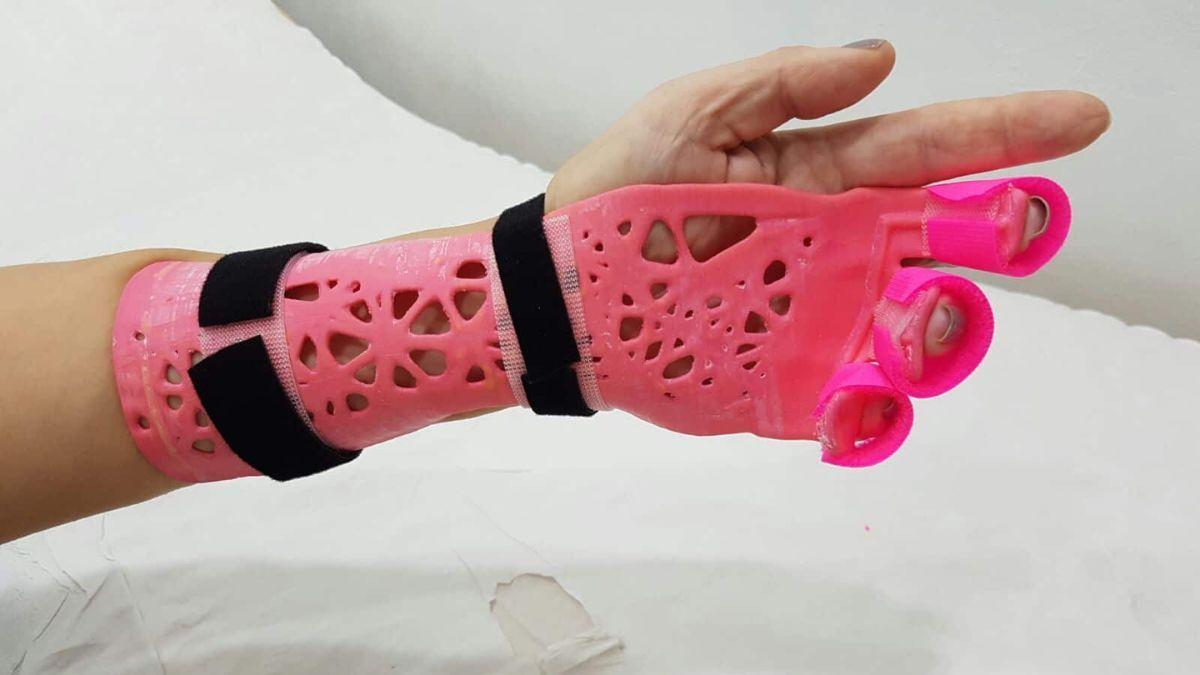
One of the most interesting aspects of this initiative is the material used. It's PLA filament, a plant-based plastic that's one of the most common materials for 3D printing , but it has the significant advantage of being completely hypoallergenic when in contact with the skin . This is crucial when dealing with patients who have to wear these devices for weeks, thus avoiding the typical irritations or dermatitis that traditional plaster casts sometimes cause.
Furthermore, these splints feature a micro-perforated design that allows the wound or skin to breathe constantly. Unlike traditional plaster casts, which develop an unpleasant odor and weigh a ton, these 3D-printed pieces are lightweight and much easier to clean. Production time is quite reasonable: while a piece for a finger or wrist can be ready in just a couple of hours , more complex cervical collars require about seven hours of continuous machine operation.

Thermoflexible adaptation and international logistics
The application system in healthcare centers is almost like something out of a science fiction movie. The parts are printed flat or in a standard shape, and once they reach the healthcare workers, they are submerged in boiling water or heated with a heat gun. At that moment, the plastic becomes malleable and can be fitted directly onto the patient's limb , cooling in a few seconds to regain its rigidity and adapting like a glove to each person's anatomy.
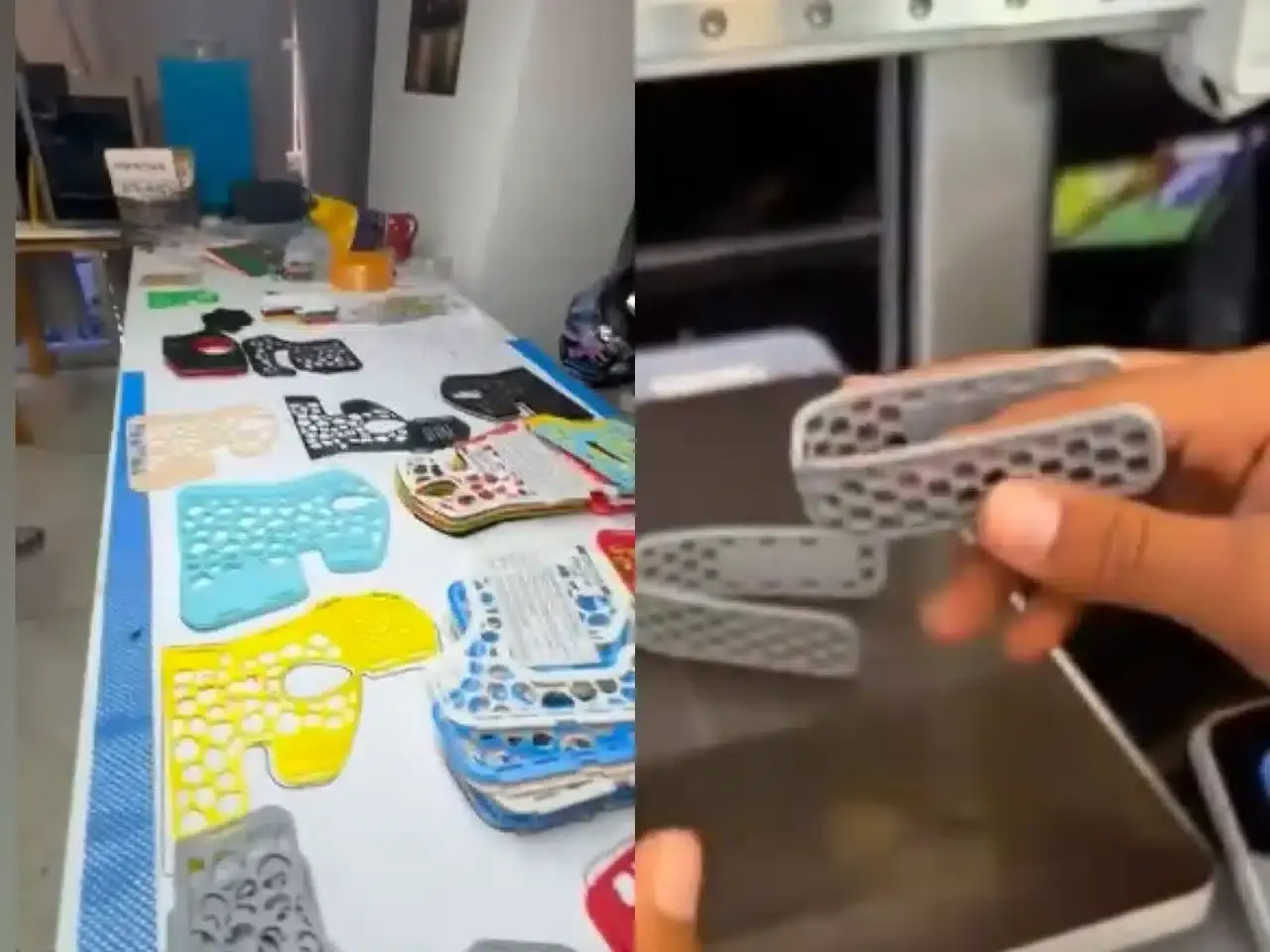
To ensure the success of this project, a meticulously planned logistics chain has been established. Various collection points gather the parts manufactured by volunteers and students, which are then centralized for a single bulk shipment by air. Having digital files shared by doctors and engineers allows anyone with a printer at home to contribute to the cause from anywhere in the world.
Overcoming barriers to help victims
Interestingly, the final push to send this material abroad stemmed from an administrative hurdle. In some places, bureaucracy requires pharmaceutical laboratory licenses for these parts, despite them being for external use. Faced with this situation, the leaders of these maker groups decided their work wasn't going to sit gathering dust on a shelf and focused their efforts on helping where regulations are less stringent, given the urgency of a natural disaster.
This collective effort isn't just focused on adults; specific devices are also being manufactured for injured children and animals, similar to how 3D-printed splints have been designed to treat clubfoot . The maker community has demonstrated that, when economic benefits are set aside and technical knowledge is shared, 3D printing becomes a first-rate humanitarian tool capable of crossing borders. Ultimately, what matters is that the technology many use to print figurines is now helping someone regain the use of an arm after a disaster.
The deployment of this solidarity network underscores the importance of decentralized manufacturing, where the collaboration of small local producers solves supply problems in conflict zones or disaster areas. By using safe materials and simple adaptation processes like thermoforming, aid is effectively reaching those who need it most, demonstrating that innovation has real value when applied with empathy and international coordination.

Table of Contents