In the Spanish education sector, 3D printing is becoming a key tool, with initiatives ranging from adapting toys for children with special needs to technology camps for young people. Two recent projects, one at the University of Granada and the other in the Asturian municipality of Siero, demonstrate how this technology is being integrated into education and social inclusion.
Both initiatives are publicly funded and aim to promote STEAM (Science, Technology, Engineering, Arts, and Mathematics) skills among young people. While the Granada workshop focuses on accessibility, the Siero camp offers an intensive week-long experience developing prototypes from scratch.
Workshop in Granada: adapting toys with 3D printing
The Higher Technical School of Computer and Telecommunications Engineering (ETSIIT) at the University of Granada organized a workshop to adapt electronic toys using 3D printing . The activity, part of the TAMAI Teaching Innovation Project, funded by the University of Granada's own funding plan, was held in collaboration with the Purísima Concepción Foundation of Granada. Participants learned to design and manufacture custom pushbuttons and modify internal circuits, thus addressing the difficulties some children with Special Educational Needs (SEN) have in using conventional toys.
Technology camp in Siero: a week of creation
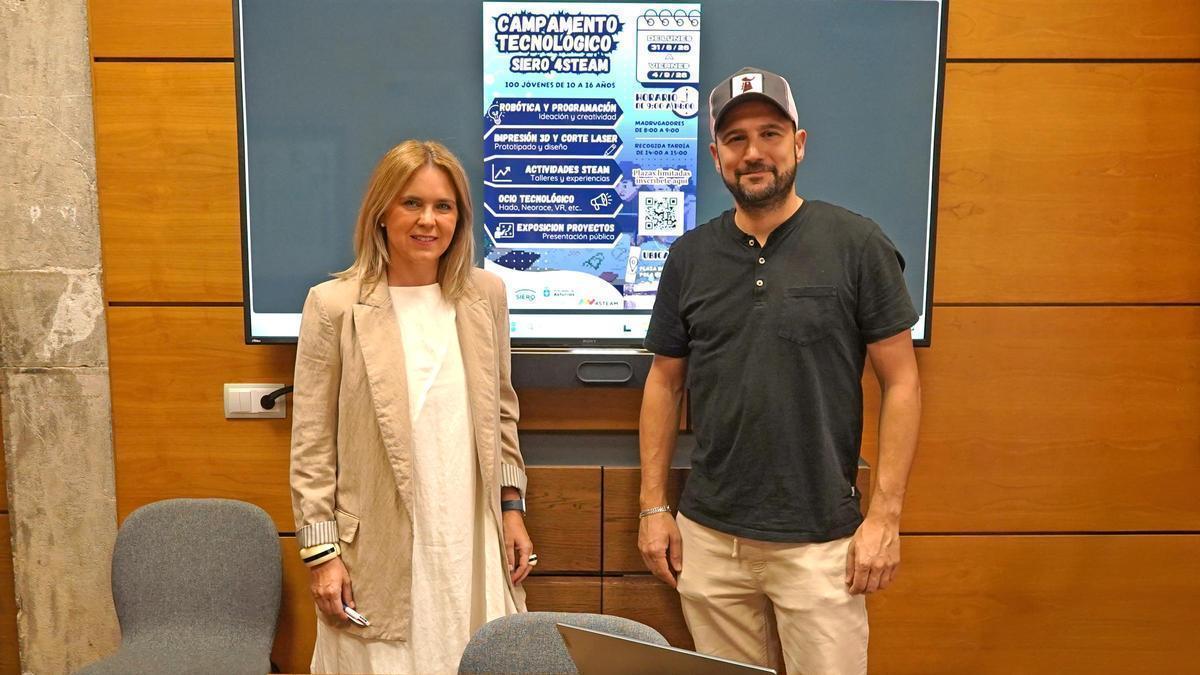
In the Asturian municipality of Siero, the Siero 4STEAM Technology Camp will offer 100 free places for young people aged 10 to 16 , from August 31 to September 4. The initiative, subsidized by the Ministry of Science and Innovation of the Principality of Asturias through the "Asturias for STEAM" program, includes workshops in robotics, programming, 3D printing, laser cutting, and prototyping. Participants, organized into ten teams, will have to develop a complete project from scratch and present it to the public on the last day. The Councilor for Education, Youth, and Equality, Eva Iglesias, emphasized that the camp is free thanks to the regional government grant.
Both experiences reflect the growing interest in integrating additive manufacturing into education . While the Granada workshop addresses the inclusion of children with special educational needs, the Siero camp focuses on developing technical and creative skills. In both cases, 3D printing is used as a means to solve real-world problems and foster teamwork.
The combination of technical training and social commitment positions these initiatives as examples of how 3D printing can transform education in Spain. With the support of public funds and the collaboration of local entities, both the University of Granada and the Siero City Council demonstrate that technology is not only useful for manufacturing objects, but also for building a more inclusive society, better prepared for the future.
Table of Contents