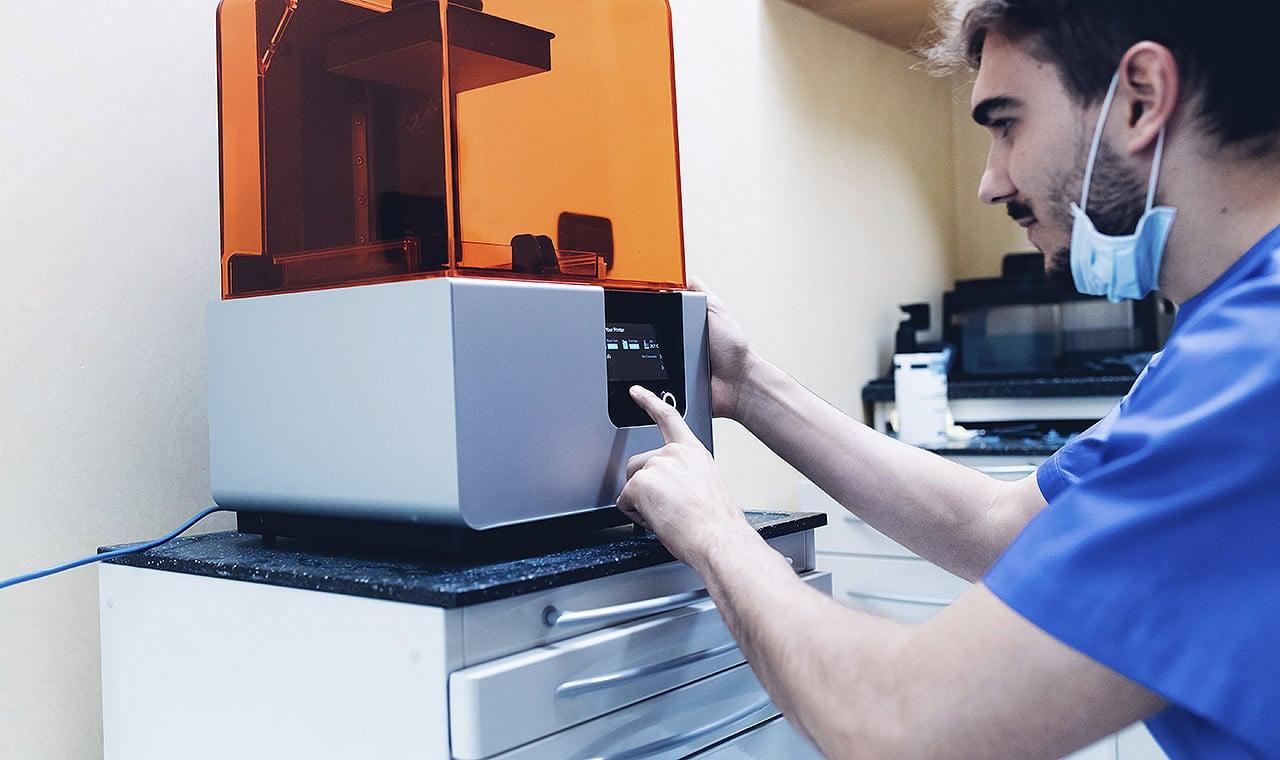
The common denominator of these projects is the use of real medical images—such as CT scans or MRIs—to create exact anatomical replicas that allow surgeons to rehearse operations, residents to train safely, and patients to better understand their own condition. The combination of biomedical engineering and clinical practice is resulting in models that are already being used at the bedside or in outpatient clinics, with improvements in both patient safety and experience.
3D Printing Unit at Getafe Hospital
The University Hospital of Getafe, part of the Madrid public healthcare network, has launched a specialized unit that integrates physicians from various departments with biomedical engineers. The team uses data from diagnostic scans to create three-dimensional models that are used both in preparing for complex surgeries and in providing visual explanations to patients. For example, the General Surgery Department has developed a colon model that allows them to demonstrate, step by step, how intestinal reconstruction will be performed, something that, according to the doctors, substantially improves patient understanding.
In the Neonatal Unit, pediatricians use a 3D-printed model to explain germinal matrix hemorrhage to the parents of premature babies. Germinal uterine hemorrhage is a common condition in very low birth weight infants. The physical representation of the injury facilitates communication between the healthcare team and the family, reducing anxiety and helping them make informed decisions. In addition, the Intensive Care Unit has created an airway model for the training of resident physicians, allowing them to practice emergency techniques in a controlled environment without risk to patients.
Collaboration in Barcelona: hospitals and the Free Trade Zone Consortium
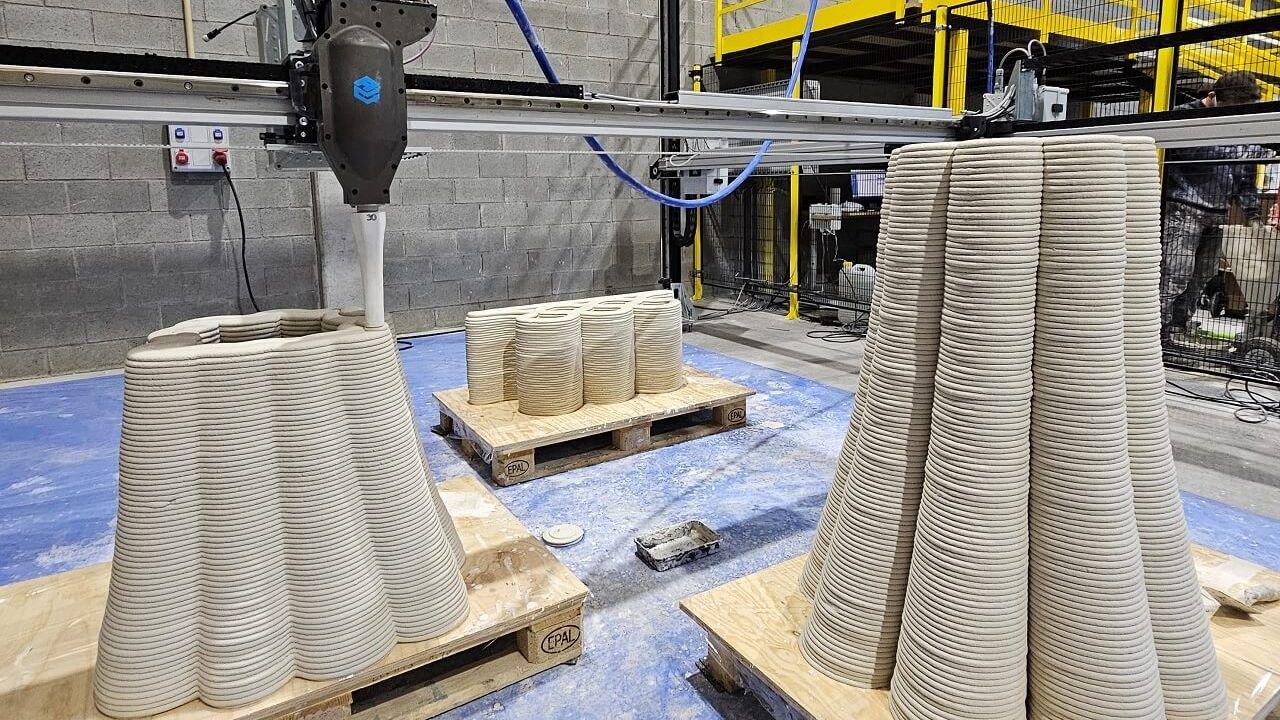
Meanwhile, two major healthcare centers in Barcelona—Hospital del Mar and Hospital Clínic—have signed an agreement with the Barcelona Free Trade Zone Consortium (CZFB) to jointly operate a 3D printing incubator. The agreement, published in the Official State Gazette (BOE), establishes a framework for collaboration to develop innovation projects that leverage the capabilities of the printers available at the incubator. Each hospital will appoint a technical and commercial team to manage both internal operations and relationships with third parties, including partnerships with other healthcare and research institutions.
The CZFB will cover overhead costs and support the promotion and communication of the projects, while the hospitals will define an operational plan with activities, budget, and timeline. The initial term of the agreement is one year, renewable for up to three years , and includes clauses to protect any resulting outcomes. This initiative builds on the previous collaboration between the CZFB and Hospital del Mar and reflects Hospital Clínic's interest in integrating additive manufacturing into healthcare and research.

Benefits for patients and professionals
Beyond institutional agreements, what is truly changing clinical practice is the ability to customize each model to the patient's needs. Biomedical engineers from Carlos III University , collaborating with Getafe Hospital, transform radiological images into physical models that surgeons can touch, measure, and modify before the procedure. This reduces surgical time, minimizes unforeseen complications, and allows for the rehearsal of complex approaches in advance.
In the educational field, airway and colon models are being used to train residents in techniques that previously could only be practiced with cadavers or very expensive simulators. The ability to repeat the procedure as many times as necessary on a 3D-printed model represents a significant leap forward in learning safety. Furthermore, patients and their families appreciate being able to see and touch a replica of their own anatomy, which strengthens their trust in the medical team.
Both experiences, the one in Madrid and the one in Catalonia, demonstrate that 3D printing has moved beyond the experimental phase to become a useful tool in the daily operations of hospitals. Collaboration between engineers, doctors, and public administrations is paving the way for a more precise, educational, and humane healthcare system, where technology serves people without losing sight of the system's efficiency and sustainability.