
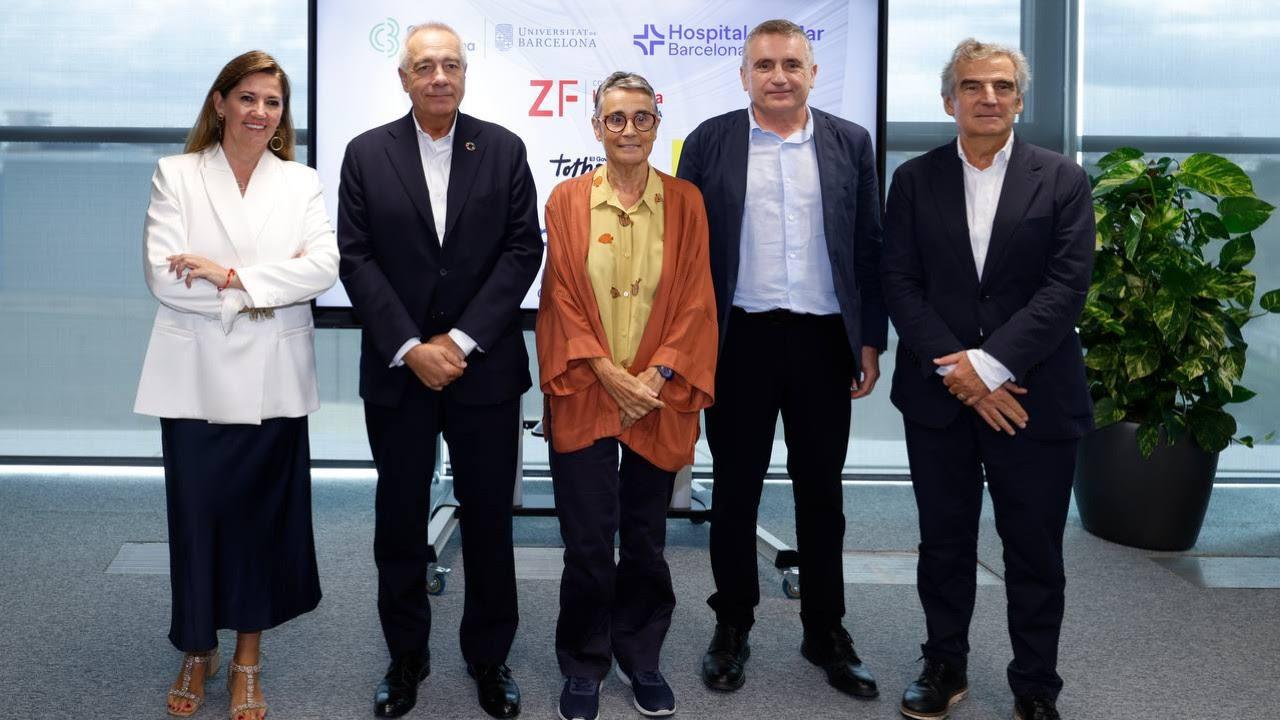
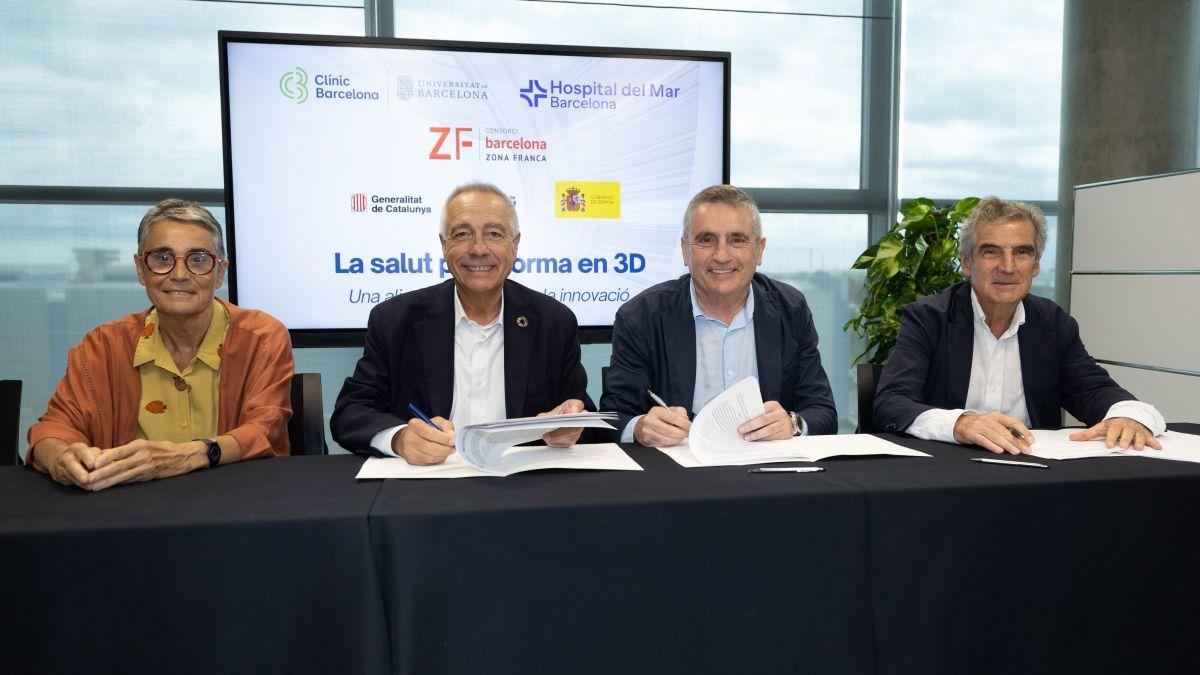
Additive manufacturing has been present in the healthcare sector for some time, but its definitive takeoff requires infrastructure and partnerships that will reduce costs and facilitate knowledge sharing. This is precisely the objective of the agreement recently signed between the Barcelona Free Trade Zone Consortium (CZFB), the Hospital Clínic, and the Hospital del Mar, two of Catalonia's leading healthcare centers. The collaboration between these entities will create a space dedicated to clinical 3D printing, with the aim of providing personalized solutions to both healthcare professionals and patients.
The initiative, named 3D Lab Mar-Clínic, plans to occupy more than 1.100 square meters within the 3D Incubator, a specialized high-tech additive manufacturing environment. There, engineers, technicians, and medical personnel will work together to develop everything from anatomical models to guide surgical procedures to prostheses, implants, and replacement parts for hospital equipment. This collaborative innovation model , according to its promoters, is unprecedented in Europe.

From surgical planning to rehabilitation
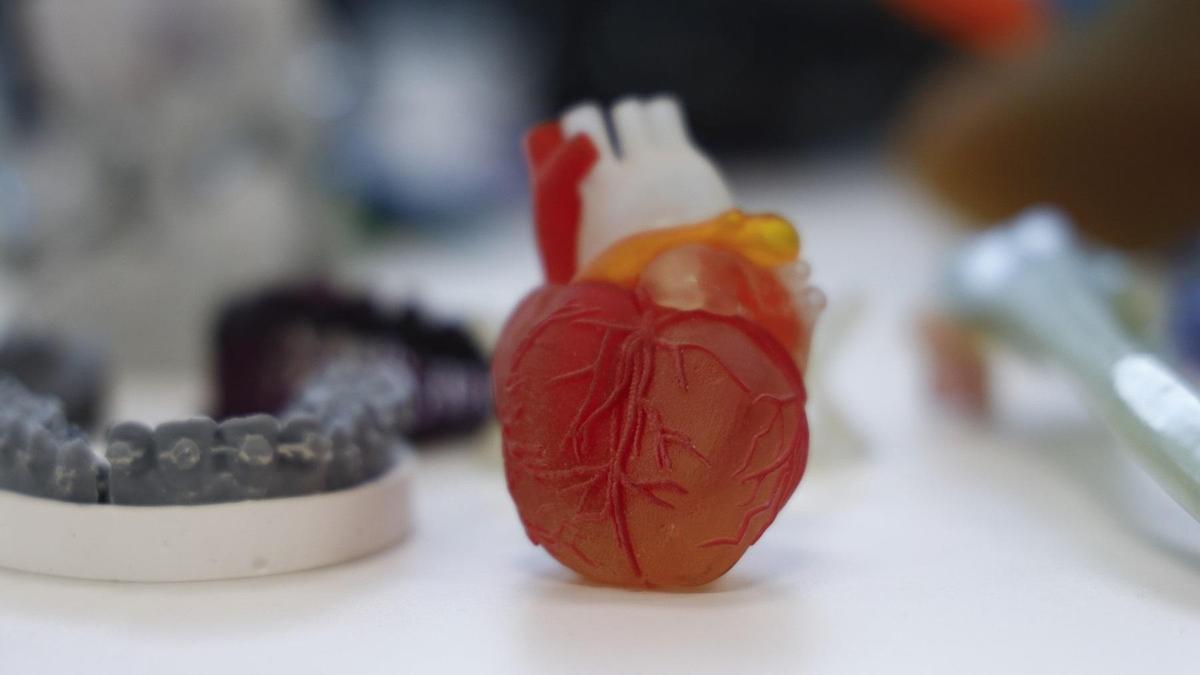
The specific uses of this 3D printing facility span various specialties. In the healthcare field, professionals can order three-dimensional biomodels to precisely study a patient's anatomy before surgery, for example, in cases of complex kidney tumors or orbital fractures. Custom surgical guides can also be manufactured to indicate to the surgeon where to cut or how to place an implant, as well as personalized 3D-printed prostheses for traumatology. Virtual planning and simulation with these models help reduce risks and shorten operating room times.
In addition to clinical applications, the center will serve to train new specialists. The 3D-printed simulators will allow for the practice of complex procedures without putting any patients at risk, something especially useful in areas such as neonatology and maxillofacial surgery. Teaching, research, and prototype development are integral to this project, which also includes the production of orthotics and assistive tools for occupational therapy, such as adapters for opening bottles or buttoning buttons— solutions that improve the independence of patients in rehabilitation.
A commitment to public-private cooperation
The seeds of this alliance were sown during the COVID-19 pandemic, when the CZFB incubator manufactured 400 ventilators and other emergency equipment for Catalan hospitals. That experience demonstrated that collaboration between public institutions can yield rapid and tangible results. Now, the CZFB's provision of space and machinery is combined with the clinical expertise and innovation teams of the two hospitals, which also contribute the necessary consumables. Those responsible for the initiative emphasize that this is not a closed project: it is open to other healthcare centers, startups, and companies that wish to join.
The managing director of Hospital del Mar, Jaume Raventós, pointed out that this innovation "doesn't make sense to do alone" and that "cooperating is the smartest way to innovate." For his part, Josep Maria Campistol, general director of Hospital Clínic, emphasized that 3D printing allows progress towards more personalized, precise, and efficient medicine. The Catalan Minister of Health, Olga Pané , argued that projects like this position Catalonia as a European leader in digital manufacturing applied to healthcare and noted that 3D technology is already being used in hospitals such as Vall d'Hebron, Parc Taulí, Olot, and Palamós.
Timeline and medium-term ambition
The rollout of the 3D Lab Mar-Clínic is now on schedule. Operations will begin this quarter, and work will continue throughout this year to obtain the medical device manufacturing license. Authorization for custom-made orthotic products is expected by March 2027, and a clinical and economic impact assessment will be conducted in November of that year. Accredited medical device production with European certification (ISO and manufacturing license) is planned for June 2028. Before then, in November of this year, the first non-medical device manufacturing, such as replacement parts, and clinical workflow testing will begin.
The ultimate goal is to transform this laboratory into a catalyst for 3D printing in healthcare across Catalonia. According to Jorge Fernández, Director of Innovation at the Hospital Clínic, "it makes no sense for each hospital to purchase its own machines" when the technology is expensive and its use can be shared. This approach aims to generate economies of scale and attract talent and investment, reinforcing the region's position at the forefront of healthcare innovation. The impact of this partnership on the healthcare system will be measured not only in terms of costs, but also in improved patient care and the generation of applicable knowledge.
With this initiative, Barcelona and Catalonia are reinforcing their commitment to additive manufacturing as a tool for transforming healthcare. The combination of clinical expertise, technological capacity, and an innovative ecosystem like that of the Zona Franca (Free Trade Zone) exemplifies how to address the current challenges facing the healthcare system, from an aging population to the need to optimize resources. The 3D Lab Mar-Clínic aims not only to produce parts but also to create a collaborative space that transcends borders and is open to new partners. Ultimately, technology is being put at the service of people to make improved health more accessible, efficient, and personalized.
