Throughout the history of science, electrolytic cells have played an essential role in the understanding and applications of electricity and chemistry. Although it sounds like a complex concept, it is actually a fascinating and everyday technology. Anyone who has heard of devices like the SEN0376 will have noticed that these systems are fundamental to industrial processes, scientific research, and even school education.
If you've ever wondered what an active electrolytic cell is and how it works, you'll find out in detail here. This article will delve into its operation, the principles governing its activity, its components, its differences from other cells, and its applications—all explained comprehensively and simply so that anyone, regardless of their prior knowledge, can easily understand it.
What is an active electrolytic cell?


An active electrolytic cell is a device capable of converting electrical energy into chemical energy through a very specific process: electrolysis. Its main function is to drive non-spontaneous chemical reactions , that is, those that would not occur on their own under normal conditions. To achieve this, the cell uses an external current source that forces electrons to move through the system, generating changes in the chemical compounds involved.
When we talk about an active cell like the SEN0376, we generally refer to a commercial model designed for practical applications such as water purification , chemical production , or experimental teaching. However, the operating principle is common to all of them and is based on the interaction between electrodes and an electrolytic solution containing free ions.
Basic principles of electrolysis
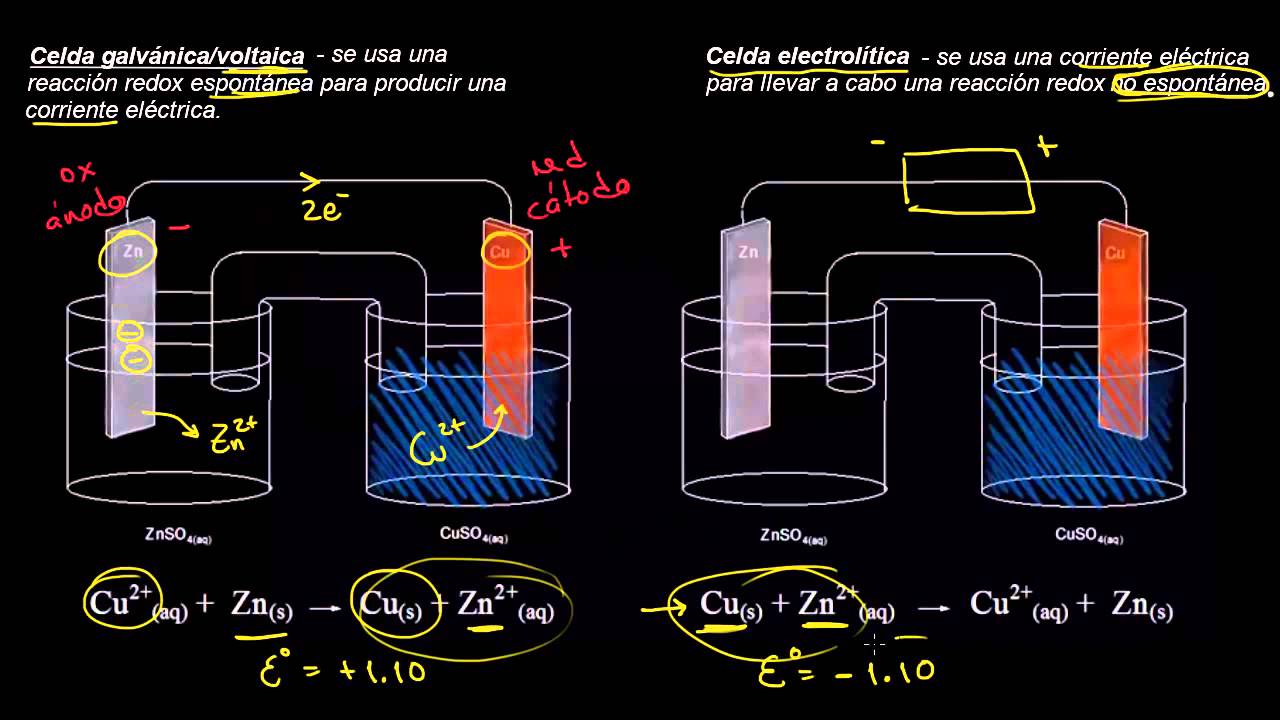
The key to an active electrolytic cell is the process of electrolysis . This is a phenomenon where an electric current causes the decomposition of chemical substances . In other words, electricity is used to break chemical bonds and separate a compound into its elements or form new substances.
This process requires at least three essential components: a source of electrical energy , two electrodes (anode and cathode), and an electrolyte solution that acts as a conductive medium. The electricity forces the ions to move within the electrolyte, triggering reactions on the surface of the electrodes.
- Electrical power supply: It is the device that generates the potential difference necessary to stimulate the flow of electrons.
- Electrodes: The anode (positive polarity) and the cathode (negative polarity) are the points where oxidation and reduction reactions occur respectively.
- Electrolyte: a solution with free ions capable of conducting electric current.
When the power source is switched on, electrons are forced to travel from the cathode to the anode through the external circuit, while inside the cell ions are mobilized to compensate for this flow, allowing chemical reactions to occur at each electrode.
Detailed operation of an active electrolytic cell
The process begins by connecting the system to a power source . By closing the circuit, the source generates the potential difference that directs the flow of external electrons. Inside the cell, the anode is the electrode where oxidation reactions occur (atoms or ions lose electrons ), while reduction reactions take place at the cathode (atoms or ions gain electrons ). The movement of electrons between the electrodes produces the desired chemical changes in the electrolyte, such as its decomposition, the release of gases, the formation of precipitates, or the deposition of metals.
This entire process would not occur spontaneously. It is external electrical energy that forces the ions to move and transform, making possible phenomena such as the electrolysis of water to obtain hydrogen and oxygen, or the production of pure metals in industry.
Components of an active electrolytic cell
To fully understand the operation and usefulness of an electrolytic cell, it is useful to know its fundamental parts:
- Anode: usually made of an oxidation-resistant material, such as platinum, graphite, or metals coated with metal oxides. This is where the ions oxidize and give up electrons to the external circuit.
- Cathode: It can be made of a metal such as copper or stainless steel and is the place where the ions receive electrons and are reduced.
- Electrolyte: a solution or molten substance containing free ions capable of carrying loads. Typical examples are solutions of salts, acids, or bases.
- Power supply: supplies the necessary electrical power with the correct polarity.
- Container: Usually made of glass, plastic or corrosion-resistant materials, it contains the electrolyte and the electrodes.
Differences between electrolytic cells and galvanic cells
Electrolytic cells are frequently confused with galvanic (or voltaic) cells, since both involve electron flows and chemical reactions. However, their operation and purpose are completely opposite.
- Galvanic cell: converts the chemical energy into electrical energy through spontaneous reactions. This is the classic case of conventional batteries.
- Electrolytic cell: uses electrical energy to force non-spontaneous chemical reactionsHere the direction of electron flow and the nature of the chemical processes are the opposite of a battery.
In other words, while in a galvanic cell chemistry generates electricity , in an electrolytic cell electricity generates chemistry . This principle is what active devices like the SEN0376 utilize for purification, synthesis, and deposition processes of materials.
Real-life applications of active electrolytic cells
Electrolytic cells have a wide variety of applications, both in industry and in the laboratory and at home. Here we'll review some of the most important ones:
- Obtaining pure metals: for example, the copper electrolysis to obtain it in its pure state from minerals or scrap. This process is essential in the metallurgical industry.
- Water purification: devices such as the SEN0376 They are common in domestic or industrial water treatment systems, where electrolysis helps remove contaminants by breaking down organic and inorganic compounds.
- Production of industrial gases: electrolysis of water makes it possible to produce hydrogen y oxygen high purity, used in fuels, medicine and industrial processes.
- Electroplating and metal coatings: By using electrolytic cells it is possible deposit layers of metals such as gold, silver or nickel on other pieces, improving their resistance, appearance and functionality.
- Chemical production: such as obtaining chlorine and caustic soda by electrolysis of brine, which are essential in the chemical industry.
- Decomposition of organic and inorganic compounds: It is used to transform pollutants into less harmful or directly eliminable substances.
- Educational apps: The simplicity of assembly and observation of electrolytic cells makes them an ideal resource for explaining chemistry, physics and technology concepts in educational centers.
What is the process inside the electrolytic cell?
Let's delve a little deeper into what happens inside an electrolytic cell like the SEN0376. Let's assume we have a simple saline solution and two electrodes connected to a DC source.
When current flows , a systematic migration of ions occurs:
- The positive ions of the electrolyte (cations) are directed towards the cathodeWhere receive electrons and are reduced.
- The negative ions (anions) migrate to the anodeWhere give up electrons and they rust.
As a result, the products of the reactions can be gases (such as hydrogen or oxygen), deposited metals, or new compounds in solution.
The process requires not only the presence of the right ions, but also appropriate electrodes depending on the type of reaction desired. For example, to obtain chlorine and metallic sodium, special electrodes are used, and the composition and temperature of the electrolyte are carefully controlled.
The importance of electrodes and electrolyte
In an active electrolytic cell, the selection of electrodes and the electrolyte composition determine the efficiency, products, and durability of the process. If you would like to learn more about reactive power management systems, you may also be interested in how to manage reactive power in electrical systems.
In modern devices, such as SEN0376 type water treatment systems, titanium anodes coated with metal oxides and non-corrosive electrolytes are often used to maximize service life and safety.
Efficiency and maintenance of an active electrolytic cell
The performance of an electrolytic cell depends on several factors: the quality and condition of the electrodes, the concentration and temperature of the electrolyte, and the proper functioning of the power source. An important parameter is faradic efficiency , which measures the proportion of electrical charge that actually contributes to the desired chemical reaction.
Each device requires regular maintenance : cleaning the electrodes to prevent the formation of passivating layers, replenishing the electrolyte, and checking that the electrical connections are secure. In modern models, many tasks are automated, but in experimental or industrial settings, they usually require supervision by specialized technicians.
Advantages and limitations
Active electrolytic cells offer numerous advantages:
- Allow precisely control chemical reactions that would otherwise be impossible or dangerous.
- Versatility: can be used in a wide range of industrial, scientific and domestic processes.
- Scalability: from laboratory devices to large industrial plants.
- Environmental applications: in waste treatment and decontamination.
However, they also have some important limitations :
- El energy consumption can be high, especially in large-scale processes.
- La useful life of the electrodes can be reduced by corrosion or accumulation of inert products.
- Not all chemical reactions can be performed efficiently by electrolysis.
Innovation and trends in active electrolytic cells
The development of new electrode materials , the design of more compact and efficient cells , and the integration of intelligent control systems are revolutionizing the sector. The ability to monitor parameters in real time, automatically adjust current intensity, and detect anomalies has significantly improved the performance and safety of these cells.
Thus, the active electrolytic cell not only remains relevant in traditional industry, but is also gaining increasing traction in fields such as clean energy production (e.g., green hydrogen), medicine (instrument sterilization), and nanotechnology (manufacturing nanocomponents). If you'd like to learn more about related electronic components, take a look at how Peltier cells work.
Additionally, modern devices have improved sustainability by using recyclable materials and optimizing energy consumption, reducing the environmental impact of industrial processes associated with electrolysis.