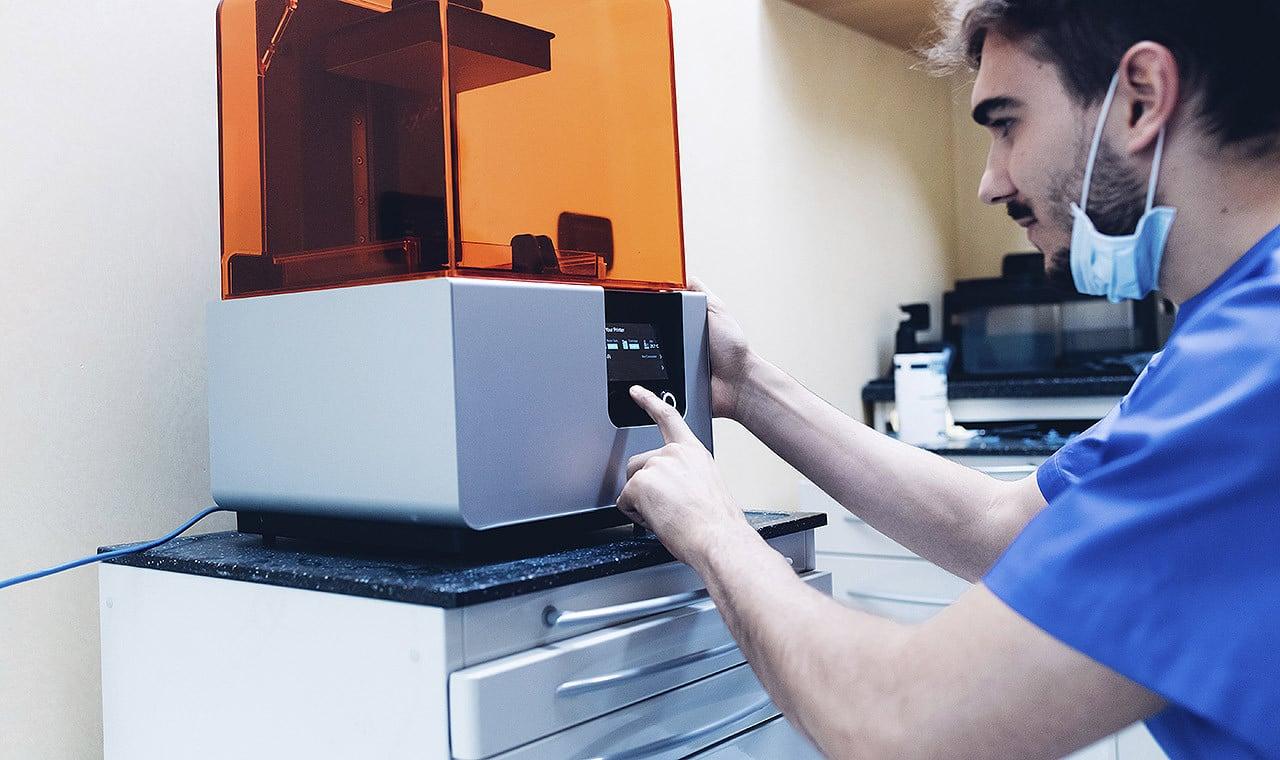
3D printing continues to gain ground in the healthcare sector, and Spain is no exception. In recent weeks, two initiatives have been announced that reinforce the role of additive manufacturing technology in medicine: the acquisition of state-of-the-art equipment by the University of Murcia and a collaboration agreement between two hospitals in Barcelona and the Zona Franca Consortium. Both projects aim to improve surgical precision and the development of personalized devices.
Meanwhile, internationally, researchers at the University of Mississippi are working on 3D-printed patches for chronic wounds, demonstrating that additive manufacturing is becoming a key tool for healthcare . Below, we review the details of these developments.
New 3D printing system at the University of Murcia
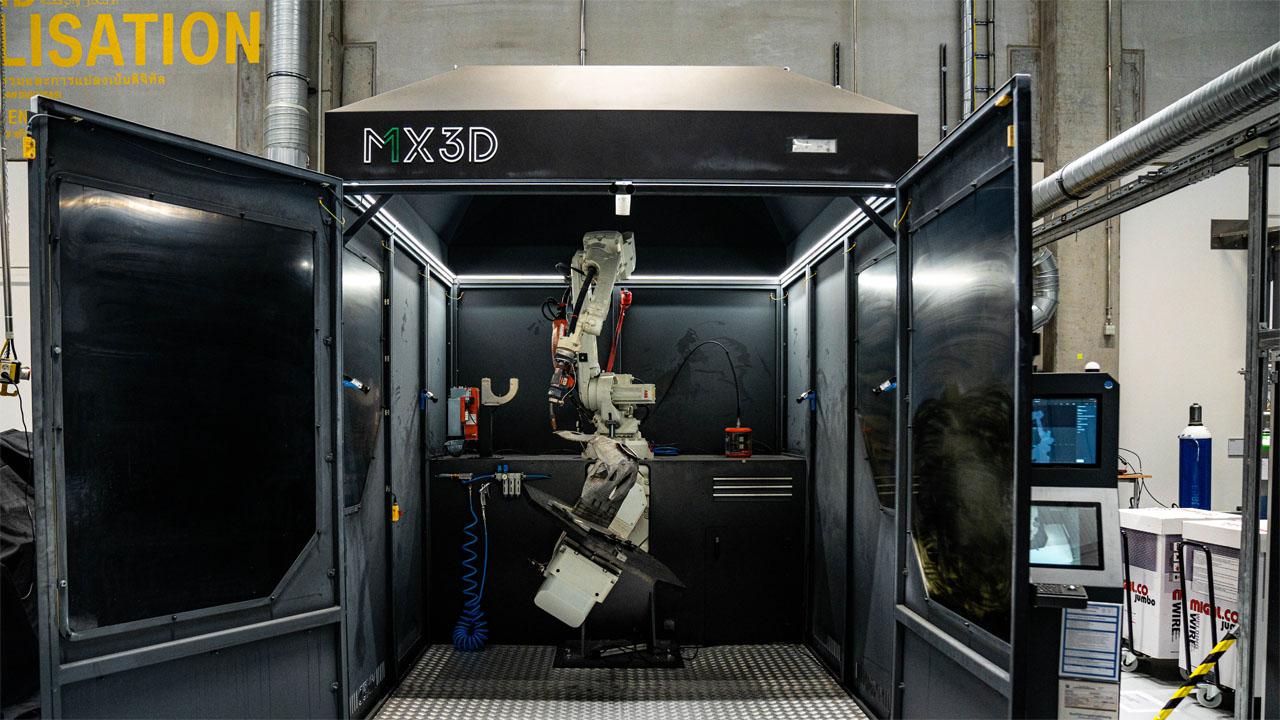
The University of Murcia has incorporated an additive manufacturing system that allows for the combination of up to seven different materials with varying textures, densities, and colors. This equipment, funded by the European Regional Development Fund (ERDF) with €492.000, enables the production of hyper-realistic anatomical models and high-precision surgical devices . According to the institution, only one other similar system exists in a Spanish public institution, the Complutense University of Madrid, and two in the private sector, but these are expensive.
The new system will be used to create models that facilitate the study of diseases such as Parkinson's and Alzheimer's, as well as to develop intraocular lenses and assisted reproductive devices. More than twenty research groups at the University of Murcia (UMU) have already expressed interest in using this technology for their projects . Furthermore, it is expected to benefit biotechnology and engineering companies by reducing the time to market for their products.

Collaboration between hospitals and the Barcelona Free Trade Zone Consortium
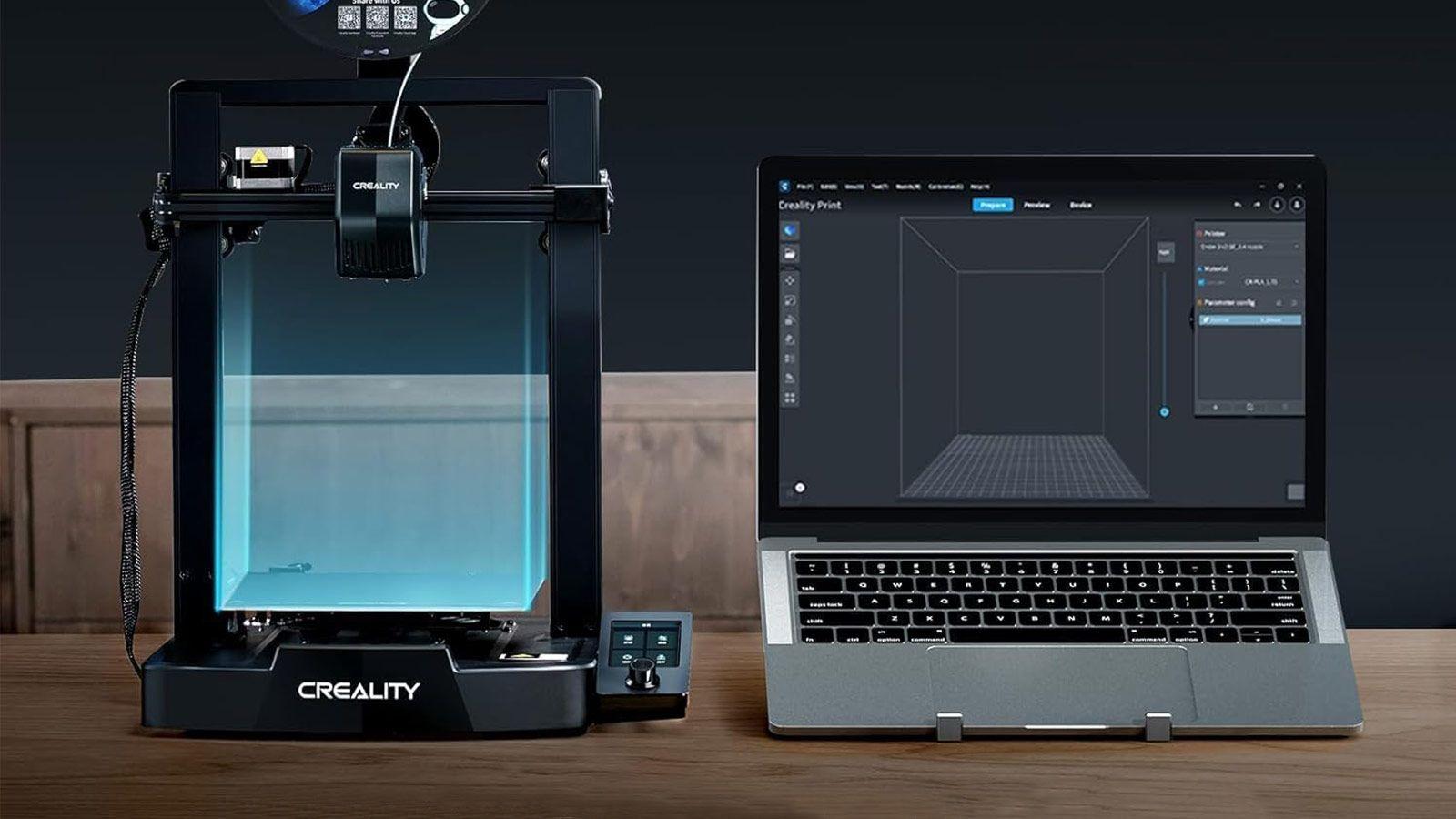
On the other hand, Hospital del Mar and Hospital Clínic of Barcelona have signed an agreement with the Barcelona Free Trade Zone Consortium (CZFB) to promote innovation projects in 3D printing for healthcare. The agreement, published in the Official State Gazette (BOE), grants the hospitals the management and operation of a 3D incubator . The CZFB will be responsible for promotion and general expenses, while the hospitals will define an operational plan with activities, budget, and timeline.
The agreement has an initial term of one year, renewable for up to three more years. Both hospitals will be able to establish partnerships with third-party research institutions. This collaboration reinforces Catalonia's commitment to 3D printing in healthcare and strengthens Barcelona's position as a hub for medical innovation.
Taken together, these initiatives reflect a growing interest in 3D printing within the Spanish healthcare sector. Both the acquisition of cutting-edge equipment and the creation of collaborative networks between hospitals and public consortia are paving the way for more personalized and efficient medicine . Additive manufacturing technology not only allows for the production of unique parts tailored to each patient, but also reduces costs and development time, making it an indispensable ally for the future of healthcare.