
The tech world is gearing up for one of the most anticipated leaps of the year with the arrival of the new version of Google's operating system. Although it's still some way off before it reaches all users, Android 17 is already a reality for owners of the latest Google devices, who are experiencing new features that promise to change the way we interact with our phones.
This update, known internally in the development labs as Cinnamon Bun, not only aims to offer a more modern look, but has also focused on polishing performance and security . In Europe, Pixel users are the first to receive these new features, while other manufacturers have already begun adapting their own custom interfaces to keep up with the innovation race.
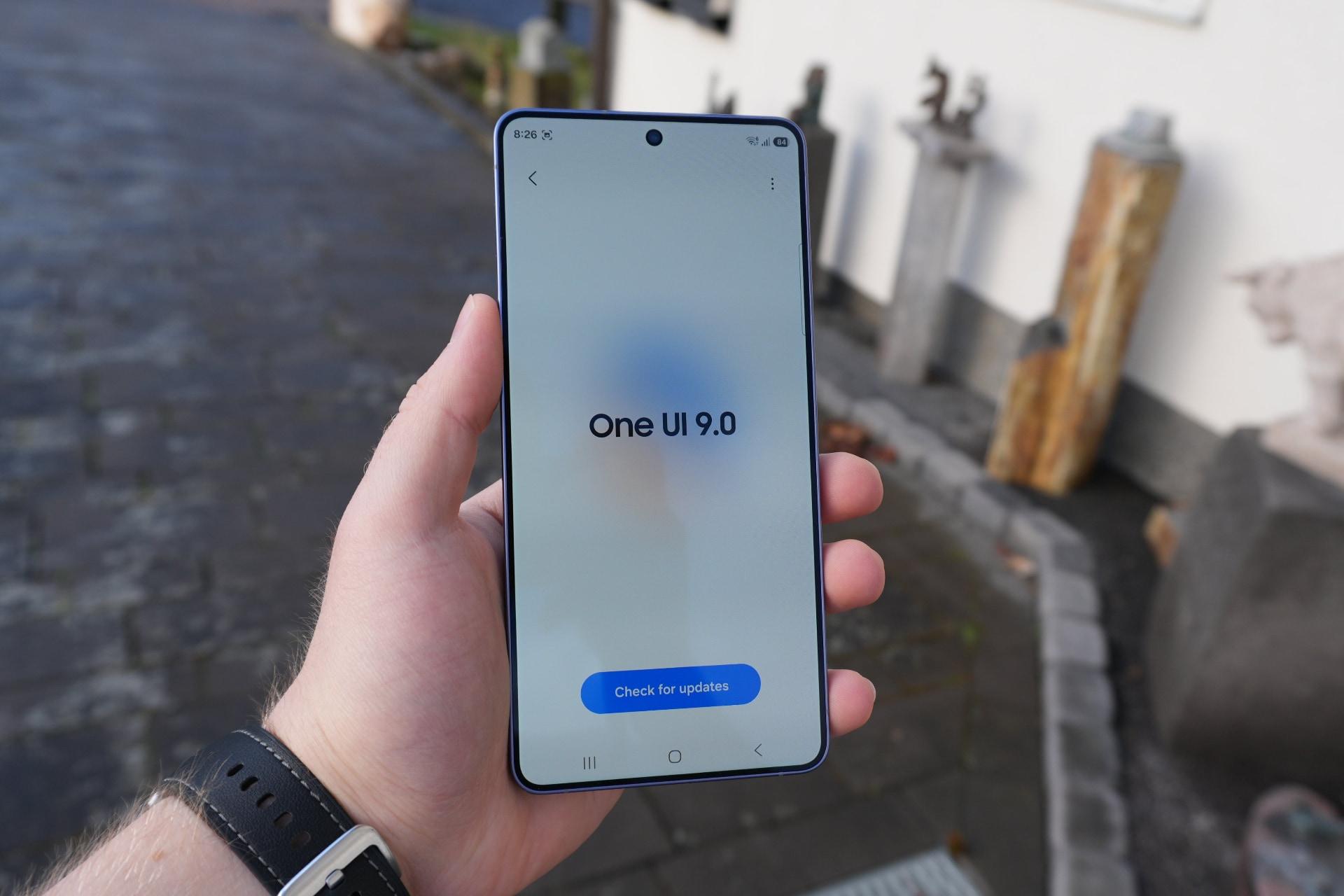
Samsung and One UI 9: The calendar for Galaxy devices
The South Korean company hasn't wasted any time and has already made significant progress with its One UI 9 interface. According to available information, the official release of the stable version is scheduled for July 22, 2026 , coinciding with the launch of its new foldable phones. From then on, it's expected that the majority of its devices in Spain will begin receiving the update gradually between the end of summer and the last months of the year.

These are the main models that are guaranteed to receive Android 17:
- Galaxy S series: From the S23 to the future S26, including all Ultra and FE variants.
- Galaxy Z Series: The Fold and Flip foldable phones from generations 5, 6, and 7.
- Galaxy A series: Bestselling models such as the A54, A55, A35 and the new A56 and A57.
- Mid-range and entry-level: The Galaxy M and Galaxy F families are also included in the plans.
However, it's not all good news, as some beloved devices have reached the end of their support lifecycle. Phones like the Galaxy S22 and the Z Fold 4 will be left out of this major update, remaining on previous versions. On the other hand, brands like Xiaomi have also made their move, releasing the first beta versions of their flagship phones, the Xiaomi Mi 17 and Mi 17 Ultra, under their new HyperOS ecosystem.
Revolution in multitasking and AI tools
One of the features that will be most useful in everyday life is the evolution of floating bubbles. Until now they were very limited, but with this new system we can turn any application into a miniaturized window simply by pressing and holding its icon. This is perfect for consulting a map or a document while continuing to chat or browse social media without having to constantly switch apps.
Artificial intelligence is also playing a major role, especially with the integration of tools like Gemini Omni. This utility allows users to create and edit videos using natural language , making it easy for any user to retouch their recordings like a professional. Furthermore, for social media enthusiasts, a screen recording function has been included that captures our reaction with the front camera in real time, automatically cropping our silhouette.

Much stricter security against theft
Google has set out to make it nearly impossible for thieves to access our data. The most talked-about measure is the new PIN attempt limit , which is now extremely restrictive. If someone tries to guess the code, the system will only allow five attempts in the first minute before locking out, a figure that contrasts sharply with the permissiveness of previous versions and effectively curbs brute-force attacks.
In addition, for certain critical actions, such as disabling device tracking, the system will require fingerprint or facial recognition . Knowing only the PIN will no longer suffice, adding an essential layer of biometric protection if the phone falls into the wrong hands. These improvements are complemented by finer permission controls, allowing, for example, an application to read only a specific contact from our address book instead of accessing the entire list.
The arrival of this version represents a step forward in customization and user peace of mind, consolidating features that previously relied on third-party applications natively. With the rollout already well underway, the coming months will be crucial to see how each manufacturer adapts these performance and satellite connectivity improvements to their respective product lines, ensuring that our devices become increasingly intelligent and, above all, much more secure against any unforeseen event.