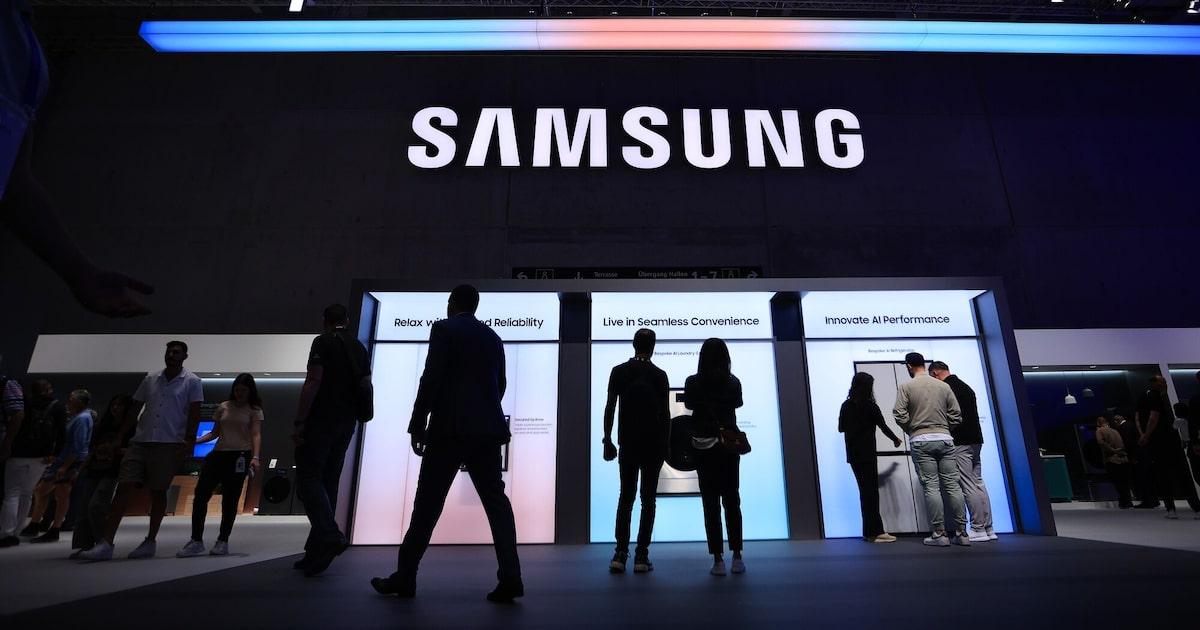
It seems that the big tech companies have grown tired of patiently waiting for hardware suppliers to give them their turn. In a market where acquiring computing power is almost like finding a needle in a haystack, Anthropic has decided to take control of its own destiny by entering into talks with the South Korean giant Samsung. Their idea is no small feat: they want to design their own silicon so that their artificial intelligence models, like the well-known Claude, can run much more smoothly and efficiently without always having to rely on third-party suppliers.
Although these negotiations are still in their early stages, rumors from sources close to the deal suggest the goal is to manufacture a custom chip using advanced processes . This isn't just about having their own hardware for pride, but a pressing need to control costs and ensure a constant supply of machines to train future versions of their AI. In Europe, where technological sovereignty is a hot-button issue , these kinds of moves are closely scrutinized, as they demonstrate that control of silicon is the true key to power in today's digital age.
A leap towards technological independence with a South Korean stamp

The choice of Samsung as a potential partner is no coincidence, as the company boasts manufacturing capabilities that rival those of the all-powerful TSMC. Leaks suggest they are considering using 2-nanometer lithography , a cutting-edge technology that would allow for significantly more power to be packed into a smaller space with lower energy consumption. This step is vital for AI companies to overcome the critical shortages and rising costs that have plagued the sector in recent years.
It's true that Anthropic is proceeding cautiously and is still finalizing the exact functions this processor should have. Designing a chip for AI to learn new things is not the same as designing one specifically to respond to users in milliseconds. What is clear is that the addition of experts from other major companies , such as OpenAI's custom chip team, suggests that the company has stepped up its game and is very serious about this commitment to its own silicon.
However, let no one be mistaken: this doesn't mean they're going to ditch their current partners overnight. The company itself has hinted that they will continue to rely on processing units from Google, Amazon, and Nvidia to maintain their current structure . It's more of a way to diversify their investments. In the tech world, depending on a single supplier is a risk no one can afford anymore, especially when billions of euros are at stake with each software update.

The shadow of OpenAI and the competition for performance
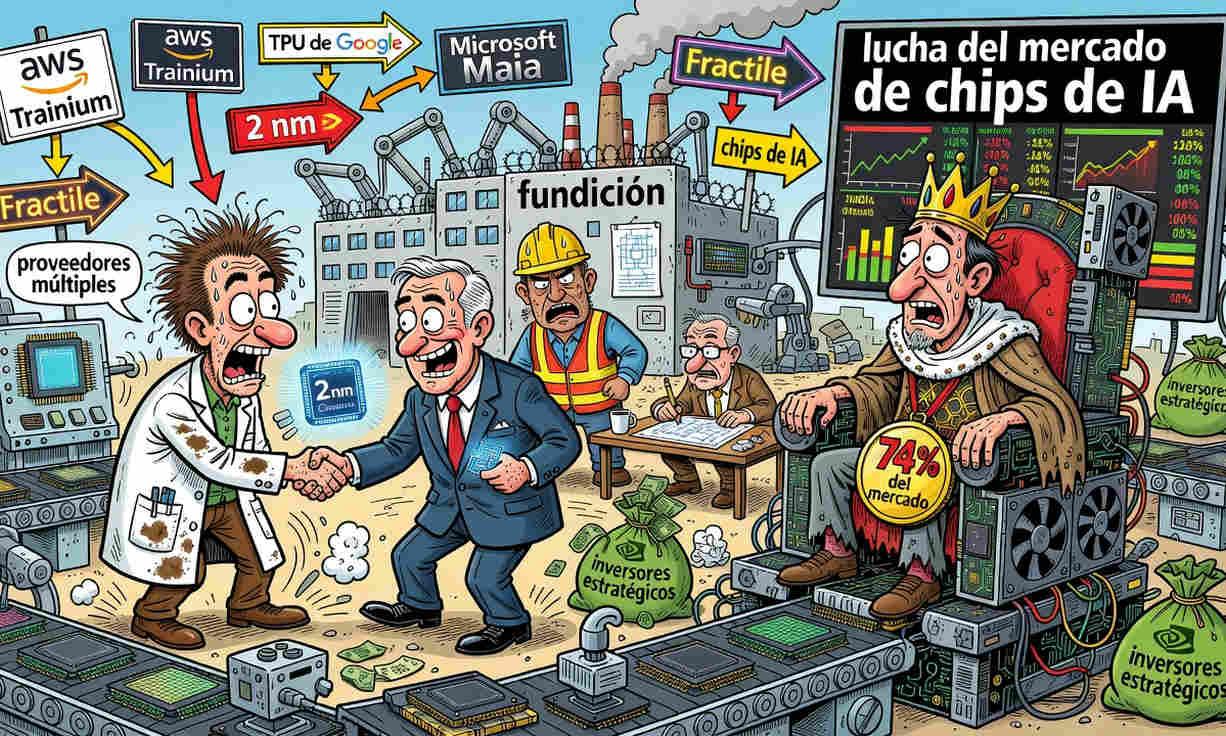
Looking at what the competition is doing, the move makes perfect sense. OpenAI recently showcased its "Jalapeño" chip, developed through a partnership between OpenAI and Broadcom , putting extra pressure on Dario Amodei's team. Anthropic doesn't want to fall behind in this hardware arms race , since optimizing processors for their specific algorithms can give them a significant competitive advantage in terms of speed and energy efficiency.
For Samsung, this potential deal is a godsend, as it would allow them to consolidate their position against TSMC in the foundry market. If they can demonstrate that their 2-nanometer process is capable of handling the massive workloads of modern AI , they could attract many more customers who currently only have eyes for Taiwanese manufacturing. It's a high-stakes technical battle where every detail counts in convincing investors that the massive infrastructure spending will soon pay off.
The current market situation reflects that being a software genius isn't enough to lead the sector. Ultimately, the entire artificial intelligence framework rests on highly complex silicon components, and whoever can customize their own hardware to perfectly match their code will have a significant advantage. Anthropic is making moves to ensure its future doesn't depend on third-party waiting lists, seeking a supply architecture that is far more flexible and resilient to the vagaries of global geopolitics and industrial bottlenecks.

Table of Contents