
The tech sector is experiencing a veritable earthquake after Apple confirmed its decision to strengthen ties with Intel for the manufacture of its future semiconductors. This move, which had been rumored in industry circles for some time, represents a historic shift for the Cupertino company, which until now had relied almost entirely on Asian factories to produce its most powerful processors. The objective is clear: to bring some of its high-tech production back to the United States and reduce vulnerability to geopolitical tensions affecting the global supply chain.
For Intel, this agreement isn't just another signature on a contract; it's the validation they needed to prove their foundry division can compete at the highest level. After a few years of struggling, the company seems to have found the right formula to win over the world's most demanding customers. While Apple isn't going to abandon TSMC overnight, the fact that they trust Intel's manufacturing capabilities sends a powerful message to other companies seeking reliable alternatives outside of Taiwan.

The technology roadmap: node 18A-P in the spotlight
The focus of attention is the manufacturing process known as 18A-P . This optimized version promises superior performance and energy efficiency, which has ultimately won over the engineers in Cupertino. According to available technical data, this node has already entered a risk production phase , meaning they are fine-tuning the final details before moving to mass production. This is no small feat, as meeting delivery deadlines is crucial for a company like Apple, which cannot afford a single delay in its annual releases.
However, it won't all be smooth sailing. Experienced analysts warn that, even with the agreement on the table, designing and producing a system-on-a-chip (SoC) of this magnitude takes time. It's estimated that we could be waiting two to three years before seeing the first devices equipped with Intel-manufactured silicon. The complexity of these components demands flawless execution, and while Intel is on the right track, it still needs to demonstrate that it can maintain the extremely high quality standards that Apple requires of its regular suppliers.
A respite for the supply chain in Europe and the world
From a European perspective, this move is viewed favorably, as the geographical diversification of chip production typically translates into greater long-term price stability. In Spain, where the Apple device market is substantial, any improvement in component availability helps avoid dreaded stockouts. Furthermore, the rising cost of memory and other materials was putting the company in a difficult position, as it was already beginning to implement unavoidable price adjustments for the end consumer. Having a new manufacturing partner helps to redress the balance.
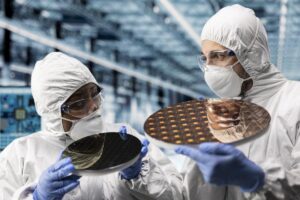
It's important to remember that Apple isn't the only one knocking on Intel's door. Giants like Google and Nvidia are also positioning themselves to use these plants as a backup in case other manufacturers become overwhelmed. This situation of high demand for AI chips has created a bottleneck that can only be solved with more operational factories. Ultimately, the more options companies have to produce their designs, the less likely we are to run out of stock of our favorite gadgets during the holiday season.
Which devices will debut with this alliance?
While we dream of an iPhone powered by an Intel processor, the collaboration will most likely begin more conservatively. Rumors suggest that the first beneficiaries could be MacBook Air models or even some mid-range iPads. Starting with products that don't require the company's most advanced technology is a smart strategy to minimize risk. Once the system is running smoothly and silicon wafer performance is optimal, then we could see the leap to the A-series processors in flagship phones.
The reality is that we're facing a kind of "marriage of convenience" where both parties have much to gain. Apple achieves the technological sovereignty that Washington so desperately craves and local support for its designs, while Intel secures a massive workload that will boost its finances and restore its lost prestige. It's a full-blown technological game of thrones where execution will dictate who comes out on top in the coming years.
This strategic agreement marks a turning point for the industry, solidifying Intel's position as a key player in cutting-edge manufacturing and offering Apple a viable alternative to the saturation of Asian suppliers. While the transition will be gradual and we'll still have to wait a couple of seasons to see the results firsthand, the validation of the 18A-P node and the interest from other industry giants suggest that the commitment to domestic manufacturing is a solid reality. Ultimately, its success will depend on meeting the demanding production deadlines and ensuring that the new chips maintain the level of excellence that users expect from their trusted devices.

Table of Contents