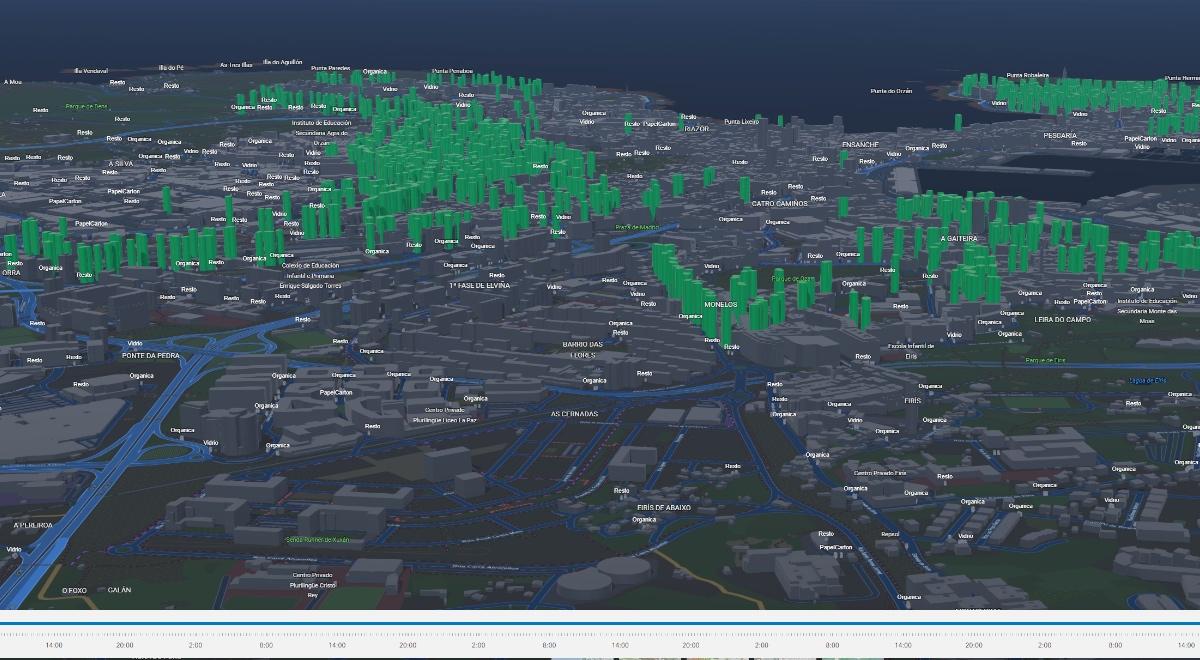
Today, our cities have become the epicenter of human activity, and with this, challenges have arisen that can no longer be solved using traditional methods. Population growth is an overwhelming reality, and according to forecasts, by mid-century the vast majority of the population will live in urban areas, placing immense pressure on infrastructure and public services that are already stretched to their limits.
To avoid collapse, public administrations are turning to tools that until recently seemed like science fiction. The combination of artificial intelligence, big data analytics, and the ability to create virtual replicas is allowing city councils to move from simply reacting to problems to anticipating crises before they affect ordinary citizens.

Digital Twins and the New Urban Planning
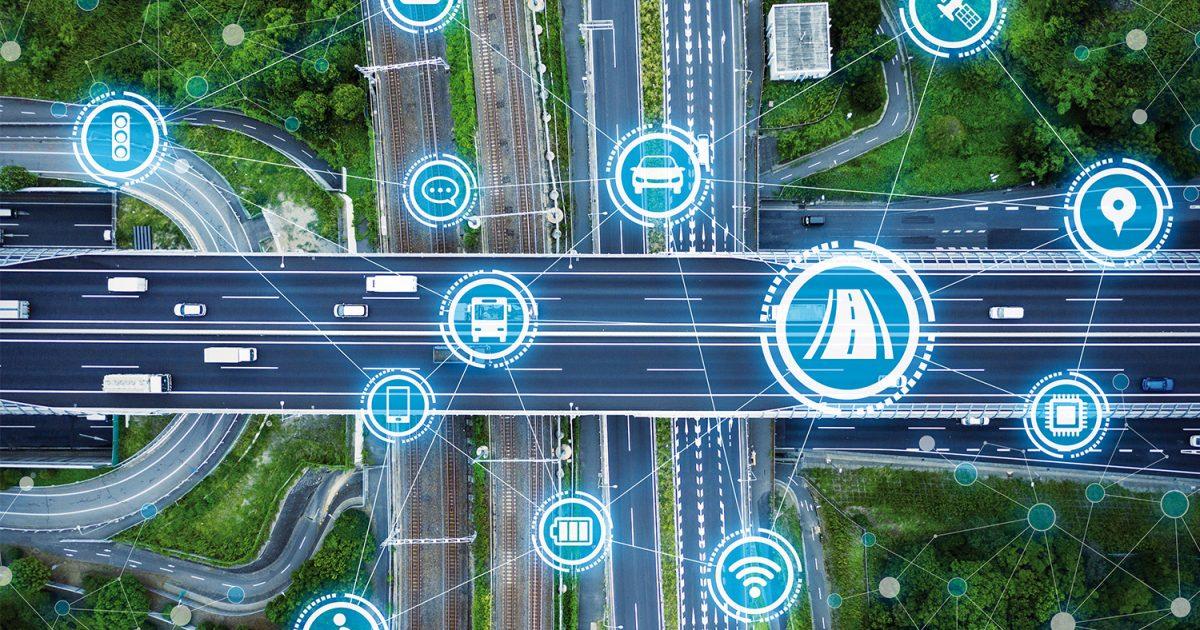
One of the most disruptive advances is the so-called Local Digital Twin. This is not simply a 3D map, but a dynamic virtual representation of a community's physical assets and processes. These systems are fed by real-time, cross-sectoral data, allowing simulations of how a city will react to changes in traffic or public works projects without having to experiment with the real world.
In this ecosystem, AI acts as the brain that processes information, while Geographic Information Systems (GIS) serve as the backbone. This union allows for much more traceable and efficient urban management, transforming raw data into evidence-based strategic decisions rather than mere intuition.
AI in Emergency Response and Resilience
When things get bad, as they do during a DANA storm or a strike affecting essential services, geospatial technology makes all the difference. The use of field tools allows for the creation of live maps of the emergency , where damage and locations are reported instantly, enabling cleanup or rescue teams to be deployed precisely where they are most needed.

If we add AI to this, we can implement flood prediction models or computer vision to automatically detect critical areas. In public health crises caused by waste accumulation, for example, AI can analyze container fill levels to optimize truck routes, preventing the creation of unsanitary hazards in neighborhoods.
Smart Mobility and Road Safety

Traffic is a major headache for any city resident. Artificial intelligence offers solutions by analyzing real-time traffic patterns, allowing city councils to redirect traffic flow before a massive gridlock occurs. Smart traffic light coordination and dynamic management of reversible lanes help the city breathe easier.
Regarding safety, AI can analyze vast amounts of data to predict where road accidents are most likely to occur, leveraging sensor fusion in vehicles . While camera surveillance helps detect suspicious behavior, it is crucial that all of this is done in strict compliance with European regulations , preventing the indiscriminate collection of biometric data to protect people's privacy.

Sustainability and Resource Management
The green transition would not be possible without digitalization. AI is revolutionizing waste management by classifying materials with astonishing accuracy, detecting faults in recycling plants, and optimizing collection through fill sensors in containers , thus reducing truck emissions by creating shorter and more efficient routes.
Similarly, street lighting is becoming smarter. Streetlights are no longer on at full brightness all night, but instead adapt to the actual needs of the environment through smart city lighting , achieving considerable energy savings and reducing the city's carbon footprint. All of this is integrated with the Internet of Things (IoT) to monitor building health and energy consumption in real time.
Impact on Operational Management and Facility Management
- Preventive Maintenance: The use of algorithms makes it possible to predict when machinery will fail, preventing service interruptions.
- Resource allocation: Budgets are optimized by analyzing current demand against historical data.
- Space planning: AI analyzes how public and private space is occupied to create smart and sustainable buildings, achieving more flexible and functional urban designs.
- Citizen participation: Creating structured data sets through surveys and digital platforms allows for more equitable administration.
The integration of these technologies is transforming public administration into a proactive model. It's no longer just about cleaning a street or fixing a traffic light, but about creating an inclusive and accessible urban environment where technology serves people, not the other way around. Ongoing training for municipal staff and collaboration with innovation centers are key to making this digital leap a success.

The convergence of artificial intelligence, geospatial technology, and Big Data is redefining how cities operate, allowing sustainability and efficiency to move from distant goals to the daily norm. Through service automation and risk prediction, modern cities are becoming safer and more livable spaces, ensuring that population growth does not compromise the quality of life for their inhabitants.
Table of Contents