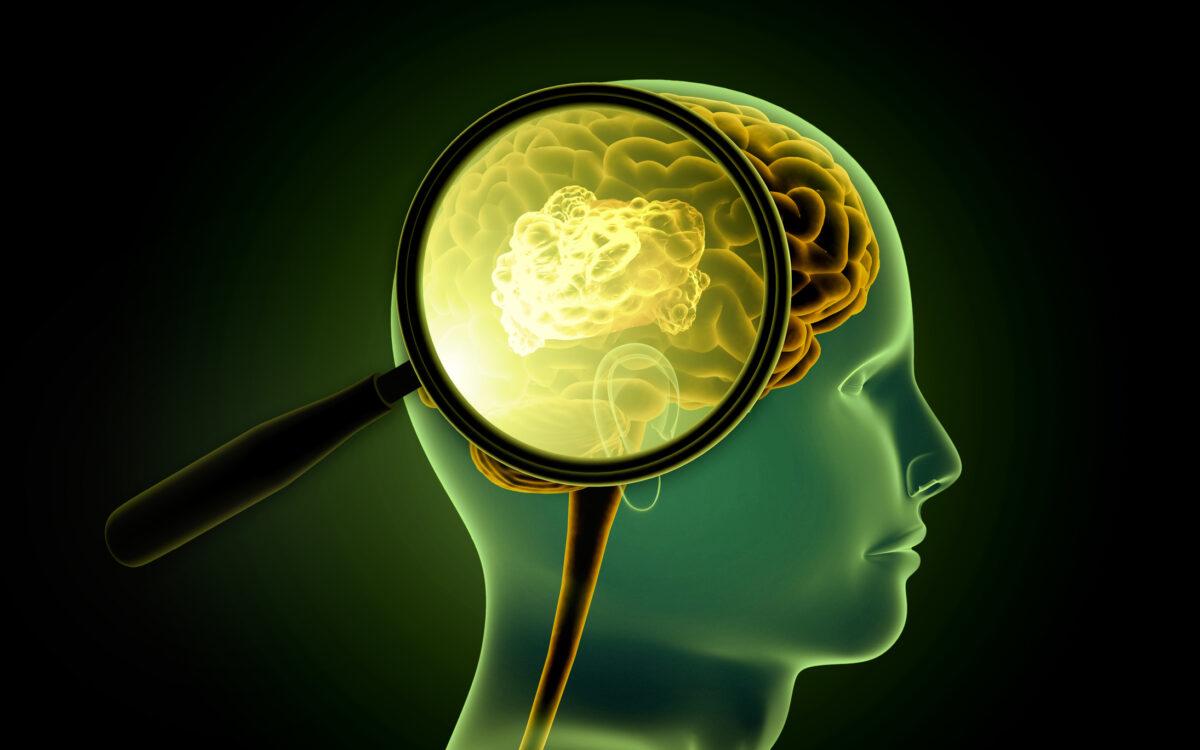
The arrival of new technologies in hospitals and health centers across the country is marking a turning point in how we understand well-being. It's no longer just about reacting when someone falls ill, but about leveraging data processing capabilities so that healthcare can effectively anticipate problems. This technological evolution promises not only to extend life expectancy, but also to ensure that those extra years are lived with the best possible quality of life thanks to constant and much more precise monitoring.
Despite some unfounded fears, experts agree that these tools are not here to replace anyone. The real objective is to equip professionals with much more powerful instruments that allow them to focus on what truly matters: direct patient care . After all, however advanced a machine may be, ethical considerations and human sensitivity are aspects that, as things stand, are impossible to program into an autonomous artificial intelligence algorithm.

A paradigm shift: from reaction to personalized prediction
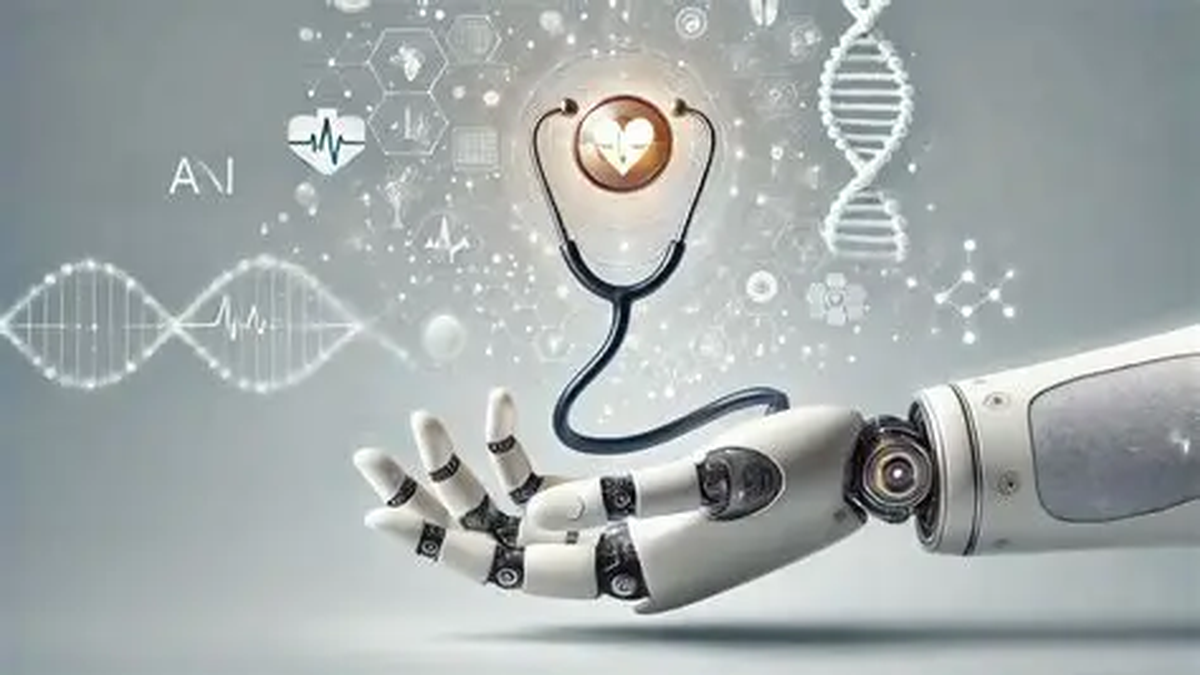
The traditional healthcare model is shifting from a population-based approach to much more personalized medicine. Thanks to the analysis of large volumes of clinical, genetic, and behavioral data, it is now possible to identify subtle patterns that go unnoticed by the human eye in conventional diagnostic tests. This analytical capacity accelerates processes that previously took months, making early detection a reality in critical areas such as oncology and degenerative diseases.
In the areas of mobility and home safety, the integration of wearable technology and smart sensors is also playing a crucial role. It is estimated that thousands of domestic accidents occur every day in Spain, and current technology makes it possible to prevent risks and detect situations of unwanted isolation in older adults. By monitoring daily routines, these systems can issue alerts if they detect any anomalies, providing enormous relief for families and improving the independence of our seniors.

The importance of human oversight and data quality
For these tools to function flawlessly, it is vital to have ongoing auditing processes that verify the performance of the algorithms. Simply installing software and forgetting about it is not enough; professionals emphasize the need to periodically check that the systems maintain their accuracy and do not lose effectiveness over time. This technical governance ensures that the results are representative of the real population and that the technology behaves robustly in the face of any potential failure or attempt at external manipulation.
The training of medical teams is another pillar of this revolution. New technology cannot be introduced without professionals knowing exactly what it is and how to interpret it, as training and digital literacy prevent fatigue caused by an excess of unnecessary tools. The Spanish healthcare system is at a stage where it is crucial to accurately measure the results we are achieving so that innovation provides tangible value and does not simply become a technological fad.
Operational efficiency and protection of sensitive information
One of the most direct benefits already being seen is the reduction of administrative workload for physicians. By automating repetitive tasks and centralizing information, hospital resources are managed much more efficiently , resulting in fewer errors and better coordination between departments. This allows doctors to spend more quality time with patients, without having to be so preoccupied with digital bureaucracy.
As expected, data privacy is the most sensitive issue in this entire transformation. Institutions and companies in the sector operate under extremely rigorous security standards, since clinical information is the most sensitive asset in existence. In this regard, artificial intelligence itself is used to detect potential vulnerabilities in systems, reinforcing cybersecurity and ensuring that each person's medical record is well protected against any unintentional leaks.
The integration of intelligent systems into daily hospital practice represents a historic opportunity to improve the sustainability of the national health system. By combining the power of data processing with the clinical judgment of specialists, we achieve a much more precise and humane medicine that leverages every available piece of information to save lives. The path toward evidence-based healthcare is already underway, ensuring that technological innovation always translates into a direct benefit for the public.
Table of Contents