
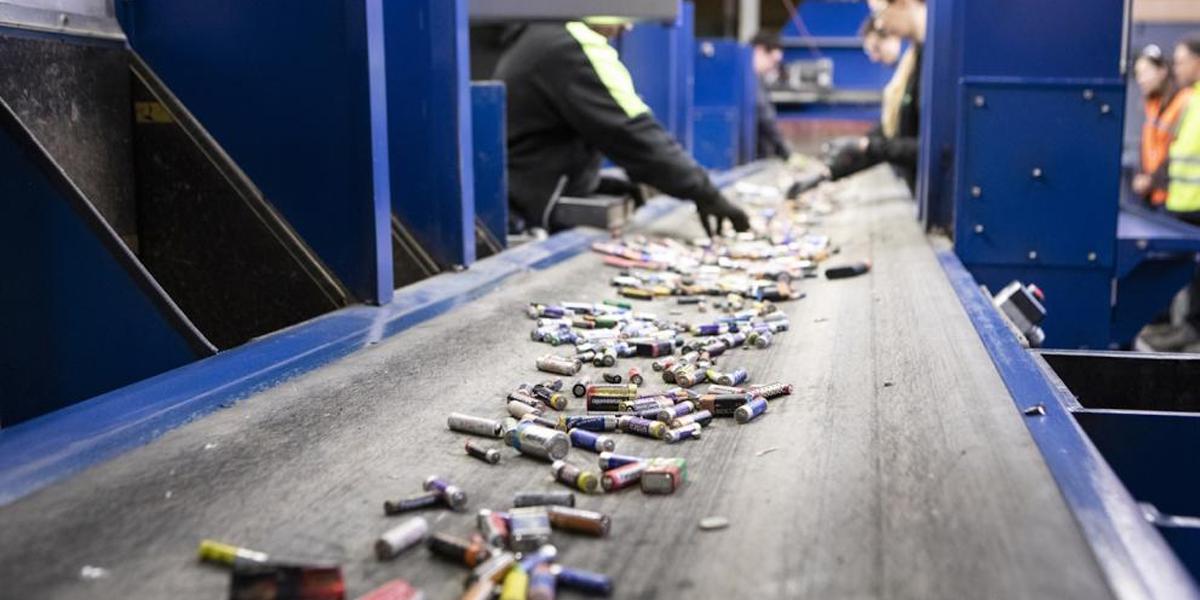
The battery recycling industry in Europe is at a pivotal moment. Manufacturers, startups, and public administrations are driving projects that aim to transform battery waste into a reliable source of critical raw materials such as lithium, cobalt, nickel, and manganese. This trend is a response to both regulatory pressure and the need to reduce dependence on external suppliers.
The European Commission has recently confirmed that the current recycling and material recovery efficiency targets set out in Regulation (EU) 2023/1542 remain adequate. This decision follows a comprehensive analysis, supported by the Joint Research Centre (JRC), which examined technological developments, raw material availability, and waste treatment capacity across the EU.

European recycling targets remain in place
The report adopted by Brussels concludes that the recycling targets maintain a suitable balance between ambition and feasibility for an industry that is still in its growth phase. Current recycling efficiency levels for lithium and lead-acid batteries, as well as recovery rates for cobalt, copper, lead, nickel, and lithium, are considered achievable without placing an undue burden on operators.
The calculations are clear: by the end of 2025, lithium batteries must reach a 65% recycling efficiency, while lead-acid batteries must reach 75%. But these figures will soon rise. By December 2030, the minimum efficiency will be 70% for lithium batteries and 80% for lead-acid batteries. Regarding material recovery, regulations require a minimum of 90% for cobalt, copper, lead, and nickel, and 50% for lithium by 2027. These percentages will increase to 95% and 80%, respectively, by 2031.
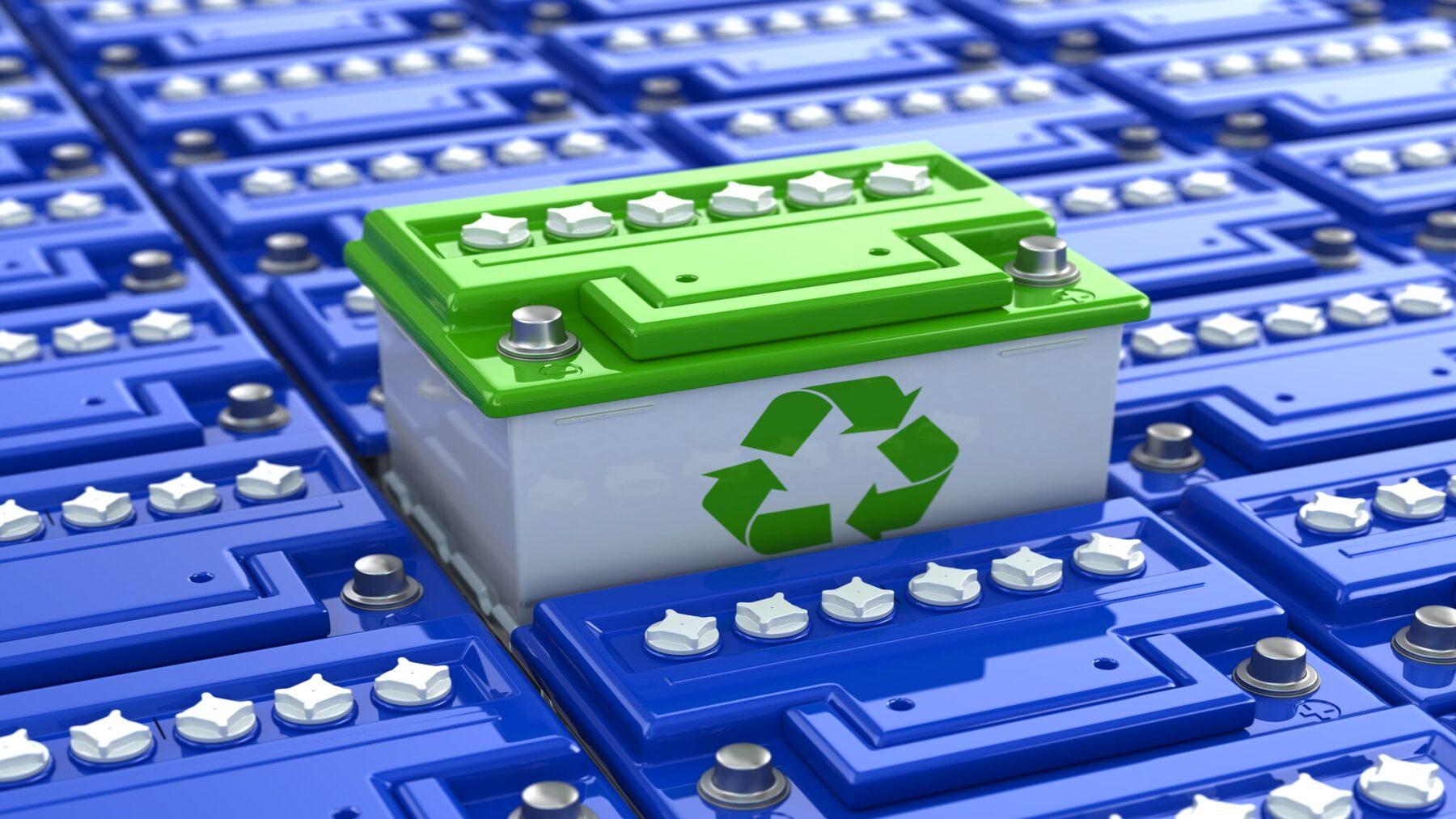
Porsche and Cylib close the loop with 100% recycled cathodes
Porsche has taken a significant step in the recycling of high-voltage batteries. Together with the German company Cylib, the Stuttgart-based manufacturer has produced cells whose cathode is made entirely from recycled material , without any mixture of virgin material. The lithium, nickel, cobalt, and manganese used in these cells were recovered from high-voltage batteries that the brand had removed from its Porsche Centers in Germany.
The process is based on hydrometallurgy, a technique that works in an aqueous medium and avoids the high temperatures typical of pyrometallurgy. Since May 2026, batteries reaching the end of their useful life have been treated with this innovative method. The resulting materials are recorded in a dedicated materials account and will be available from 2028 onwards for the production of new cells.
Initial tests suggest the approach is technically feasible. Full results are expected in the second half of 2026. If expectations are met, these recovered materials could be used in mass production cells, reducing reliance on raw materials from mining.
BATTIA: a Basque commitment to its own technology
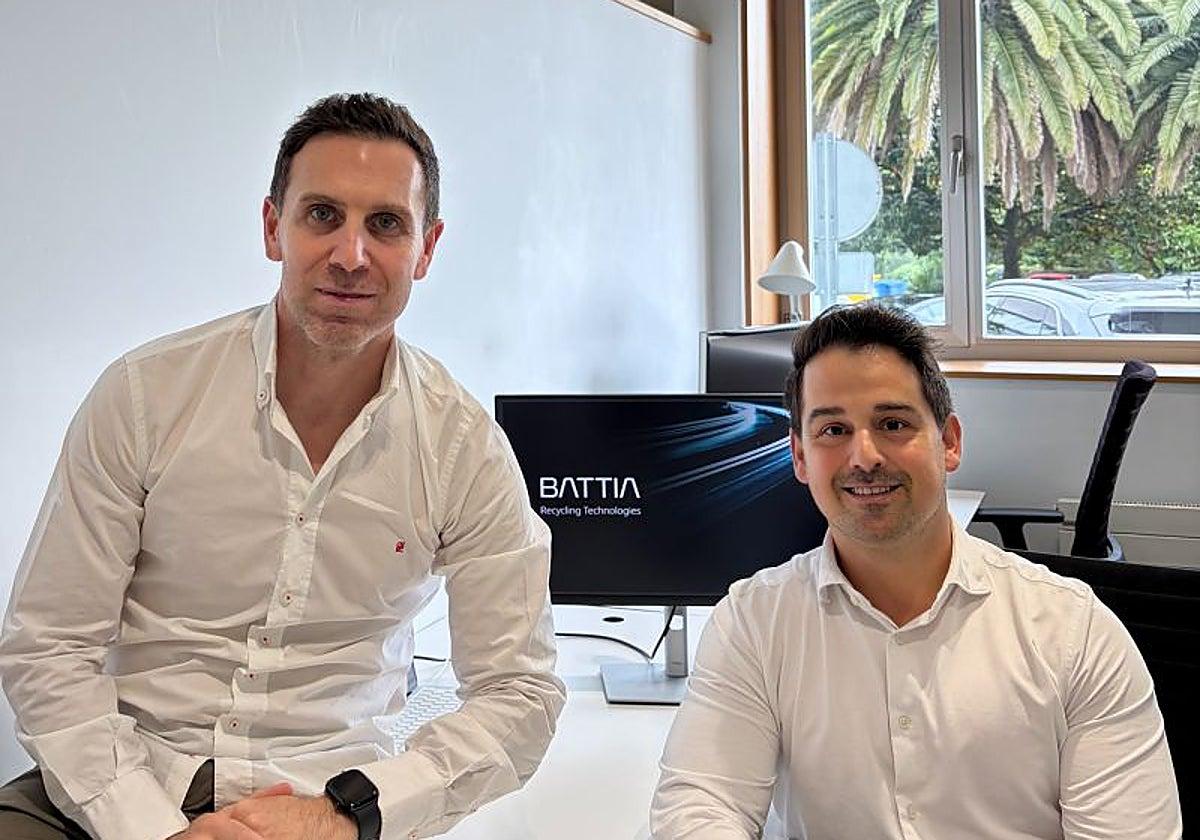
In the Basque Country, the deeptech startup BATTIA has established itself as one of the projects in Spain receiving the most public funding for the recycling of electric car batteries . Founded in 2025 as a spin-off of the research centers Ceit and Tekniker, it has obtained €7,8 million from the Renocicla program , promoted by IDAE with NextGenerationEU funds.
BATTIA plans to build a recycling plant in Gipuzkoa by 2029. Its technology combines advanced robotics, artificial intelligence, and sustainable hydrometallurgy to recover lithium, cobalt, nickel, and manganese from end-of-life electric vehicle batteries. One of its key advantages is that it does not produce black mass as an intermediate product, thus avoiding the restrictions imposed on this hazardous waste by new European regulations.
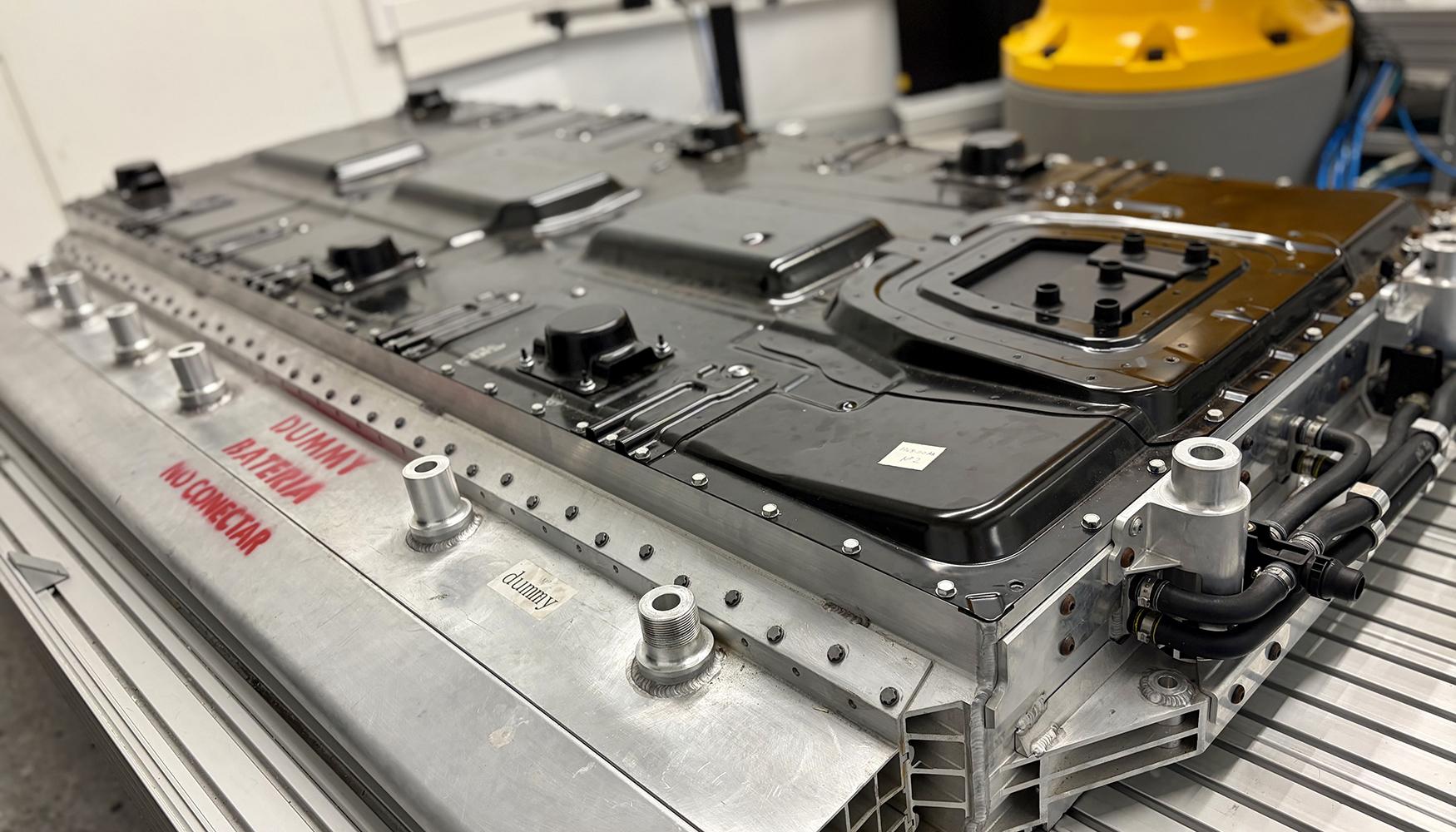
RECRIT-CV: Valencian research to recover critical metals
Four Valencian technology centers have joined forces in the RECRIT-CV project, which aims to transform lithium-ion batteries and electronic waste into raw materials for industry. ITE, AIDIMME, AIMPLAS, and ITC are working on developing technologies to recover metals with purities exceeding 95%.
The project covers the entire lifecycle: automated dismantling, component separation, advanced hydrometallurgy, and purification. The recovered materials will be tested in real-world applications, such as prototype battery cells, ceramic pigments, and conductive coatings for electronics. The goals are ambitious: to recover more than 80% of lithium, nickel, manganese, cobalt, and rare earth elements such as neodymium, praseodymium, and dysprosium.
The European regulatory framework is driving this initiative. Each EU citizen generates more than 16 kilos of electronic waste per year, and in Spain the figure is around 19 kilos. Batteries from mobile phones, scooters, and electric vehicles account for a key portion of the materials that Brussels considers critical for the energy transition.
The digital battery passport will set the pace
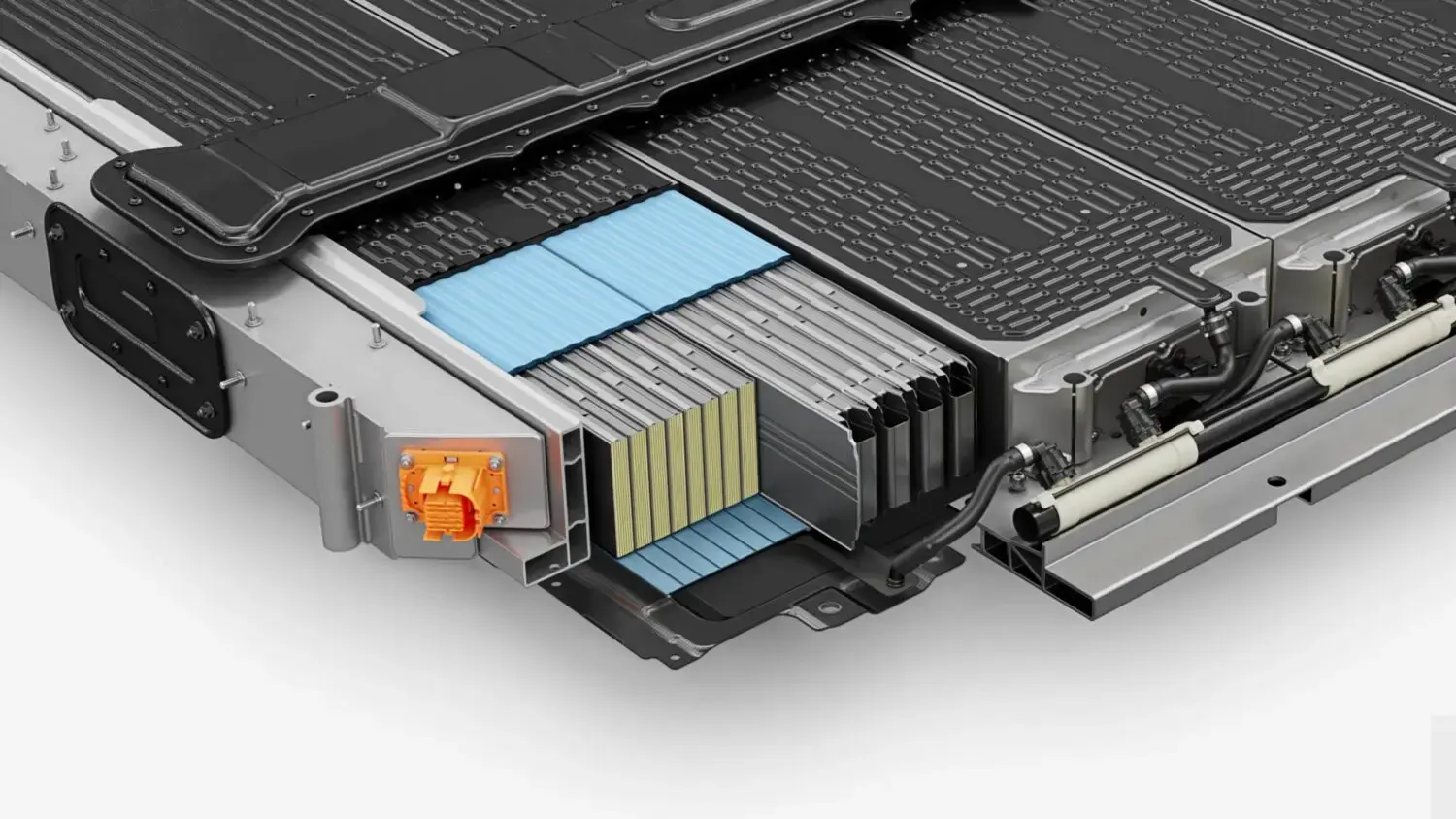
The digital battery passport will come into effect in the European Union on February 18, 2027. This electronic registry, which will apply to all electric vehicle and industrial batteries larger than 2 kWh, will document the complete traceability of the product , including its chemistry, lifecycle status, and recycled content.
This tool will be key to ensuring that recovered materials are reintegrated into the production chain in a verifiable way. The digital passport is not just an administrative requirement, but a mechanism to build consumer confidence and allow companies to demonstrate their compliance with recycling targets.
The European Commission's assessment in September 2026 confirmed that the current targets do not require modification. The next review must take place no later than August 18, 2031, although the Commission has committed to monitoring scientific and market developments for future updates.
The need to expand European capacity
The future of battery recycling in Europe lies in industrial-scale production. Forecasts for 2035 indicate that Europe will need to increase its recycling capacity by more than 1 million tons , a scenario shaped by regulatory pressure, the increasing penetration of electric vehicles, and the need to reduce dependence on foreign sources for critical raw materials.
The new European regulation will also establish restrictions on cross-border shipments of black mass to countries outside the OECD. From November 9, 2026, Delegated Decision (EU) 2025/934 will require treatment facilities to guarantee, by contract, the safe management of this waste, equivalent to EU standards.
Companies like BATTIA, RECRIT-CV, and Porsche's projects with Cylib demonstrate that advanced battery recycling is technically feasible. The combination of artificial intelligence, robotics, and sustainable hydrometallurgy allows for the recovery of materials of sufficient quality to reintroduce them into the production chain. The path is clear, and the goals are ambitious: to ensure that the batteries of the future are increasingly manufactured with materials already circulating in the European economy.