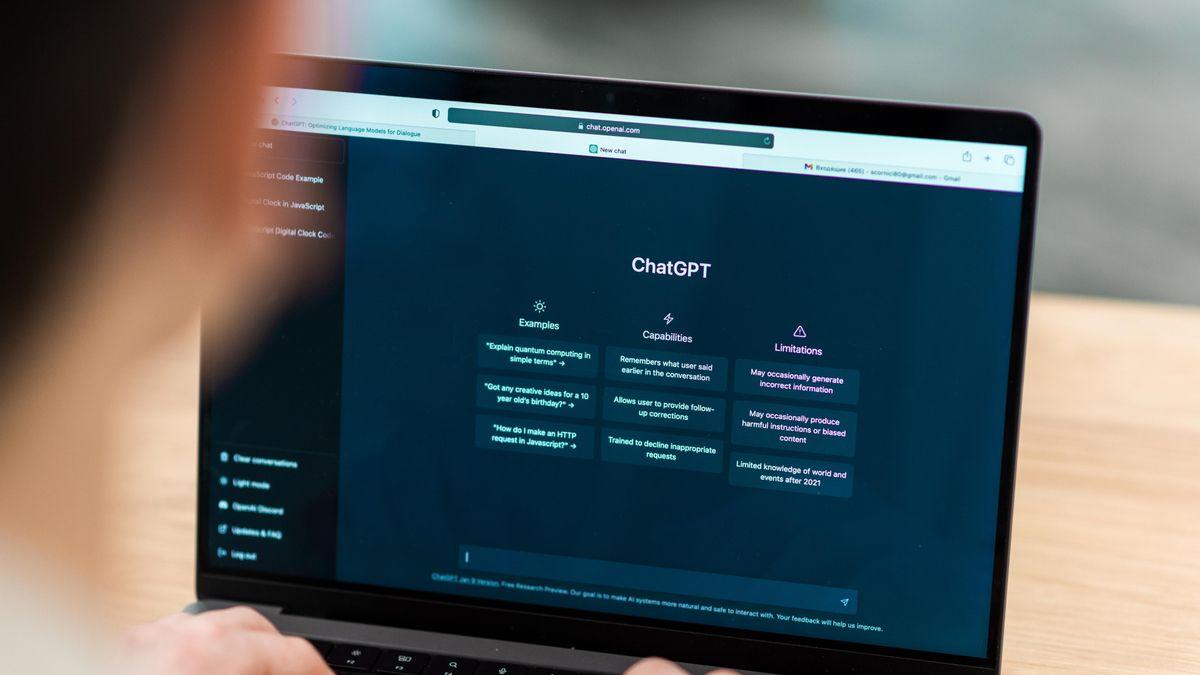
Artificial intelligence is no longer the exclusive domain of a handful of computer experts; it has become a tool that half of Spain carries in its pocket. ChatGPT, the popular chatbot developed by OpenAI, achieved an unprecedented feat by surpassing the 1.000 billion monthly active user mark last May. This figure is not just an impressive statistic to boast about in investor presentations; it confirms that this technology has deeply permeated society in record time.
Despite its seemingly complete success, this meteoric growth has not been without controversy and has stirred up strong reactions in various sectors. While millions of people use it to streamline their daily work or resolve existential questions, critical voices continue to sound loudly, warning of the ethical dangers and potential job displacement that this massive automation could bring. The phenomenon has become so significant that it has gone from being a mere technological curiosity to becoming a fundamental infrastructure of the modern digital economy.

A growth that leaves the giants of Silicon Valley in the dust.
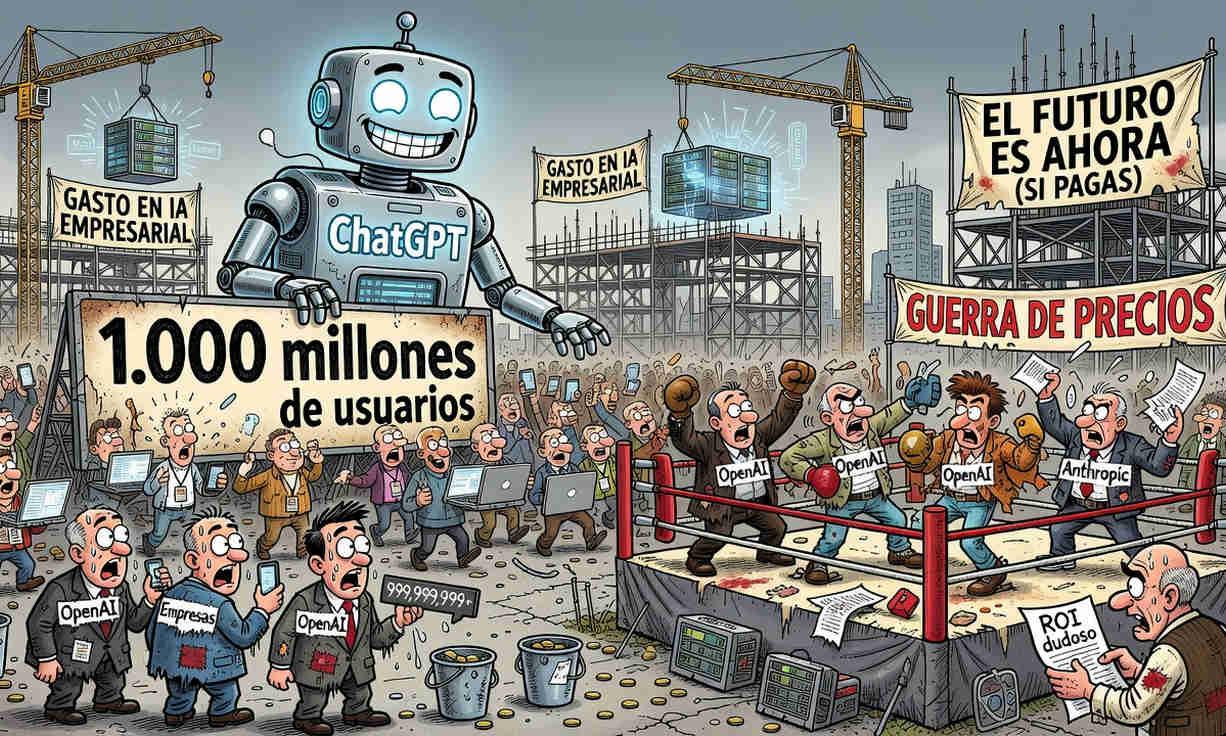
What's most striking about this milestone is the speed at which it has occurred. According to data from analytics firms like Sensor Tower, OpenAI's application took just three and a half years from its launch in late 2022 to reach ten figures. To give you an idea of the scale of this achievement, Google Maps took almost five years to reach a similar user base, clearly demonstrating that interest in generative AI has spread like wildfire across the globe.
This rate of adoption is unprecedented, even compared to social networks that once seemed explosive. OpenAI has played its cards right, and while they don't always reveal details about their internal data, back in February they announced that they had over 900 million people connected weekly . This competitive advantage has allowed them to weather the storm even as public sentiment has soured due to concerns about privacy and the use of personal data.
However, massive success doesn't mean OpenAI is alone in the park. Other competitors are already making their presence felt, eager to take on the market. Applications like Google's Gemini and Meta AI are gaining ground at a dizzying pace, especially in percentage terms, suggesting that the smart assistant market is becoming increasingly diverse and demanding.

Competition is fierce, and the ethical factor comes into play.
Although ChatGPT remains the undisputed leader, its rivals aren't exactly sitting idly by. Claude, developed by Anthropic, has seen its monthly usage grow by 640% in the last year, while Meta AI has jumped by 973%. While they started from more modest figures, the trend is clear: users are seeking alternatives with different approaches , whether due to increased security concerns or for tools better suited to their specific needs.
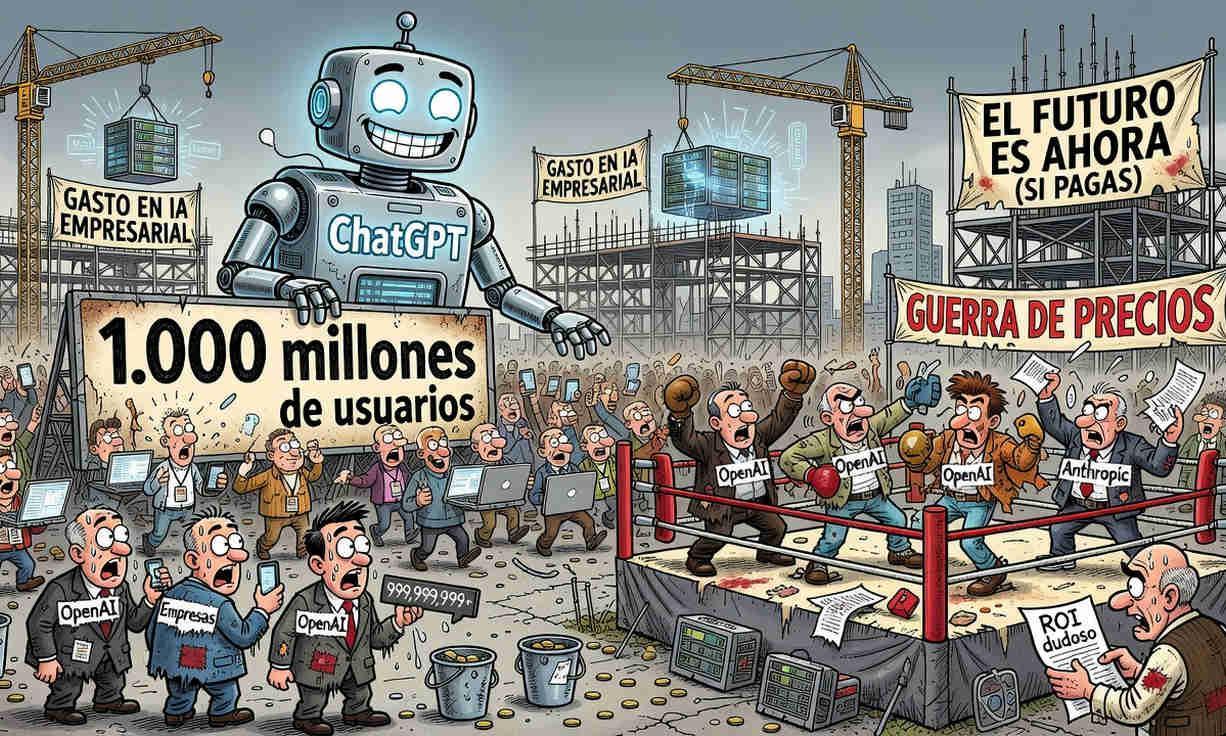
A curious turning point occurred a few months ago when it was revealed that OpenAI had signed an agreement with the Pentagon. The reaction was swift, and many people, concerned about the military use of this technology, decided to uninstall the app and try their luck with other options. At that moment, Claude jumped to the top of the download charts in the US App Store, demonstrating that users are increasingly vigilant about the values upheld by the companies to which they entrust their time and data.
This fiercely competitive landscape is also playing out on the stock market. Both companies are making moves to go public, a maneuver aimed at raising an obscene amount of money to continue maintaining data centers that consume resources at an alarming rate. In Europe, where regulations are stricter, this growth is being closely scrutinized, with efforts to balance innovation with protecting citizens' rights.

Where is the real benefit of all this technology?
Beyond the sensational headlines about 1.000 billion users, there's a question keeping financial analysts up at night: Is all this profitable? Despite generating billions in revenue, the cost of keeping these machines running is so high that companies in the sector could spend a trillion dollars on infrastructure next year. It's far from clear how many of those free users will eventually pay for premium or enterprise versions.
In many offices across the country, questions have already begun to arise about whether investment in AI truly translates into tangible benefits. While studies suggest that employees using these tools save up to a day of work per week , there's still a long way to go before that time saving is clearly reflected in the bottom line. The price war among providers isn't helping to stabilize the market, as margins are shrinking while operating costs remain sky-high.
The future seems to be heading towards a model where AI is not just a tool for making queries, but a system capable of autonomously executing complete tasks through AI agents . This transition to so-called intelligent agents promises to revolutionize business productivity , but it will also force a complete redesign of work processes as we know them today. The question is no longer whether AI is useful or not, but rather who will be able to integrate it most efficiently into their business without losing sight of ethical principles.
At the end of the day, the milestone of reaching so many people in such a short time is an unmistakable sign that artificial intelligence is here to stay and will become part of our social fabric. ChatGPT has opened a door that can no longer be closed, leading a race in which success will not be measured solely by the number of downloads, but by the ability to generate real and sustainable value that convinces both everyday users and large corporations, all within an environment of ever-increasing competition and social surveillance.

Table of Contents