

Humanoid robots have gone from being a science fiction promise to an industrial reality . In recent years, the sector has experienced spectacular growth, with China as the main driver. According to industry data, the global market reached 13.000 units sold in 2025, and forecasts point to exponential growth.
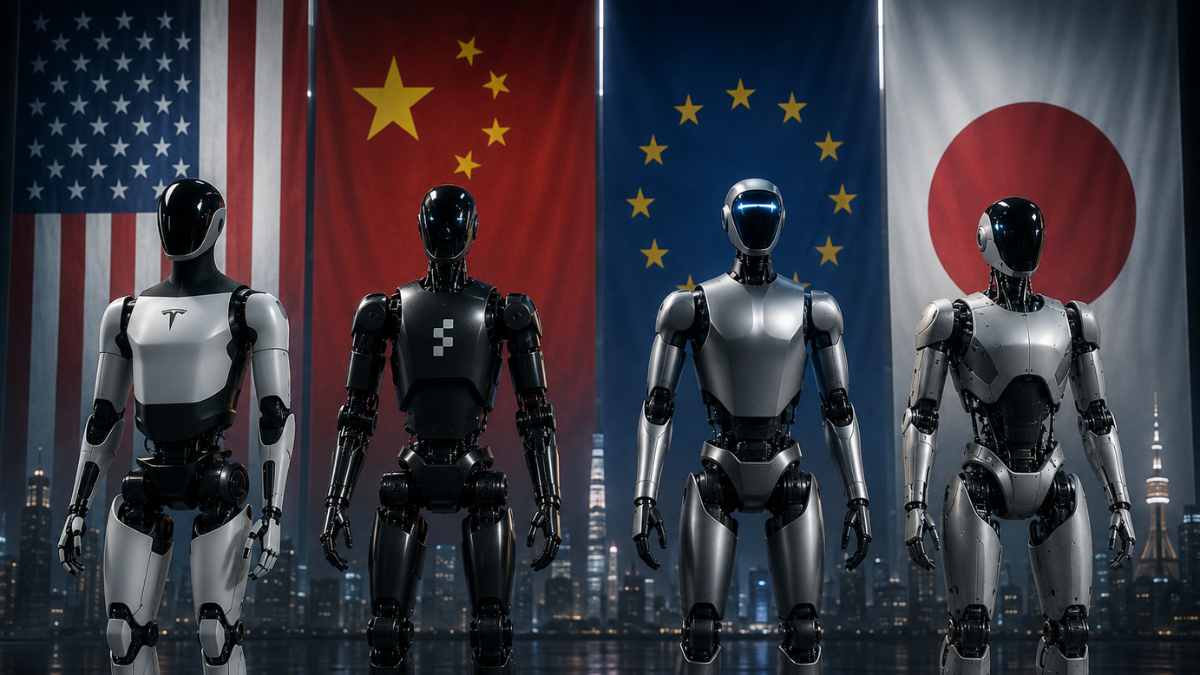
The race to dominate this technology pits not only companies against each other, but entire countries. While China accelerates its production and deployment, Europe tries to find its place in an ecosystem dominated by Asian and American giants. The question is no longer whether humanoid robots will be useful, but who will manufacture them on a large scale first.

China, the undisputed leader
China has established itself as the leading producer and consumer of humanoid robots. According to Barclays reports, Chinese companies accounted for approximately 85% of global sales by 2025. Hangzhou-based Unitree Robotics is one of the most prominent companies, having sold over 5.000 units last year. The firm, founded by Wang Xingxing, has achieved significant cost reductions and increased production .
The forecasts are even more ambitious. Morgan Stanley has revised its estimates for China upwards, from 14.000 to 50.000 shipments in 2026. This growth is supported by a local supply chain that allows for lower component costs, as well as strong government backing. The Asian country has made robotics a strategic priority , with plans to install thousands of robots in factories, hospitals, and homes.

The training of robots

For these robots to be truly useful, they need to learn how to operate in real-world environments. China has launched so-called "training schools" for humanoid robots, where hundreds of machines practice everyday tasks such as folding laundry, sorting packages, and manipulating objects. These centers, like the one in Shijingshan, Beijing, employ human instructors who guide the robots using motion-capture suits and virtual reality.
The goal is to generate millions of data points to feed artificial intelligence models. Once trained, the robots can perform tasks with a productivity close to 70% of that of a human worker. This massive training is key for humanoid robotics to reach factories and cease being a spectacle, becoming a viable economic tool.

Europe seeks its niche
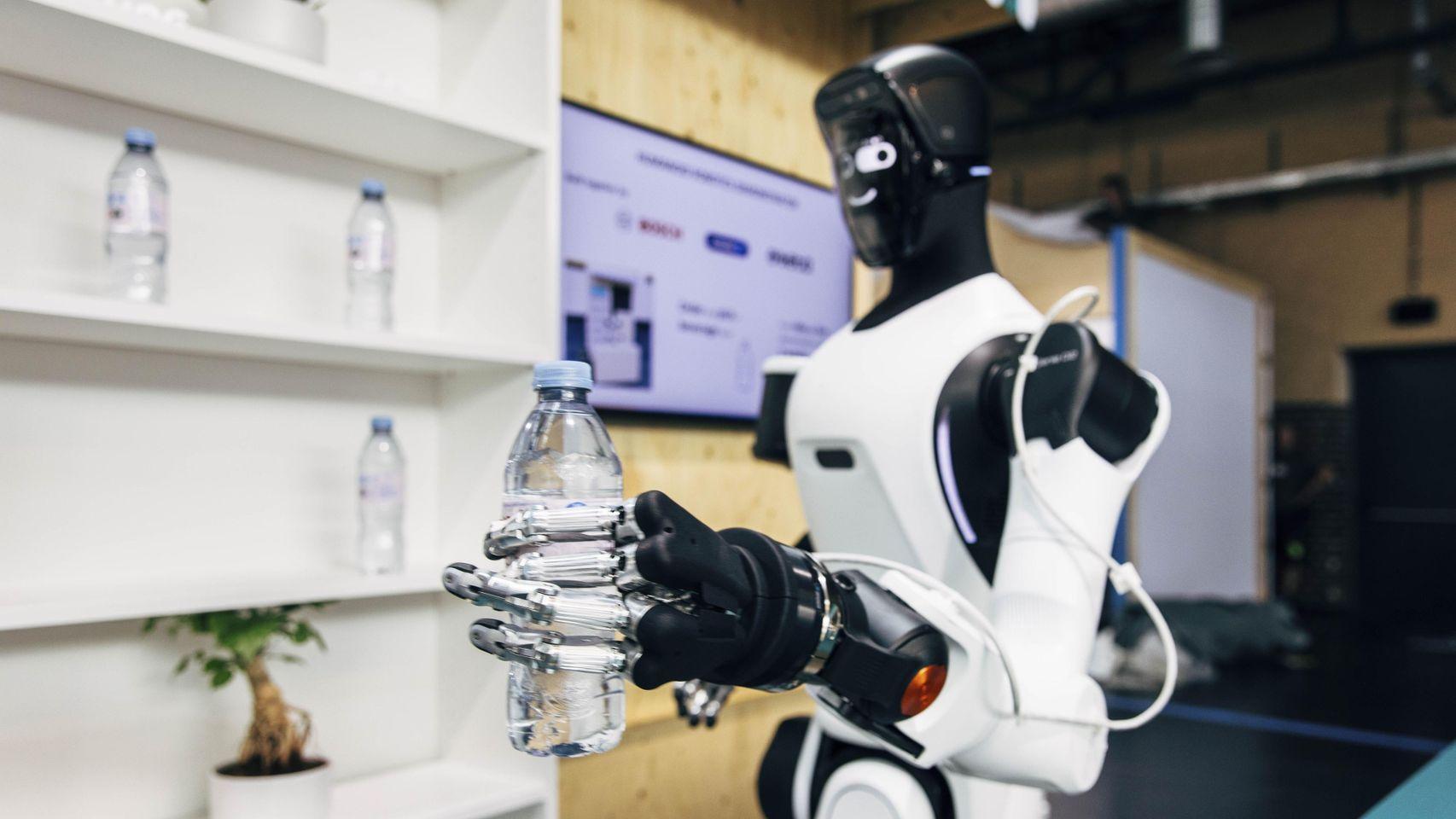
Europe doesn't want to be left behind in this revolution. Although China and the United States dominate manufacturing and artificial intelligence, the continent boasts a strong tradition in precision engineering. Companies like Bosch are developing sensors and actuators that are essential for robot movement and perception. According to Mathias Pillin, CTO of Bosch, Europe can play a crucial role by combining its industrial expertise with AI.
Furthermore, several European startups are working on humanoid robots for industrial and service applications. Spain, for example, has initiatives in Barcelona and projects like the humanoid technology hub in Vigo , which have been researching in this field for years. The key for Europe will be to translate its research into large-scale production, a challenge that requires investment and public-private collaboration.
In short, humanoid robotics is experiencing an unprecedented boom. China leads in production and training, with forecasts of tens of thousands of units this year. Europe, for its part, is focusing on quality and precision to carve out a niche in a market that promises to transform the global economy. The race has only just begun, and the coming years will be crucial in determining who will prevail in this new technological frontier.
