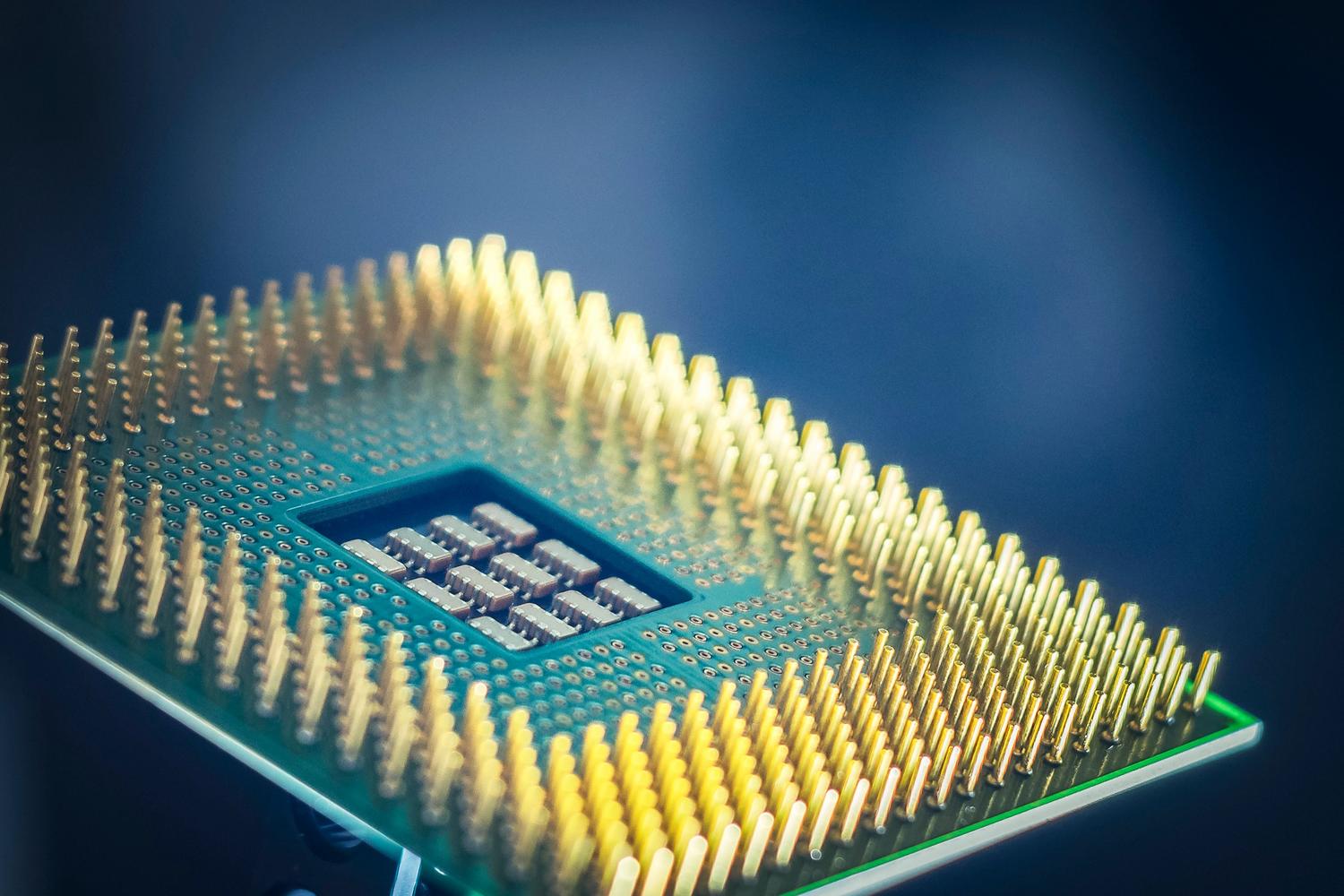
The personal computing landscape is undergoing a complete transformation. For decades, we've taken it for granted that the brain of any laptop or MiniPC had to be an x86 chip, but now we're experiencing an unprecedented technological upheaval where new architectures are vying for dominance.
It's no longer just about who has more cores or who reaches higher GHz, but about how energy is managed and how artificial intelligence is integrated directly into the silicon. From Intel's hegemony to the aggressive emergence of NVIDIA and Qualcomm, the market has fragmented into very different offerings for very different users.

The x86 stronghold: Intel and AMD
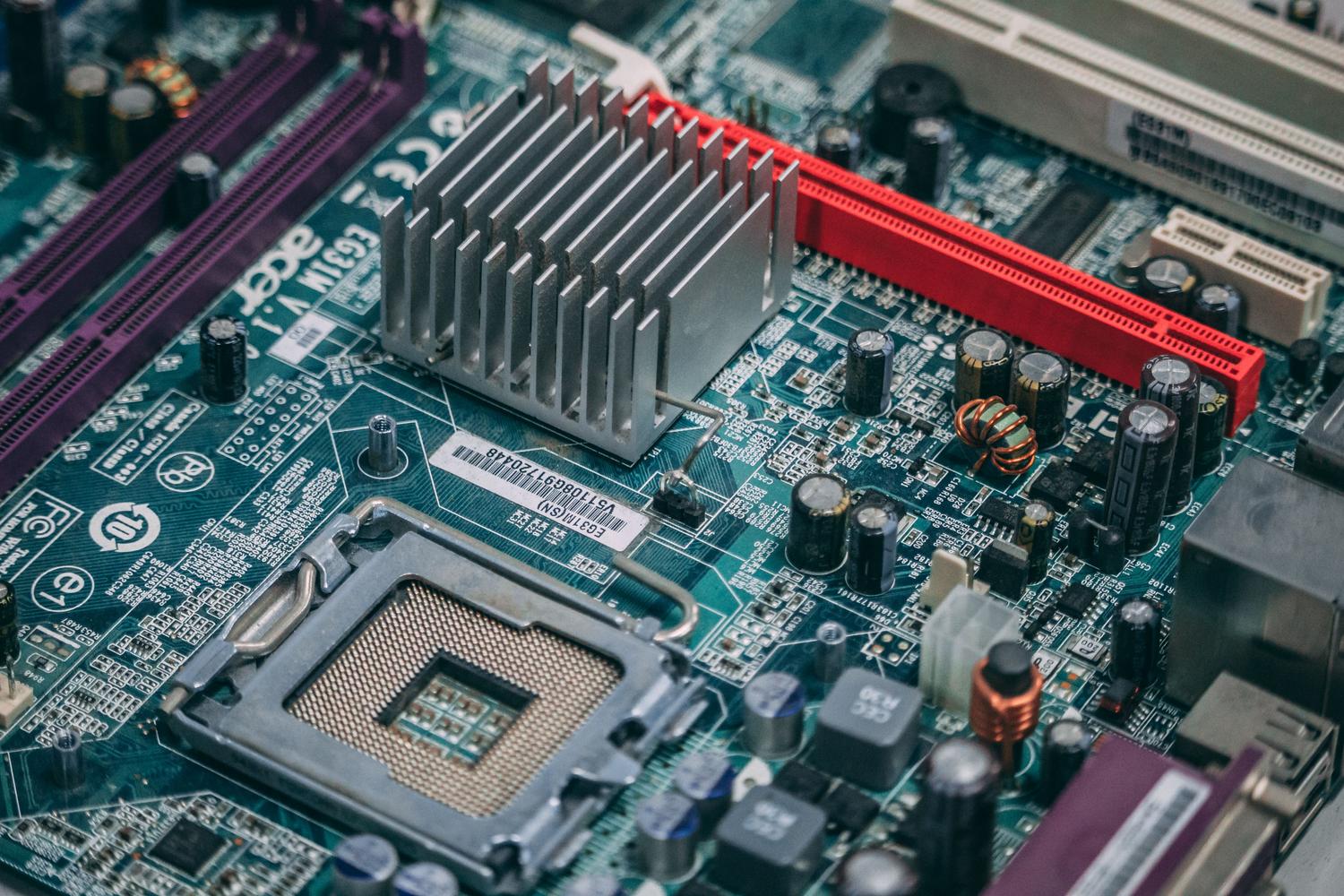
For years, Intel has been the name that comes to mind when we think of power. Its processors, based on the CISC architecture, are designed to handle complex tasks with very comprehensive instructions, making them unbeatable in legacy software and closed professional environments. Although they have made progress in efficiency, their Achilles' heel remains energy consumption and the dreaded thermal throttling in very compact systems.
For its part, AMD has played its cards right with the Zen 4 and Zen 5 families. The most interesting thing is that the difference between a desktop chip and a laptop chip has been drastically reduced; they now share much of their DNA and components , differing mainly in the socket type and supported TDP . Both giants dominate the heavy gaming and workstation markets thanks to full compatibility with Windows, avoiding any kind of emulation.
The ARM revolution: Qualcomm on the attack

This is where things get interesting. Qualcomm has moved beyond being solely the king of smartphones and is now fully committed to laptops with the Snapdragon X Elite and X Plus. By using ARM architecture (based on RISC), these chips perform tasks more simply and efficiently, allowing a laptop battery to last up to two days without needing to be recharged.
While Windows on ARM initially seemed like a case of "wanting to but not being able to," its current maturity is astonishing. Thanks to Microsoft's refinement of emulation in Windows 11 and the increasing number of native applications , the performance gap has narrowed. In fact, in multi-core tests, some Snapdragon processors are outperforming Intel's Core Ultra, leveraging the Snapdragon DevKit for Windows and its dedicated NPUs.

NVIDIA: The new player that wants to control everything
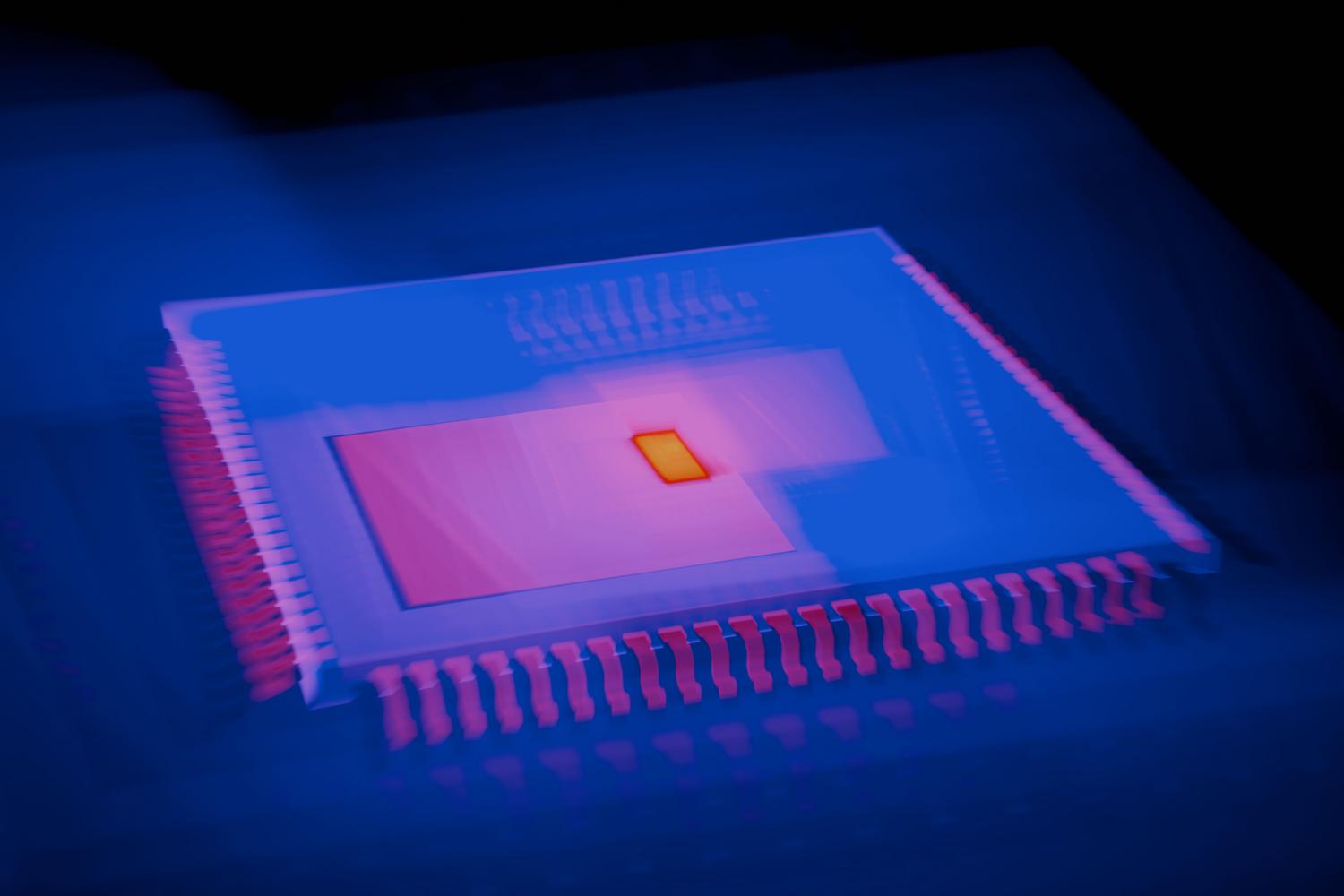
Just when we thought we'd seen it all, NVIDIA dropped a bombshell: the RTX Spark platform. They're no longer content with simply selling you a graphics card; now they want to put their own ARM-based CPU (developed in collaboration with MediaTek) at the heart of your PC. This superchip combines a 20-core processor with the Blackwell graphics engine, directly targeting local generative AI.
NVIDIA's strategy is clear: target the most expensive and powerful segment. While Qualcomm seeks to democratize ARM with more affordable options like the Snapdragon C, NVIDIA wants professionals to run language models (LLM) without relying on the cloud, offering unified memory up to 128 GB. This is a direct blow to Intel, as NVIDIA brings not only power but also a software ecosystem (CUDA, DLSS) that creators and gamers already love.
Which is the best option according to the user profile?

If you're someone who wants simplicity and needs all your software to work flawlessly from the start, Intel remains the safe bet. For developers using x86 virtual machines or video editors relying on highly specific plugins, the traditional architecture is the way to go. Furthermore, the ease of connecting an external GPU (eGPU ) via Thunderbolt continues to be a clear competitive advantage.
- Digital nomads and students: Qualcomm is the logical choice because of its brutal battery life and instant startup.
- AI Enthusiasts and Pro Creators: NVIDIA's proposal with RTX Spark is the future of rendering and local AI.
- Gamers and technical profiles: Intel and AMD maintain their crown thanks to their raw performance and native compatibility.
The financial battle is also brutal. While Intel struggles to maintain stable revenue, NVIDIA is swimming in cash, allowing it to invest astronomical sums in R&D. This has led to even companies like Arm Holdings benefiting enormously, as its architecture has become the foundation upon which NVIDIA and Qualcomm are building the new PC world.
The market has transformed from a monopoly to an ecosystem where you can choose between the proven reliability of x86 or the disruptive efficiency of ARM . While Intel and AMD defend their established territory, Qualcomm and NVIDIA are redefining the rules of the game, prioritizing artificial intelligence and energy efficiency so that our computers behave more like hyper-powerful mobile devices than the cumbersome boxes of yesteryear.