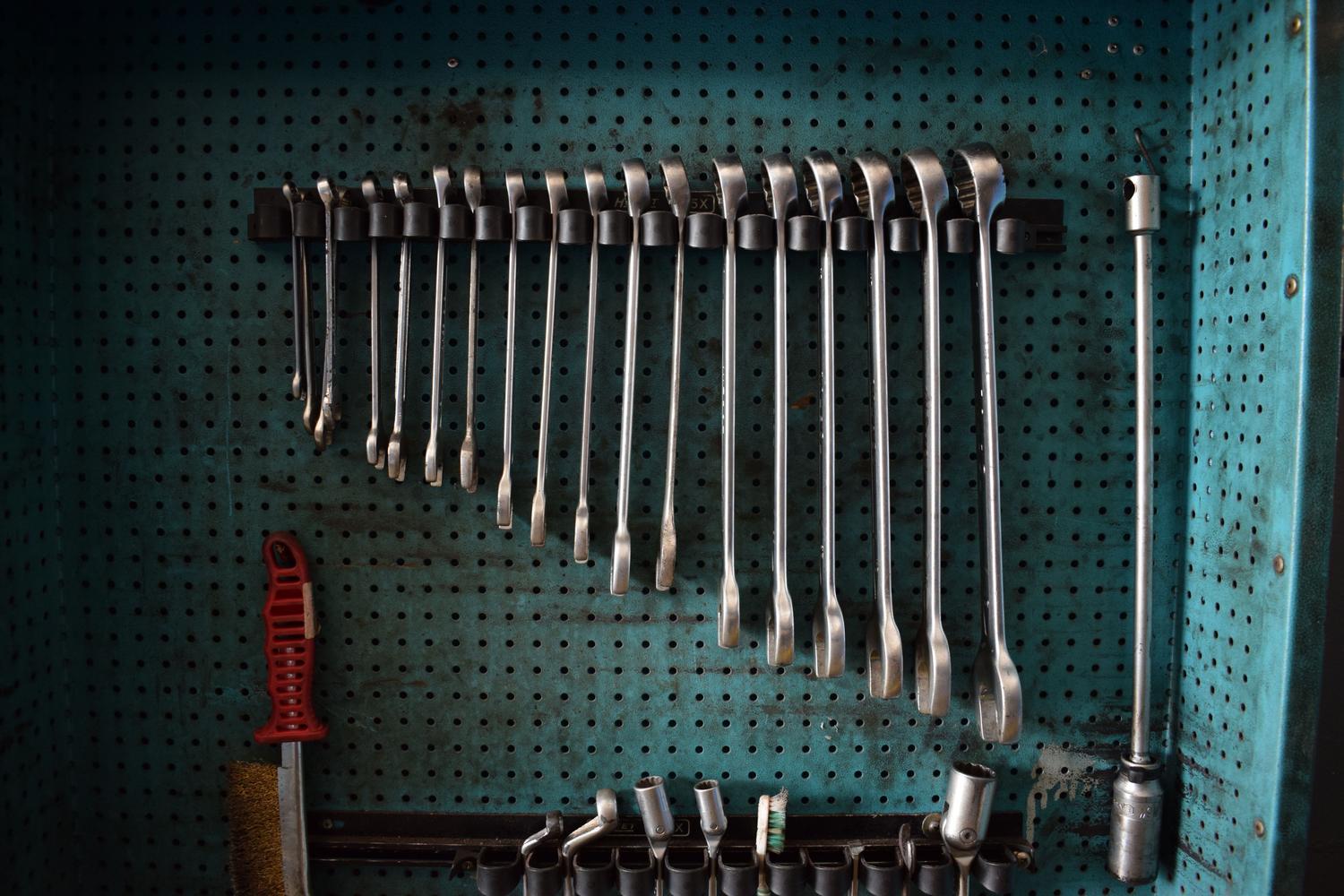
It's probably happened to you: you're about to start a critical task, and suddenly, the specific screwdriver or measuring kit that should be there has vanished. It's not just a passing inconvenience; in the industrial world, lost tools are a structural problem that drains the budget and puts delivery deadlines at risk. When materials don't return to the warehouse or are left behind at a customer's site, the company not only loses money on replacements but also suffers a sharp drop in efficiency.
To combat this chaos, simply carrying a notebook or relying on the team's memory is no longer enough. A professional approach to operational asset management is needed , one that combines physical organization with digital intelligence. From vending machines to smart labeling, strategies exist that allow you to know exactly who has what and where it is located, preventing workflow from being disrupted by a trivial oversight.
The real impact of not controlling the work team

Many workshop managers see missing materials as "the cost of doing business," but the reality is much harsher. It's estimated that 15% of tool expenditure is due to loss and misplacement. This translates into recurring purchases of items that already exist but no one can find, generating absurd duplication of expenses.
Beyond the financial aspect, there are risks that can be catastrophic. In sectors like aeronautics or nuclear energy, a tool left inside a turbine or engine can cause very serious accidents or losses amounting to millions of dollars . For this reason, there are critical areas called FOD (Foreign Object Danger) zones where absolute control must be maintained to prevent any foreign object from causing a disaster.
Consequences of using defective or obsolete tools
It's not all about physical losses; the condition of the equipment matters too. Working with laptops that take forever to boot up or machinery that constantly breaks down leads to profound demotivation in employees . When a worker feels that the company isn't investing in decent resources, they lose commitment and are much more likely to end up looking for another job.
Furthermore, technological inefficiency leads to an alarming waste of time . Studies indicate that up to 120 hours are lost annually due to slow equipment. This not only affects the quality of the final product but can also encourage employees to use their own devices, creating security gaps in corporate data that could be avoided with a comprehensive hardware analysis guide and proper equipment upgrades.

Strategies to reduce theft and loss
To curb disappearances, it's vital to implement a robust management system. The first step is to conduct a thorough, digitized inventory , assigning each piece of equipment to a responsible person through signed loan agreements. If the employee knows they are the legal custodian of the equipment, their care increases significantly.
Regarding physical security, we mustn't be naive. Implementing biometric access controls or secure locks in warehouses, along with camera surveillance, deters internal theft. It's also crucial to foster a culture of transparency that encourages reporting irregularities without fear of retaliation, while making it clear that confirmed theft can lead to serious disciplinary action.
Modern methods of control and traceability

Manual control is dead. Today, RFID (radio-frequency identification) technology allows chips to be placed on each tool to automatically record movements between the warehouse, the vehicle, and the customer. This eliminates the need for manual data entry and enables instant alerts if a piece of equipment fails to return to its base at the end of the day.
Another highly effective option is tool vending machines. Inspired by the concept of quick access, these machines manage inventory digitally , ensuring that the operator only takes what they need and leaving a permanent record of the transaction. For those seeking something simpler, there are visual displays, organizing carts, and customized toolboxes that allow for the detection of missing tools at a glance.

Steps to flawless operational management
- Smart identification: Use QR codes, NFC, or RFID tags to make each asset non-anonymous and traceable.
- Periodics inspections: It is not enough to inventory once a year; random audits must be carried out to verify that the software matches the physical reality.
- Preventive Maintenance: Establish a schedule of inspections to prevent a defective tool from causing an accident or operational delay.
- Staff training: Teach technicians the correct use of equipment and the importance of following return protocols.
For all of this to work, it's advisable to use specialized management software . These tools allow you to centralize information in the cloud, replace paper checklists with digital forms, and automate action plans when equipment is found to need repair. By digitizing the process, you gain real-time visibility that eliminates endless calls asking, "Who has the wrench?"
The combination of a culture of responsibility, the adoption of traceability technologies like RFID, and a smart physical organization allows a chaotic workshop to be transformed into a profitable operation. By reducing unnecessary purchases and optimizing technicians' time, the company not only saves money but also projects an image of professionalism and safety, which is essential for retaining talent and ensuring excellence in every service call.