
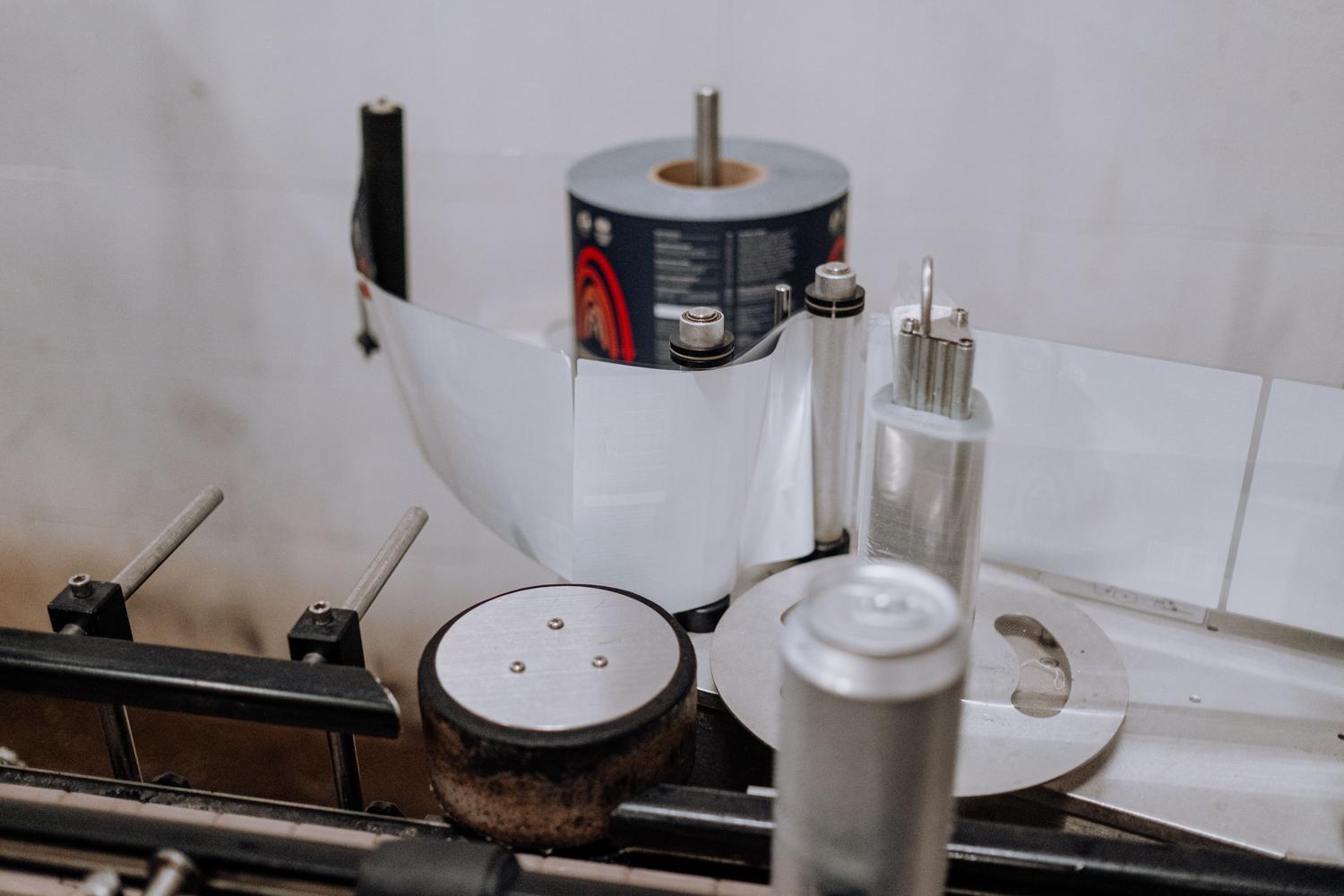
When we talk about automating labeling or depackaging, we can't leave anything to chance. In these production lines, where everything moves quickly, having a system that reliably detects each label is the difference between flawless work and chaos, wasted materials , and constant stoppages that jeopardize delivery deadlines.
To avoid these headaches, fork sensors have become the star tool. It's not just about adding another component to the machine, but about ensuring accurate and reliable counting even at high speeds, preventing labels from being misplaced or the system from crashing due to a reading error.
Technical characteristics and operation
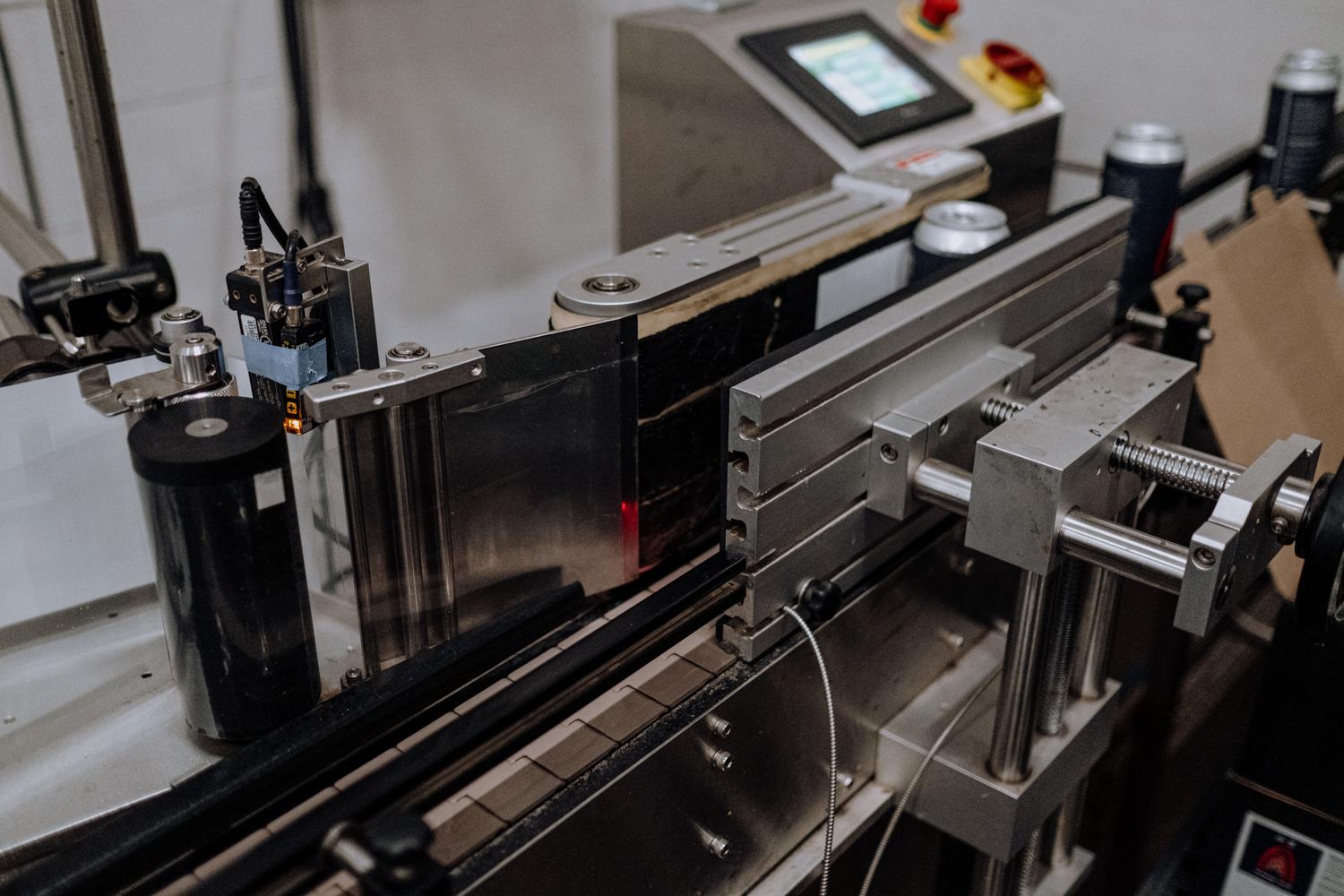
If we delve into the numbers, these devices are designed to withstand the rigors of industrial use. They operate on a supply voltage ranging from 12 to 30 V DC , making them highly versatile for integration into various industrial applications and electrical panels. Furthermore, their power consumption is quite moderate, remaining below 45 mA when operating at 24 V , so they don't place a heavy load on the power supply.
The real magic lies in its responsiveness. With a switching frequency of 400 Hz and a reaction time of just 1,25 ms , the sensor is able to "see" and process information almost instantaneously. This is vital for the label applicator arm to activate at precisely the right millisecond, eliminating any margin of error in placement.

Strength and safety in the factory environment
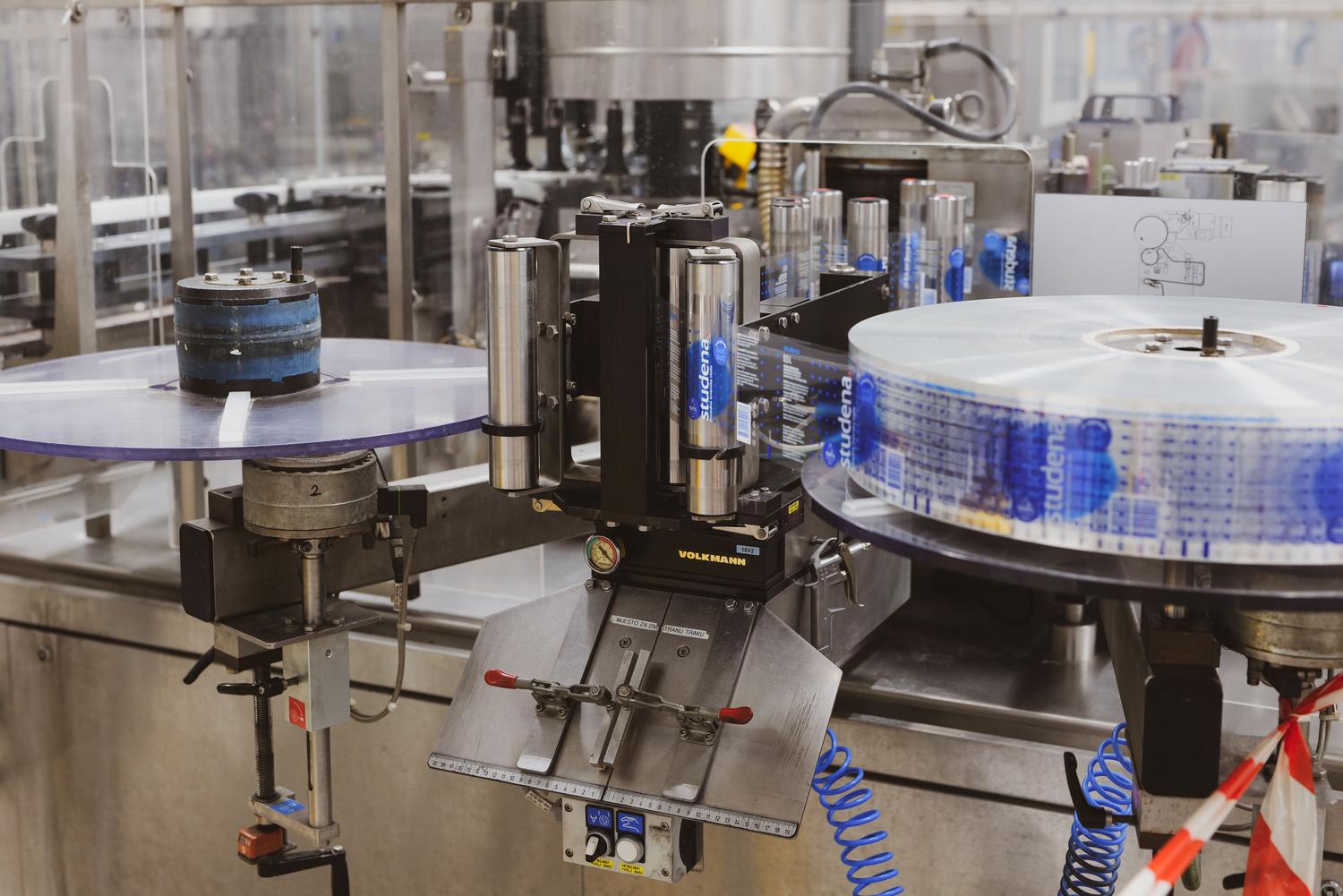
In a factory, things can get rough quickly, which is why these sensors are shielded. They have a Category III protection rating and are designed to operate in temperatures ranging from 0 to 50 °C , ensuring that ambient heat does not affect reading accuracy. Furthermore, the voltage drop at the switching output is minimal, remaining below 1,5 V.
- Switching current: It supports up to 250 mA, guaranteeing a clear and strong signal.
- Electrical protection: They include systems against short circuits and protection against polarity changes, preventing a wiring error from burning out the equipment.
Monitoring the flow of labels using these sensors allows the company to save a considerable amount of money, as material costs are drastically reduced . Since there are no application errors, there is no need to discard products or repeat processes, making the production line much smoother and more efficient.
Having a technology that combines ultra-fast response with robust electrical protections ensures that the automatic labeling process is a well-oiled machine, minimizing technical incidents and ensuring that each unit leaves the plant with the millimeter precision that the market demands today.
