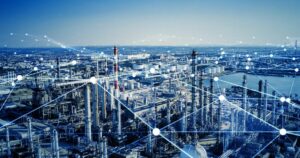
Running a factory today is no walk in the park. With such fierce competition, any lapse in concentration or a machine deciding to take the day off can result in a considerable financial loss. That's why industrial monitoring has become the heart of Industry 4.0 , allowing companies not only to react when something goes wrong, but also to anticipate problems so that production never stops.
It's not just about installing sensors for the sake of it, but about creating an ecosystem where data flows and tells us exactly what's happening in every corner of the plant. By integrating production planning and control , organizations achieve a perfect balance between the quality of the final product and the intelligent use of resources, preventing chaos from taking over the assembly line.

The art of real-time industrial monitoring

When we talk about monitoring, we're basically referring to observing and analyzing critical variables as they occur. Thanks to the implementation of IoT sensors, PLCs, and SCADA platforms , it's possible to have a precise picture of the machinery's condition. This is crucial because, instead of waiting for a part to break, we can detect abnormal vibrations or temperature increases that alert us to a problem, enabling much more effective industrial maintenance .
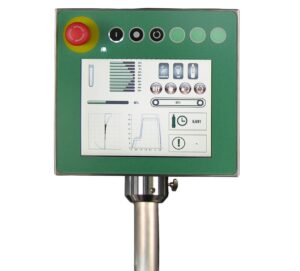
For this system to operate at peak performance, it must fulfill several essential functions. First, it collects data using sensors that measure pressure, flow rate, and energy consumption. Then, this information must be displayed on a visual interface, such as an MES system, where operators can see everything at a glance. Furthermore, it is vital to have automatic alerts that trigger instant notifications of any deviations, ensuring complete traceability from the moment raw materials enter the facility until the finished product leaves the facility.
The synergy between planning and operational control

Many people confuse planning with controlling, but they are two sides of the same coin. Planning is basically sitting down to decide what we are going to manufacture, how, and with what , based on market demand and plant capacity. Three levels come into play here: the strategic (long-term), the tactical (purchasing programs), and the operational (the daily roadmap).
On the other hand, production control is responsible for ensuring that the plan is followed precisely. If there is a deviation, control allows for adjustments to the plans on the fly to prevent a delay in one phase from affecting the entire order. This process is divided into logical steps: first, demand is forecasted; then, installed capacity is analyzed; the work schedule is programmed; the order is executed; and finally, thorough monitoring is carried out to correct any errors.
Key technologies: IoT, SCADA and the leap to Machine Learning
The Internet of Things (IoT) has revolutionized our understanding of factories. We no longer rely on operators to record data on paper; instead, machines communicate with each other and send information to central servers. This enables the application of machine learning , where the system learns to identify failure patterns. For example, in the automotive sector, engine parameters can be monitored in real time to refine performance and prevent unexpected cracks or breakages.

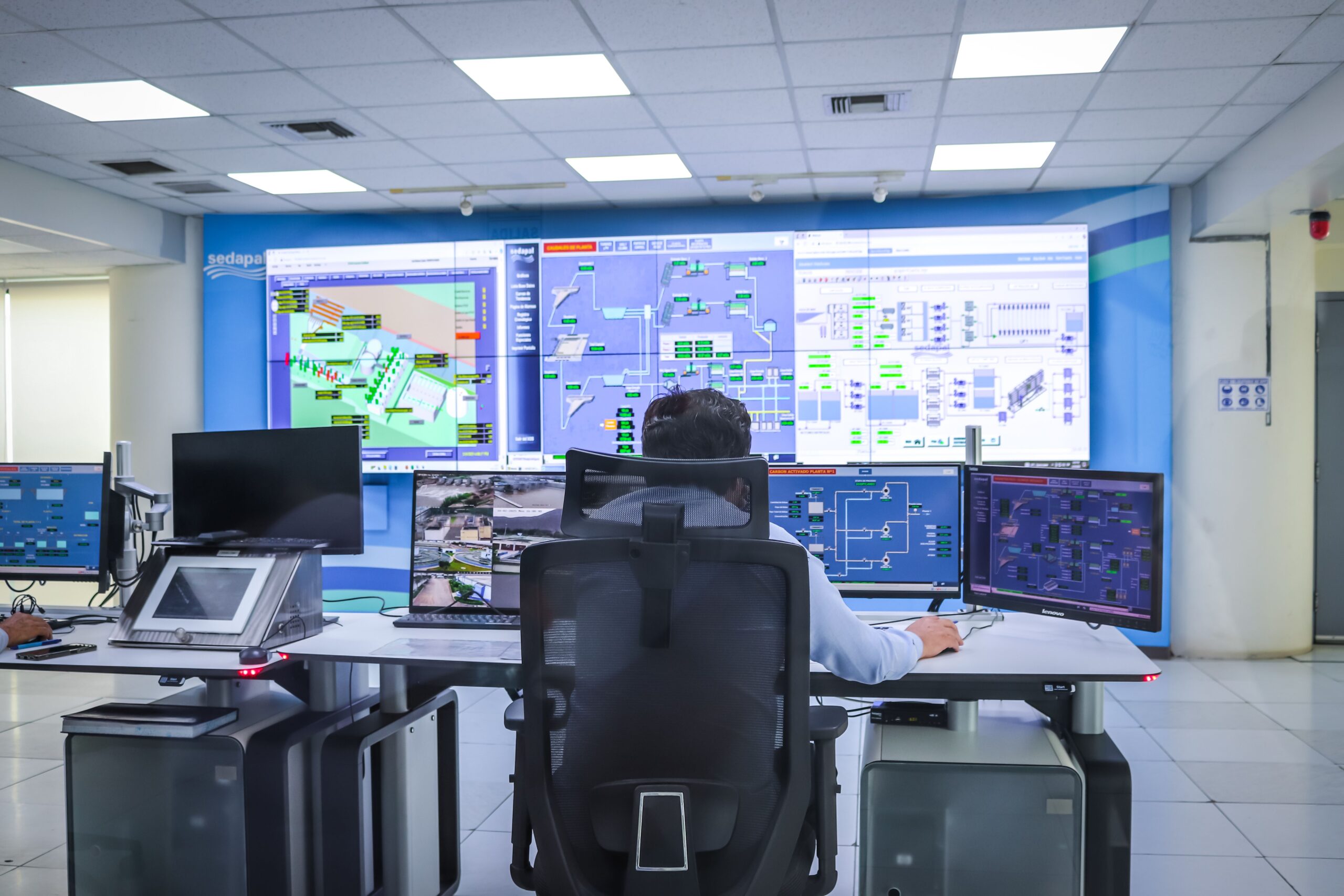
Using a SCADA system not only informs us, but also empowers us to intervene. Through an intuitive graphical interface, an operator can remotely stop or resume operations , drastically reducing downtime and improving workplace safety by preventing workers from being exposed to hazardous situations in critical environments such as oil refineries or chemical plants.
Tangible benefits and sectors where it is essential
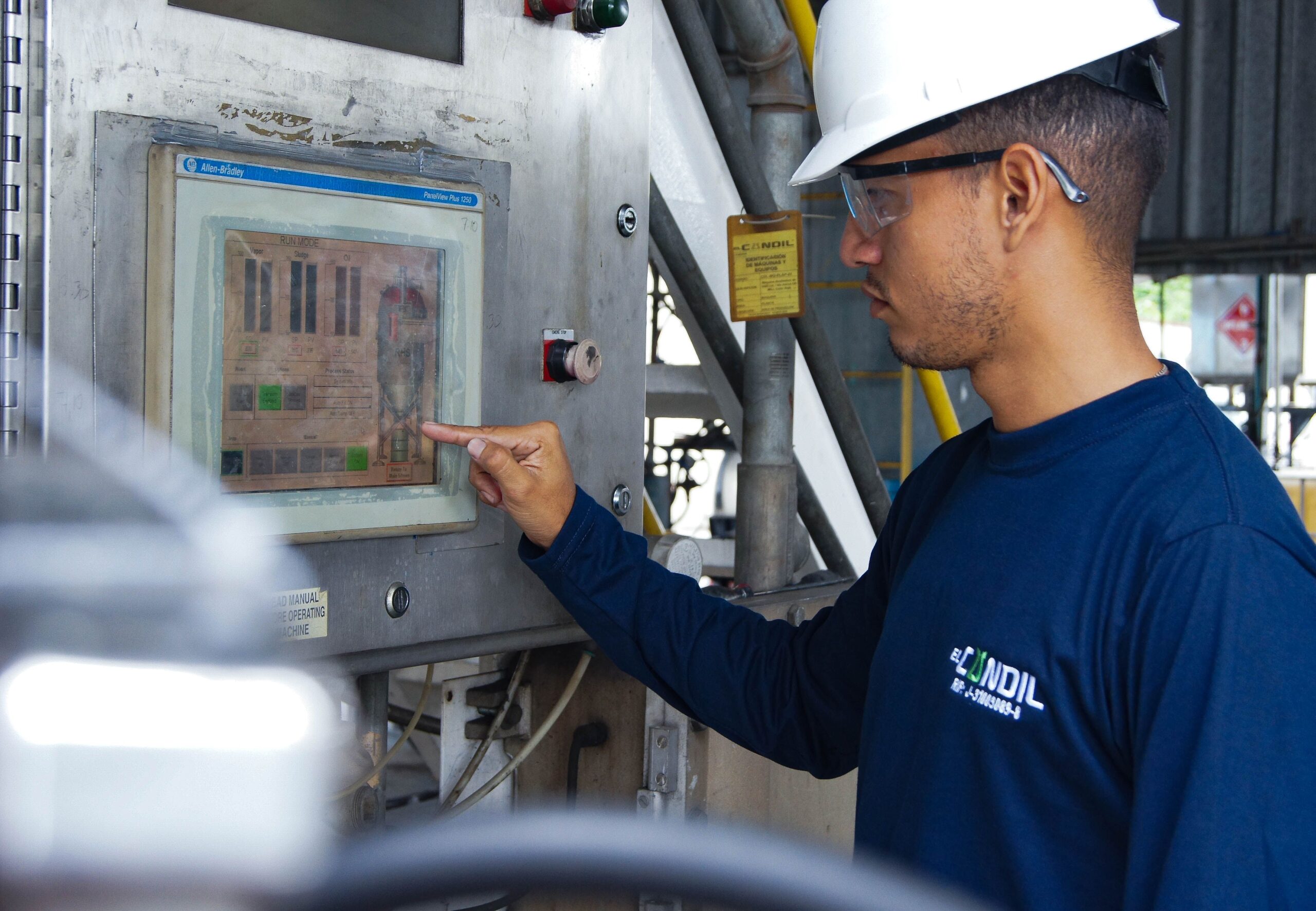
Implementing these solutions is not a technological whim, but an investment that pays for itself. Among the clearest advantages are the reduction of operating costs by avoiding material waste and the optimization of energy consumption. Furthermore, it guarantees that the final product always meets the same quality standards, eliminating the variability that often arises in manual processes.

- Food industry: Strict temperature and humidity control to prevent contamination.
- Pharmaceutical Sector: Absolute precision in chemical mixtures and reactions.
- Energy: Monitoring of voltages and currents to ensure efficient distribution.
- Manufacture: Material flow management to eliminate bottlenecks.
Overcoming challenges through digitization and ERP
Despite the advantages, many companies remain stuck in the past, using spreadsheets that don't communicate with each other. This disconnect between departments (sales, warehouse, and production) is the main reason for coordination errors. To solve this, it's essential to make the leap to digitalization with an ERP system specialized in manufacturing.
Advanced software allows you to centralize all information, from the automatic generation of work orders to real-time cost allocation . With complete visibility, you can implement performance indicators such as OEE (Overall Equipment Effectiveness), allowing you to pinpoint exactly where you're losing money and how to optimize workflow without relying on inaccurate estimates.