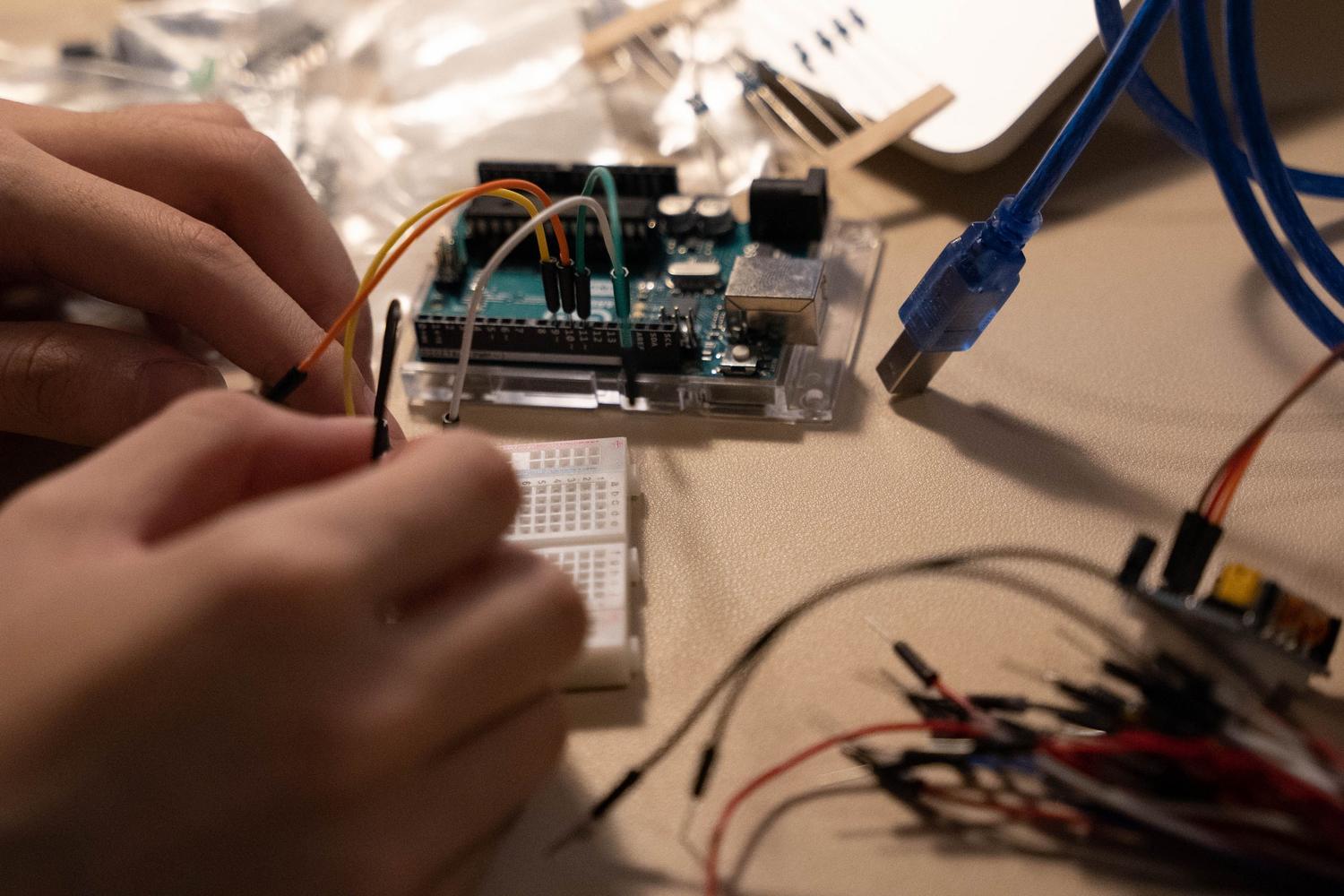
I'm sure it's happened to you: you want your own AI system that does whatever you want, but you're worried about privacy or don't want to be tied to a monthly subscription that'll drain your bank account. The good news is that these days, building a portable or home voice assistant is no longer just for NASA engineers, but a perfectly viable DIY project for any tech enthusiast eager to tinker.
Whether you're looking for a small, pocket-sized, microcontroller-based device or a powerful home brain that manages your entire household without sending a single bit of data to the cloud, the options are overwhelming. From using local language models (LLM) to integrating simple hardware like the ESP32, the range of possibilities is vast for those seeking complete control and flexibility in their interaction with AI.
Hardware required depending on the type of project
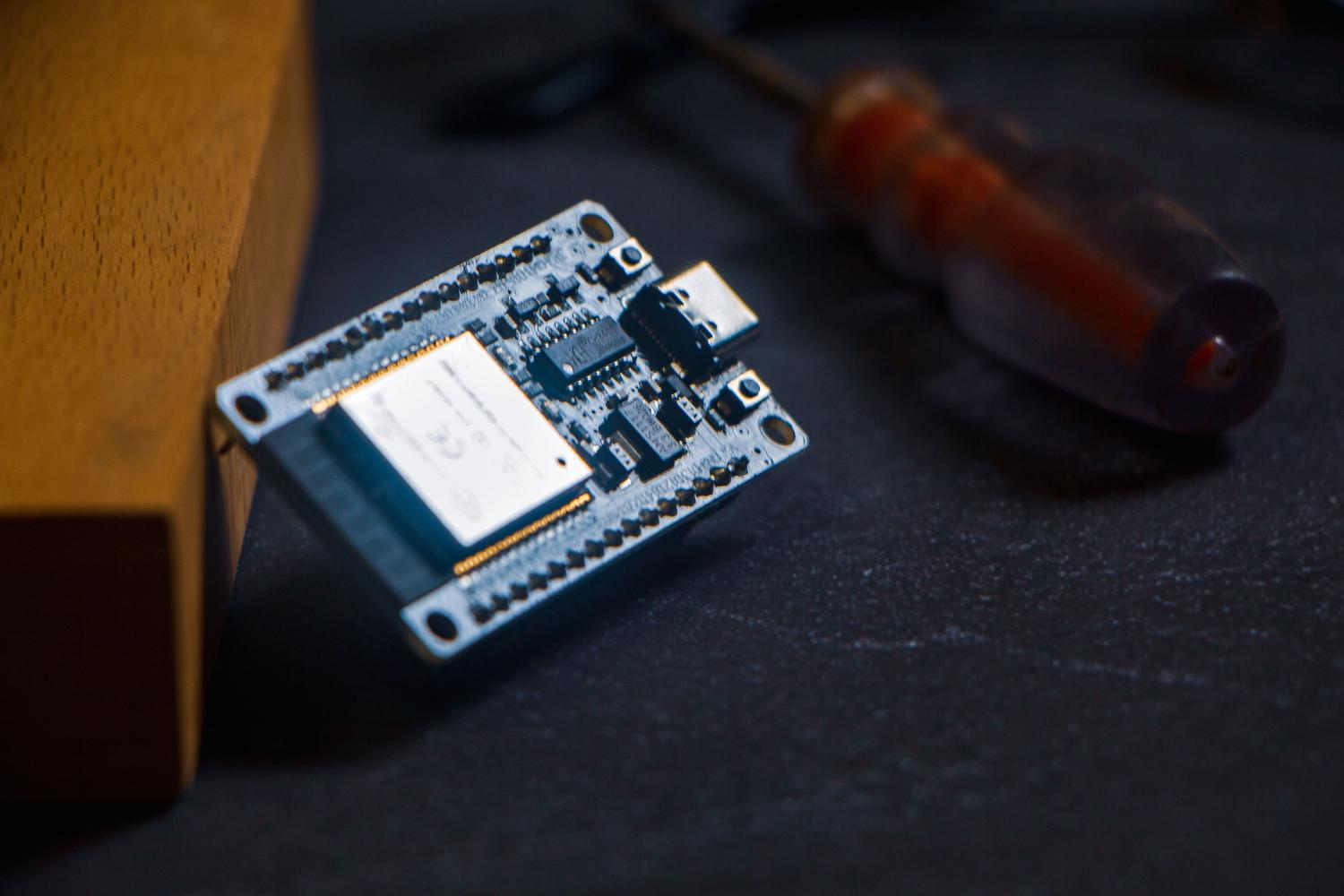
Depending on whether you want something ultra-portable or a fixed workstation, the components vary drastically. For a compact device, the star is the ESP32 , which acts as an audio input and output interface, connecting via WebSockets to an external server. On the other hand, if you're looking for raw local power, a Raspberry Pi 4 or a PC with an NVIDIA RTX graphics card (30 or 40 series) is essential for running quantized models without the system crashing.
- Basic components: USB microphones (like Blue Yeti or cheaper ones), Bluetooth or USB speakers, and NVMe SSD storage so that the AI doesn't take forever to respond.
- Memory requirements: For a smooth experience with 7B to 70B model parameters, ideally you should have between 32 and 64 GB of RAM and a generous VRAM in the GPU.
The architecture of the voice system
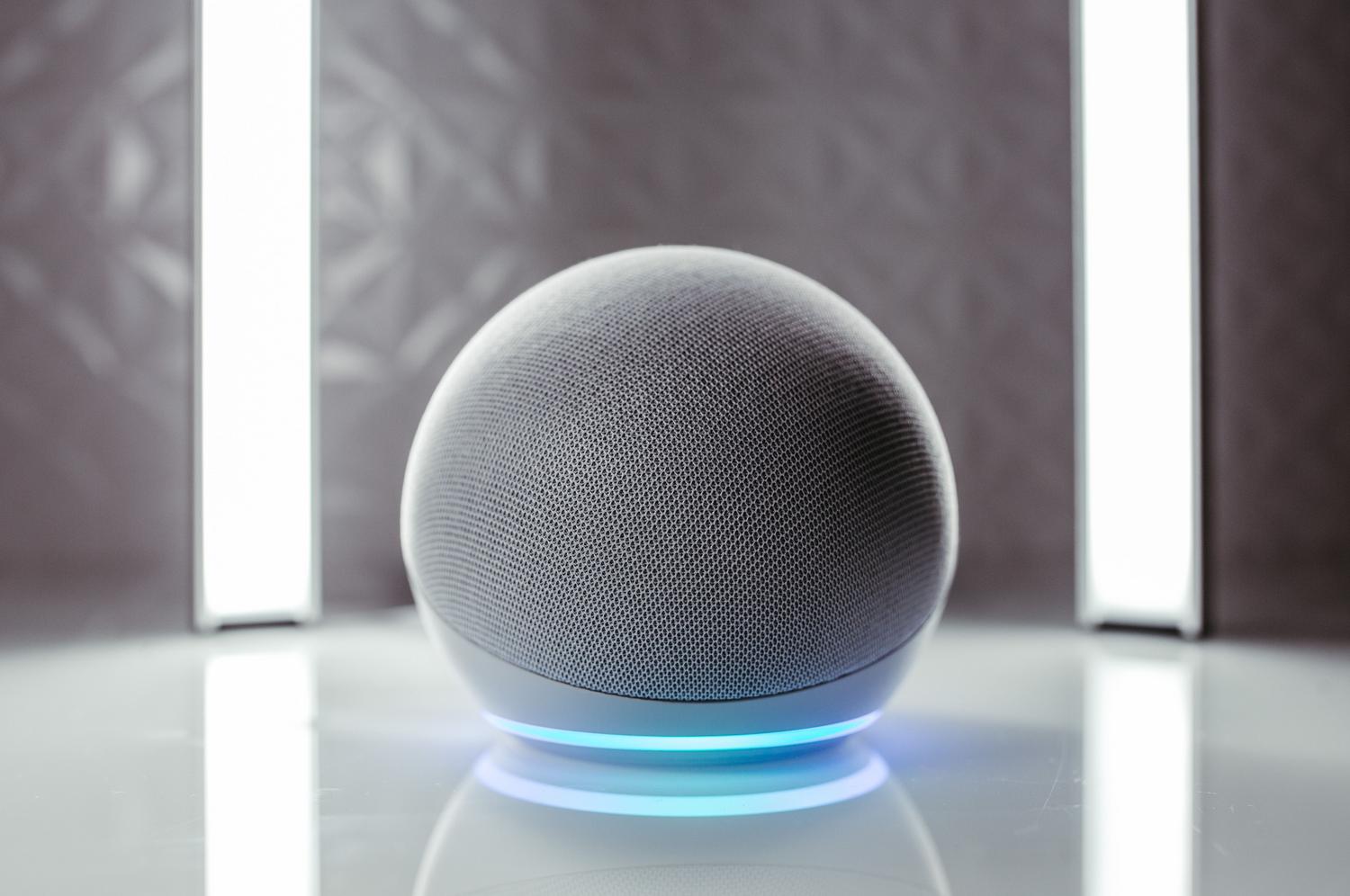
For a machine to understand us and respond naturally, a chain of processes occurs. First, there's voice capture , where the microphone records the sound. Then, speech-to-text (STT) comes into play, using tools like OpenAI's Whisper to transcribe the audio to text locally and privately.
Once we have the text, the dialogue manager or LLM (such as LLaMA 3, Mistral, or GPT-J) analyzes the user's intent and generates a coherent, context-based response. Finally, the resulting text is converted into audio using a TTS (Text-to-Speech) system like Piper or OpenVoice , which returns a natural, human voice to the user.
Building a portable assistant with ESP32 and Node.js
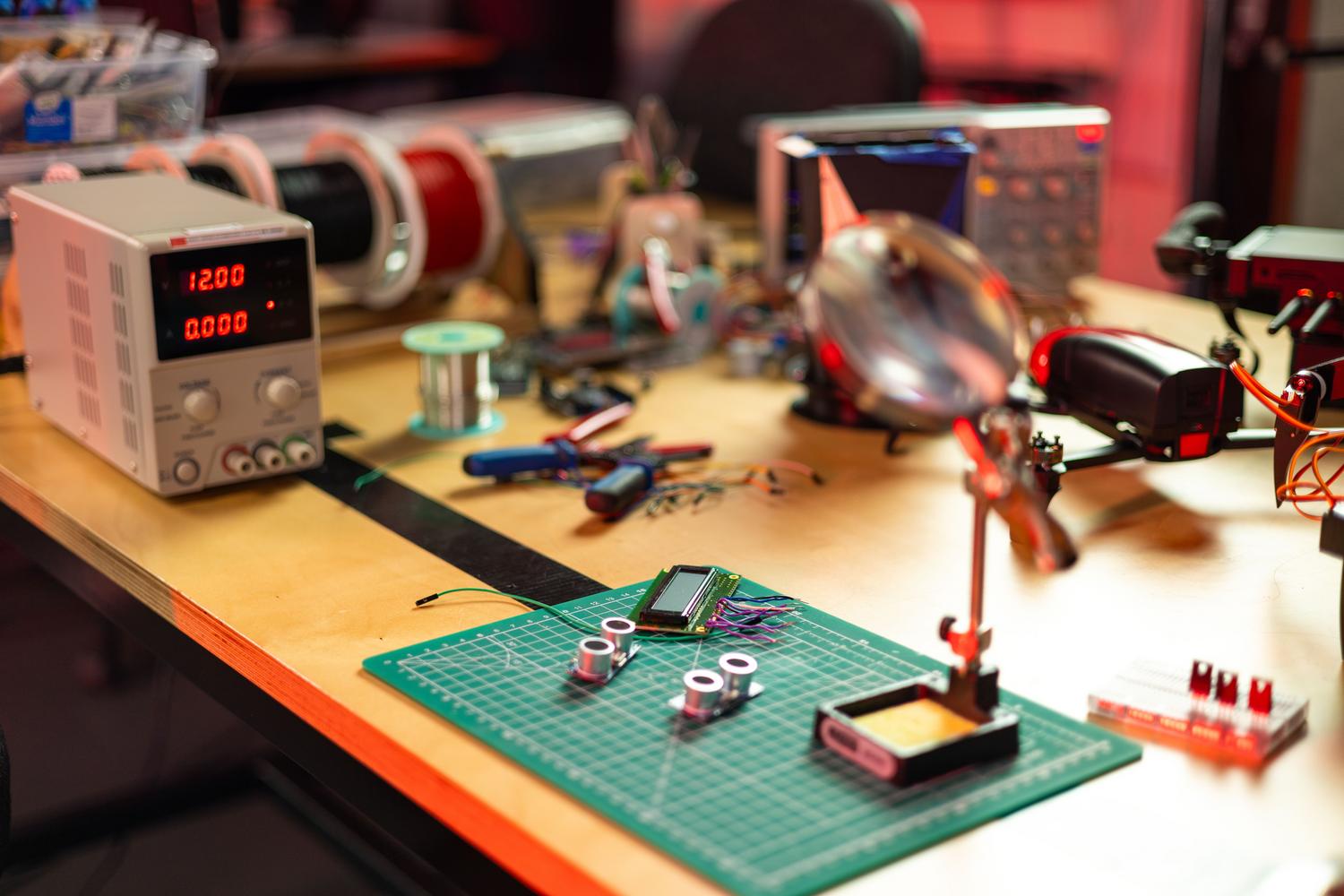
If you're into IoT, you can build an assistant that doesn't depend on your phone. The key is using a Node.js server powered by LangChain . The flow is simple: you press a button on the ESP32, the audio travels via WebSockets to the server, the server processes the information using OpenAI APIs or a local model, and sends the response back to the microcontroller's speaker.
The biggest challenge here is managing the audio buffer to avoid those annoying dropouts or latency issues that make the conversation feel forced. Optimizing sample rates is vital for smooth streaming and a truly real-time interaction.
Local alternatives and total privacy with Home Assistant

For those who prefer to keep everything within their own four walls, integrating AI into Home Assistant is the perfect solution. Using the Wyoming protocol and tools like Rhasspy, you can create a system of custom wake words (such as calling your assistant "Terry") without relying on external servers.
This approach allows AI to manage not only conversations, but also your home automation. By connecting a LLaMA 2 model via Ollama or GPTQ , the assistant can turn on the lights or adjust the temperature based on natural conversation, ensuring that no personal data ends up on the servers of a large corporation.
AI experience design and training
It's not enough for the machine to simply speak; it has to be useful. To achieve this, it's necessary to define Intents , which are the categories of what the user can request (for example, "check the weather" or "schedule an appointment"). Training the model with example sentences helps ensure that Natural Language Understanding (NLU) is accurate, even if we don't use the exact words.
A key point is conversational storytelling : designing flows where the AI knows how to ask for missing information. If you request a reservation but don't specify the time, the assistant should be able to ask for that information specifically instead of returning an error, thus creating an organic and professional interaction.
Comparison of voice tools and agents
In today's market, there are different levels of assistants. On one hand, we have personal assistants like Siri or Gemini Live, ideal for quick productivity. On the other, we have voice agents like Retell AI or PolyAI, designed for businesses that need to manage complex phone calls with remarkable realism.
For those seeking something in between, tools like ClickUp AI allow voice commands to be directly translated into organized tasks, eliminating the need for manual note-taking. The choice always depends on whether you're looking for a home control system, an office tool , or an automated customer service system.
Quick setup of generative AI at home
If you don't want to get bogged down in code, platforms like LM Studio or GPT4All allow you to download language templates in just a few clicks. You simply need to configure your microphone, choose a model like the Mistral 7B, and add a speech synthesis layer. In a matter of hours, you can have a digital brain capable of summarizing PDFs, writing emails, or programming code, all running on your own hardware and without monthly fees.
Bringing artificial intelligence to the physical and local realm allows us to move from being mere consumers to creators of our own tools. Whether through embedded hardware for portability or powerful home servers, the combination of STT, LLM, and TTS grants us unprecedented technological autonomy , enabling AI to adapt to our rules, not the other way around.
Table of Contents
- 1 Hardware required depending on the type of project
- 2 The architecture of the voice system
- 3 Building a portable assistant with ESP32 and Node.js
- 4 Local alternatives and total privacy with Home Assistant
- 5 AI experience design and training
- 6 Comparison of voice tools and agents
- 7 Quick setup of generative AI at home