
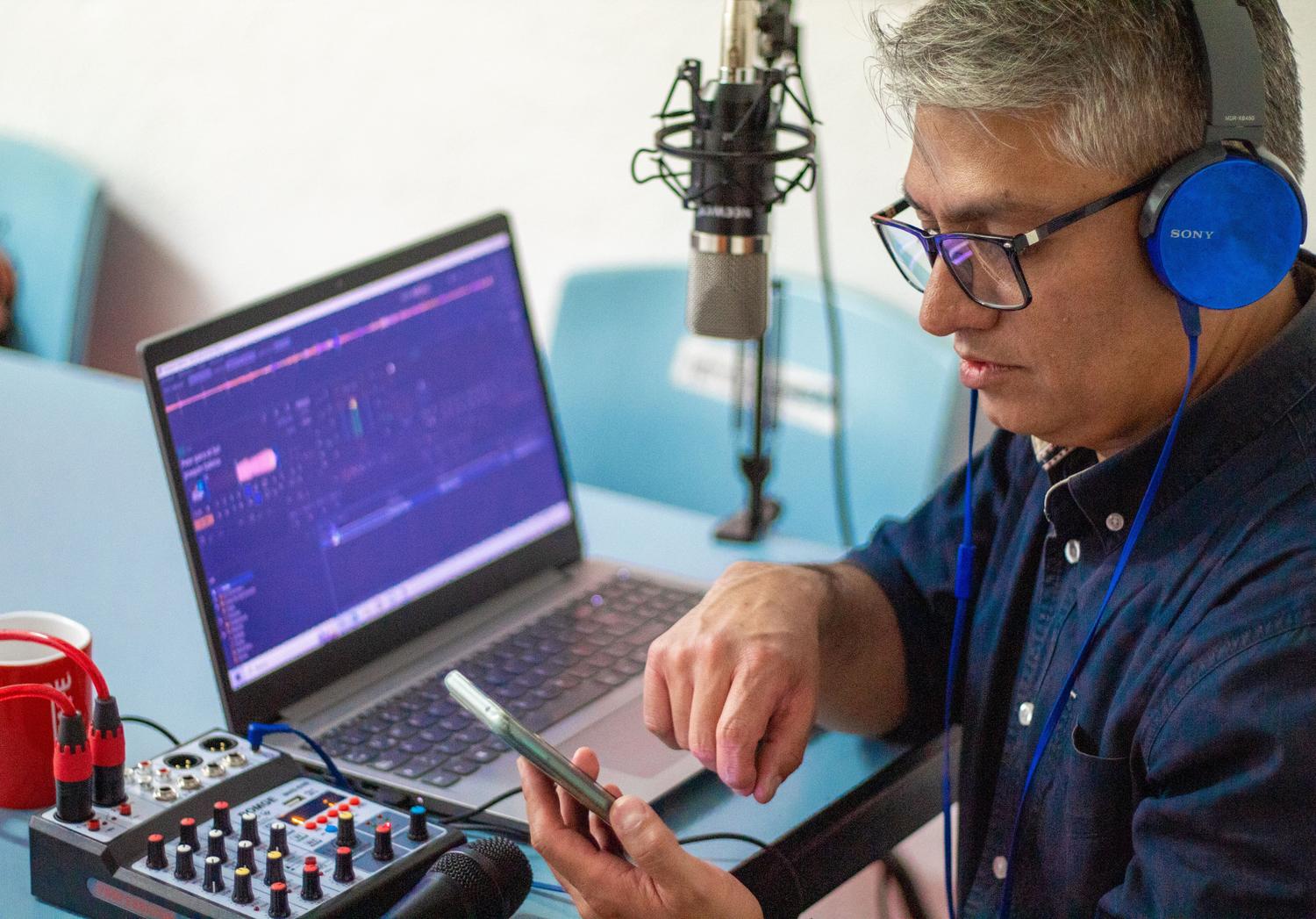
Have you ever considered launching your own audio space to the world? Setting up an online radio station these days is much easier than it seems , since you don't need to be a sound engineer or have an astronomical budget to start broadcasting. Whether you're a DJ who wants to share your sets, a podcast enthusiast, someone with a community mission, or simply an audio lover, the internet opens doors for you to reach any corner of the planet.
The truth is, while technology has advanced tremendously, creating a truly engaging radio station requires careful planning . It's not just about hitting record; it's about building a solid project that covers everything from the legal and technical aspects to the monetization strategy. In the following lines, we'll tell you everything you need to know to make your leap into streaming a resounding success and avoid any unpleasant surprises along the way.
The first step: Define the soul of your radio
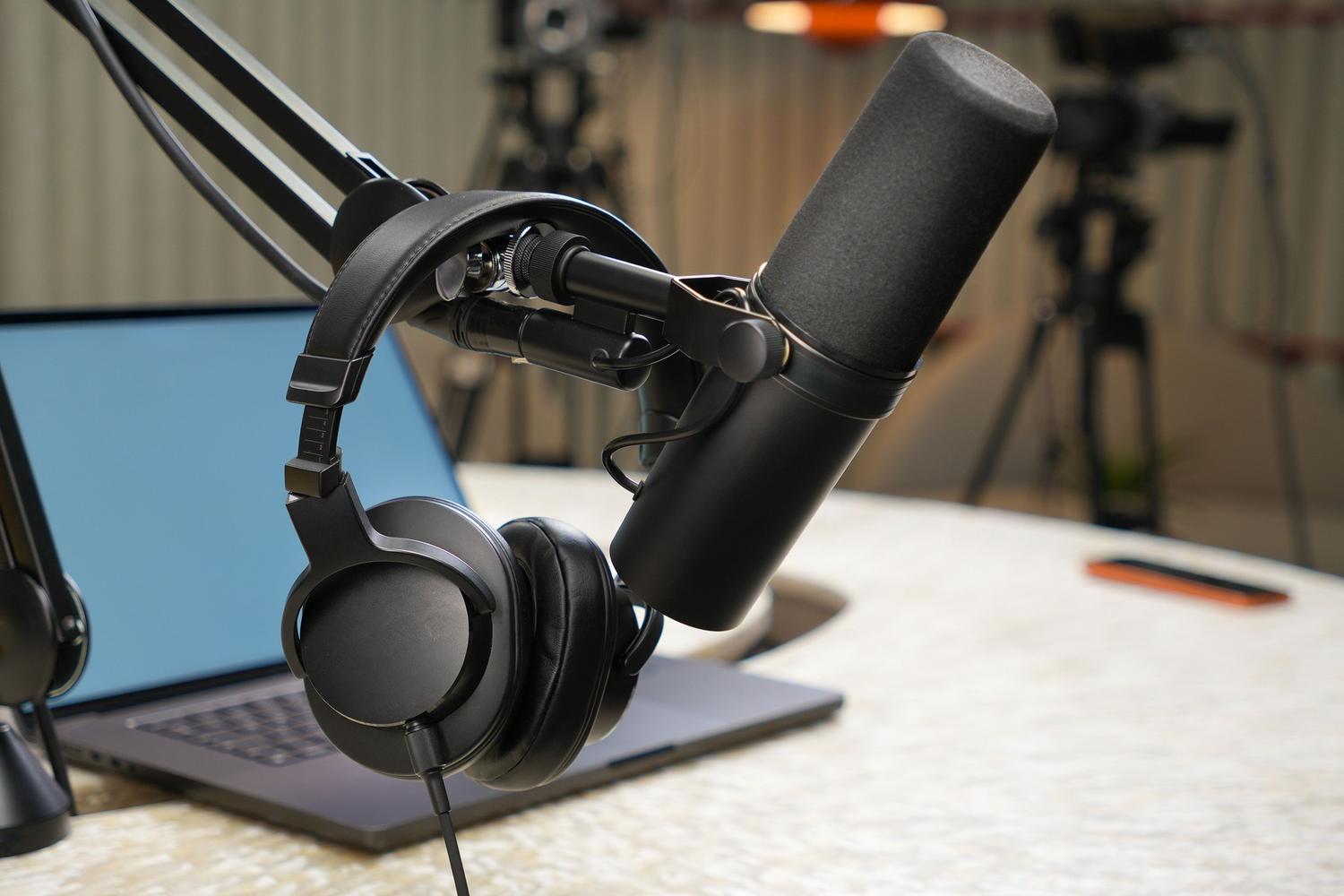
Before getting bogged down in technical details, you need to be clear about what you want to talk about. Defining a specific niche is key to standing out from the crowd. Think about whether you'll focus on music of a particular genre, religious talks, local news, interviews, or DJ sets. Don't try to cover everything; the more specialized your content, the easier it will be to attract a loyal target audience that shares your interests.
Once you have the concept, it's time to give it a name and a face. Visual identity, with a clean and professional logo, is fundamental, but in the world of audio, what matters most is the sonic brand . Create jingles, intros, and bumpers that are memorable. Think about those iconic sounds you instantly recognize; getting your audience to identify your station with just one sound is the first step in generating a strong emotional connection with your listeners.
The technical infrastructure: Hardware and Software
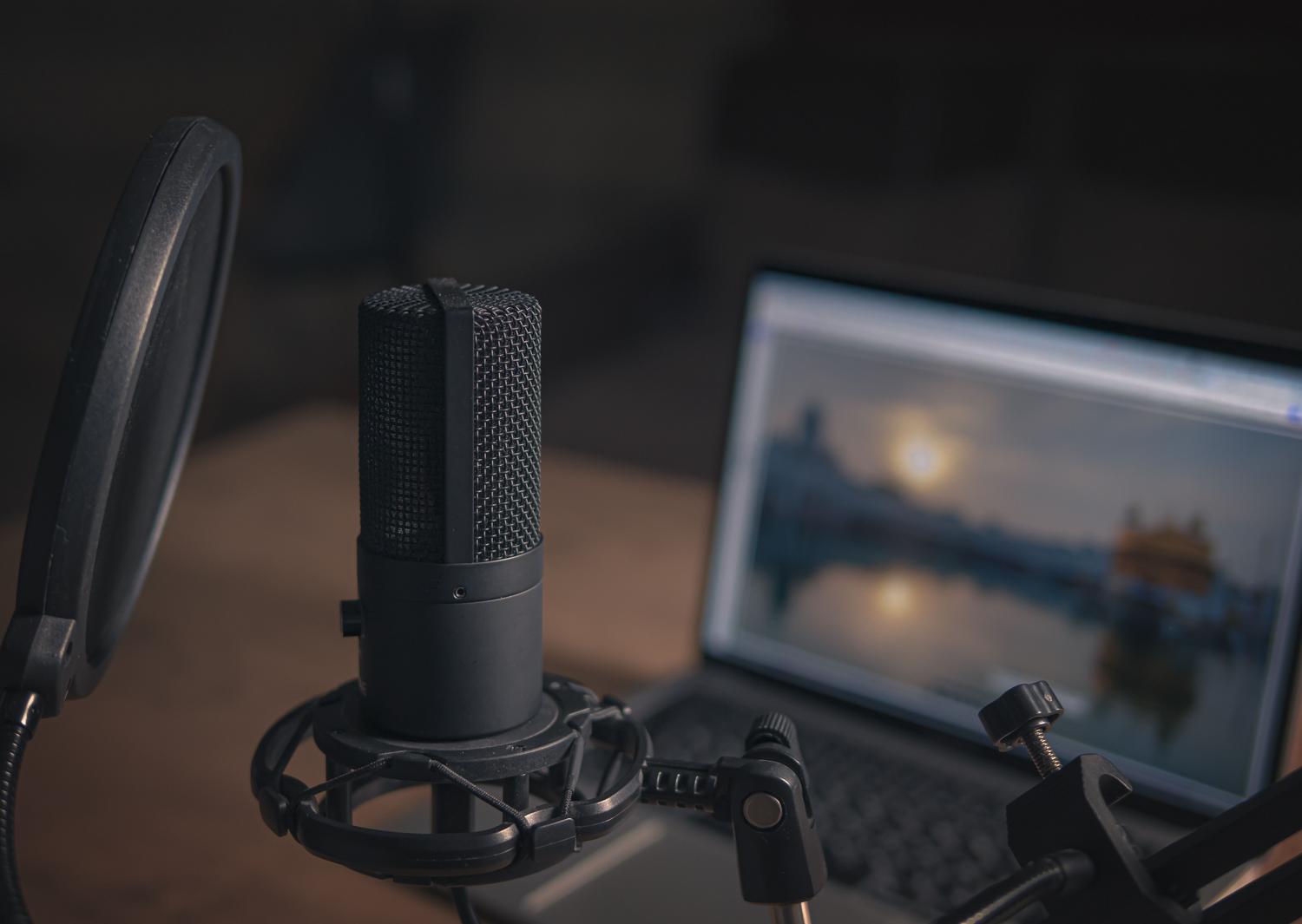
To begin with, you don't need to set up a professional home studio. A computer and a basic microphone are enough to get started. However, if you want higher quality and plan to have guests, it's best to invest in an analog or digital mixing console . This will allow you to harmonize background music with vocals without any sudden volume changes. If you're on a budget, there are USB audio interfaces from brands like Behringer or PreSonus that offer unbeatable value for money.
As for software, there are options for all tastes and budgets. If you're looking for something free and powerful, Mixxx is a fantastic option for those coming from the DJ world, while Zara Radio remains a classic for its ease of use in managing programming. To send the signal to the server, BUTT is the standard program because it's free, lightweight, and cross-platform. On the other hand, if you prefer to delegate management, there are cloud services like RadioBOSS Cloud or Zeno.fm that allow you to automate all content without needing to have your PC on 24/7.

The streaming server and distribution

The server is the heart of your radio station; it's the system that receives your audio and distributes it to thousands of listeners simultaneously. You can choose classic technologies like Shoutcast or Icecast, which are compatible with almost any platform. Depending on your goals, there are plans ranging from the 'Starter' for hobbyists to 'Enterprise' plans for those who see radio as a serious business with high traffic and storage volumes.
But broadcasting is only half the battle; now you need to get people to listen. Don't just provide a URL; integrate an HTML5 player into your website for instant access. It's also vital to expand your presence to global directories like TuneIn or Radio Garden. To take your content even further, you can convert your recorded shows into podcasts and distribute them through Anchor to reach Spotify or Amazon Music, transforming your radio station into a multi-channel experience.
The legal framework and monetization
This is where many fail: broadcasting commercial music without permission is playing with fire. To operate legally, it's mandatory to manage copyright licenses (like SGAE in Spain) or use royalty-free music under Creative Commons licenses. Doing things right avoids hefty fines and gives your project an image of seriousness and professionalism to potential advertisers.
Once you have a stable audience, you can start monetizing your efforts. The most common way is through advertising, inserting ads or automated pre-roll ads during your broadcast. Some platforms already offer global ad networks that pay you based on the number of views. Remember that the greater the visibility and analytics data you have about your audience (location, peak times, most-watched content), the more attractive your space will be to brands.
Content management and growth
To keep your radio station from failing, consistency is key. Establish a regular programming schedule so listeners know where to find you. You can combine an 'Auto DJ' for off-peak hours with live broadcasts for your flagship shows. Analyzing the metrics is crucial to understanding what your audience enjoys most and adjusting your content schedule accordingly.