

NVIDIA's latest wave of DLSS 4 updates is starting to make a clear difference in how PC gaming is experienced. What was once perceived as a simple graphical enhancement is becoming a core component of performance, with a direct impact on smoothness, controller responsiveness, and the design possibilities of the games themselves.
In parallel, the new Game Ready Driver 591.59 WHQL reinforces this strategy by improving support for the latest titles, maximizing the capabilities of DLSS 4, and fixing some technical issues carried over from previous drivers, especially those related to color in non-native resolutions or image formats.
DLSS 4 fully embraces open-world games and intense action
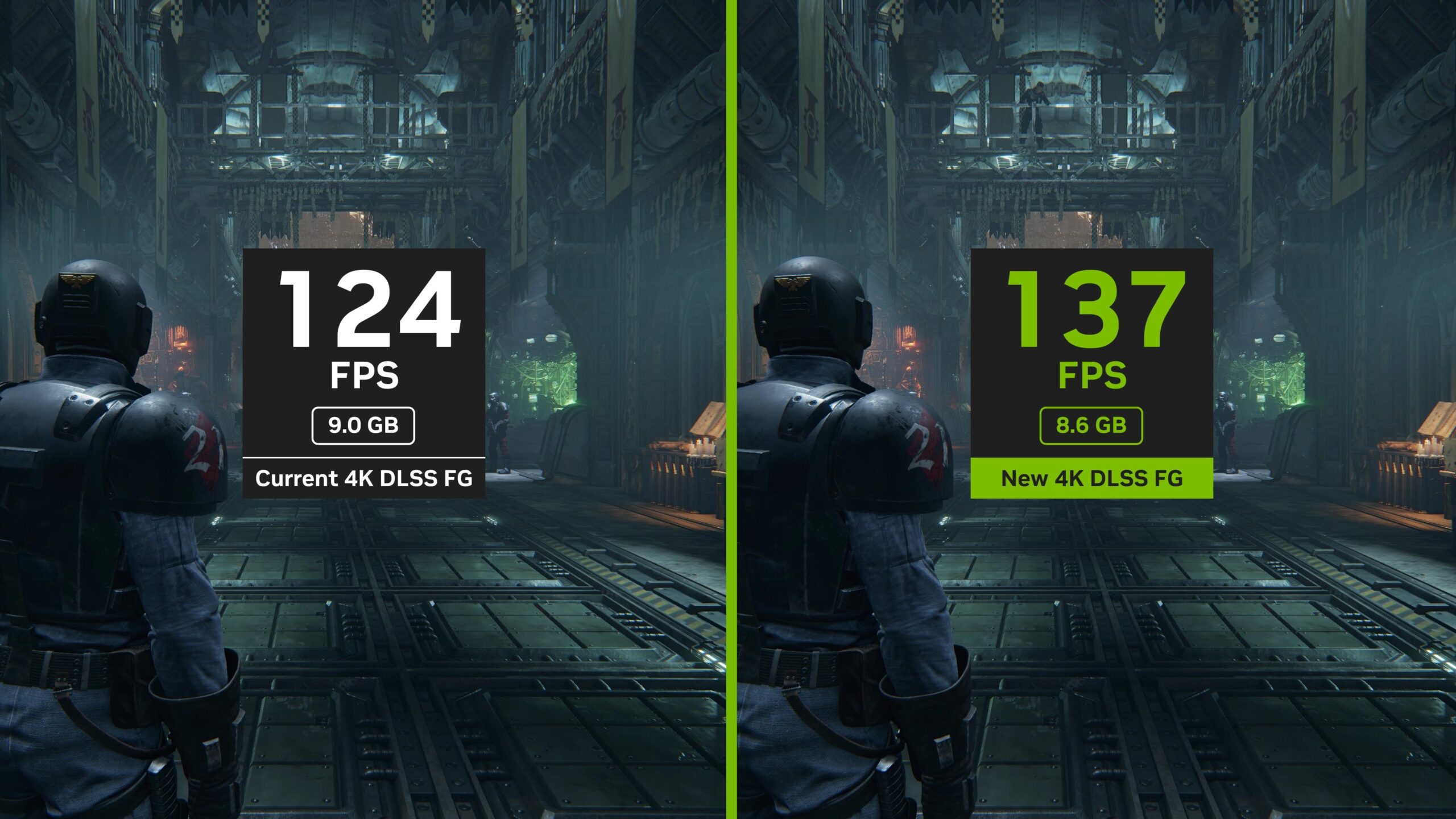
One of the most striking examples of this new phase is Dying Light: The Beast , a title that combines open world, survival, and horror in a vast and detailed environment. In this game, GeForce RTX graphics card users can take advantage of DLSS 4 with Multi Frame Generation, in addition to DLAA, to achieve a cleaner image without sacrificing fluidity, even when the screen is filled with enemies and effects.
The game places the player in Castor Woods , a forested region now overrun by zombies, where verticality, fast movement, and melee combat demand consistent visual responsiveness. Thanks to DLSS 4 , the game can maintain high frame rates while increasing scene complexity, something especially relevant on the mid-range PCs widely used in Europe.
In this context, DLAA acts as a complement by providing high-quality edge smoothing , leveraging the same type of neural networks that underpin DLSS, but prioritizing image quality over increased FPS. This combination allows for a reasonable balance between sharpness and performance, depending on each user's preferences.
The game's improvements aren't limited to intelligent scaling: a recent update adds ray-traced global illumination, reflections, and shadows , enhancing the realism of nighttime scenes, interiors, and areas with strong light contrasts. These improvements directly leverage DLSS 4's ability to offset the additional cost of ray tracing.
Ray tracing and Reflex: visual quality without sacrificing responsiveness
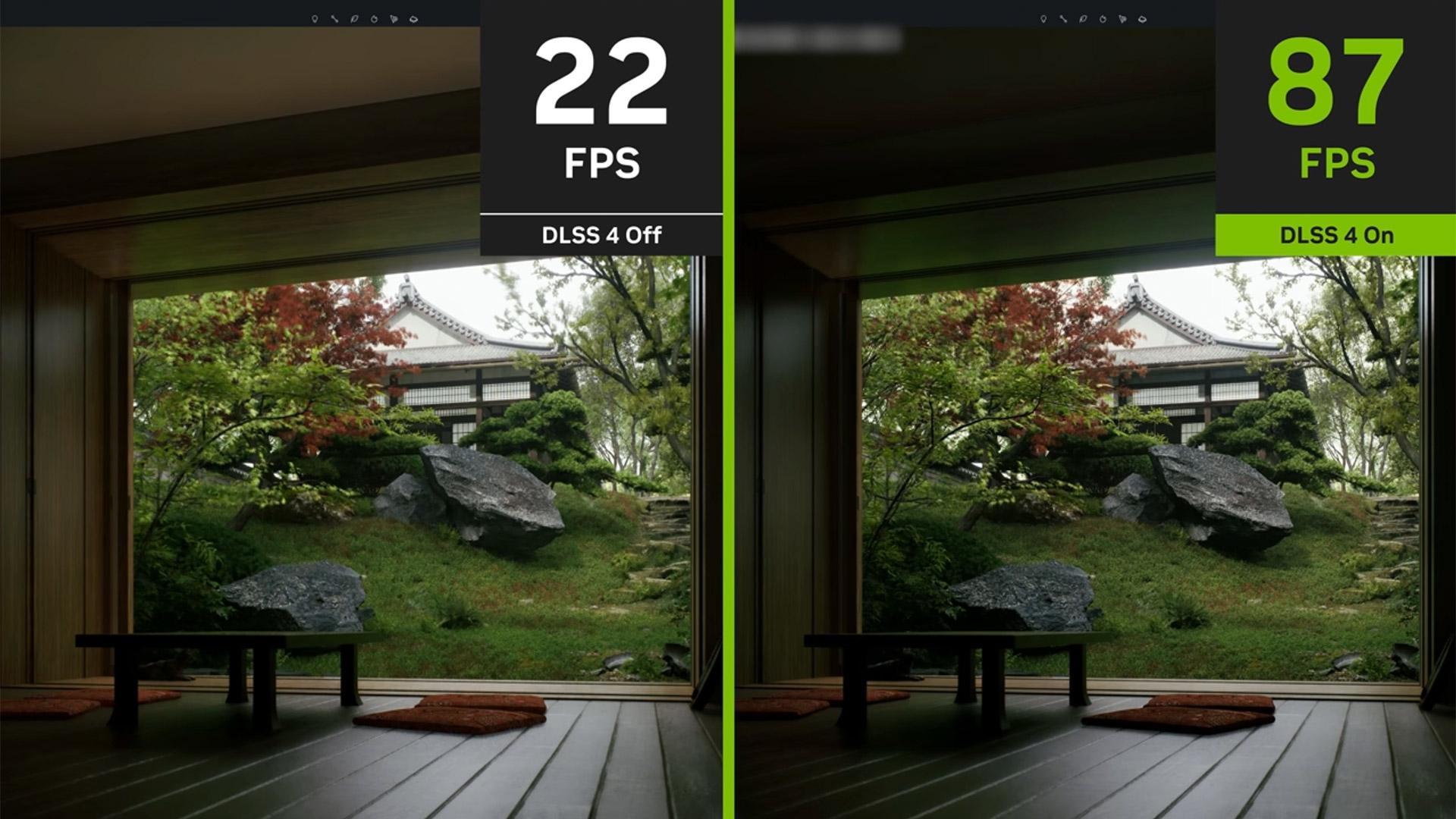
The rollout of new ray tracing effects in DLSS 4-compatible games is designed to ensure that the visual leap doesn't result in a sluggish or unresponsive experience. In Dying Light: The Beast , ray-traced global illumination improves the consistency of shadows and indirect reflections, while ray-traced reflections and shadows add detail to wet surfaces, glass, and shadowy areas.
To offset the computational cost of these real-time techniques, DLSS 4 with Multi Frame Generation comes into play , generating additional frames from information gathered from multiple frames and motion vectors. This approach doesn't simply "increase the resolution"; it changes how the player perceives smoothness in situations with a lot of movement and simultaneous effects.
Added to this is NVIDIA Reflex , designed to reduce overall system latency. This isn't just a bonus for competitive gamers: in fast-paced action and survival games, reducing the time between a button press and the on-screen response improves the feeling of control, which is noticeable when dodging, aiming, or chaining together parkour moves.
When DLSS 4, ray tracing, and Reflex are combined, the result is a more complex performance model: visual quality and responsiveness cease to be opposing forces and coexist through fine-tuning. This allows many gamers in Spain and the rest of Europe to push their hardware to its limits, hardware that would otherwise be forced to cut back on graphics options to maintain acceptable performance.
A Game Ready Driver that looks beyond FPS
The arrival of Game Ready Driver 591.59 WHQL accompanies NVIDIA's commitment to treating performance as more than just a number in the corner of the screen. The new driver is fine-tuned for several recent releases compatible with DLSS 4 and RTX, and corrects color issues detected in the previous driver when using resolutions or aspect ratios other than the monitor's native ones.
This driver also optimizes titles such as ARK: Lost Colony , Ashes of Creation , SPLITGATE: Arena Reloaded , Yakuza Kiwami 2 , and AION 2 , which benefit to varying degrees from DLSS 4 with Multi Frame Generation and other variations of the technology. In some cases, the primary goal is to maintain higher frame rates; in others, the aim is a clear improvement in image quality while maintaining a smooth experience.
The underlying message is that current graphics hardware is not only progressing in terms of more cores or greater bandwidth, but also through software and algorithms capable of reinterpreting the game in real time . DLSS 4 and Reflex are no longer simply optional checkboxes in the graphics menu, but have become elements that influence how modern games are designed and played.
In Europe, where many gamers combine high refresh rate monitors with RTX cards of different generations, this type of driver is especially relevant: it extends the life of existing equipment and makes it easier for developers to adopt advanced features without condemning part of the user base to a poor experience.
DLSS 4 as the foundation of game design, not just as a visual enhancement
The expansion of DLSS 4 with Multi Frame Generation to titles like ARK: Lost Colony and Ashes of Creation illustrates how this technology can influence game design. By enabling more efficient frame generation and smarter resource allocation, it allows for denser worlds, more simultaneous enemies, and more demanding physics systems without performance crashing.
This approach has a direct impact on the gameplay experience: the user not only perceives a sharper and more stable image , but also feels that the overall pacing of the game is more consistent. Fewer frame rate drops and smoother animation result in an experience that many describe as more "fair," especially in demanding sections.
These types of updates also anticipate future releases, such as Phantom Blade Zero , Resident Evil Requiem , and PRAGMATA , which have already been announced with support for DLSS 4 and other RTX technologies . The feeling is that the performance and image quality infrastructure is being put in place before the big titles arrive, so that the ecosystem is ready at launch.
In the day-to-day life of a PC gamer, these improvements are noticeable silently: driver updates, game patches, and new options in the graphics menu that, added together, redefine what we understand by "playing better" without needing to change all the hardware every few years.
All this movement around DLSS 4, Reflex, and ray tracing places the PC platform at a point where the qualitative leap no longer depends solely on raw power, but on how resources are managed to offer more image quality, greater fluidity, and a greater sense of control simultaneously; a trend that, if it continues, will benefit both those who frequently upgrade their equipment and those who try to get the most out of their current GeForce RTX graphics cards.