
The expansion of data centers in Spain has opened a new front of debate: water consumption. While artificial intelligence and digitalization are driving up the need for computing power, the sector is seeking to demonstrate that its facilities can be increasingly efficient and respectful of natural resources. In the Community of Madrid, authorities have responded to criticisms that these projects threaten the regional water supply.
The Minister of Digitalization, Miguel López-Valverde, has been emphatic in his statements, asserting that the claim that data centers will leave Madrid without water is a technically false generalization . These remarks come at a time when competition between regions to attract technological investment is intensifying and public opinion is demanding greater transparency in the use of resources.
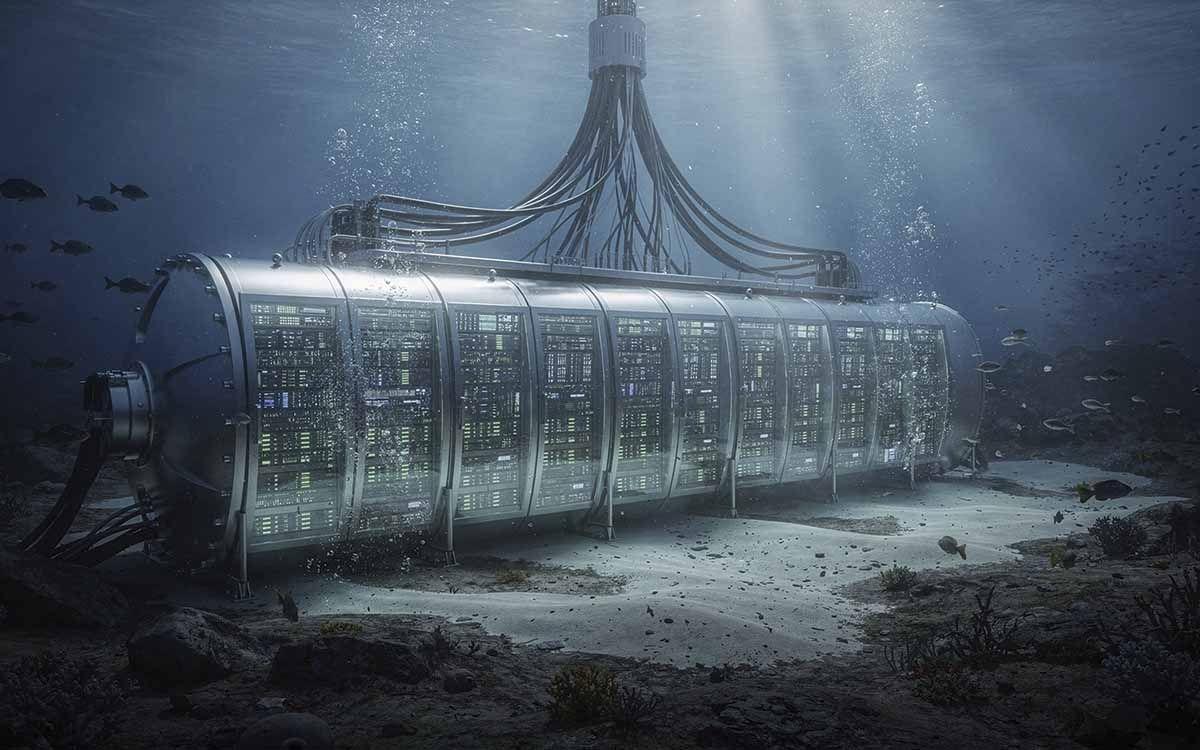

The Community of Madrid defends the efficiency of its data centers
The regional minister emphasized that the region has 40 operational data centers and another 15 under construction, a figure that positions Madrid as a national leader and ahead of cities like Frankfurt, London, Amsterdam, and Paris. The new closed-loop cooling systems allow for water reuse or even complete elimination of water use during operation , resulting in consumption reductions of up to 90% compared to previous installations. According to sources within the regional government, this technological advancement not only benefits water but also improves energy efficiency by reducing the electricity needed to maintain equipment at the appropriate temperature.
The digitalization representative emphasized that data centers are fundamental to supporting digitalization and Artificial Intelligence, and that the growth of this infrastructure is compatible with protecting resources. This position is reinforced by European regulations requiring transparency regarding the energy and water consumption of these data centers, a directive already in force that obliges centers with more than 500 kW of installed power to provide public information.
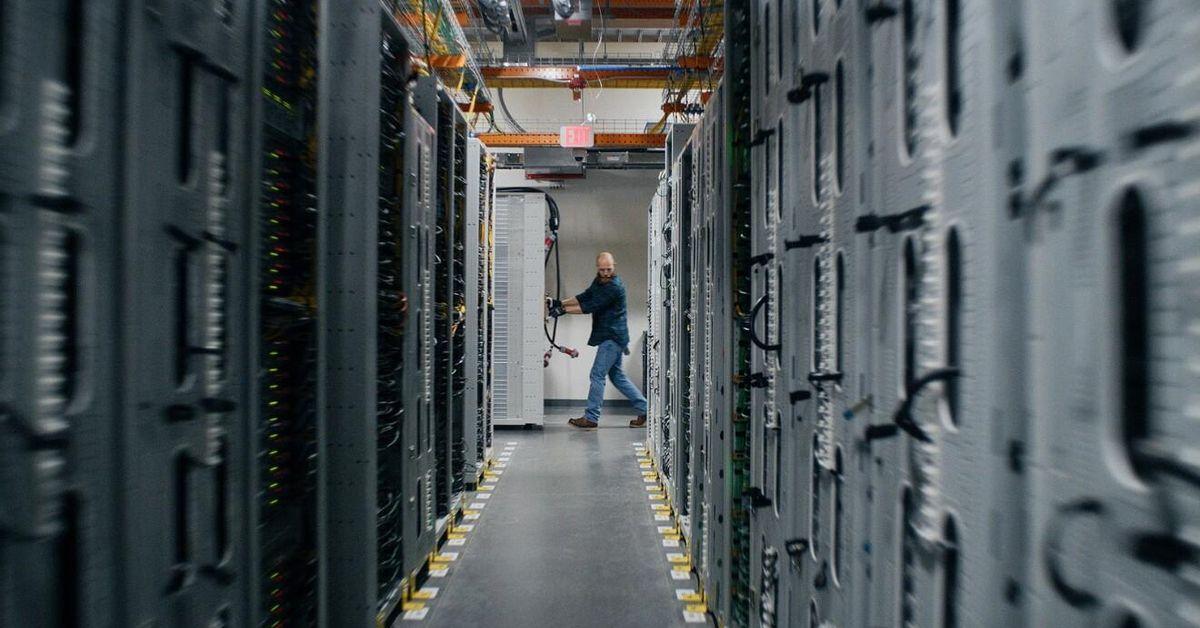

Cooling technology: the key to saving water
The main innovation implemented in new data centers is the closed-loop cooling system. Unlike traditional evaporative systems, which require a constant water supply, the closed loop uses a refrigerant that circulates in isolation and is not released into the atmosphere . Therefore, once filled, it does not require a continuous supply of water from the mains. This technique also allows for better thermal management and helps ensure that computer equipment operates under more stable conditions.
The new facilities not only reduce water consumption but also achieve a Power Usage Effectiveness (PUE) closer to 1, meaning that almost all the energy is used for computing and fewer resources are dedicated to cooling. This combination of water and energy efficiency, similar to hot water cooling for generative AI , has become a decisive factor in communities and municipalities supporting the arrival of these projects.
The government is preparing regulations to limit consumption and is demanding more transparency.
Public pressure has led the Spanish government to prepare regulations that will limit water consumption in data centers and ensure that the electricity they use comes from renewable sources without harming other sectors. This initiative comes after complaints in Aragon about a lack of transparency in resource use, and after the European Union introduced reporting obligations for these facilities. The EU Energy Efficiency Directive already requires data centers with a capacity exceeding 500 kW to report their water usage, energy consumption, and waste heat generation . Thus, Spain joins this movement with its own legislation that seeks to align technological development with sustainability.

The balance between digitalization and the environment
The challenge for the future is to combine the need for more data centers with the preservation of water and energy. Experts agree that innovation in cooling systems is the most immediate way to reduce the impact, but they also point to the importance of locating infrastructure in places where water is not a scarce resource. In this regard, autonomous communities like Madrid insist that their cutting-edge technology is what will allow them to achieve sustainability goals without sacrificing digital progress.
The commitment to responsible development is reinforced by the interest of major technology companies seeking to establish their centers in Spain. However, social pressure and increasingly stringent regulations are leading companies to seek zero-water consumption solutions, as is the case with some operators using hot water cooling for AI powered by renewable energy.
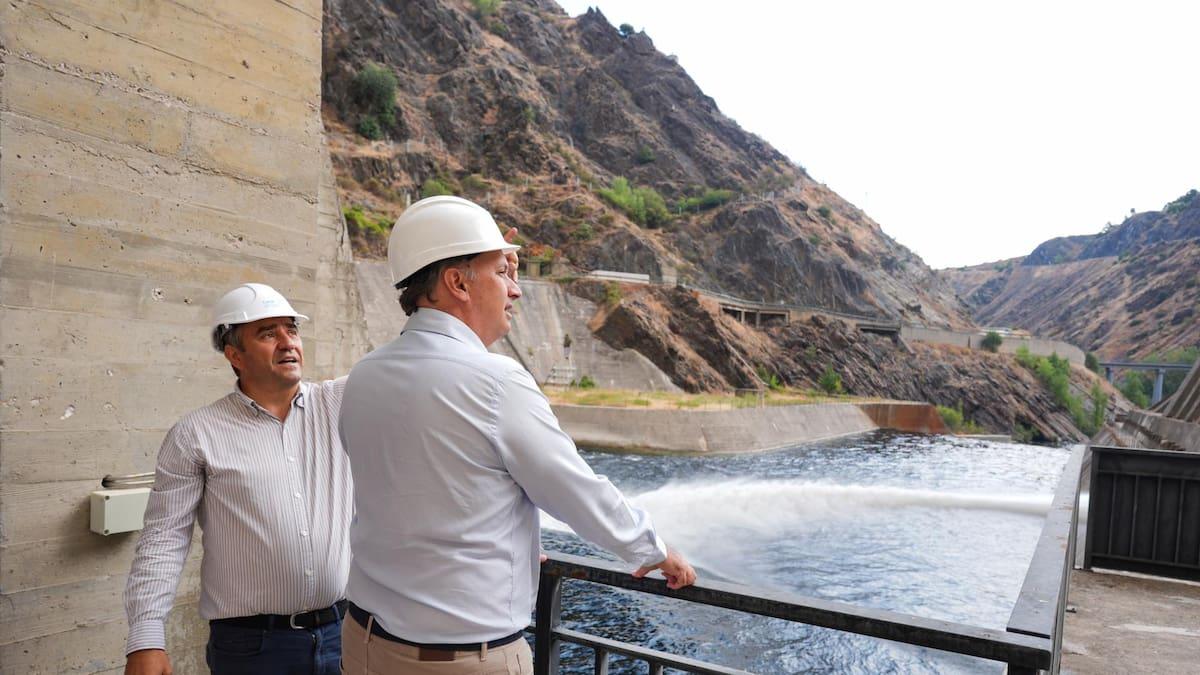
The Community of Madrid insists that investment in energy-efficient technology is reducing the environmental impact of data centers, and that this trend will intensify in the coming years. During his visit to the El Atazar reservoir, Regional Minister López-Valverde reiterated that growth and environmental protection goals are entirely compatible if available technologies are implemented.

In short, the battle over water consumption in data centers is far from over. While European and national institutions are preparing new regulations, regions are seeking to position themselves as attractive destinations for technology investments, but under the premise that sustainability is a key component of digital growth. Water efficiency has become an essential criterion for the viability of these projects . Spain, with its unique hydrological context, cannot ignore this challenge, and for now, a commitment to innovation seems to be the most solid path to combining the advancement of AI with respect for the environment.
