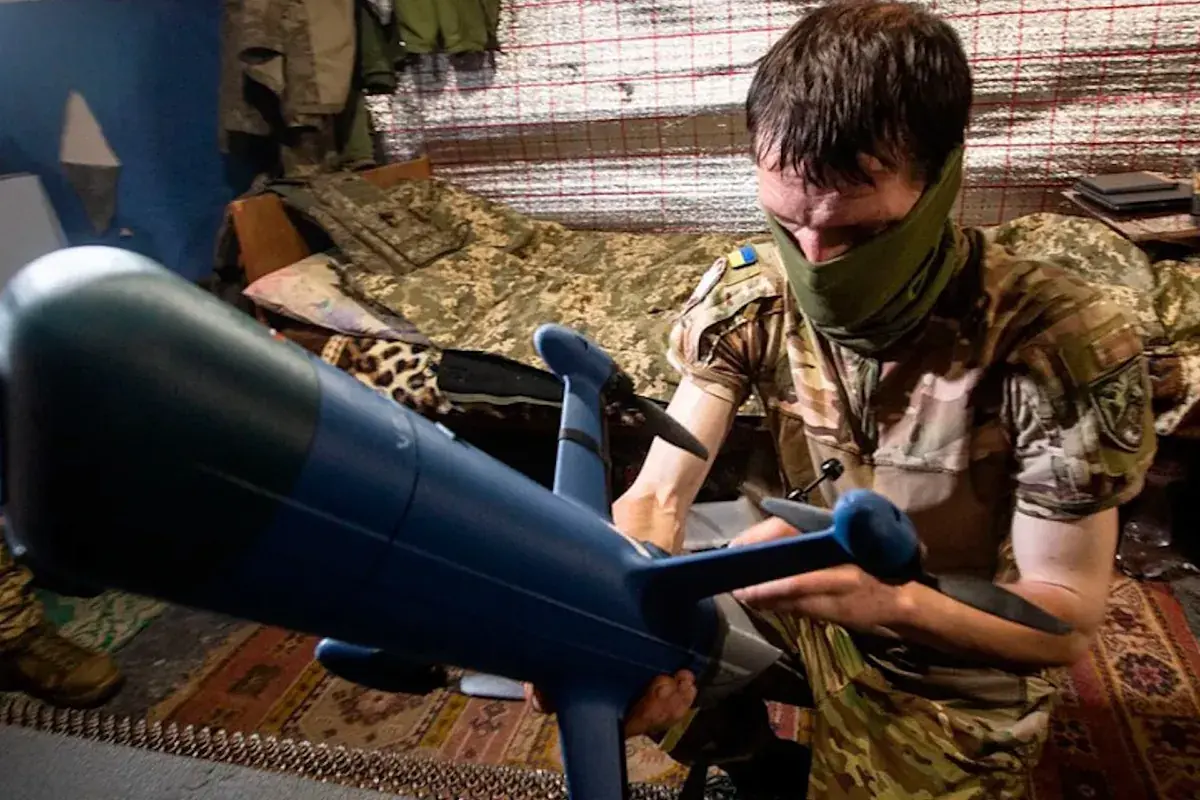
The conflict in Eastern Europe has entered a completely new phase where the skies have become the main chessboard. What seemed like science fiction a few years ago is now commonplace: swarms of unmanned aerial vehicles crisscross hundreds of kilometers to strike where it hurts most. This evolution responds not only to a tactical necessity but also to a strategy of attrition that seeks to bring the feeling of war to the heart of cities that until now felt safe from missiles.
The recent escalation has made it clear that conventional air defenses are no longer an impenetrable shield. Ukraine has gone from defending its territory to launching long-range attacks with a precision that has caught many by surprise. This ability to strike critical infrastructure hundreds of kilometers from the border is changing the game, forcing a complete rethink of defensive logistics across the European continent, especially in light of the emergence of drones that operate autonomously thanks to artificial intelligence.

The biggest blow to the Russian capital to date
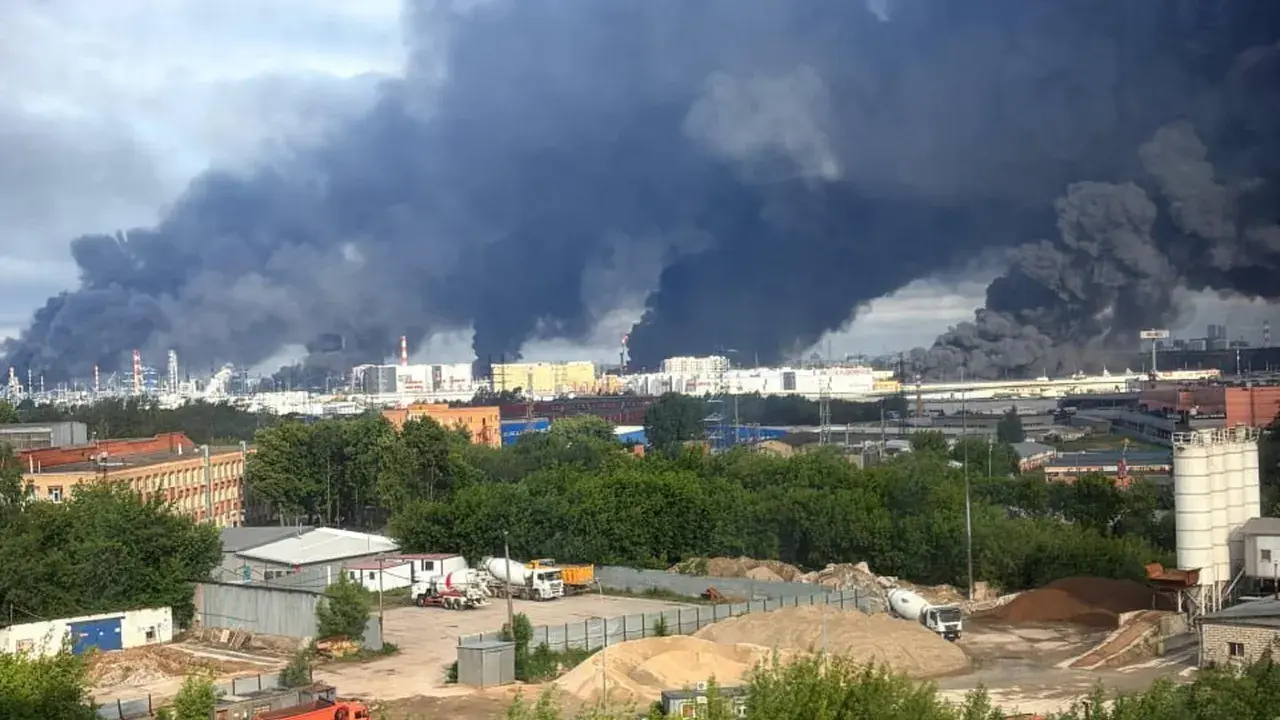
The Russian capital has experienced days of utter chaos after being hit by a wave of drones unseen since the 2022 global crisis. Hundreds of aircraft managed to breach the city's defenses, causing fires at strategic locations such as the Kapotnya refinery, which has now been struck three times this month. Plumes of black smoke could be seen from almost anywhere in the city, forcing authorities to cancel hundreds of flights at Moscow's four main airports as a precautionary measure.
Residents of the affected areas are constantly on edge. Videos circulating on social media show drones crashing into high-rise buildings, causing a shower of debris that some have dubbed "black rain" due to the oily stains it leaves on clothing. Although authorities are trying to downplay the situation, the evacuation of apartment buildings and the closure of shopping centers following the debris fall demonstrate that the situation is far from being fully under control.
Zelensky hasn't mince words in stating that if his country suffers, Moscow will suffer too. This saturation tactic—first launching reconnaissance drones to confuse radar and then attack drones—is proving to be a major headache for the Kremlin. Although Russia claims to have intercepted most of the projectiles, the fact that more than a thousand drones flew over the country in a single day calls into question the actual effectiveness of its defense systems against such a large number of aircraft.
The war economy and the end of million-dollar missiles
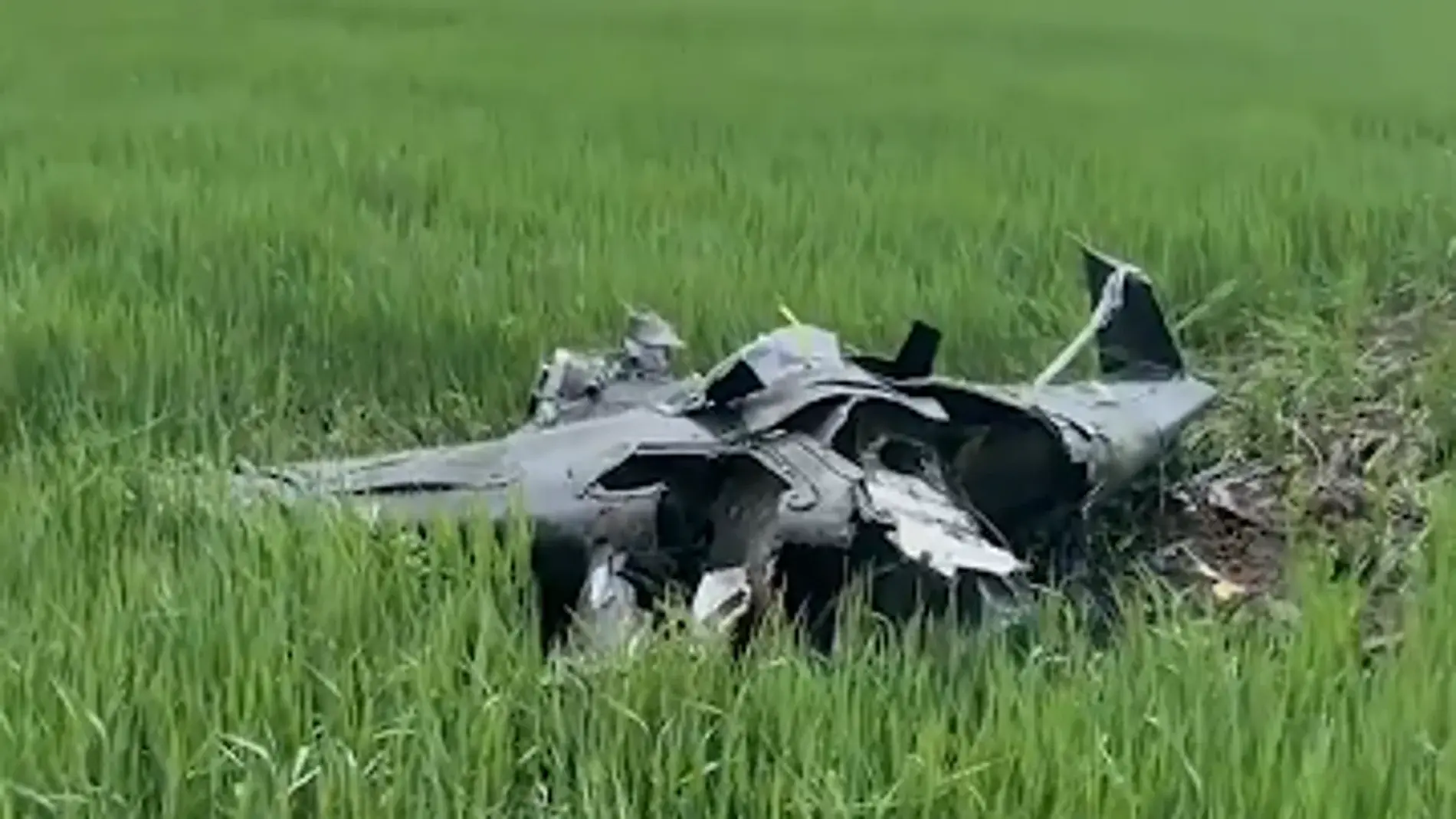
One of the most talked-about aspects is the cost of all this equipment. While a traditional high-tech missile can cost an arm and a leg, around a million euros, these Ukrainian drones are manufactured for about 5.000 euros each. This is a staggering difference that allows Ukraine to launch massive attacks without going bankrupt in the process. This democratization of aerial destruction means that you no longer need to be a superpower to strike strategic targets with astonishing effectiveness.
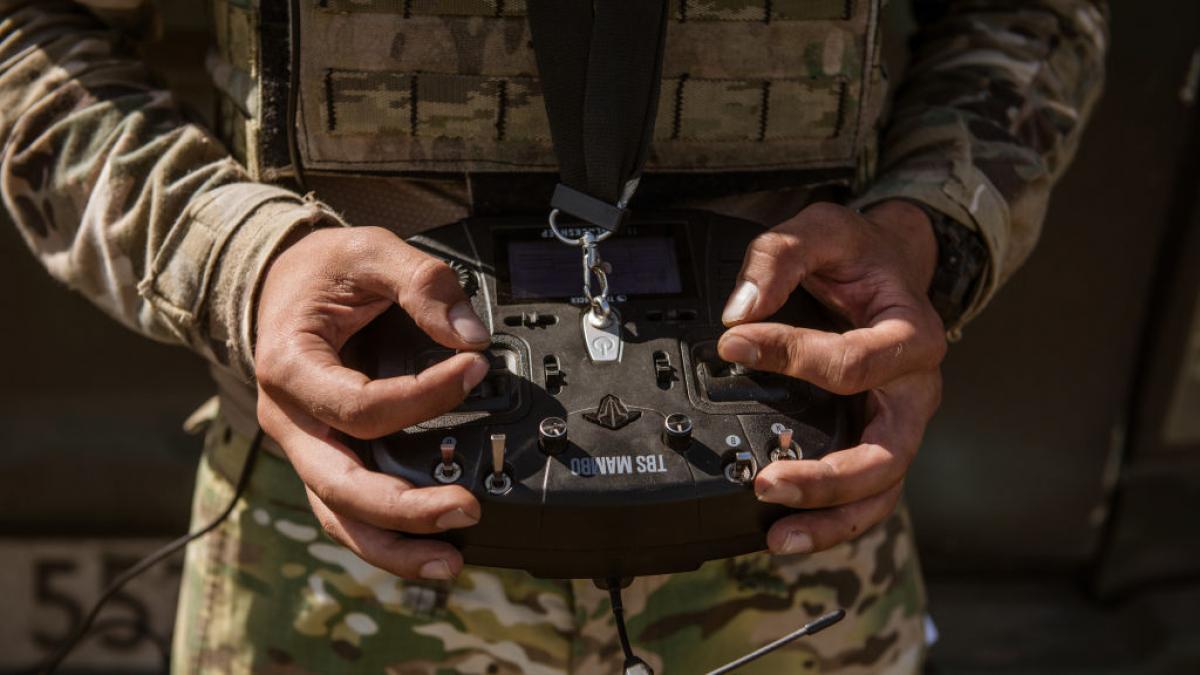
The local arms industry has stepped up its game and now produces devices with a range of up to 300 kilometers. The most cutting-edge aspect is that they no longer depend exclusively on a pilot; if the enemy tries to jam the signal, the drone uses its own vision system to autonomously lock onto the target . This means that electronic warfare, once the ultimate solution, now falls short against machines that can think for themselves in the final stages of their flight.
On the front lines, the numbers are staggering. It's estimated that neutralizing an enemy soldier with drones is significantly cheaper than conventional methods, reducing costs thousands of times over. Unmanned systems units, though few in number compared to the bulk of the army, are responsible for a large proportion of the casualties. This lethal efficiency is forcing both sides to recruit personnel hastily, often without the necessary training to evade these aerial hunters.

Guard dogs and concrete termites
Innovation isn't limited to long-range attacks. In everyday close-quarters combat, so-called interceptor drones have emerged, acting like veritable attack dogs. Their sole mission is to locate and ram the notorious Iranian-made Shahed drones before they reach their target. This is a far more logical and economical solution than spending an exorbitantly expensive anti-aircraft missile to shoot down a device that costs next to nothing, achieving success rates approaching 95% on the best days.
On the other hand, a tactic is emerging that seems straight out of a surgical demolition manual. Instead of trying to bring down a bridge with a massive bomb, dozens of small FPV drones are deployed to repeatedly strike the same spot. It's like a termite colony gnawing away at the concrete until the steel is exposed; once the structure loses its support, the bridge eventually collapses under its own weight. This approach saves tons of explosives and allows for strategic results to be achieved with a precision that was previously unimaginable.
The Strum Blade has also entered the scene, an invention that seems simple but is highly effective. Its function is to fly at ground level to sever the fiber optic cables of enemy drones that are hidden, waiting for a convoy to pass. Since these enemy drones don't use radio waves, they are invisible to jammers, so the only way to stop them is to physically sever their umbilical cord . It's a perfect example of how the most basic and the most advanced technologies can come together in the most challenging situations.
Current realities demonstrate that air superiority no longer depends on having the fastest aircraft or the heaviest tanks, but rather on who can produce more and better "eyes in the sky" at a reasonable price. The adaptability shown in recent months suggests we are witnessing a paradigm shift where artificial intelligence and the mass production of inexpensive devices have rendered many military doctrines obsolete. The skies over Europe have become a far more complex and dangerous place, marking a point of no return in how we understand national defense and the security of critical infrastructure.

Table of Contents