
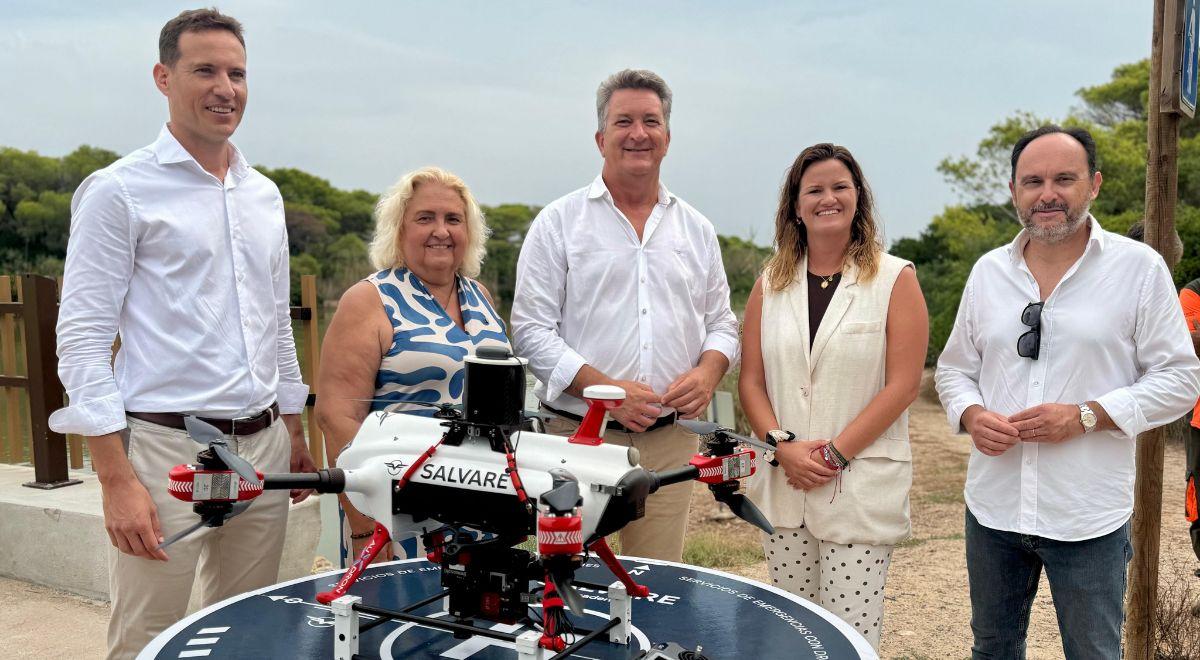
The Valencian regional government has launched a pilot project combining drones, hyperspectral cameras, and artificial intelligence to strengthen water quality monitoring in the Valencian Community. The initiative, dubbed 'Ocean Watcher', aims to detect potential spills or pollution incidents more quickly, reducing response times compared to conventional monitoring methods.
The Third Vice President and Minister of the Environment, Infrastructure, Territory, and Recovery, Vicente Martínez Mus, presented the project at the Gola de Pujol in the Albufera Natural Park, accompanied by the acting mayor of Valencia, María José Ferrer San Segundo, and the Director General of Environmental Quality and Education, Jorge Blanco. During the event, Martínez Mus emphasized that this initiative represents "a further step in the Valencian Government's commitment to innovation, technology, and data to improve environmental management."
This is how Ocean Watcher works
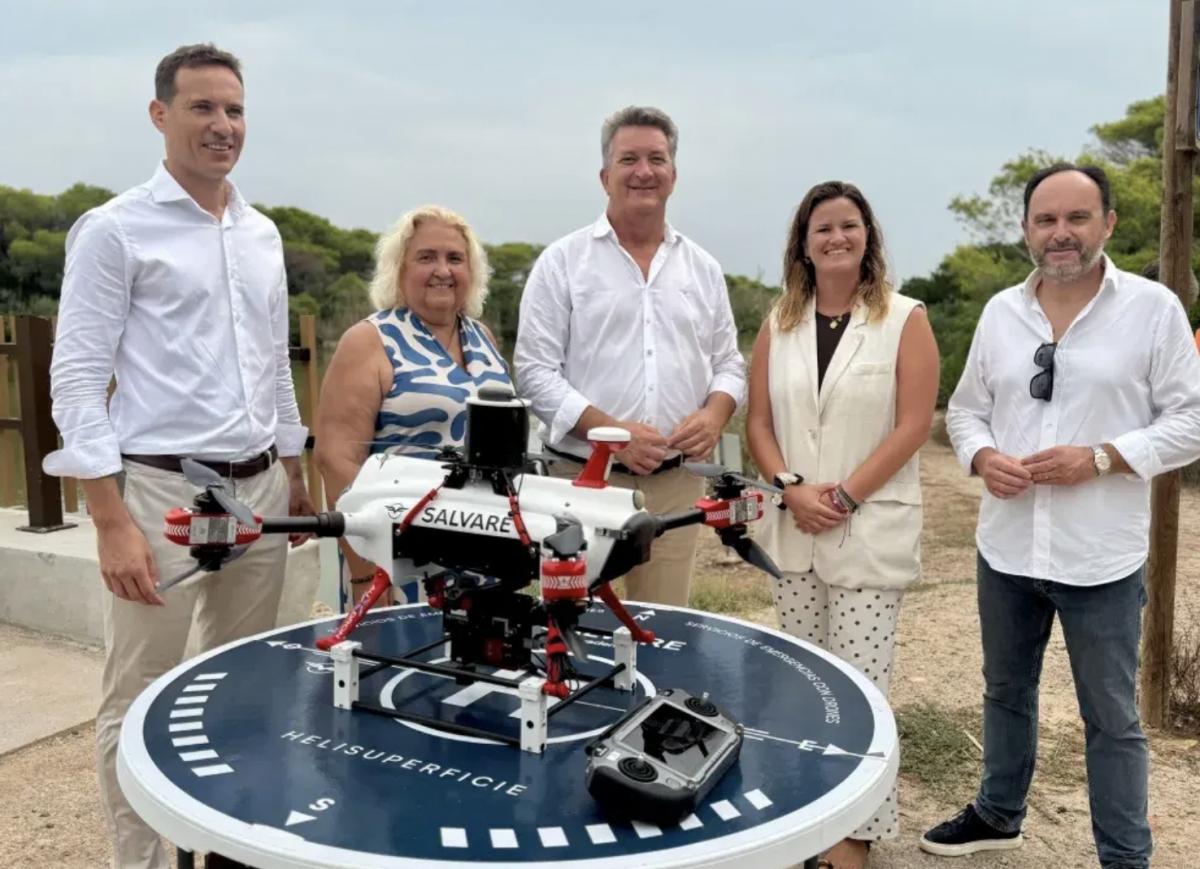
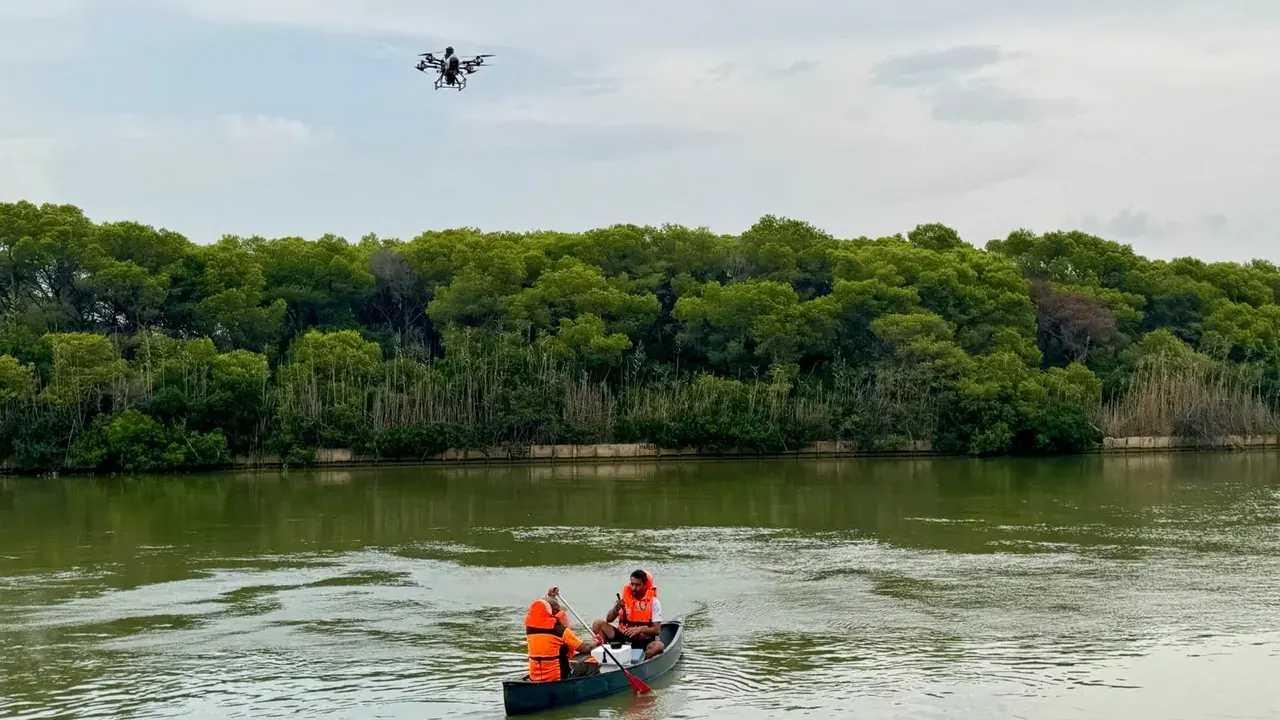
The system combines remote sensing using drones, spectral analysis, and artificial intelligence models with on-the-ground sampling campaigns. The flights capture the water's "spectral signature," a kind of luminous fingerprint that reveals its composition, and this information is cross-referenced with the results of physical samples to calibrate and validate the algorithms. The goal is to have a faster, more accurate, and more comprehensive monitoring system than the current one.
Technology allows for obtaining near real-time data on the state of the water, something impossible with traditional methods. As the regional minister explained, when an analysis detects parameters outside established values, approximately 24 hours may have passed since the sample was taken—a period during which the situation can change completely. With 'Ocean Watcher', the administration aims to drastically reduce this interval and facilitate a more agile response to potential incidents.
Reduce response times
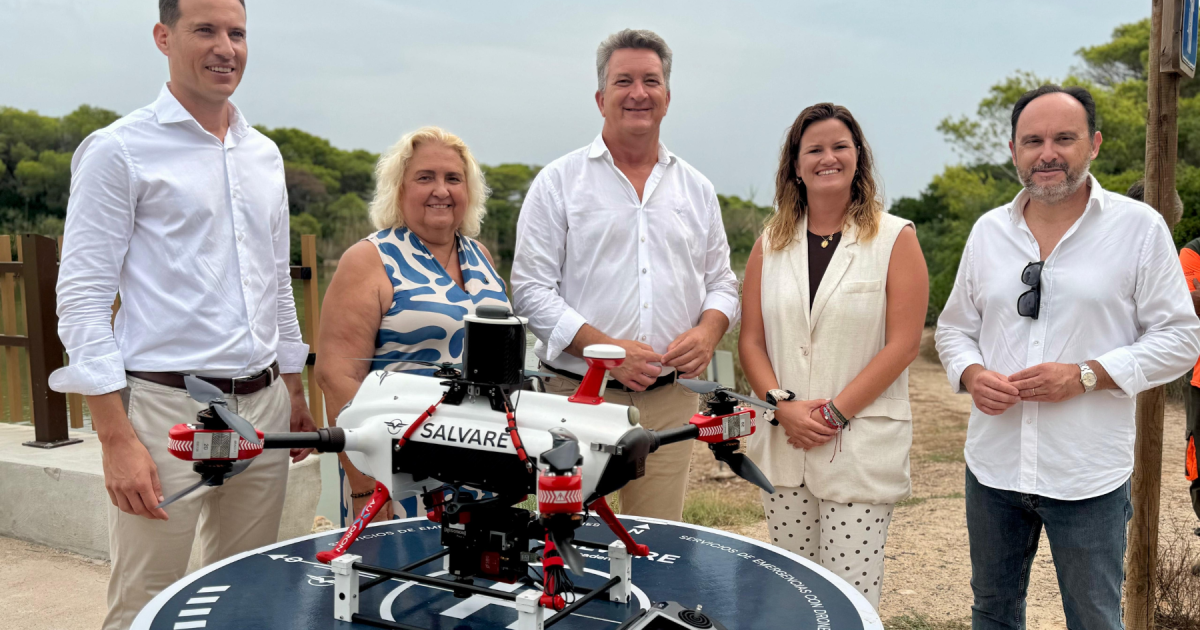
The main advantage of this project is the ability to act immediately in response to pollution incidents . Currently, the process of collecting samples, sending them to the laboratory, and receiving results can take up to 24 hours, delaying the implementation of measures such as the preventative closure of a beach. With drones and AI, information is obtained instantly, allowing environmental managers to anticipate problems instead of reacting after they have already occurred.
Martínez Mus emphasized that "technology allows us to move towards environmental management based on more information and a greater capacity for anticipation." The system does not replace laboratory analyses, but rather complements them, adding an additional layer of monitoring that can identify risk areas before a problem is confirmed.
Six checkpoints on the coast
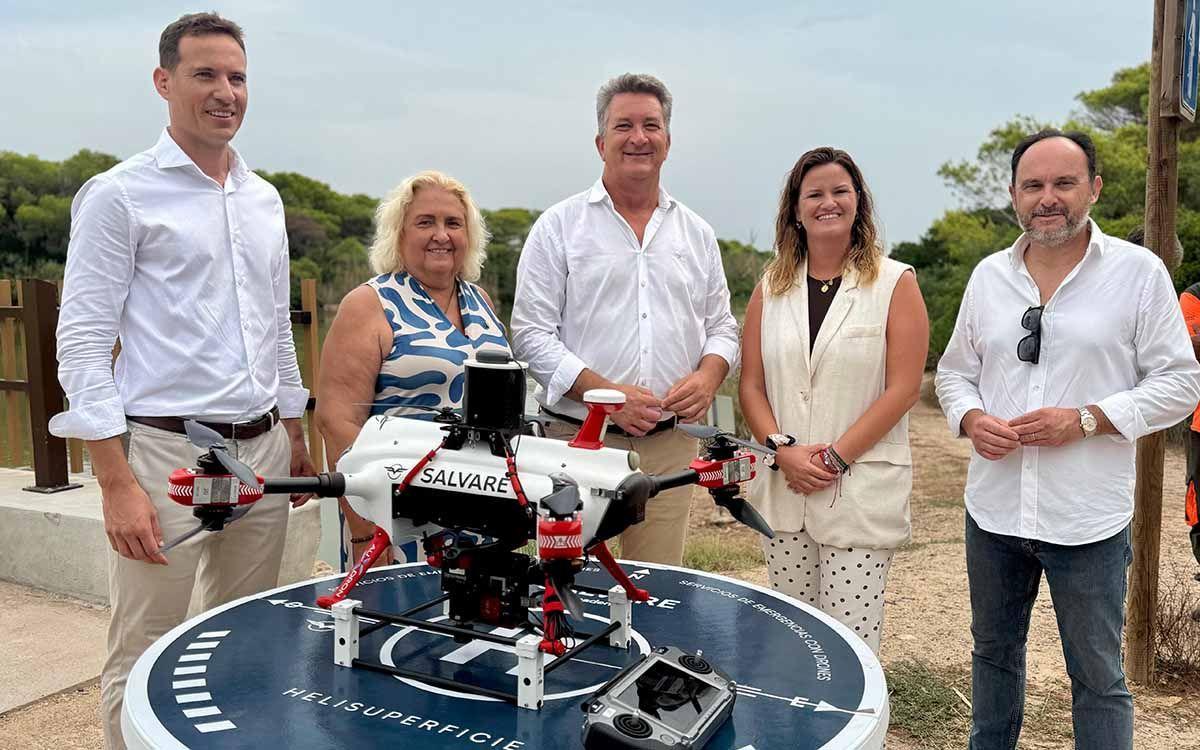
The pilot project is being carried out in six locations along the Valencian coast, selected for their potential impact from urban runoff . Specifically, the work is taking place in the Sangonera and Nova irrigation ditches in Meliana; the Sant Vicente ditch and the Carraixet ravine in Alboraya; the Pujol and Perellonet channels in Valencia; and the Gola del Rey inlet in Sueca. All of these are river mouths or canals where pollution incidents have historically occurred, forcing the temporary closure of bathing areas.

At each of these locations, surface water sampling campaigns and drone flights equipped with hyperspectral cameras are conducted. In addition to laboratory analyses, parameters such as temperature, turbidity, GPS location, and environmental conditions are recorded. All this information is correlated to progressively improve the system's accuracy.
A complement to the surveillance network
Ocean Watcher is not intended to replace the existing network, but rather to strengthen the monitoring of bathing water quality , which already performs nearly 5.000 analyses each season. This network not only monitors bathing areas, but also effluents that flow into the sea, such as channels, ditches, sewage overflows, and stormwater drains. The integration of remote sensing and artificial intelligence will allow for the addition of new sources of information to these monitoring efforts and advance the early detection of potential pollution incidents.
The project also aligns with the strategy promoted by the Valencian Government to mark the 40th anniversary of the Albufera Natural Park , which prioritizes scientific knowledge, innovation, and improved water quality. In this context, the regional administration has already installed sensors to digitize water management and lake monitoring, and 'Ocean Watcher' represents a further step in this direction, incorporating advanced technological tools to enhance the environmental management of the park and the aquatic ecosystems of the Valencian Community.
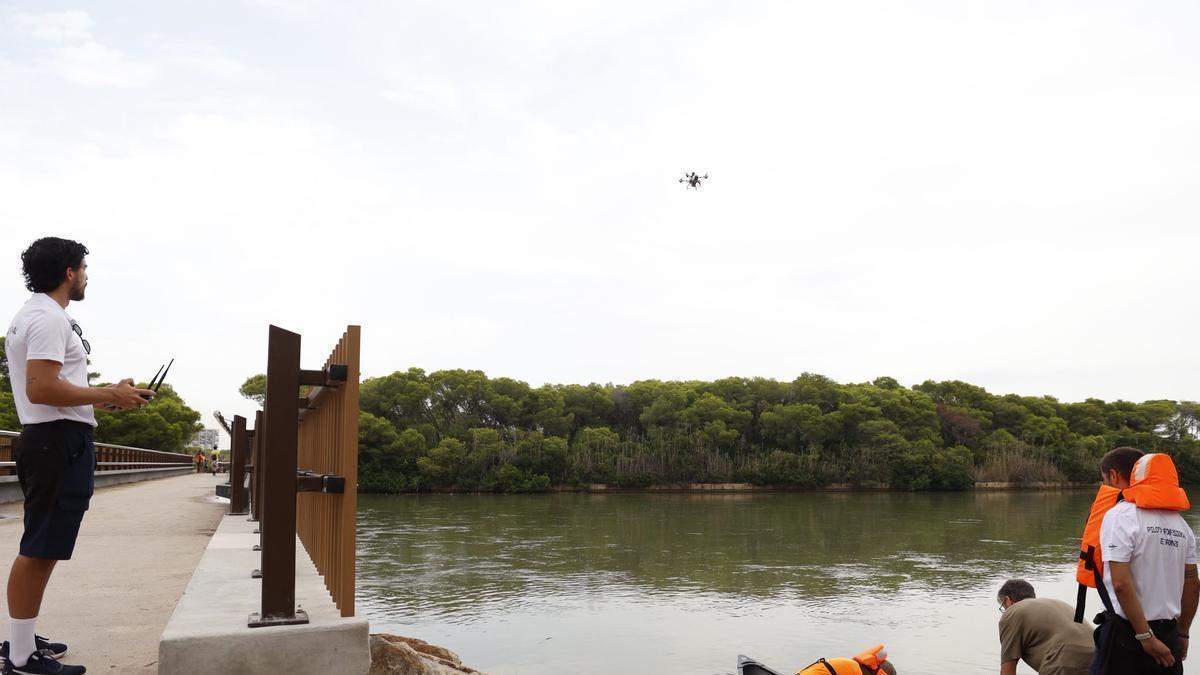
With this initiative, the Valencian Community is at the forefront of using drones and artificial intelligence for environmental monitoring. The pilot program, which will run during the bathing season, will allow authorities to evaluate the system's effectiveness and decide whether to extend it to more coastal areas in the future. Meanwhile, beachgoers can rest assured: the administration is working to ensure that water quality remains excellent, now with tools capable of anticipating potential problems.