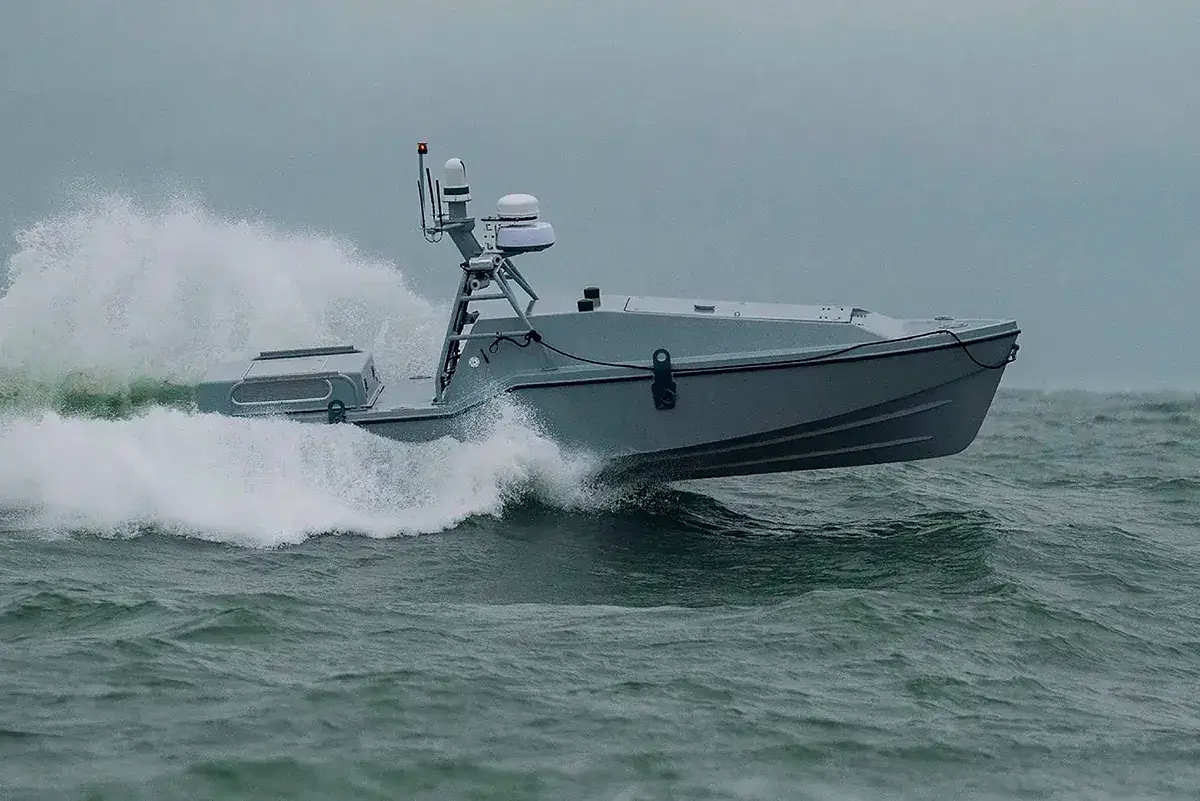
The war in Ukraine has taught a clear lesson: drones have become central to modern warfare. Both Ukrainian and Russian forces have demonstrated that these unmanned aerial vehicles, especially when powered by artificial intelligence, can turn the tide of a battle. The ability of drones to gather intelligence, strike with precision, and operate at low cost has redefined military strategies worldwide.
Faced with this reality, Europe has reacted swiftly. In just two weeks, NATO, the United Kingdom, Germany, and the European Union have announced multimillion-dollar investments and cooperation agreements to integrate drones into their armed forces. The continent is determined not to fall behind in a technological race that is already shaping the future of defense.

The impact of drones in Ukraine
Ukraine has become a testing ground for drone warfare. According to various sources, a significant portion of enemy targets destroyed by the Ukrainian army are the result of drone strikes. Artificial intelligence has enabled these devices to become highly specialized killing machines , capable of operating autonomously and evading electronic defenses. The Ukrainian expertise is so valuable that the EU has signed a 'Drone Deal' to leverage its knowledge.
Europe mobilizes: investments and alliances
NATO has announced a massive investment in counter-drone capabilities for the coming years, while the UK has allocated billions of pounds to a drone transformation program. Germany, for its part, has ordered tens of thousands of drones equipped with state-of-the-art software. The European Union and Ukraine have signed a defense industry cooperation agreement , known as the 'Drone Deal', which will allow for the sharing of technology and supply chains.
Artificial intelligence as a differentiating factor
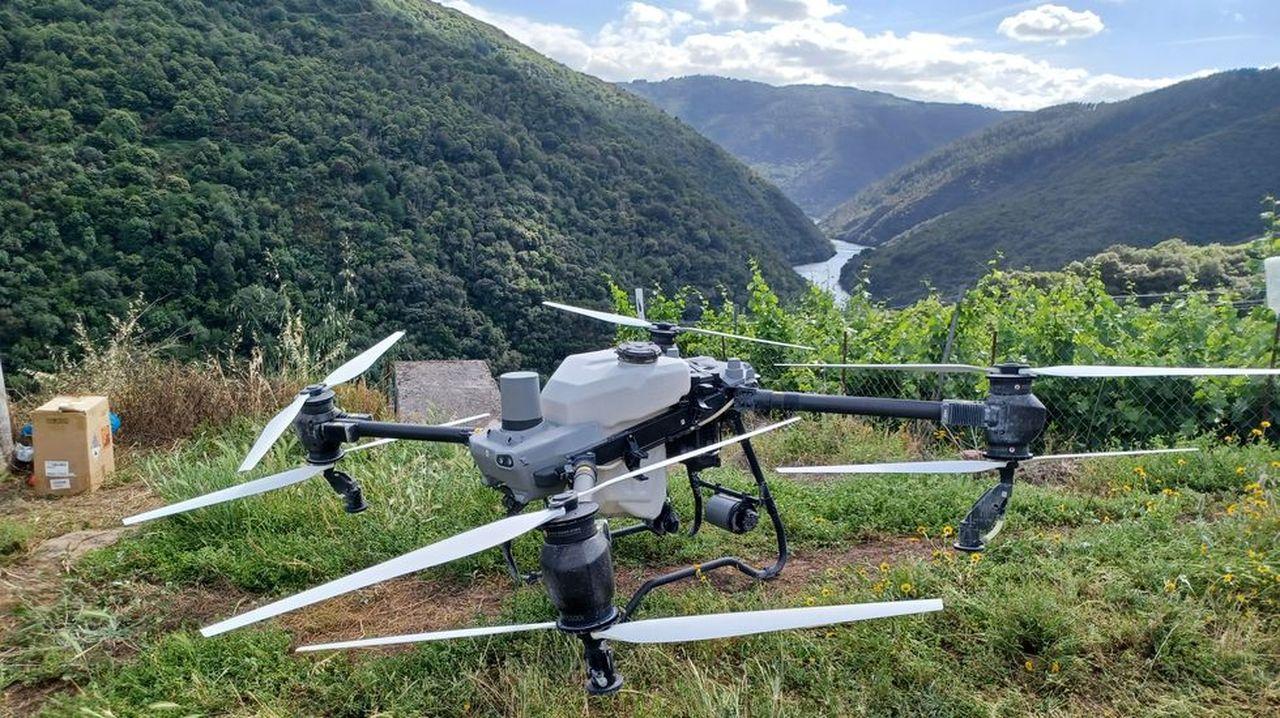
The real leap forward for drones comes from artificial intelligence. Companies like Helsing, valued at billions of dollars, are developing software that allows drones to operate autonomously even under electronic interference. AI is transforming drones into lethal, low-cost systems capable of adapting to the battlefield in real time. This technology is proving its effectiveness in both Ukraine and the Middle East.

The future of unmanned warfare
The limitations of drones, such as their vulnerability to electronic warfare or their limited range, have not hindered their adoption. Navies around the world are already designing drone motherships and developing attack swarms . Unmanned warfare is here to stay , and Europe is determined to lead this change. Collaboration with international partners reflects the growing network of military technology that is being built.
The military drone revolution is not a passing trend. Lessons learned from Ukraine, European investments, and advances in artificial intelligence point to a future where unmanned aerial vehicles will play a leading role. Europe is preparing for a new defense landscape where technology and autonomy will make all the difference.
Table of Contents