The drone systems sector is experiencing a boom in Europe, driven by the need to adapt to modern threats and to capitalize on the opportunities this technology offers in both the military and civilian spheres. Several simultaneous initiatives in different European countries reflect a firm commitment to integrating unmanned aerial vehicles into defense strategies, territorial innovation, and industrial cooperation. Spain, in particular, has become a key player, participating in projects ranging from pilot training in rural areas to the deployment of counter-drone units in NATO missions.
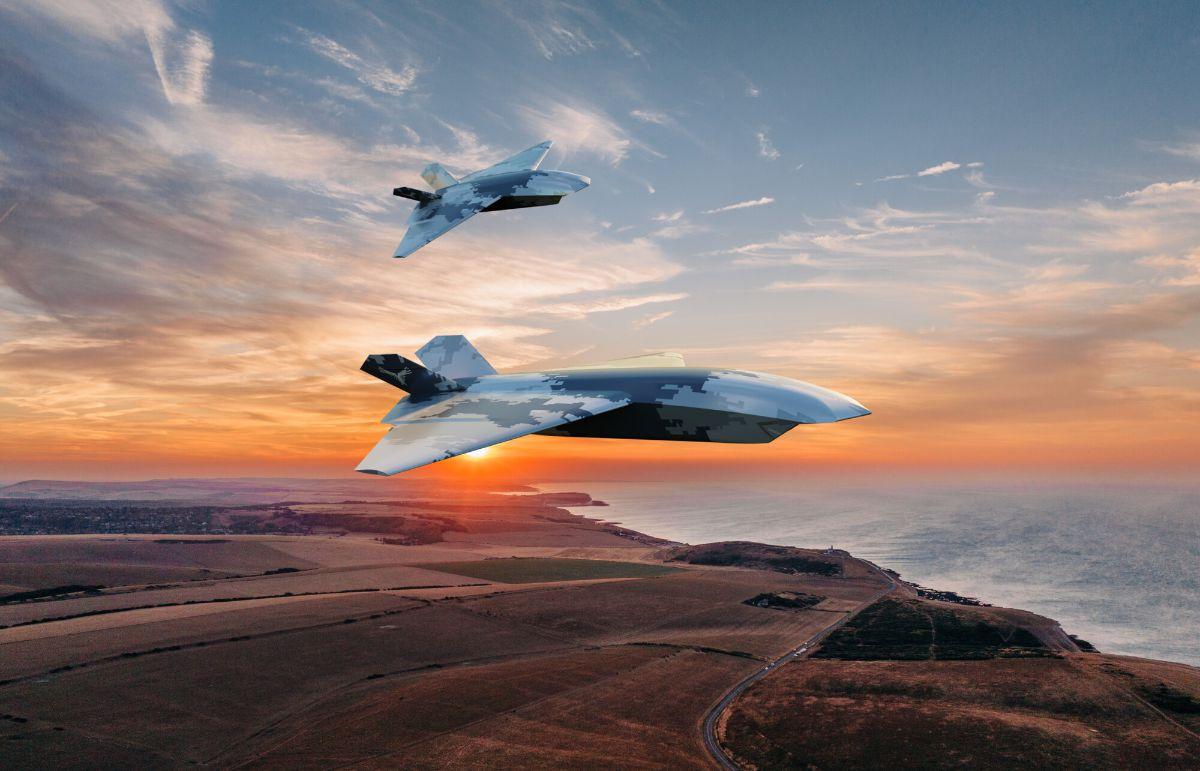
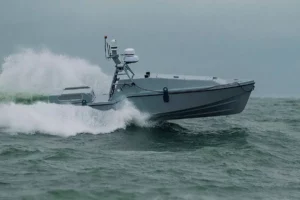
The combination of alliances between major companies, international agreements, and on-the-ground military exercises is shaping an ecosystem in which drones are moving beyond mere promise and becoming an operational tool. Cooperation between the European Union and Ukraine, along with industry partnerships , is accelerating the production of counter-drone and attack systems, while countries like the United Kingdom are advancing their own collaborative combat aircraft programs. In this context, the presence of Spanish companies like Indra and the involvement of the Armed Forces in real-world exercises underscore Spain's growing role in developing these capabilities.
European industrial alliances: Destinus, Thales and Indra
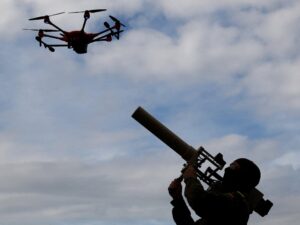
One of the most significant developments has been the strategic alliance between Thales and Destinus, announced at the Eurosatory 2026 trade fair. The two companies have agreed to jointly develop counter-drone systems, long-range effectors, and air defense solutions for European armed forces. Destinus contributes its portfolio of interceptors, such as the Hornet system and the new Vorexon , a high-speed point interceptor designed to protect critical assets against artillery rockets. Thales, for its part, integrates its expertise in radars, artificial intelligence, and key subsystems, including military warheads that meet NATO standards. Joint production of the Hornet interceptor will take place at an industrial plant authorized for pyrotechnic components, ensuring the project's scalability.
In parallel, the European Commission and Ukraine have signed a cooperation agreement on drones and counter-drone technology, involving 18 founding companies, including the Spanish firm Indra Group, drone traffic management company Destinus, and Ukraine itself. This agreement foresees the joint production of unmanned systems by the end of 2026 , as well as the short-term deployment of capabilities to counter drones and short- and medium-range missiles. The European Union has already disbursed €1.000 billion for the acquisition of Ukrainian drones, as part of a broader €90.000 billion support package. The collaboration also includes the creation of consortia between Ukrainian and European companies, combining Ukraine's combat experience with Europe's industrial capacity.

Innovation with drones in the interior of Valencia
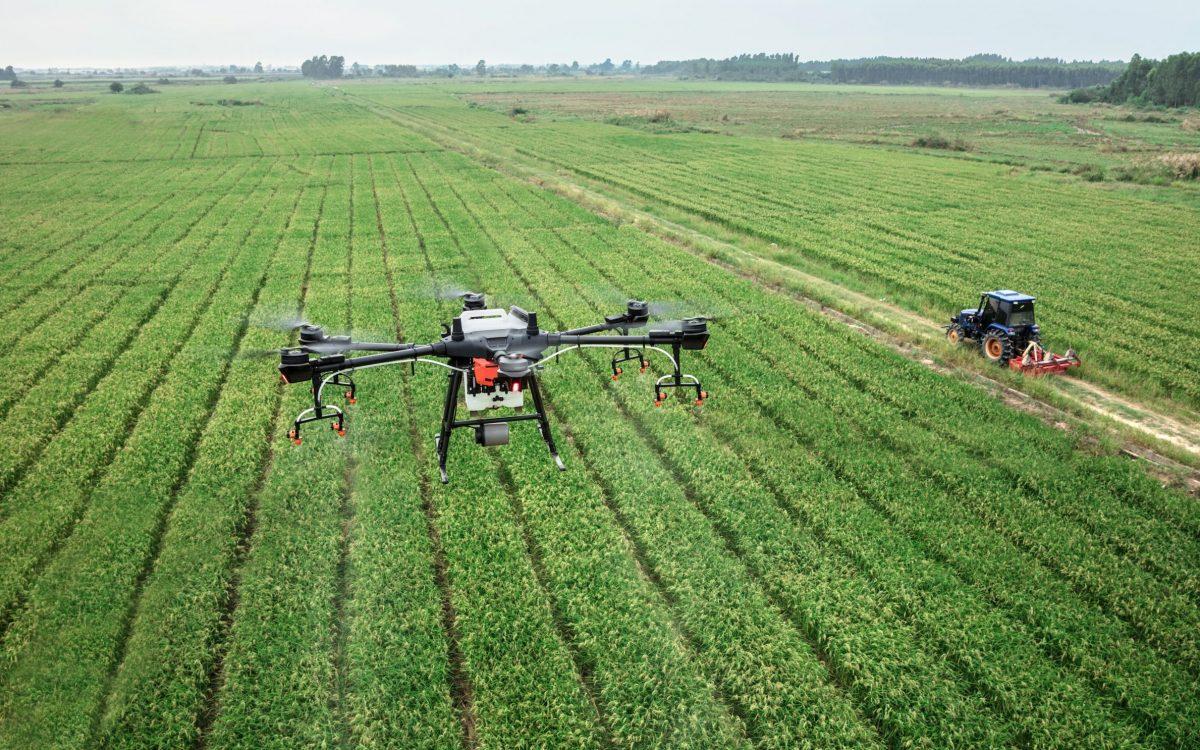
In the civilian sector, the RuralTEC Center of the Utiel-Requena Plain, managed by the El Olmo Foundation, has begun a collaboration with the Higher Technical School of Aerospace Engineering and Industrial Design (ETSIADI) at the Polytechnic University of Valencia. The goal is to integrate drone technology as a cross-cutting innovation tool in the region , beyond its traditional use in precision agriculture. During a working meeting, center representatives and university professors identified potential applications in forest management, fire prevention, environmental monitoring, mapping, rural logistics, and emergency management. The idea is to create an ecosystem that not only trains pilots but also fosters collaboration between universities, government agencies, businesses, and cooperatives to generate economic development and employment in rural areas.
As a first step, both entities will conduct a demand analysis in the region by consulting with local councils, businesses, and law enforcement agencies. This assessment will guide future training, research, and technology transfer initiatives , drawing on the experience of the Jaén Territorial Innovation Center, a national leader in the application of drones to the agricultural sector. This collaboration falls within the RuralTEC network of centers, promoted by the Ministry for Ecological Transition and the Demographic Challenge, and aims to attract companies from the aerospace and digital economy sectors to the Utiel-Requena region.
The Spanish Army integrates drones and anti-drone systems in Latvia

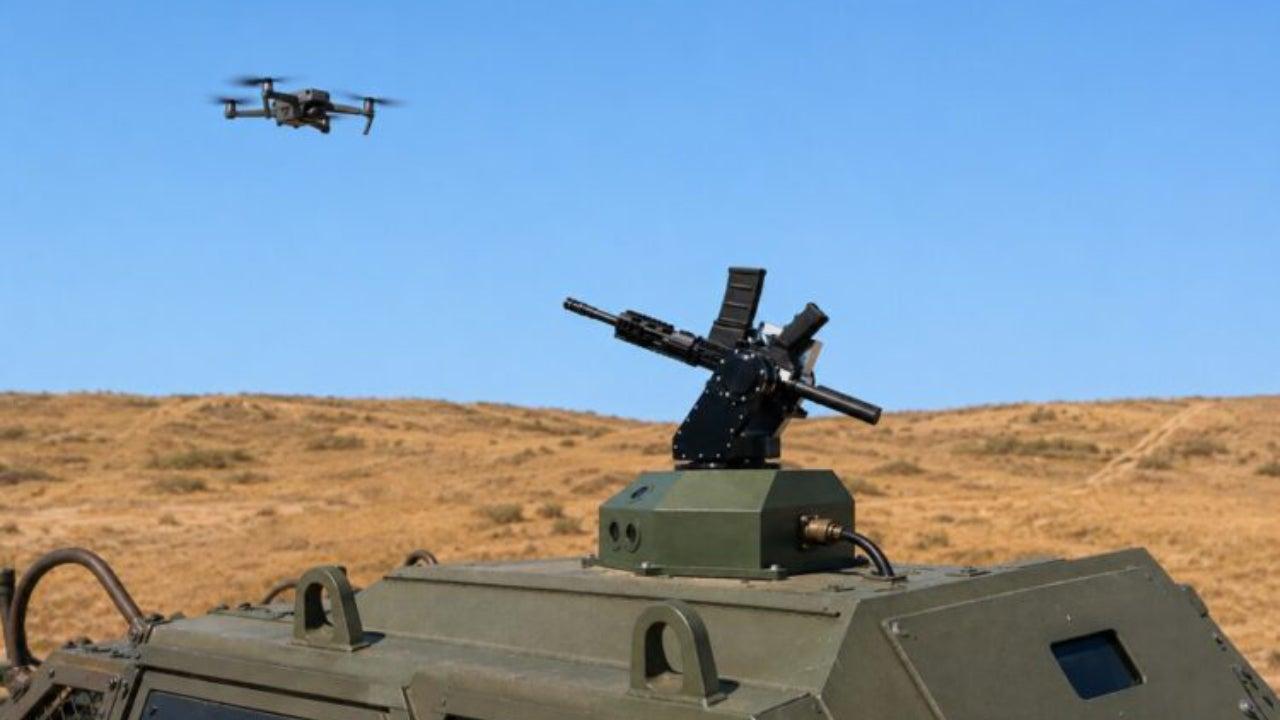
On the military front, the Spanish contingent deployed in Latvia participated in the multinational exercise 'Oak Forge', held at the Adazi training area. The maneuvers served to validate the integration of drones, counter-drone systems, and mechanized platforms in NATO joint operations . The Spanish company deployed a defensive force that combined Leopard 2E main battle tanks, Pizarro infantry fighting vehicles, a NASAMS air defense unit, and Raven unmanned aerial systems. The objective was to test an integrated defense capable of responding to high-intensity threats, improving real-time intelligence gathering and reaction capabilities.
Participation in 'Oak Forge' also allowed for verification of the full interoperability between the Spanish units and the other contingents of NATO's Multinational Brigade. The application of common procedures strengthened operational coordination and mutual trust among the allies , a fundamental pillar of the Alliance's forward presence on the eastern flank. In addition to the armored core, the Spanish contingent includes a field artillery unit, engineers, heavy mortars, and Spike anti-tank missiles, demonstrating the breadth of capabilities that Spain contributes to collective defense.
The evolution of the Armed Forces towards a combat model that integrates armored platforms, unmanned systems, and drone defense, based on the Legion's foundation, is a trend that is consolidating across Europe. The combination of industrial alliances, multi-million euro investments, and field exercises is laying the groundwork for drone systems to become a central element of European security, both in the military and civilian spheres. Spain, with its participation in rural innovation projects, industrial agreements, and NATO deployments, is positioning itself as a key player in this technological transformation process.