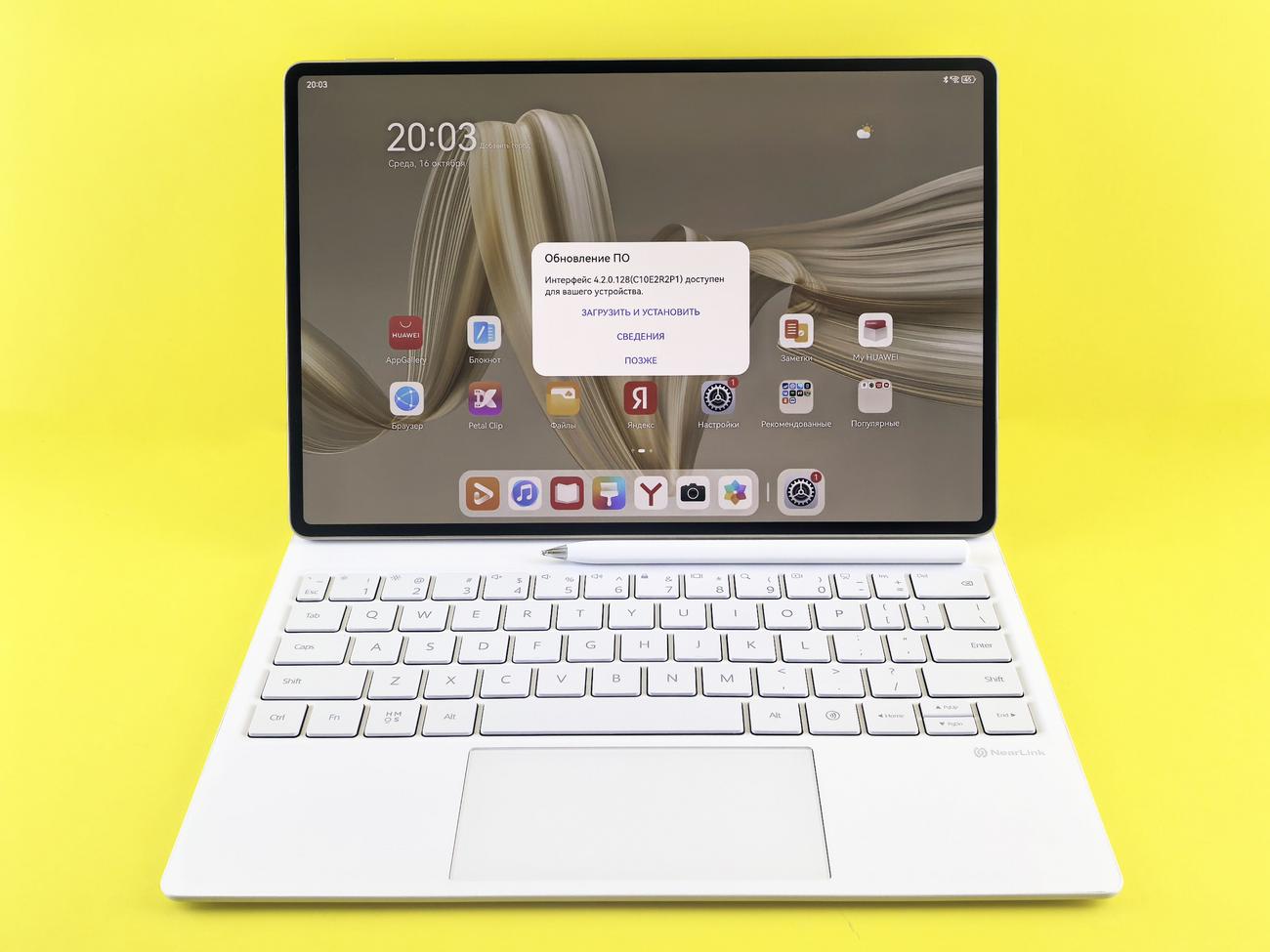
If you've ever wondered exactly what a tablet PC is, think of it as the perfect middle ground between a smartphone and a laptop . It's not just a big screen for watching shows; it's a versatile tool that lets you interact using touch or a stylus, putting the physical keyboard on the back burner to prioritize immediacy and portability.
Although they seem commonplace today, these machines have had a bumpy road to reach our hands. From futuristic concepts in film to failed attempts by tech giants, the evolution of tablets has been a true rollercoaster of innovation that has ultimately changed the way we consume content and work.
A journey through history: from cinema to reality
The idea of an information tablet didn't originate in a laboratory, but rather in the imagination of Hollywood. Films like 2001: A Space Odyssey and the Star Trek series foreshadowed these devices long before the technology to manufacture them existed. Later, in the 70s, Alan Kay proposed the Dynabook, a device designed for children that ended up serving as the basis for portable military information systems.
Apple wasn't far behind and, in the 1980s, showcased the Knowledge Navigator, a voice-activated device, although it remained just a concept. Actual attempts like the Newton line in the 1990s failed due to their high cost. It wasn't until the 21st century that Microsoft launched its Tablet PC and Nokia created heavy 10-inch prototypes. However, the commercial breakthrough came in 2010 with the iPad, which set the rules of the game and forced brands like Samsung, Huawei, Lenovo, and Xiaomi into what became known as the "tablet wars."
What is a Tablet PC really used for?
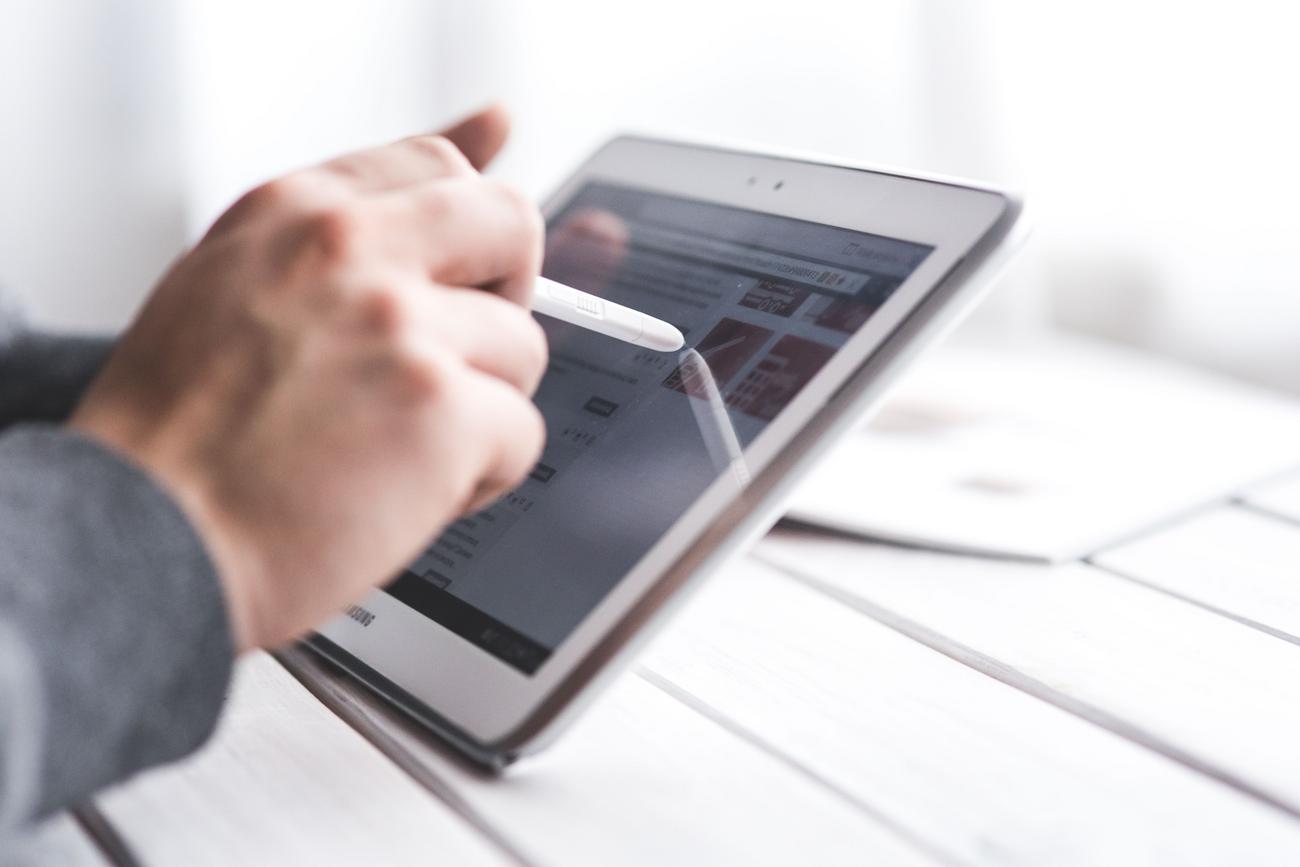
Unlike a conventional computer, a tablet is geared towards multimedia and web browsing . They are ideal for reading ebooks, editing small documents, managing social media, or making video calls. Thanks to their integrated GPS and HD cameras, they function perfectly as portable scanners or digital drawing tools, and are much more intuitive than a conventional ergonomic mouse.

There are various types of hardware. We have pure tablets, which are basically just a screen, and convertible devices , which allow you to rotate the screen to use them as a whiteboard or a traditional laptop. In addition, mini PCs have emerged, which, although they don't have their own screen, offer similar power in a smaller size, connecting via HDMI to any monitor.
Advantages and weaknesses
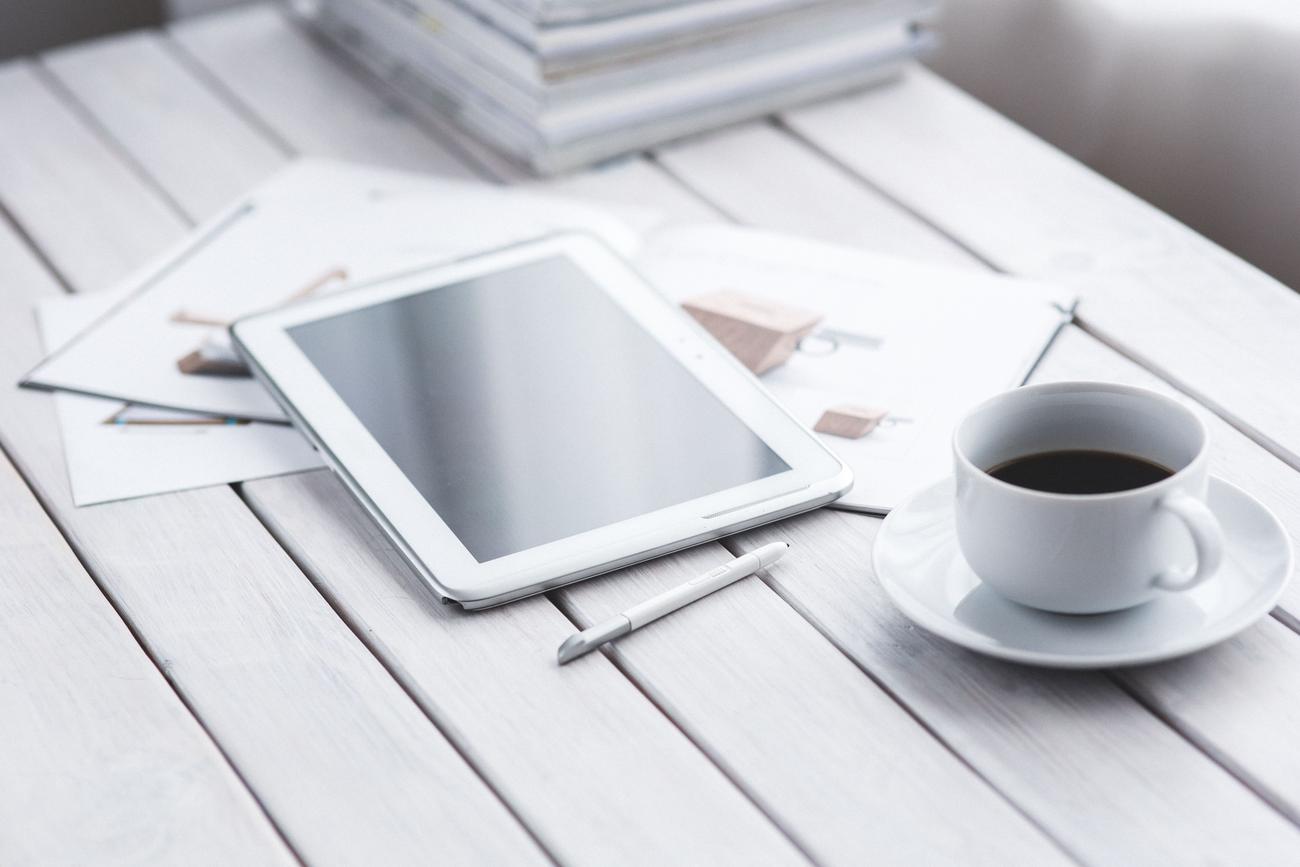
- Extreme portability: They are lightweight, can be used with one hand, and the battery usually lasts much longer than that of a laptop.
- Intuitive interaction: Using a stylus or your fingers greatly facilitates the creation of diagrams, signatures, and artistic drawings.
- Cost and Ergonomics: Sometimes they're more expensive than a laptop with the same hardware due to the complexity of the touchscreen. Also, typing long texts on a virtual keyboard is considerably slower and it can tire the arm because there is no support for the wrist.
- Graphic performance: Most do not have a dedicated video card, so they are not the ideal equipment for professional programmers or demanding gamers.
Operating systems and the world of children
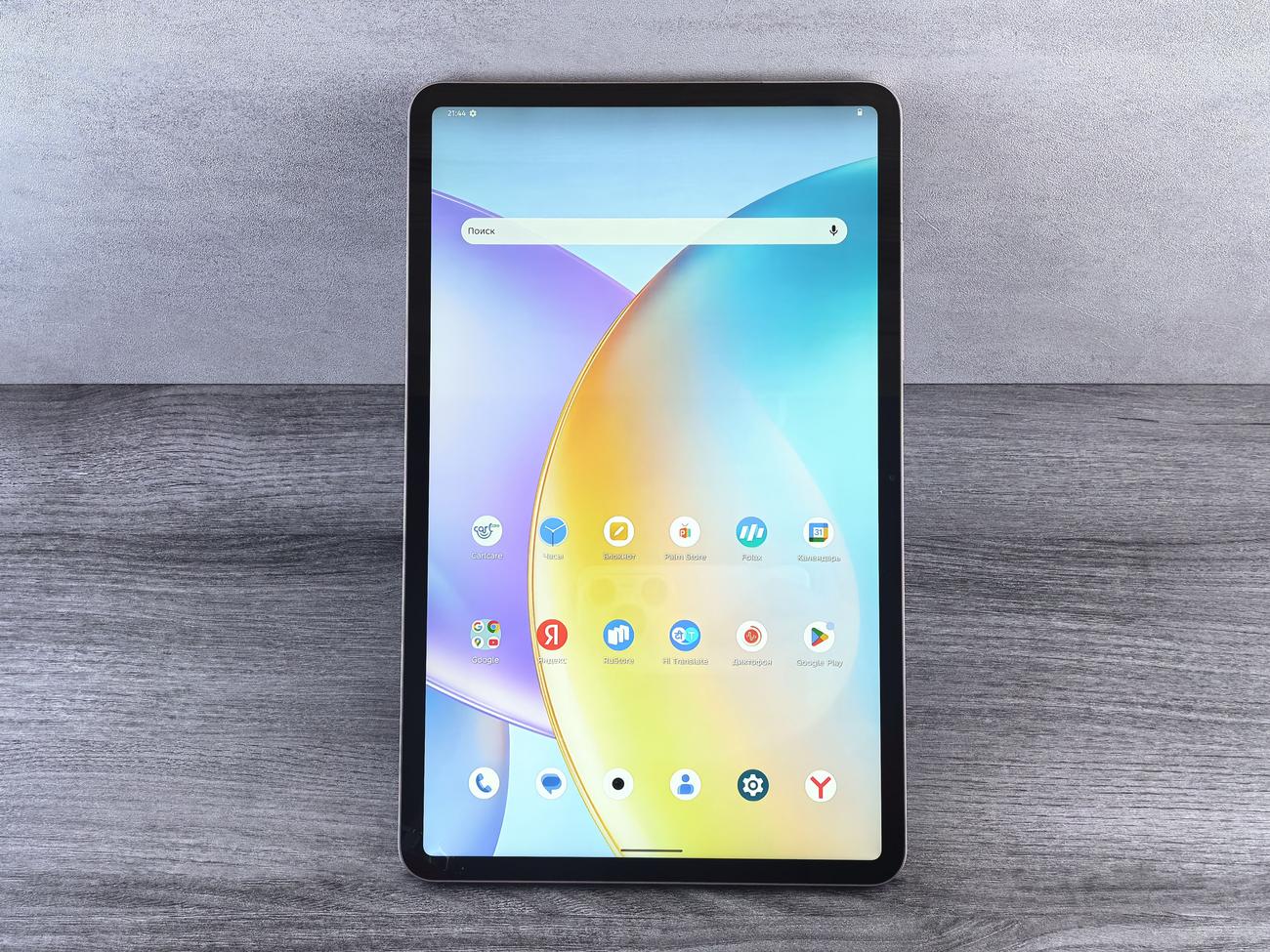
The brains behind these machines are mainly divided into two camps. On one hand, we have post-PC systems like Apple's iOS (more closed and optimized) and Google's Android, where Gemini now takes over from Google Assistant . On the other hand, there are desktop systems like Windows or Linux, which turn the tablet into a full-fledged computer but sometimes don't feel as natural to the touch.

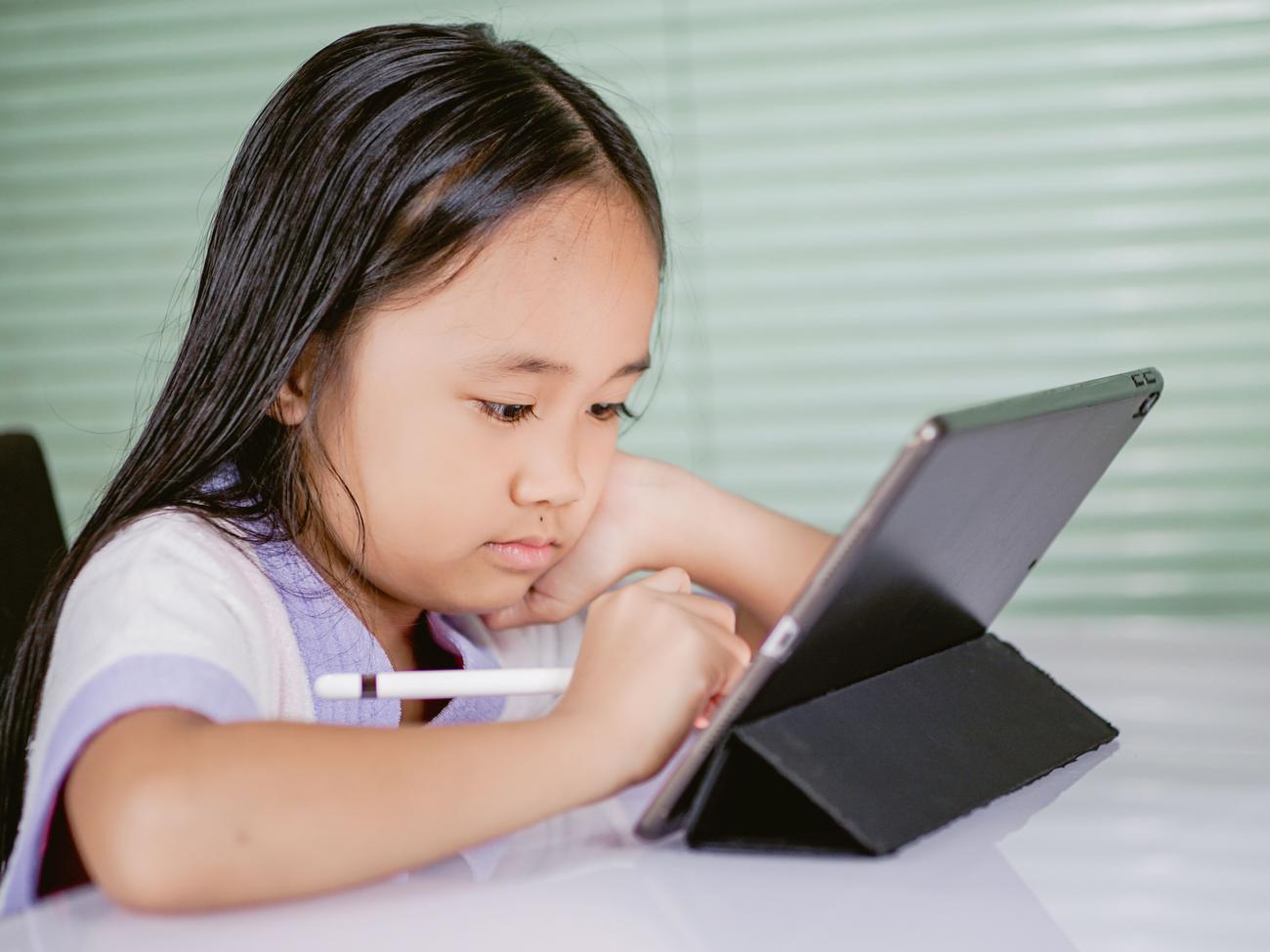
One particularly strong sector is children's tablets. These devices, like the Samsung Galaxy Tab Kids or the Fire Kids, come with durable EVA foam cases and strict parental controls. They are fantastic educational tools that allow children to learn letters and numbers in a safe environment, preventing them from touching the adult devices and messing up the settings.
The future and education
UNESCO has already highlighted that mobile learning offers unprecedented access to information. In schools, these tools increase motivation and allow for instant content updates, although teachers warn that they can be a source of distraction if not managed properly . Looking to the future, graphene promises flexible tablets that can be rolled up and charged by solar energy.
In short, the Tablet PC has gone from being a science fiction dream to an essential tool that balances the power of a PC with the lightness of a mobile phone, adapting to each user profile, from the student taking notes to the child discovering the digital world.