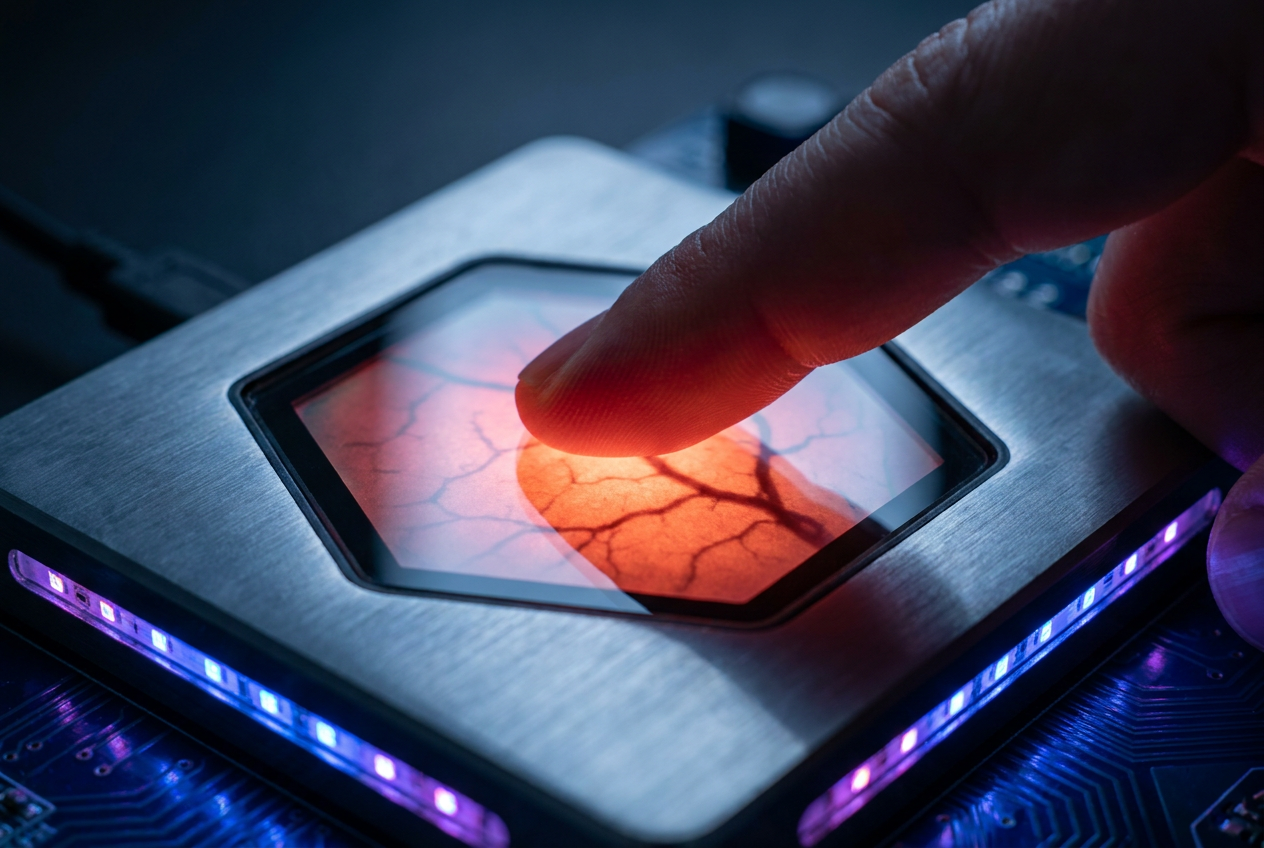
You've probably heard of fingerprints or facial recognition, but there's a much more discreet and robust technology hidden beneath our skin. Finger vein recognition is a biometric authentication system that, instead of looking at the surface, focuses on the intricate network of blood vessels in our extremities, making it a personal and non-transferable access key.
What makes this method so special is that it takes advantage of the biological properties of our blood. Deoxyhemoglobin, present in the bloodstream, has the unique ability to absorb near-infrared light. When the finger is illuminated, this causes the veins to project as a network of dark lines against a lighter background. This image is processed and transformed into a digital data pattern that serves as a template to verify that the person attempting to access the system is indeed who they claim to be.
How exactly does this process work?

To read our internal structure, the system uses a device composed of infrared LEDs and a monochrome CCD camera. When we place our finger inside, the light penetrates the tissues and is absorbed by the blood; the camera captures this reflection and generates a raw image. From here, image processing takes place, where the Region of Interest (ROI) is extracted to eliminate any visual noise and retain only the relevant vascular pattern.
On the technical side, advanced filters such as Gaussian and guided filters are used to improve accuracy and help clean the image. Furthermore, to make artificial intelligence systems more effective, data augmentation techniques (rotations, brightness adjustments, or translations) are employed, allowing models to be trained even with limited samples. Some modern developments have modified architectures like VGG-19, eliminating redundant layers and adding spatial and channel attention mechanisms so that the software focuses solely on the most distinctive parts of the vein.
Advantages over other biometric systems
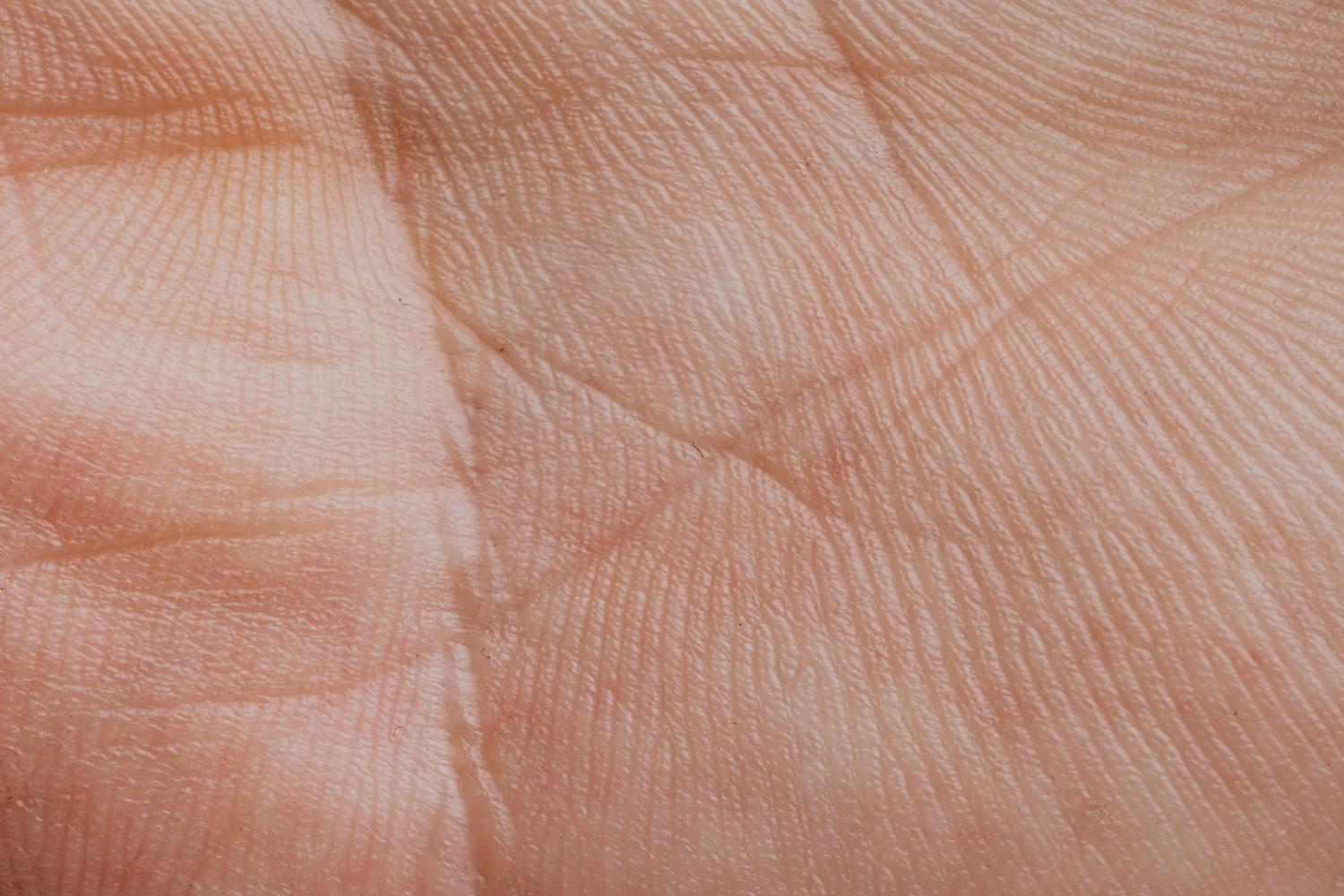
If we compare this technology to fingerprint scanners, the advantages are overwhelming in certain scenarios. Fingerprints can fail if we have very dry skin, abrasions, or conditions like psoriasis. In contrast, when reading from inside the body, the condition of the skin's surface is completely irrelevant. Furthermore, it's a much more hygienic system, as there are versions that don't require direct physical contact with the sensor.
- Extreme security: It is virtually impossible to fake because it requires the subject to be alive and have blood flow.
- Inherent privacy: Unlike the fingerprints we leave on every glass we touch, veins are hidden and no one can "steal" them from us without our consent.
- Speed of execution: The process of scanning and comparing with the database usually takes less than two seconds.
While retinal scanning is highly accurate, it can be intrusive and uncomfortable for many people. Vascular recognition is simply much more intuitive and convenient for the end user, even allowing the registration of multiple fingers as a backup to avoid blockages.
Real-world applications and forensic security
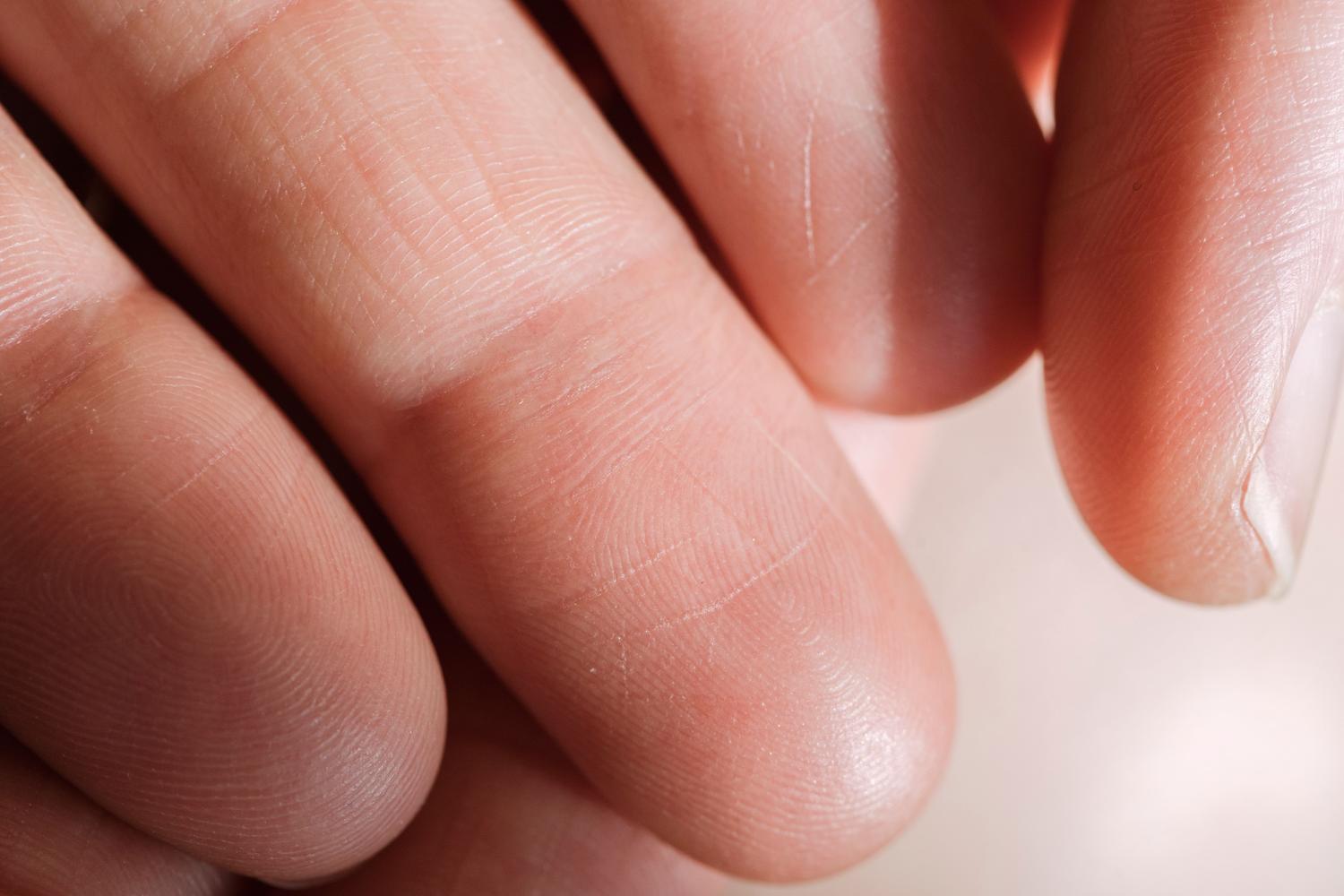
This technology is no longer science fiction; it's used daily in ATMs, employee attendance tracking, car security, and credit card authentication, especially in countries like Japan. It has even made its way into the legal field, where agencies like the FBI and CIA have explored vein matching to corroborate identities in complex criminal cases, although some experts still debate its complete reliability as an independent forensic tool.
In the healthcare sector, some hospitals use vascular recognition systems to identify unconscious patients or prevent critical medication errors, saving time and reducing bureaucratic paperwork. On the other hand, there are variations such as palm vein recognition, which offers a much broader area of interest and allows for the generation of irrevocable cryptographic keys based on blood vessel bifurcations.
Although attempts exist to deceive these systems using materials that mimic human flesh and infrared absorption, most modern devices include liveness detection . This means the system not only looks for the vein's shape but also verifies that a living organism is present, making spoofing a Herculean task for any attacker. This vascular biometrics ecosystem is thus established as a robust, efficient, and extremely difficult-to-breach solution, integrating human biology with advanced computing to guarantee an unassailable digital identity.
Table of Contents