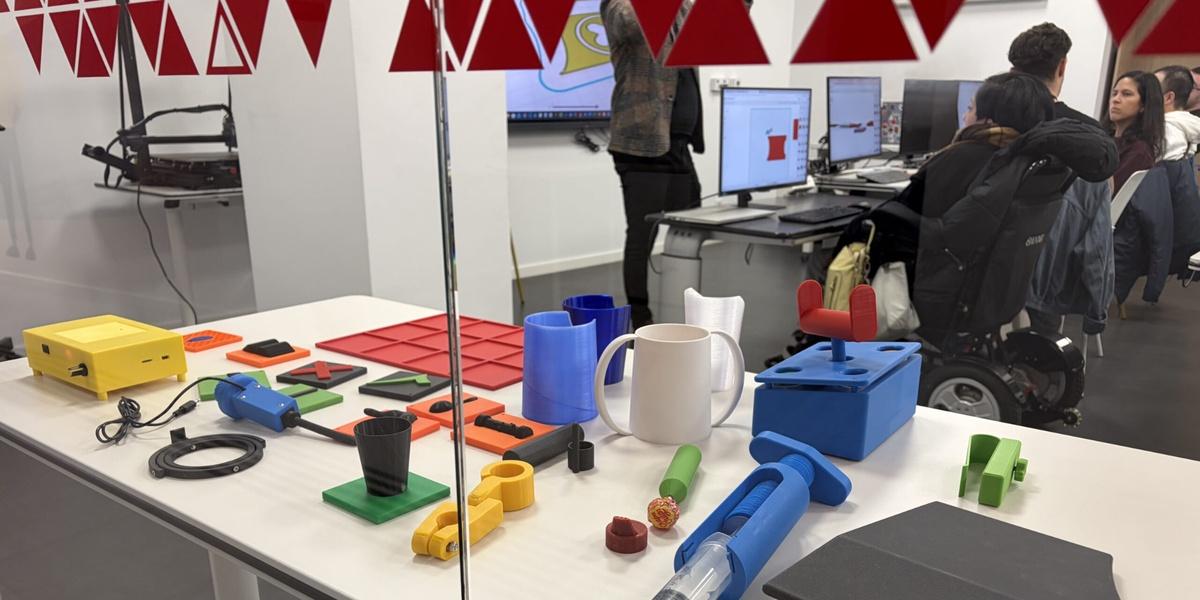
The ONCE Foundation, through Inserta Innovación, will offer training and paid work experience to 40 young people under 30 with disabilities in fields such as 3D printing and inclusive education , advanced manufacturing, artificial intelligence, and the circular economy. The initiative is co-financed by the State Public Employment Service (SEPE) and European funds, and is being developed within the framework of the TándEM Experienciales program.
The programs are called Print Evolution and Green Evolution . The first focuses on 3D and vertical printing, while the second is geared towards the repair of electronic devices. Both combine specialized training with paid work experience and will last a total of 12 months.

Print Evolution and Green Evolution: 12 months of training and paid employment
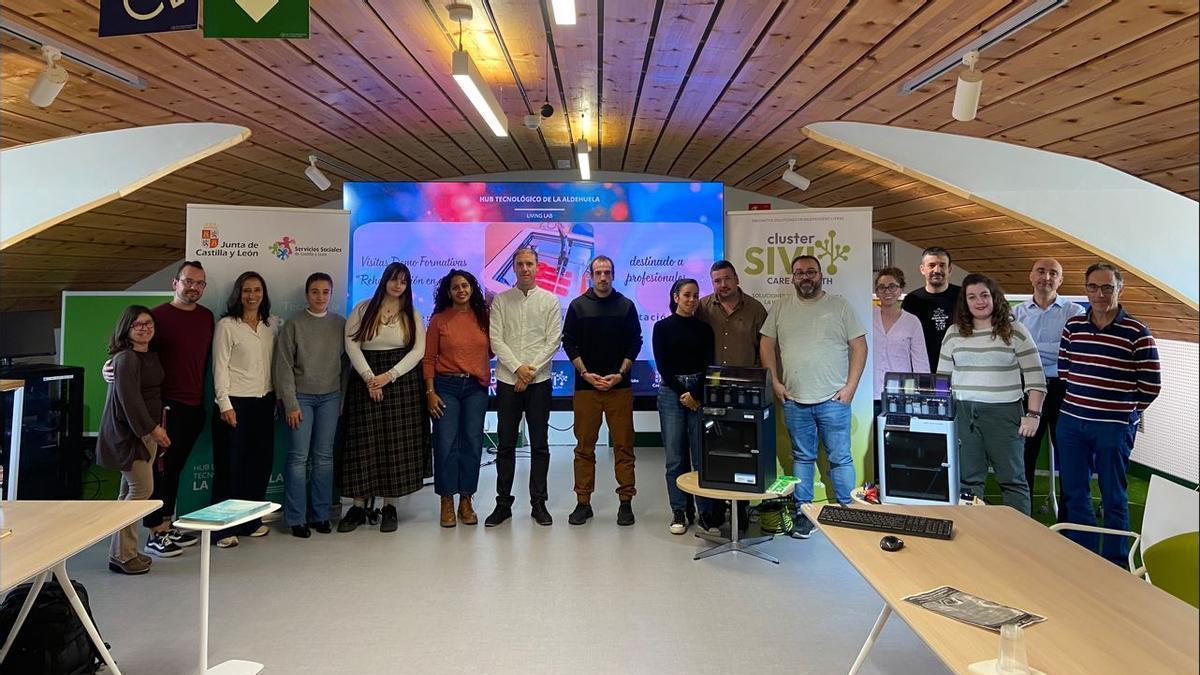
During the first three months , participants will receive specialized training. For the remaining nine months, they will alternate between work experience and learning, with the aim of facilitating their access to emerging professions related to technological and ecological transformation. The program goes beyond theoretical classes: it includes paid work experience.
Print Evolution will train technicians specializing in additive manufacturing, 3D printing, and AI-assisted vertical printing . Green Evolution will train professionals in the repair, refurbishment, and recycling of electronic equipment, in line with the circular economy.
Who is it aimed at and where is it taught?
The programs are designed for young people under 30 with disabilities . The program is offered at centers in Madrid, Valencia, and Barcelona. Twenty students will participate in Madrid: ten in Green Evolution and ten in Print Evolution. Ten students will join Print Evolution in Valencia, and another ten will join Green Evolution in Barcelona.
The activities will be held at the Por Talento Digital headquarters in Madrid , at the XTD Barcelona headquarters and in a space provided by the Valencia City Council in Las Naves, within Valencia Innovation Capital.
3D printing, artificial intelligence and the circular economy to reduce the digital divide
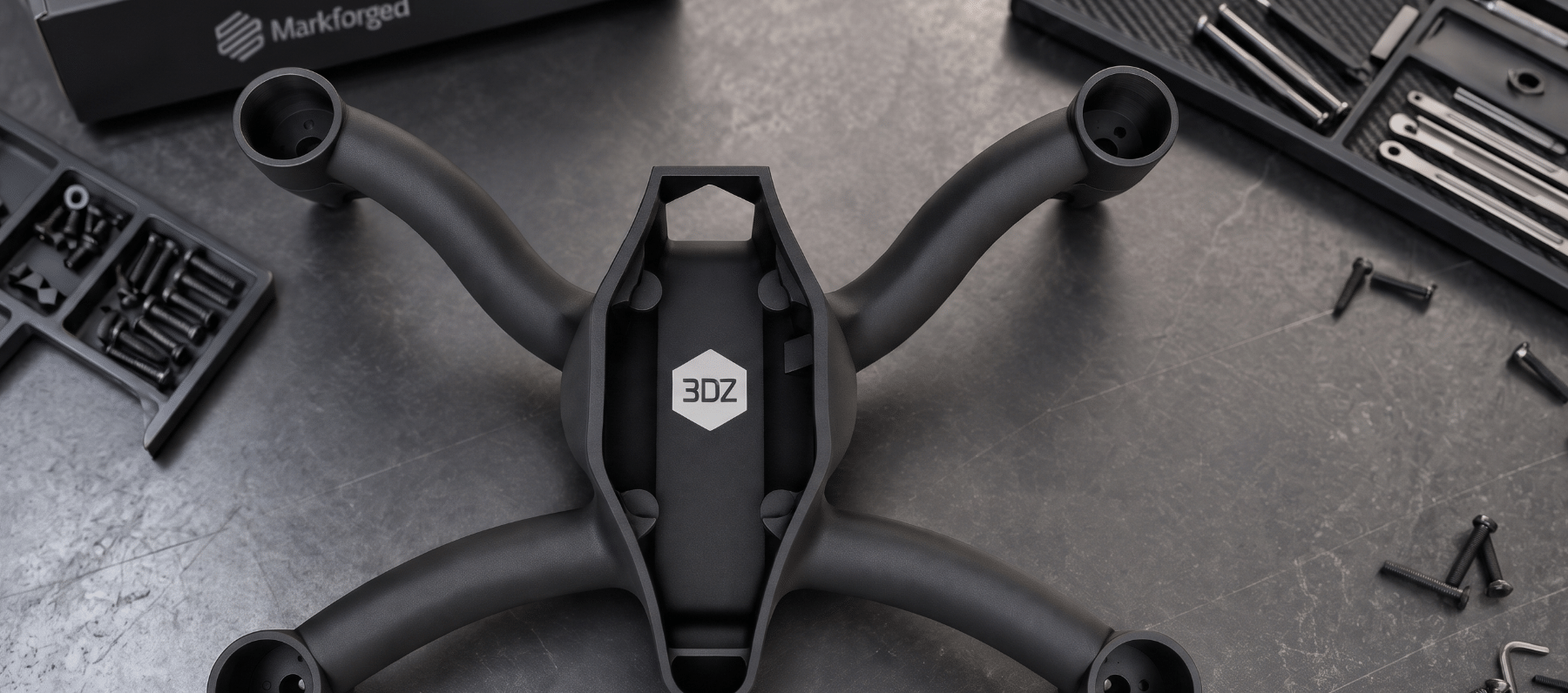
Both programs incorporate artificial intelligence as a support tool to improve the productivity, accessibility, and employability of participants. The initiative also aims to reduce the digital divide and facilitate access for people with disabilities to in-demand jobs in growing sectors.
In addition to technical training, students will receive personalized support, training in digital skills, sustainability and equality , as well as career guidance. Fundación ONCE includes these programs within its initiatives to create employment opportunities and foster a more inclusive, innovative, and sustainable labor market.
What practical information should be taken into account?
The available information does not specify a registration deadline or concrete administrative requirements. It does, however, outline the framework, duration, and allocation of places, which are the details needed to understand the scope of the initiative.
- Total length: 12 months, with three months of specific training and nine months of work activity and learning.
- Participants: 40 young people under 30 years of age with disabilities.
- Places per city: Madrid, 20; Valencia, 10; Barcelona, 10.
- Itineraries: Print Evolution, focused on 3D printing and additive manufacturing; Green Evolution, focused on repair and recycling of electronic equipment.
The program is co-financed by the SEPE (Spanish Public Employment Service) and European funds , and falls under the TándEM Experienciales (Experiential Tandem) initiative. For participants, the combination of training and paid experience can represent a first step towards jobs related to technological and ecological transformation.
The focus on 3D printing and electronics repair reflects the search for emerging professions with high job demand. The initiative also emphasizes that technology can be a path to inclusion when accompanied by accessible training and career guidance.
Table of Contents