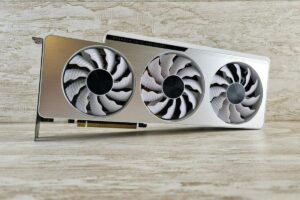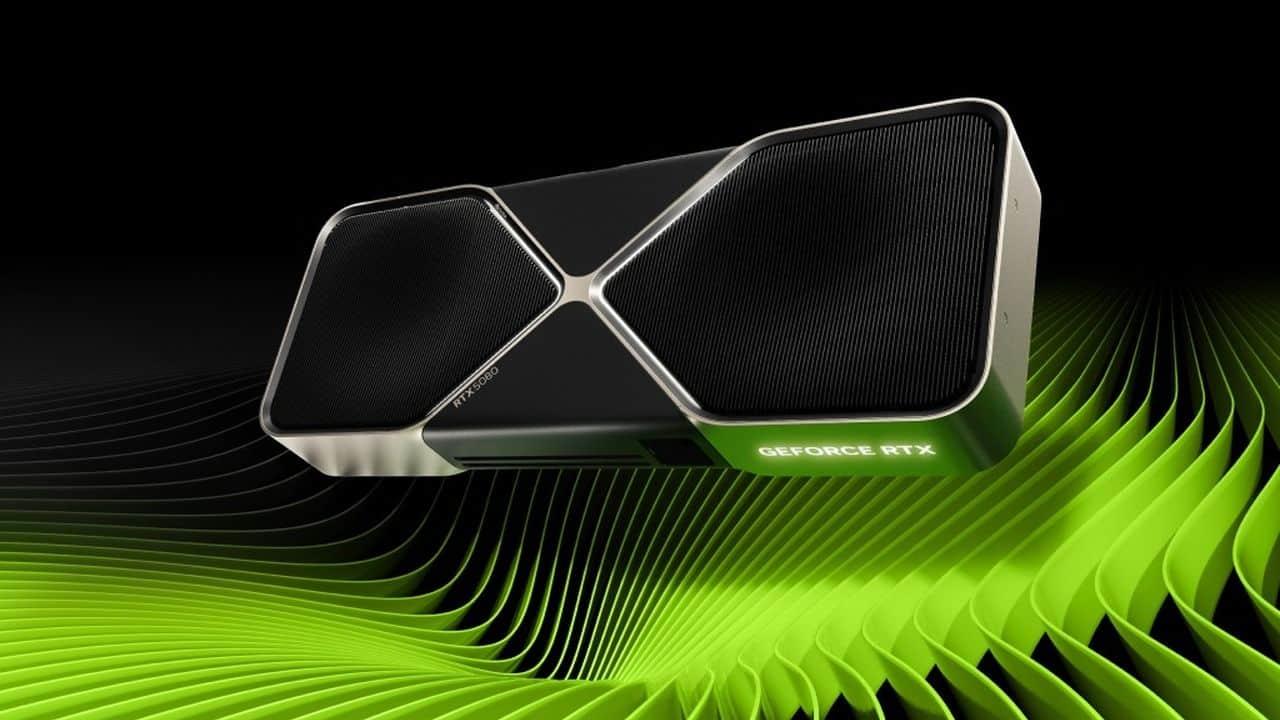
The year 2026 is proving to be particularly tough for hardware enthusiasts, especially those looking to build a gaming PC. The graphics card price crisis has become a recurring topic in forums and social media, and there's a good reason: buying a GPU now costs significantly more than it did a few months ago, without any improvement in performance. This situation isn't an accident, but rather the result of a combination of factors pushing an already strained market to its limits.
To understand what's happening, a quick look at the data is enough. According to DropReference, a price comparison site that monitors the prices of 12 Nvidia and AMD models in real time across Europe, the UK, and the US, the average difference between the retail price (RRP) and what people actually pay in stores is 22% in Europe. The most extreme case is the RTX 5090, which can be sold for up to 119% more than its official price. These figures clearly demonstrate that we're facing a perfect storm.

AI and memory shortages are the main culprits.
Why has the price risen so much? The main reason lies in the demand for artificial intelligence. Data centers need vast amounts of memory and GPUs to train and run models, and manufacturers like Nvidia and AMD are prioritizing supply to these companies rather than end consumers. According to IDC data, memory supply in 2026 will only increase by 16%, while AI requires significantly more, so companies are selling their products to those who pay the most—the hyperscalers.
Added to this is the rise in memory prices. Consulting firms like TrendForce estimate that memory costs have increased between 50% and 55% since the beginning of the year. Contracts that maintained fixed prices expired at the end of 2025, and now manufacturers are adjusting their prices upwards. As a result, GPU prices are rising gradually, as we've seen in recent months.
The impact is noticeable across the entire range, not just in high-end cards. Entry-level models like the RX 9060 XT 8G or the RTX 5060 Ti 16G are also being sold for 30% more than their retail price. Only a few options, such as the RTX 5060 Ti 8G or the RTX 5060, can be found below their MSRP, making them the most recommended choices if you urgently need a GPU.

Demand for GPUs for AI drives revenue for cloud companies
While gamers are struggling, some companies are taking advantage of the situation to experience spectacular growth. One example is CoreWeave, a cloud computing company specializing in AI, which claims that each GPU it has could be sold to several different clients. Its second-quarter revenue skyrocketed 112% year-over-year, and it projects revenue of $12.400 billion to $13.200 billion for fiscal year 2026. Demand is so strong that it has raised its forecasts.
Nvidia, CoreWeave's main supplier, is seeing its revenue grow steadily. Its CEO, Jensen Huang, has acknowledged that growth could be even greater were it not for the memory chip shortage. The need to build more factories is a long-term reality, but it won't solve the problem this year or next, according to the CEO of SK Hynix. Meanwhile, memory manufacturers have long-term agreements with AI companies that will continue to prioritize that market.
In this context, new financial instruments linked to hardware have emerged. Some platforms already offer derivatives on GPU rental prices, and major exchanges are preparing futures contracts for this market. This demonstrates that GPU prices are becoming a fully-fledged economic indicator, extending beyond gaming.

Gamers, the biggest losers, and what to do about it
For users looking to build a gaming PC, the situation is complicated. Not only do they have to pay more, but their options are also dwindling. Shipments of dedicated desktop GPUs fell by 4% in the last quarter, while laptop shipments grew by 16,8%. This means the market is shifting towards integrated systems and more compact mini-PC solutions , leaving traditional towers as an increasingly exclusive niche.
DropReference and other analysts recommend avoiding the most overpriced models, such as the RTX 5090 or RTX 5060 Ti 16G, and opting for those closer to their official price, such as the RTX 5060 Ti 8G or AMD's RX 9070 and RX 9070 XT. If it's not urgent, it's best to wait: both TrendForce and IDC suggest there could be an improvement next year, although other manufacturers like Micron and Samsung are predicting 2027-2028.
In short, the GPU market is going through a very complicated period for consumers, driven by the AI craze. Prices aren't just failing to fall, they're continuing to rise. Meanwhile, the industry is adapting to a new reality where high-performance computing has become the most powerful economic engine, and PC gamers will have to learn to live with higher prices or look for alternatives. The hope is that increased manufacturing capacity and a stabilization of memory demand in the coming years will ease the pressure, but it won't happen overnight. So, if you're thinking about buying a GPU, think twice. Don't trust the deals you see online and compare prices before taking the plunge.