
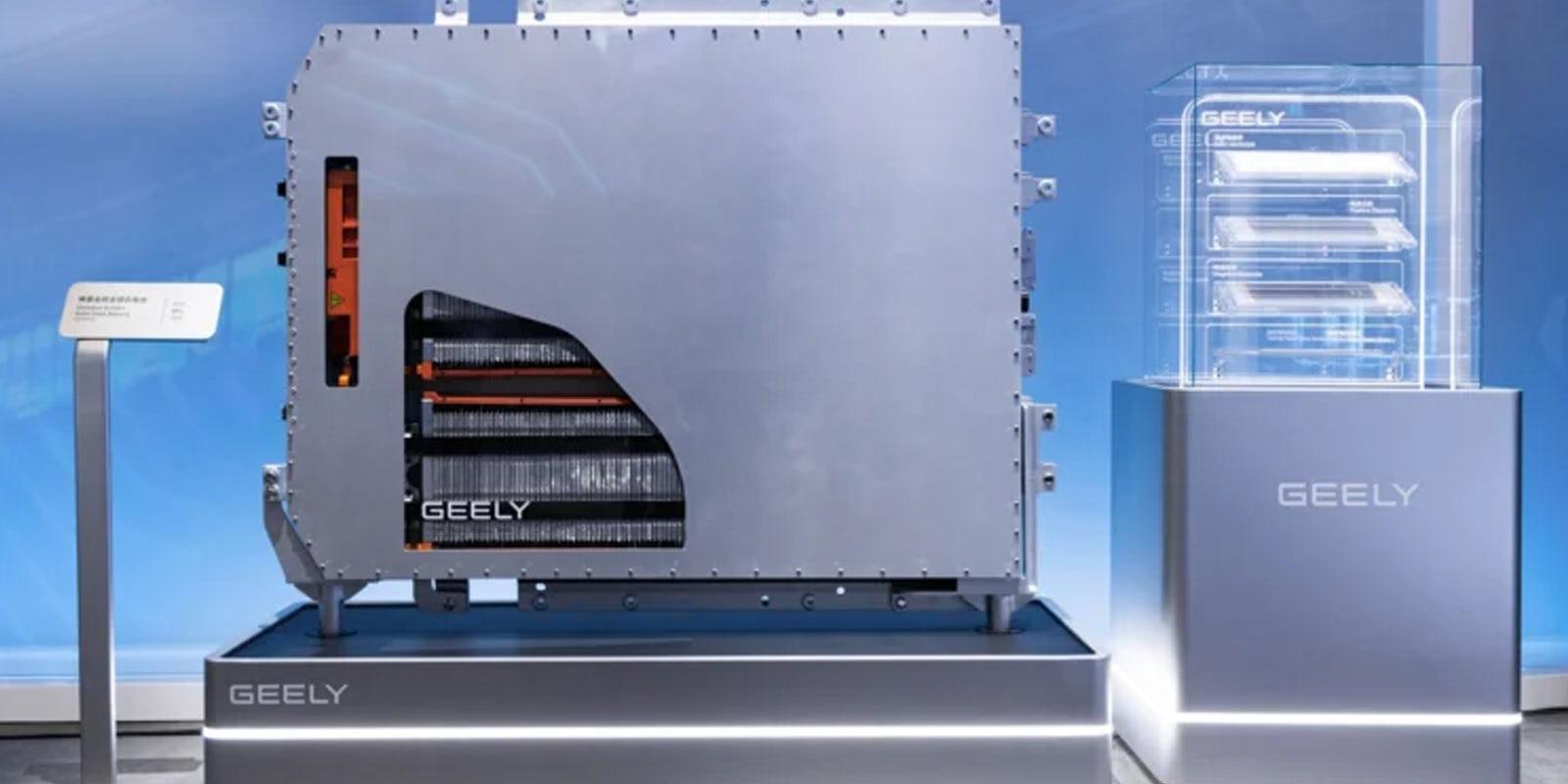
The electric vehicle industry has been waiting for years for the definitive leap promised by solid-state batteries . This technology, which replaces the liquid electrolyte with a solid material, offers a much higher energy density, greater safety, and shorter charging times. However, its large-scale production remains an outstanding challenge.
Now, several Chinese manufacturers have set dates for this launch. Geely Holding has confirmed that it will begin pilot deployments of its solid-state batteries in 2027, with an energy density of 500 Wh/kg that would allow for a range of over 1.000 kilometers. CATL and BYD have also announced experimental production programs for that same year, while LG Energy Solution warns that mass production will take even longer.
Geely is betting on 500 Wh/kg and more than 1.000 km of range
The Chinese conglomerate Geely Holding has taken a significant step forward in the solid-state battery race. The company has confirmed that it has already begun real-world validation of its new generation of cells, and that pilot deployment in its vehicles is planned for 2027. The technology will achieve an energy density of up to 500 Wh/kg, nearly double the 250 Wh/kg offered by its current liquid “Golden Brick” batteries.
According to Geely, this figure will allow its electric cars to exceed 1.000 kilometers of range on a single charge, a distance comparable to that of a diesel vehicle. Furthermore, the company claims that these batteries could have a lifespan of up to one million kilometers, a particularly relevant detail for professional fleets and high-mileage users.
The development has not been a solo effort. Geely has revealed that Dow Chemical is acting as a partner in materials development, contributing a solid-state cell adhesive that remains stable across a temperature range of -40°C to 120°C. This thermal stability is key to ensuring operation in extreme climates, one of the major challenges of this technology.
CATL, BYD and other giants are also aiming for 2027
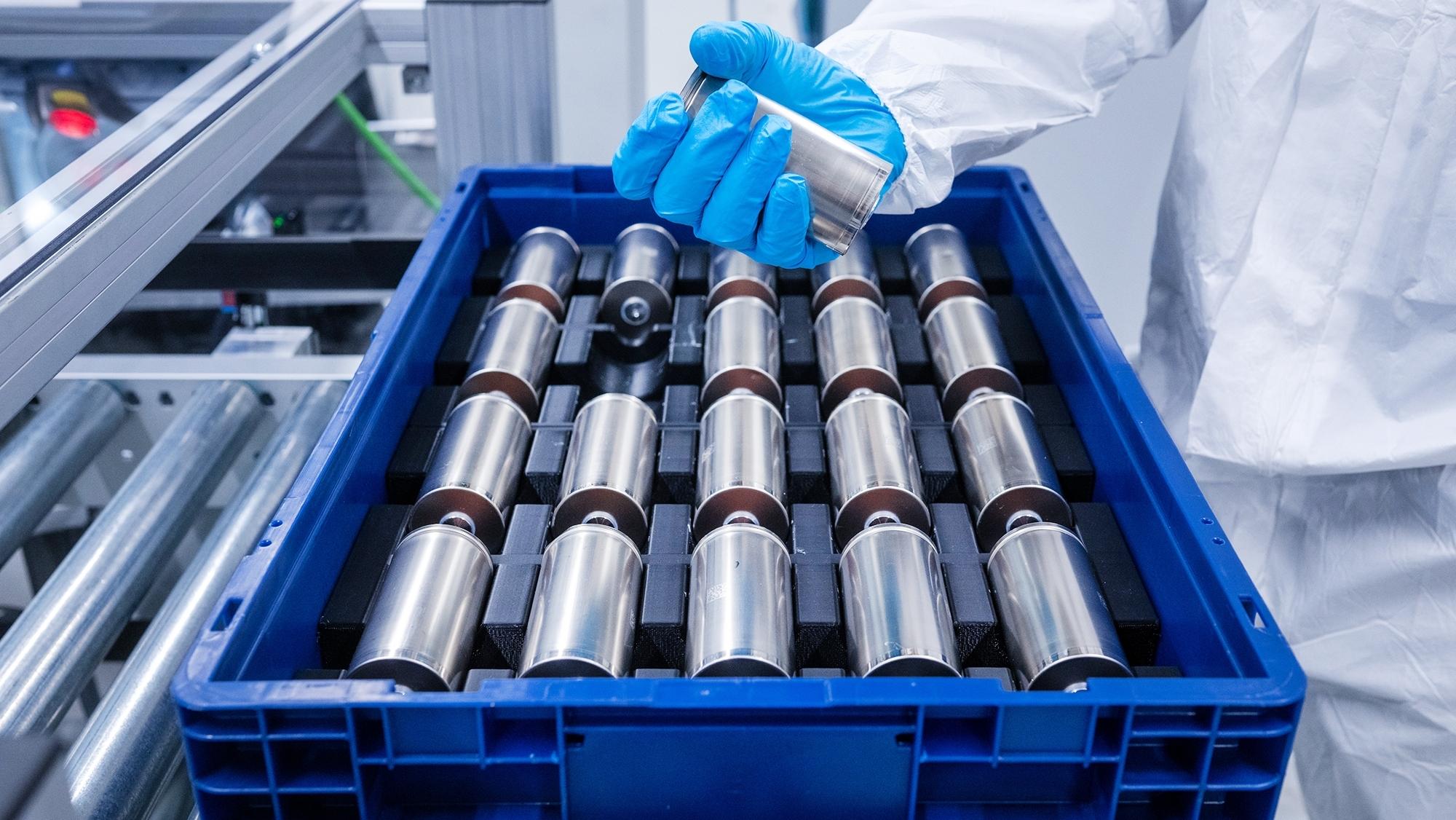
Geely is not alone in this race. CATL, the world's largest battery manufacturer, and BYD, the second largest, have confirmed their respective experimental production programs for 2027. CALB, the third largest Chinese manufacturer, also anticipates testing in electric vehicles that year, with phased industrialization between 2030 and 2032. Gotion High-Tech, backed by Volkswagen, is developing 350 Wh/kg cells and plans road tests next year, with commercial production between 2029 and 2030.
Farasis Energy, backed by Mercedes-Benz, anticipates vehicle validation in 2027 and large-scale production in 2030. EVE Energy is betting on sulfur cells with densities of up to 350 Wh/kg and 800 Wh/L, and its second generation, planned for 2028, would reach 1.000 Wh/L. Even Dreame, known for its vacuum cleaners, has entered the fray with a battery exceeding 450 Wh/kg and plans small shipments in 2026.
The industrial concentration is enormous: CATL controls around 42,9% of the Chinese market, BYD 19,5%, and together with CALB and Gotion they account for more than 75% of the country's production. This explains why 2027 has become the key date for determining which technologies will move from the laboratory to the road.
LG Energy Solution warns: large-scale production is the major obstacle
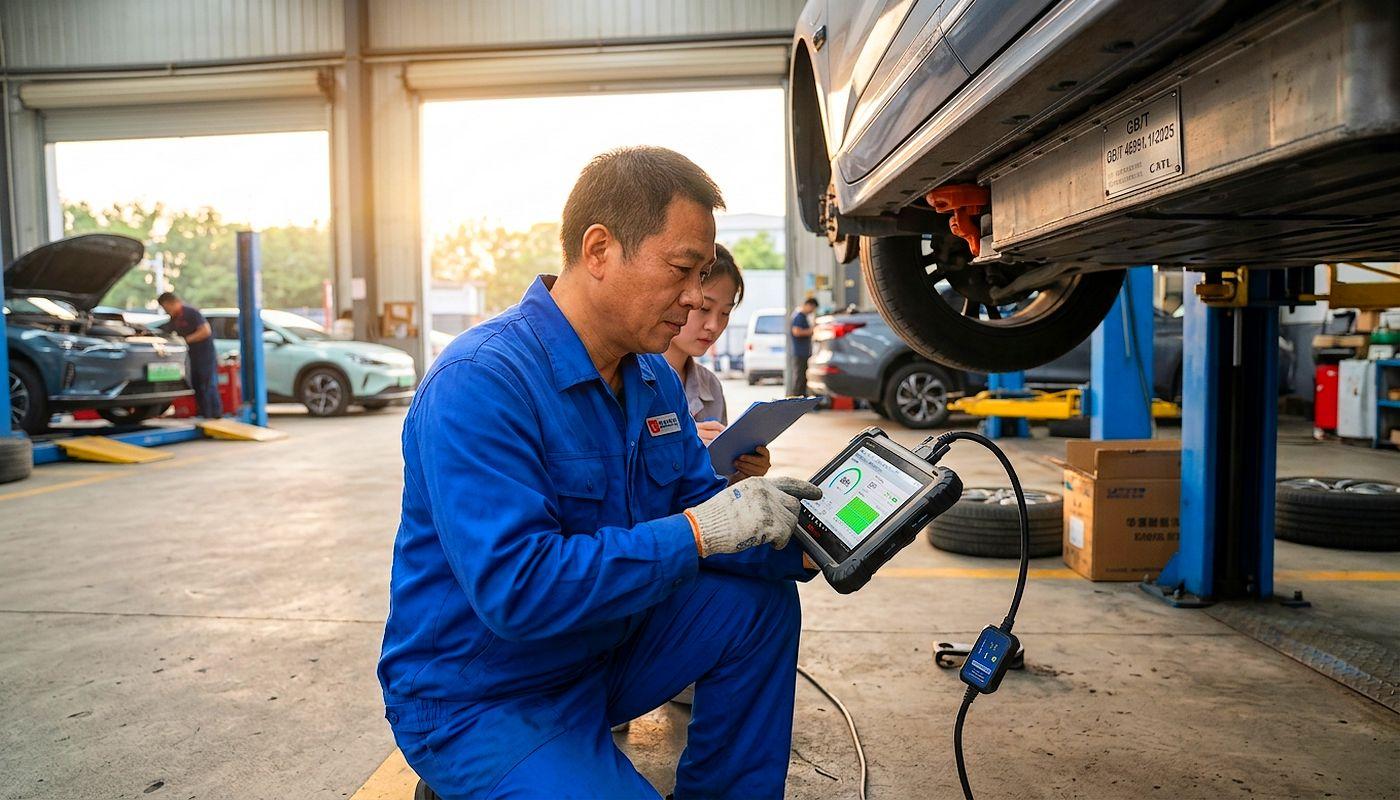
But it's not all optimistic news. Robert Lee, president for North America at LG Energy Solutions (LGES), was blunt: "The problem with solid-state drives is large-scale production." In a meeting with journalists at the new factory in Lansing, Michigan, Lee explained that high energy density works well in small formats, but that "if you're manufacturing very large formats, most companies are having difficulties."
According to Lee, we're likely to see solid-state batteries in smartphones "a decade before we see them in electric vehicles." This warning contrasts with the timelines of Chinese manufacturers, but it's not contradictory: the 2027 pilot rollout doesn't imply mass production. CATL's own president, Robin Zeng, has acknowledged that their solid-state batteries are at level 4 of a 9-point Technology Readiness Level (TRL), meaning they are still working with partial-scale prototypes.
Meanwhile, LGES is focusing its efforts on improving current lithium-ion batteries, with new lithium-manganese-rich (LMR) cells that will reduce the use of nickel and cobalt, and with cylindrical Series 46 cells that could be recharged in about 10 minutes. The company is also studying sodium batteries for stationary energy storage.
Europe is also moving, but with more caution.
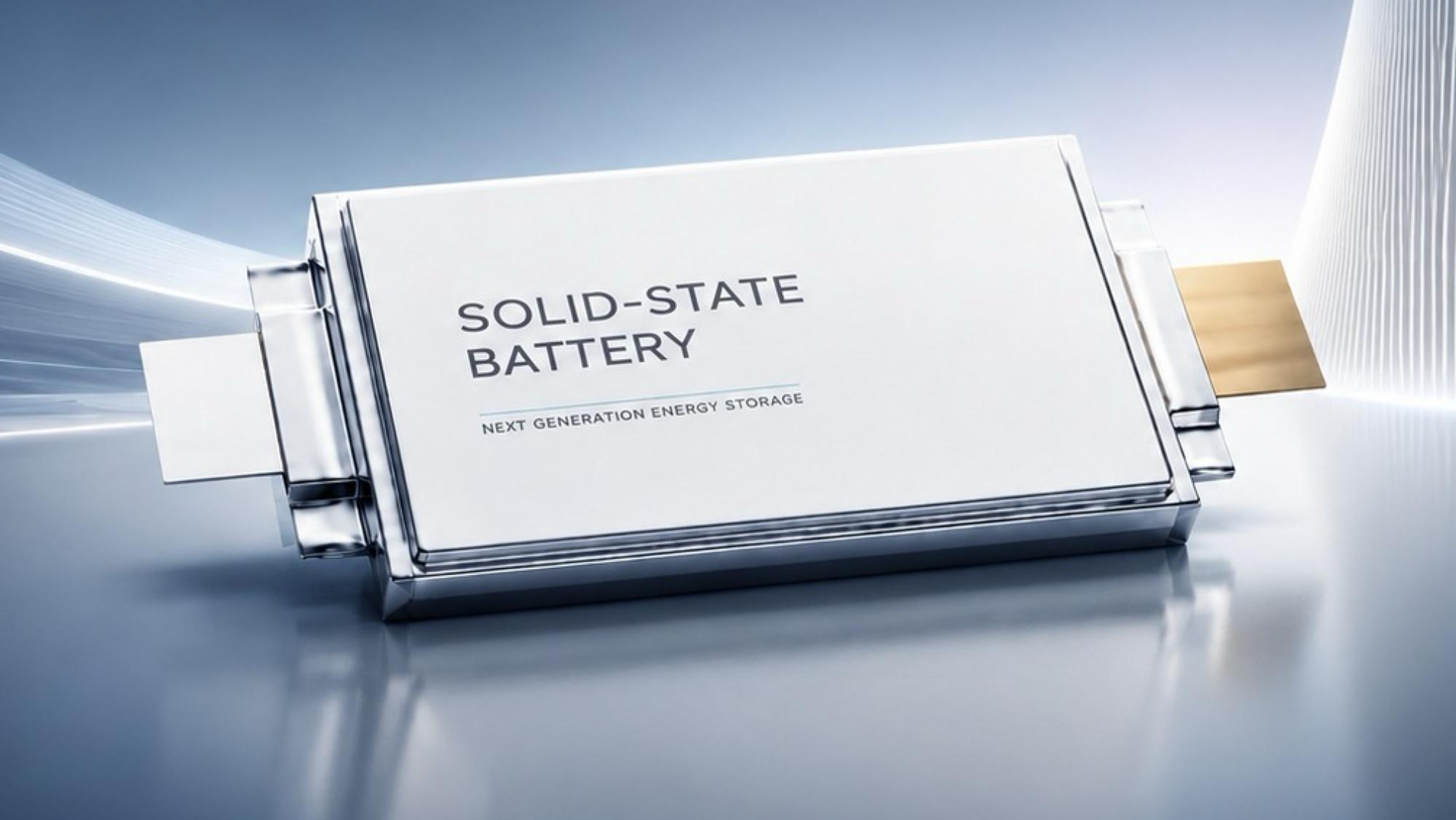
In Europe, the technology has already taken its first steps. Last year, Mercedes-Benz covered 1.200 kilometers with an EQS prototype equipped with a solid-state battery developed by Factorial Energy. BMW has installed a fully solid-state battery from Solid Power in an experimental i7, and Stellantis is testing a semi-solid-state solution in the electric Dodge Charger Daytona. The French company Blue Solutions is currently the most advanced manufacturer on the continent, with a 25 GWh gigafactory in France and pilot production lines.
However, large-scale production is not expected before 2030. Dependence on China for raw materials and strategic components, coupled with the high cost of industrial transformation, complicates the position of European manufacturers. Even so, the race is on, and 2027 will be a key year to see if the promises become reality.
The arrival of solid-state batteries won't be immediate or widespread. The first vehicles with this technology will appear in small series and pilot applications, and we'll have to wait until the end of the decade to see them in dealerships. Meanwhile, current lithium-ion batteries continue to improve, and consumers can rest assured: the transition will be gradual, but the future of the electric car points to being more efficient, safer, and with ranges that will finally eliminate charging anxiety.