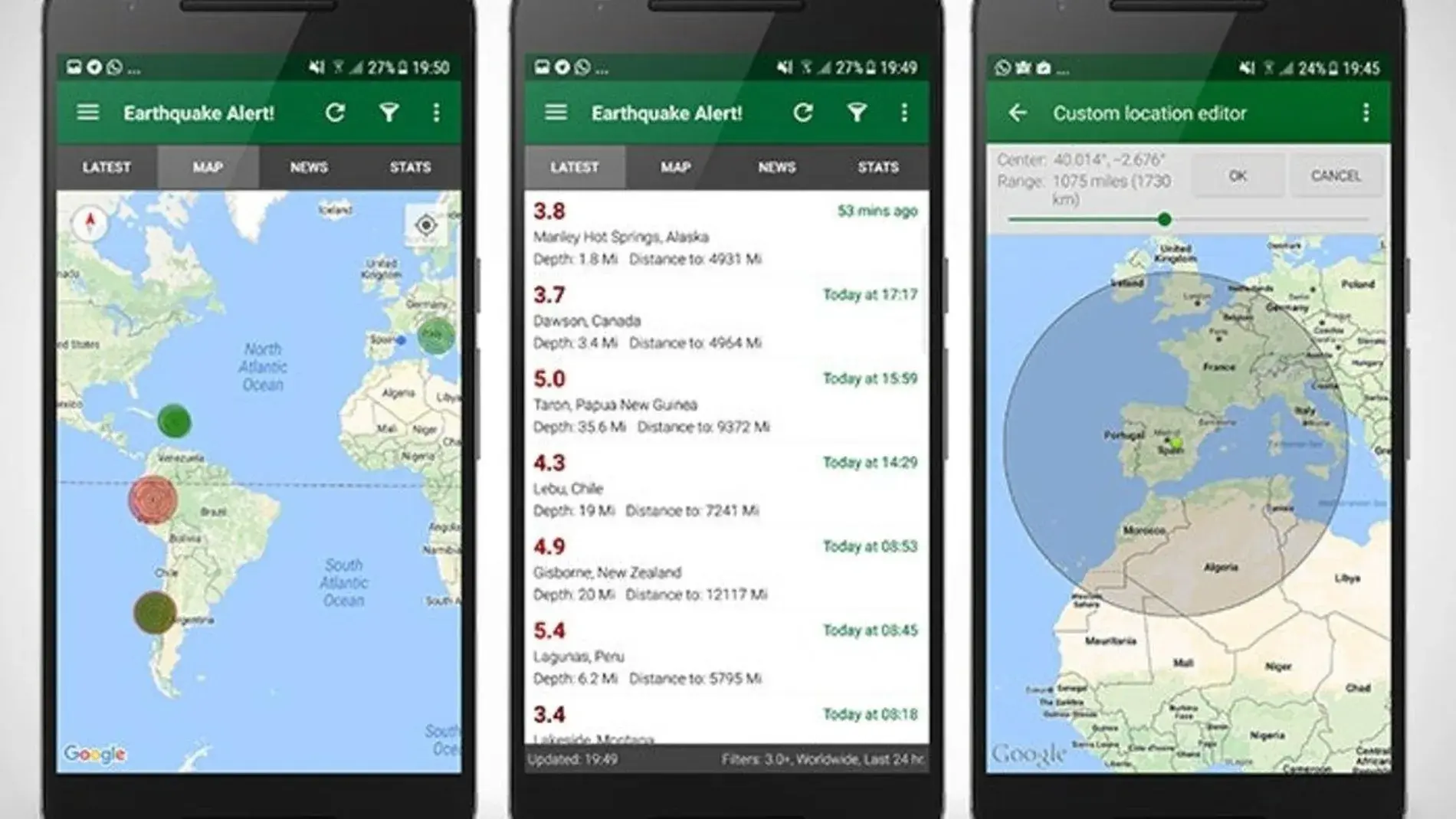
Having a seismograph in your pocket seemed like something out of a science fiction movie until very recently. However, thanks to current technology, Google has managed to get millions of Android devices working together to form the largest seismic detection network on the planet. This system, officially known as the Android Earthquake Alerts System, isn't based on predicting the future, but rather on being faster than nature itself by alerting the population when an earthquake has already begun but isn't yet felt in their location.
The effectiveness of this tool has recently been demonstrated in critical situations, such as the earthquakes in Venezuela or the tremor felt in Almería some time ago. In these cases, users received an alert on their devices a few seconds before feeling the strongest shaking. Three or ten seconds may seem like nothing, but in an emergency, that margin makes all the difference: it allows you to move away from a window, leave the kitchen, or find a safe place under a door frame.
The accelerometer: from rotating the screen to detecting tremors
The magic behind all this lies in a component we all have in our phones: the accelerometer. This small sensor is responsible for rotating the screen when you turn your phone or counting your steps when you go for a walk. It turns out these sensors are so incredibly sensitive that they can identify the characteristic vibrations of an earthquake. When a phone detects this movement while at rest, it sends a lightning-fast signal to Google's central servers along with an approximate location.
The good thing about this system is that it doesn't rely on a single device, since a phone could fall to the ground and generate a similar vibration. To confirm that it's a real earthquake, the server waits to receive matching reports from hundreds of phones in the same area simultaneously. The moment this data is processed and the magnitude is confirmed, a mass alert is sent to all devices within the earthquake's radius.
The battle between the speed of light and seismic waves

To understand why your phone alerts you before the ground shakes, you need to look at physics. An earthquake generates two main types of waves: P-waves (primary waves) and S-waves (secondary waves). P-waves are the first to appear, travel very quickly, but are usually not very destructive. S-waves, on the other hand, are slower but are the ones that cause intense shaking and property damage . The Android system detects the P-waves, and because digital information travels over the internet at the speed of light, the alert reaches users before the S-waves arrive.
This technological advantage is especially useful in regions where there is no official seismograph infrastructure or where it is very limited. After all, it is much cheaper to leverage the sensors in the billions of smartphones already distributed across the globe than to install expensive ground stations on every corner. Even so, it is important to understand that this is a complement and does not replace civil protection protocols or the professional seismographs of geographical institutes.
Types of alert: Attention and Action
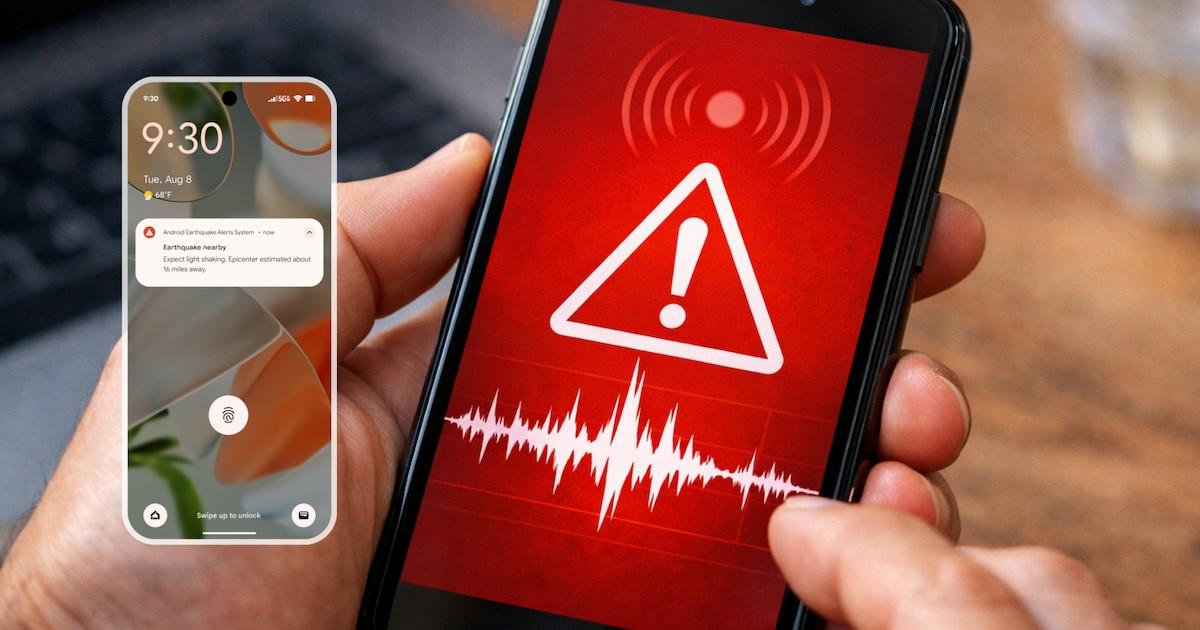
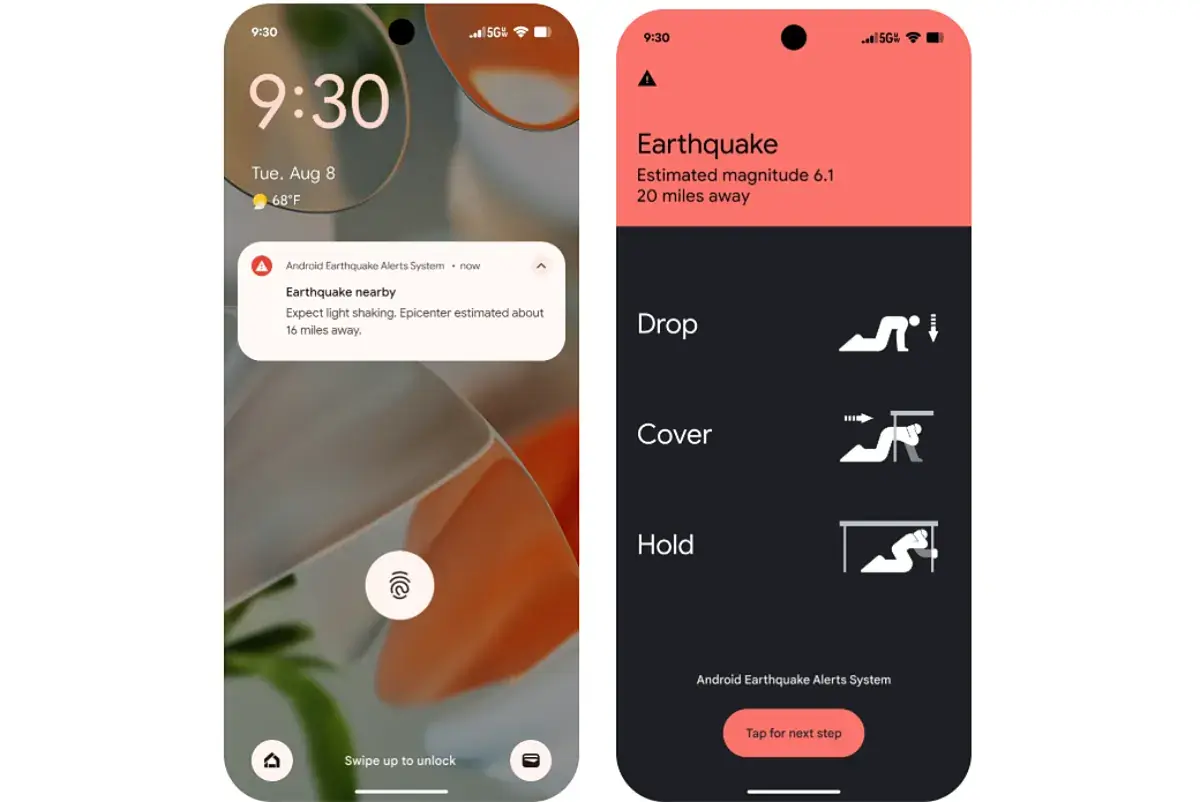
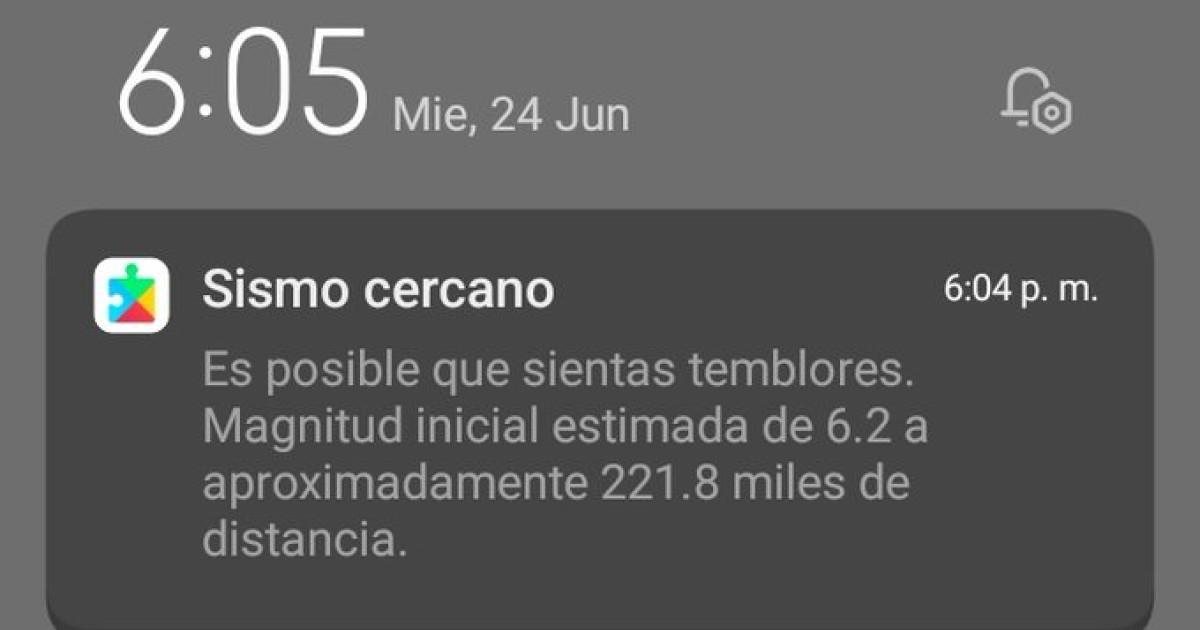
Not all earthquakes are the same, so Google has designed two levels of warning to avoid unnecessarily alarming users. When a minor earthquake is detected, generally with a magnitude between 3 and 4, the phone displays an on-screen notification . This alert respects your device's volume settings and silent mode, serving as an informative warning to let you know the ground is moving slightly.
Things get serious when an earthquake exceeds a magnitude of 4,5 or 5. In that scenario, the action alert is activated. Your phone forgets whether it's on silent or "Do Not Disturb" mode: it will emit a loud, piercing sound while the screen fills with clear safety instructions. In addition to alerting you, the system will show you a map with the estimated location of the epicenter and the initial magnitude so you know what you're facing at a glance.
Unlike Android phones, Apple iPhones currently lack their own detection network based on distributed sensors. iOS users rely on official government alerts issued by authorities or on downloading third-party apps from the App Store . This gives Google's network a competitive advantage, as it comes integrated into the operating system and requires no additional installation, provided Google services are active.
How do I activate this feature in Spain?
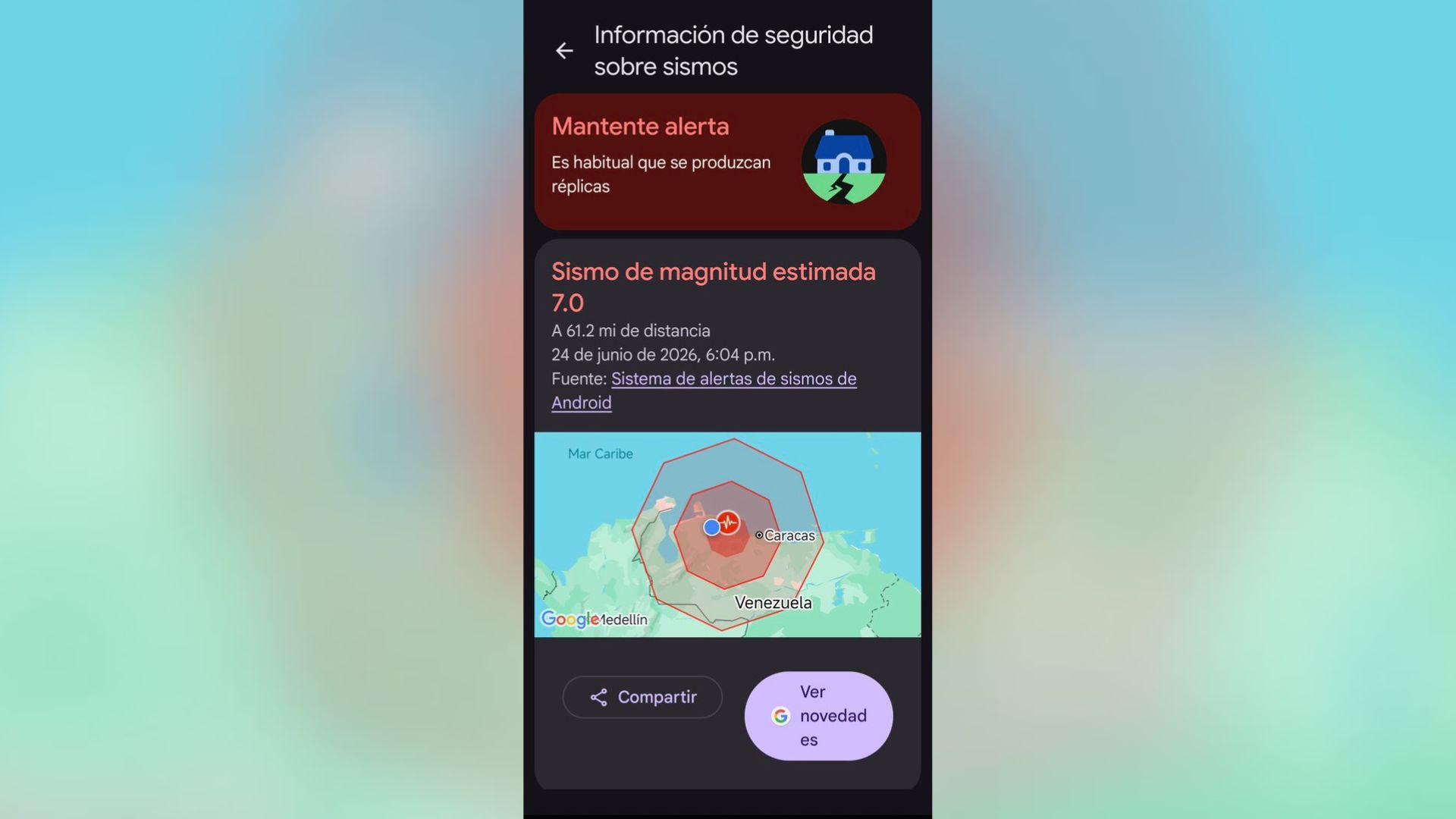
If you live in Spain and want to ensure your phone alerts you if the earth shakes, the process is quite simple and won't take more than a minute. Just go to your phone's settings and look for the Security and Emergency section . Within that menu, you'll see a specific option called Earthquake Alerts. Make sure the switch is turned on. It's also crucial that you have your device's location services enabled, as without them the system won't know if you're in the danger zone or not.
Wow, technology has really come a long way, hasn't it? It's important to mention that for this to work properly, your phone needs an internet connection, either Wi-Fi or mobile data. If your phone is in extreme power saving mode, some notifications might be delayed , so keep that in mind if you live in an area with frequent seismic activity. You can also search "earthquake near me" directly on Google to get official information instantly if you've felt any unusual vibrations.
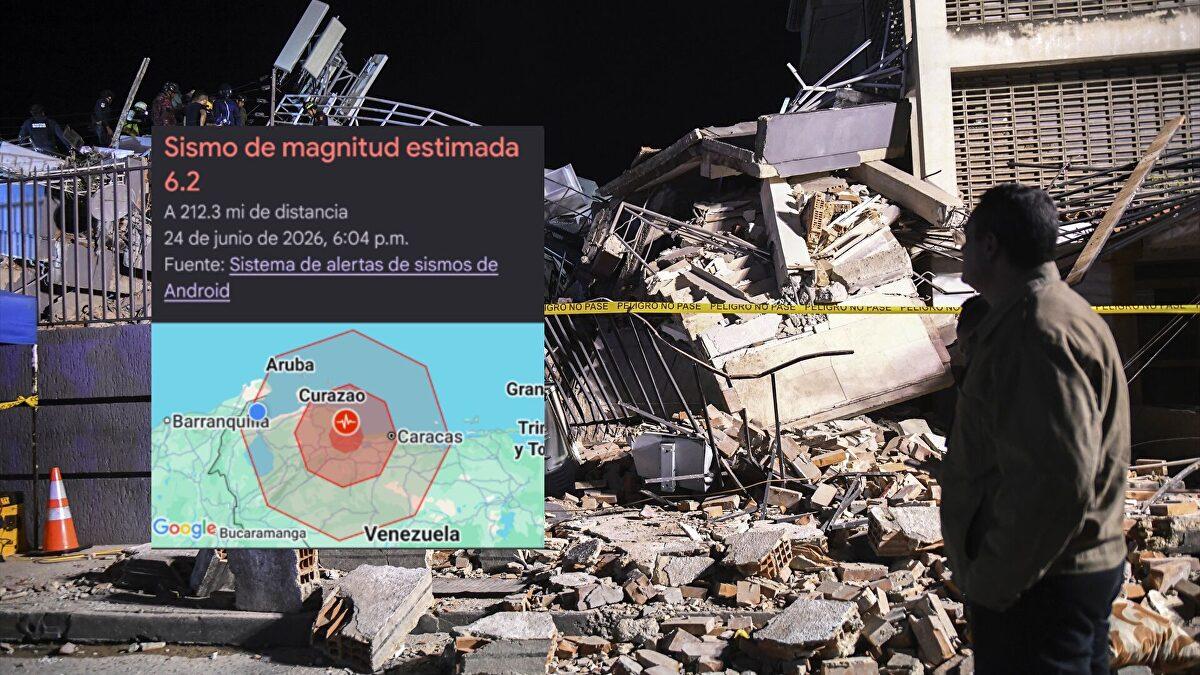
Having this global network coordinated by Google represents a significant advance in public safety, as it transforms each device into an ally for prevention. While not infallible—as seen in the 2023 earthquake in Turkey where some transmission failures occurred—its ability to offer precious seconds of respite has proven invaluable to countless people. Keeping your system updated and ensuring that emergency options are properly configured is a simple step that can make all the difference when you least expect it.
Table of Contents