
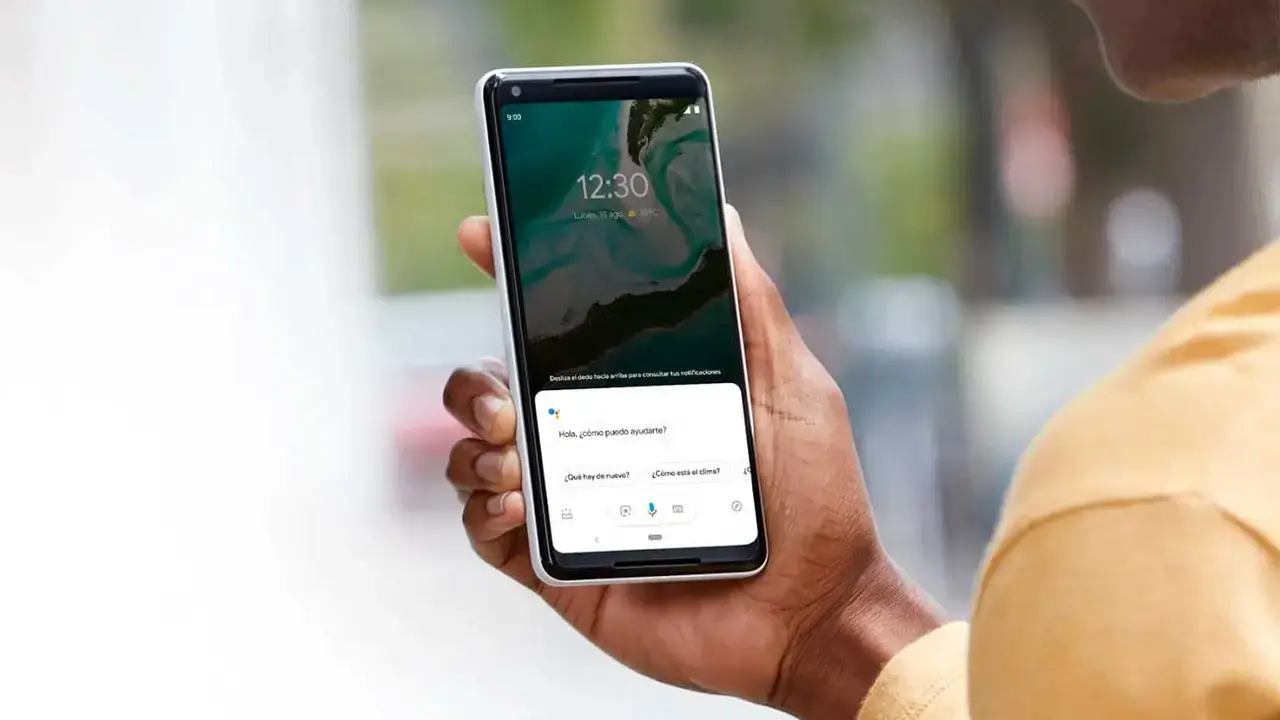
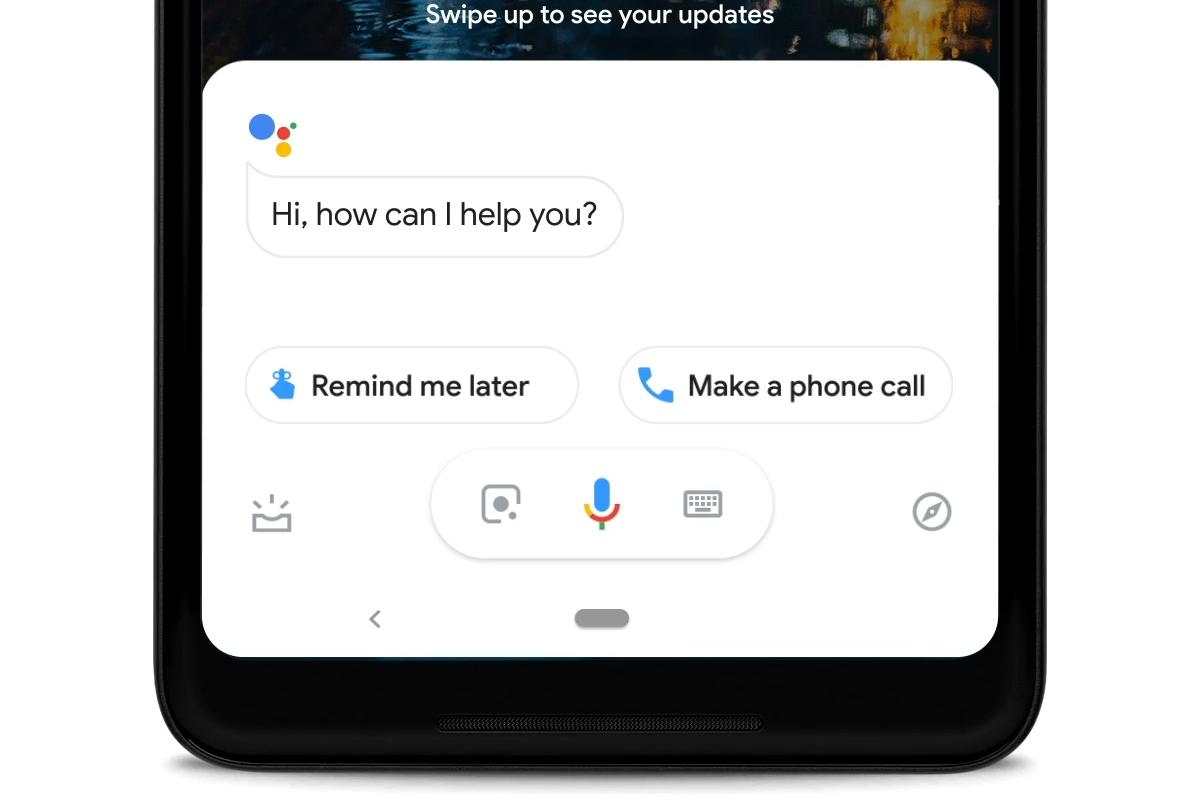
Google has confirmed the end of an era. The Mountain View company has begun notifying users that Google Assistant will no longer be available on mobile devices starting September 4th. This is a long-awaited move, now materializing with a specific date and a phased migration plan to Gemini, the AI-powered assistant that has been gaining prominence for months.
The announcement, made via email to users, explains that the shutdown will not be immediate, but will take place over several weeks until it is complete on all affected devices. From that point on, there will be no way to revert to the classic Assistant , either on mobile or on linked devices. The transition, however, will be automatic for most users, who will see Gemini become their default assistant without needing to configure anything.

Which devices are affected by the Assistant outage?
The discontinuation of Google Assistant primarily affects Android phones and tablets, as well as all devices that rely on a mobile device to function. According to information provided by Google, the shutdown includes Wear OS watches, Gemini-compatible headphones, and cars that use Android Auto projected from the smartphone. In all these cases, once Gemini is set up as the assistant on the phone, it will automatically become the assistant on all other linked devices.
However, there is one important exception: vehicles with factory-installed Google services , also known as Google built-in. These cars, which incorporate Gemini AI systems like Android Automotive, will continue to have access to Google Assistant after September 4th, at least for the time being. Smart speakers with Google Home, Nest displays, and TVs with Google TV are also unaffected for now, although Google has hinted that Gemini will eventually come to these devices as well, without specifying a date.
A farewell that was announced but is late
The retirement of Google Assistant hasn't caught anyone by surprise, but it is coming somewhat later than initially planned. The company had intended to shut down the service by the end of 2025, but decided to postpone it to finish refining Gemini before forcing the migration of all its users. According to Brian Marquardt, the Google executive in charge of the Gemini app, this transition represents a platform change, comparable to switching from one operating system to another, and millions of people have already migrated voluntarily in recent months.
The data supports this strategy. The Gemini app reached 950 million monthly active users in the second quarter of 2026 , more than double the 450 million recorded a year earlier. Daily usage has tripled, according to data published by Alphabet, demonstrating that the adoption of generative AI is progressing much faster than many anticipated. This growth has been largely driven by Gemini's native integration into Android, which has allowed Google to distribute its assistant without requiring users to download an additional app.

Gemini's limitations and accessibility concerns
Despite widespread enthusiasm, Gemini still doesn't cover all the features offered by the classic Assistant. According to Google's support documentation, podcasts, radio stations, some third-party music services, and Interpreter Mode don't yet work the same way , or are simply unavailable in the new assistant. Until now, the solution for users who missed these features was to revert to the Assistant, but that option is now permanently closed with this migration.
The concern is especially noticeable in the area of accessibility. Jonathan Mosen, accessibility officer for the National Federation of the Blind in the United States, stated in comments reported by Inc. that they have received complaints about Gemini's failures in managing timers, reminders, calls, and smart home control. In some cases, according to Mosen, "Gemini sometimes says that tasks have been completed when they haven't, and vice versa." However, he also acknowledged that Gemini has brought real improvements in accessibility, such as its integration with TalkBack, the Android screen reader.
The context: the end of classic assistants
The discontinuation of Google Assistant is not an isolated case, but rather part of a broader trend in the tech industry. Microsoft shut down Cortana on Windows in 2023, Amazon has transformed Alexa into Alexa+, a conversational assistant based on generative AI, and Apple has been working for some time on an AI-powered Siri overhaul. The three giants that defined the first decade of voice assistants are closing that chapter almost simultaneously, paving the way for a new generation of assistants capable of holding more natural conversations and understanding the context of requests.
In Google's case, the company has confirmed that there will be no turning back on this decision . Unlike what happened in 2019 with the closure of Works with Nest, when Google had to reverse course after user complaints about the malfunctioning of the smart home features, this time the removal of the Assistant seems definitive. The email sent to users leaves no room for doubt: once the transition is complete, there will be no way to return to the classic assistant.
For most users, the migration will be seamless. Those who have been using Gemini in recent months will barely notice any changes, aside from the disappearance of the option to switch back to Assistant, which was still present in the app. However, those who rely on complex routines or automations set up in Assistant would be wise to make a note of them before September, as Google has not confirmed whether they will be migrated automatically or if they will need to be configured again.
In short, Google Assistant is saying goodbye after ten years of accompanying millions of users worldwide. Born in 2016 as part of the Allo messaging app, it managed to survive the app's closure and became the default voice for the entire Google ecosystem. Now, with the arrival of Gemini, the company is betting on a new generation of assistants that promise to better understand requests without the need to memorize exact commands. It remains to be seen whether Gemini will live up to expectations, but what is certain is that, starting September 4th, the "OK, Google" we all learned to use will no longer be the same.
