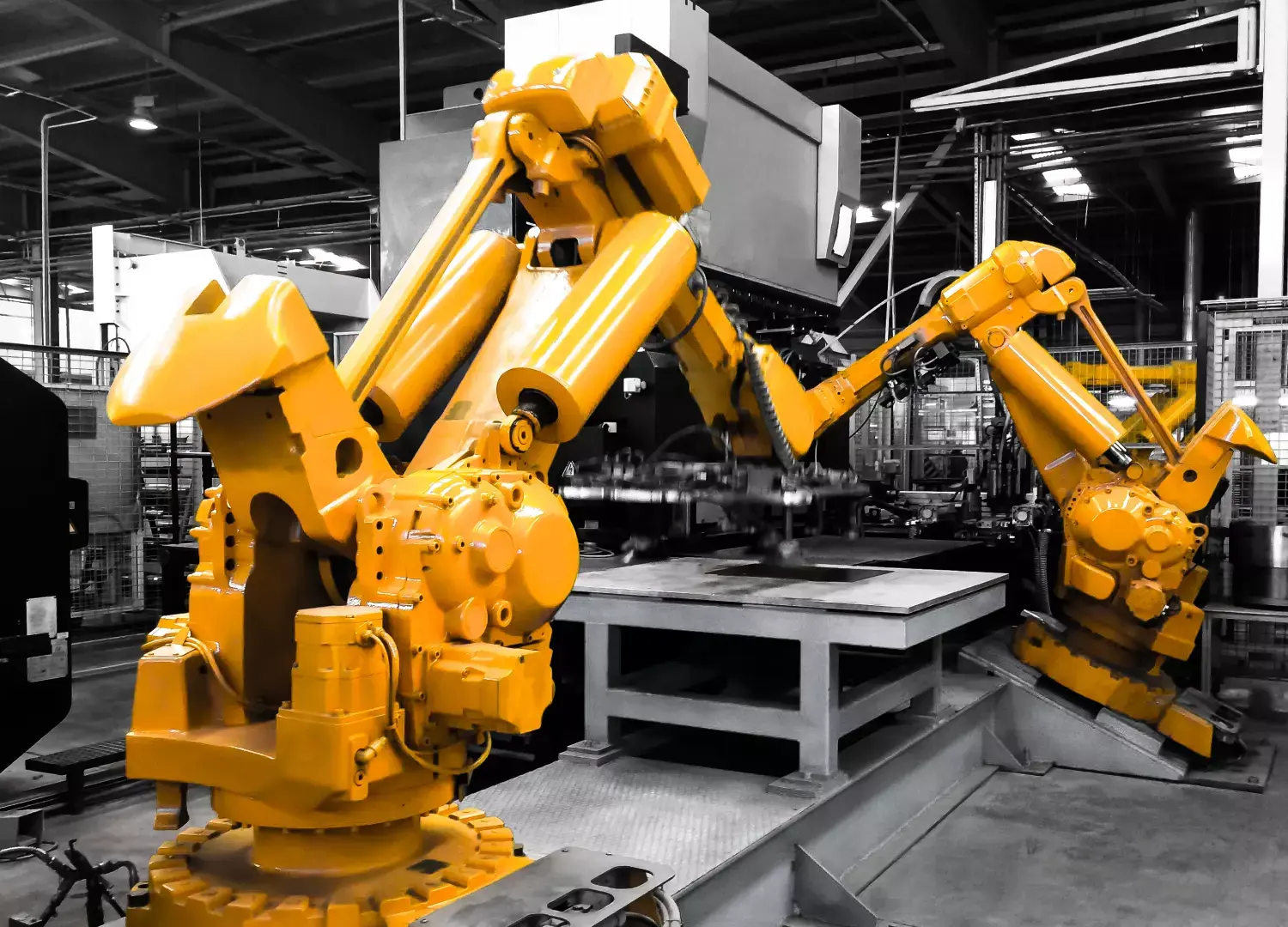
Industrial maintenance has become a key element for the smooth operation of factories, production plants, and large facilities. Without a clear strategy for inspecting and maintaining machinery, industry literally grinds to a halt: breakdowns skyrocket, costs increase, and the safety of people and the facilities themselves suffers.
Throughout this article, we will explore exactly what industrial maintenance is, its types, objectives, benefits, and tools , as well as the role of the maintenance technician and the importance of having a sound plan. All of this will be explained in clear and accessible language, yet with the level of detail required by any professional who wants to understand why maintenance is no longer an expense, but a strategic investment.
What is industrial maintenance?
When we talk about industrial maintenance, we're referring to the set of technical and administrative activities carried out to ensure that machines, equipment, systems, and facilities in a production environment operate safely, reliably, and at the expected performance level. It's not just about repairing things when they break, but about organizing a comprehensive system of inspections, controls, and continuous improvement.
Its purpose is to prevent unplanned downtime, minimize breakdowns, and extend the lifespan of industrial assets . This encompasses everything from simple periodic lubrication to complex predictive analysis using sensors and specialized software, as well as spare parts management, technical shutdown planning, and coordination with production to ensure the plant doesn't shut down during critical times.
In many sectors, maintenance is now considered a strategic function directly linked to productivity, product quality, and competitiveness . Well-maintained equipment produces more, fails less, consumes less energy, and generates fewer rejects. Conversely, neglected facilities often lead to hidden costs, accident risks, and a significant loss of reputation with clients and certification bodies.
Furthermore, industrial maintenance includes planning, monitoring, execution, and recording all interventions performed. Maintaining a reliable record of work done on each piece of equipment is key to analyzing trends, learning from failures, and deciding on the most appropriate maintenance strategy for each situation.
What is the purpose of industrial maintenance?
The essential objective of industrial maintenance is to ensure that production processes are efficient, safe, continuous, and meet the expected quality standards . To achieve this, the aim is to ensure that each machine, line, or installation operates within the parameters defined by the manufacturer and the company itself, preventing minor faults from escalating into serious problems.
Within any plant, maintenance acts as a critical support service for production . Thanks to a well-organized system of preventive and predictive maintenance tasks, it's possible to anticipate technical issues and correct deviations before they result in lengthy downtime, product loss, or missed delivery deadlines.
Among the most significant operational benefits are the reduction of unexpected breakdowns and downtime . Every hour of line downtime incurs direct costs (personnel, energy, discarded product) and indirect costs (delays, penalties, negative image). With well-planned maintenance, these situations are reduced, and when they do occur, they are managed more effectively.
Another key effect is the extension of machinery lifespan . Maintaining equipment, replacing parts on time, and not pushing it beyond its limits prevents premature investment in new machines. This improves return on investment and frees up budget for other improvement or innovation projects.
Furthermore, proper maintenance contributes to production continuity in particularly sensitive sectors , where any downtime results in enormous losses or even environmental and legal risks. We are talking about industries such as food, chemicals, pharmaceuticals, energy, water, metal, and automotive, where equipment reliability is vital to the business.
Why is industrial maintenance so important?
The importance of industrial maintenance can be viewed from several angles: economic, safety, quality, and regulatory compliance . It's not just a technical matter; it directly impacts the bottom line and the company's reputation.
From an economic standpoint, good maintenance reduces the costs associated with emergency repairs, premature replacements, and downtime . Serious breakdowns typically involve increased labor, expensive spare parts, urgent outsourcing of external services, and often the need to redo production or discard entire batches of product.
In terms of safety, having equipment in poor condition is synonymous with an increased risk of workplace accidents and damage to facilities . Degraded electrical systems, tampered safety devices, fluid leaks, or weakened structures can trigger dangerous situations, especially in environments with high temperatures, high pressures, hazardous substances, or heavy machinery.
Operational efficiency is also closely linked to maintenance: well-maintained equipment operates with better performance, lower energy consumption, and fewer deviations . This translates into more stable processes, energy savings, and easier maintenance of consistent quality parameters, reducing waste and customer complaints.
The legal and environmental aspects must not be overlooked. Many regulations require regular inspections, documented records, and compliance with technical standards . Poor maintenance can lead to leaks, emissions exceeding limits, or breaches of safety regulations, with the consequent risk of penalties, temporary closures, and even criminal liability in serious cases.
Types of industrial maintenance
Industrial maintenance is not a single thing, but rather a set of strategies applied according to the timing of the intervention, the criticality of the equipment, and the available resources . The main types used in industry are as follows.
Corrective maintenance
Corrective maintenance is carried out after a breakdown or failure has occurred . In other words, it is performed when the equipment has already stopped working correctly or has completely stopped. Its objective is to return the machine to its operational state as quickly as possible.
This approach was the most common for many years, especially in small industries and with inexpensive equipment , where it's more cost-effective to repair equipment when it breaks down than to invest in more complex strategies. However, its main disadvantage is unpredictability: it's impossible to know when a breakdown will occur or how long the line will be down.
Furthermore, when only corrective maintenance is used, greater collateral damage often occurs : broken parts that cause others to break, safety issues, the need to work against the clock, and failures during peak demand. Therefore, nowadays it is almost always used in combination with other, more planned methods.
Supports Preventive Maintenance:
Preventive maintenance involves performing scheduled interventions based on time or hours of equipment use , with the aim of reducing the risk of failure. It includes tasks such as visual inspections, cleaning, lubrication, adjustments, calibrations, and periodic component replacement.
The great advantage of preventative maintenance is that it is a relatively inexpensive and easy-to-implement strategy that doesn't necessarily require large investments in technology. In many cases, it is enough to follow the manufacturer's recommendations or the experience accumulated by the maintenance staff.
This type of maintenance is now one of the most widespread because it allows for scheduled downtime, reduces unexpected breakdowns, and maintains a good level of reliability without requiring highly advanced systems. However, it is essential to periodically review the intervals and tasks to avoid both excessive and insufficient interventions.
Predictive Maintenance
Predictive maintenance takes this a step further, relying on the analysis of real-time equipment operating data to anticipate the optimal time for intervention . This is achieved using sensors and techniques such as vibration analysis, thermography , oil analysis, and the monitoring of electrical and process variables.
This information allows for the detection of early signs of wear, misalignment, imbalance, or overheating , enabling intervention to be scheduled just before a failure occurs. It is, therefore, one of the most efficient ways to reduce unplanned downtime and optimize the use of spare parts and human resources.
Its main weakness is that it requires a larger investment in measuring equipment, data acquisition systems, and trained personnel capable of correctly interpreting the information. Even so, in sectors with critical or high-value equipment, the return on this investment is usually very favorable.
Condition-based maintenance
Condition-based maintenance is very similar to predictive maintenance, as it also uses real-time monitoring and sensors , but its focus is not limited to simply preventing breakdowns. In this case, action is taken when indicators show that the equipment is no longer operating within its optimal range , even if there is no immediate risk of total failure.
This type of maintenance can be more intensive in terms of interventions and cost , because adjustments and corrections are made as soon as a drop in performance or efficiency is detected. In return, it allows for maintaining very high levels of productivity, reducing consumption, and ensuring very stable product quality.
proactive maintenance
Proactive maintenance focuses on identifying and eliminating the root causes of failures , rather than simply repairing the consequences. It's a more holistic approach, closely linked to continuous improvement, that aims to prevent problems from recurring.
Implementing this method requires experienced technicians with analytical skills and a comprehensive understanding of the process . Failure modes are studied, weaknesses in the design, assembly, or use of equipment are identified, and continuous improvements are implemented, whether in components, procedures, or staff training.
When a proactive approach is combined with preventive and predictive strategies, a very robust maintenance model is achieved , which significantly reduces the frequency and severity of breakdowns and improves the overall reliability of the production system.
Examples of industrial maintenance in practice
To better understand how these types of maintenance are applied, it is helpful to look at some real-world examples in common sectors such as food or automotive, where continuity of service and product quality are essential.
In a food processing plant , preventative maintenance typically includes tasks such as scheduled cleaning of conveyor belts, periodic filter changes in refrigeration systems, and regular inspections of motors and gearboxes. These interventions are planned outside of peak production periods to minimize disruption.
If, in that same plant, a packaging machine stops mid-shift due to an unexpected failure, corrective maintenance comes into play . The maintenance team must quickly locate the source of the problem (faulty sensor, broken actuator, electrical failure, etc.), repair it, and put the machine back into service with the least possible loss of product and time.
In the automotive industry, predictive maintenance is very common . Sensors are installed to continuously monitor parameters such as temperature, vibrations, and pressure in engines, robots, hydraulic presses, and other key machines on the production line. The information is analyzed to schedule maintenance shutdowns in advance and prevent unexpected interruptions to the assembly line.
In all these cases, the appropriate combination of maintenance strategies allows for a balance of cost, reliability, and availability , adapting to the criticality of each piece of equipment and the specific characteristics of the production process.
Functions and profile of the industrial maintenance technician
An industrial maintenance technician is the professional responsible for ensuring the proper functioning of machinery, equipment, and facilities within a plant. Their work has a direct impact on safety, production continuity, and the quality of the final product.
Their most common duties include the periodic inspection of equipment, the detection of anomalies, the repair of mechanical, electrical, or electronic faults, and the recording of all interventions performed. They also often participate in the commissioning of new machines and in the adaptation of facilities when production needs change.
This profile combines knowledge of mechanics, electricity, automation, hydraulics, and pneumatics , along with the ability to interpret diagrams, blueprints, and technical manuals. In many cases, it requires the use of digital tools such as CMMS systems and advanced diagnostic equipment.
In terms of personal skills, analytical ability, problem-solving, attention to detail, and teamwork are highly valued . Maintenance technicians often have to make quick decisions under pressure, prioritize tasks, and coordinate with production, quality, and safety departments to minimize the impact of any incident.
Furthermore, in a rapidly evolving industrial environment, it is essential that this professional maintains continuous training , updating themselves on new technologies, safety regulations, and monitoring and diagnostic tools.
The industrial maintenance plan: a key element of management
An industrial maintenance plan is essentially a roadmap that outlines what is done, when, how, and by whom regarding equipment care. It's not just a list of tasks; it defines a comprehensive strategy that allows for a shift from a reactive approach to a planned and controlled one.
The main difference between purely reactive and planned maintenance is the approach: while the former waits for a failure to occur before acting , the latter establishes preventive and predictive routines that reduce the probability of breakdown and allow interventions to be scheduled.
A good maintenance plan should include, at a minimum, a complete and up-to-date inventory of all equipment , including its criticality, technical specifications, and basic data. From there, the specific tasks to be performed on each machine or system are defined (cleaning, inspections, parts replacement, calibrations, etc.).
It is also essential to establish a schedule of inspections and planned shutdowns , assign responsibilities for each intervention, anticipate the necessary resources (tools, spare parts, PPE) and establish indicators that allow evaluation of whether the plan is working (number of breakdowns, average time between failures, average repair time, etc.).
This plan must be integrated with the plant's production activities to avoid unnecessary disruptions . In other words, maintenance tasks must be coordinated with shifts, peak demand, and production campaigns. Collaboration between maintenance, production, and logistics is key to ensuring everything runs smoothly.
Best practices in the maintenance of industrial machinery
Beyond the formal plan, the day-to-day work of industrial maintenance relies on a series of best practices that make the difference between an organized environment and a chaotic one. These are habits that help improve reliability and avoid unpleasant surprises.
These practices include the regular cleaning of critical components and areas . Dust, dirt, product residue, or spilled fluids can accelerate wear, disrupt sensors, and generally cause equipment malfunctions.
Proper lubrication , following the manufacturer's instructions, is another key aspect of maintenance. Under-lubrication increases wear; over-lubrication can damage gaskets and seals, as well as attract dirt. Therefore, it's advisable to follow clear charts and procedures.
Regular monitoring of key parameters such as temperature, pressure, unusual noises, vibrations, electrical consumption, and flow rates is also crucial . Detecting even minor deviations early allows for intervention before a serious failure occurs.
Finally, keeping a detailed record of all interventions (what has been done, when, on which equipment and with what result) makes it possible to analyze trends, justify decisions and continuously improve the maintenance plan itself.
Advanced industrial maintenance tools and techniques
Modern industrial maintenance relies on a wide variety of specialized tools and diagnostic techniques that allow us to know the condition of equipment without the need to constantly dismantle it, saving time and reducing risks.
One of the most widespread methods is vibration analysis , especially useful in rotating equipment such as motors, pumps, fans, or compressors. By measuring and analyzing vibrations, imbalances, misalignments, play, or bearing problems can be identified before they cause a shutdown.
Another widely used technique is infrared thermography , which employs special cameras to detect temperature differences in electrical panels, insulation, ovens, heat exchangers, or bearings. Abnormal hot or cold spots usually indicate connection problems, overloads, heat loss, or insulation defects.
Lubricant analysis allows for the evaluation of the condition of the oils and greases used in equipment. Through periodic sampling, metallic particles, water contamination, additive degradation, and other variables are analyzed, indicating both the condition of the lubricant and the internal wear of the machine.
Alongside these techniques, systematic visual inspections remain essential. A well-trained technician can detect cracks, corrosion, leaks, looseness, damaged cables, or improperly installed protective devices simply by observing and checking small details in the installation.
Finally, the analysis of historical and operational data using specialized software makes it possible to detect failure patterns, compare the behavior of similar equipment, and adjust preventive and predictive maintenance programs so that they become increasingly accurate and effective.
Maintenance management: organization, assets and spare parts
Industrial maintenance management involves planning, coordinating, and controlling all the activities, resources, and assets involved . Having good technicians isn't enough; a system is needed to organize the work and enable data-driven decision-making.
Task planning and scheduling are critical. Necessary activities must be identified, time and resources estimated , staff assigned, and a schedule established that takes into account the actual workload and production priorities. Poor planning often results in constant emergencies and significant wasted time.
Asset management focuses on understanding in detail what equipment is in the plant, its failure history, its criticality to the process, and the cost of maintaining it. This information is used to make decisions about renewals, upgrades, technology changes, or outsourcing certain services.
A key aspect is the management of spare parts and materials . Maintaining an up-to-date inventory of critical parts, consumables, and tools needed for repairs prevents unnecessary delays when a breakdown occurs. At the same time, it's essential to avoid excessive stock that ties up capital unnecessarily.
The relationship with suppliers and external maintenance companies is also part of this management. It is important to choose suppliers carefully, establish clear contracts (deadlines, service levels, warranties), and monitor their performance to ensure they meet plant standards.
CMMS software and digitization of maintenance
In recent years, the use of digital tools has transformed how maintenance is managed. CMMS (Computerized Maintenance Management System) software has become an almost indispensable solution in many industrial companies.
A CMMS system allows you to centralize all maintenance information : equipment inventory, preventive maintenance plans, work orders, spare parts, costs, intervention times, historical data, and KPIs. From a single platform, you can plan tasks, record completed work, and generate comprehensive reports.
Furthermore, integrating the CMMS with sensors and monitoring systems facilitates a predictive and condition-based approach . Real-time data on temperature, vibrations, energy consumption, and flow rate are combined with historical data to trigger automatic alerts and schedule interventions when they are truly needed.
Digitizing maintenance offers clear advantages: improved traceability, more information for decision-making, reduced paperwork, better coordination between shifts and departments, and advanced analytics capabilities . All of this contributes to improved plant availability and reduced operating costs.
Training and career opportunities in industrial maintenance
The field of industrial maintenance offers excellent job opportunities , as virtually all industries require qualified personnel to keep their equipment in working order. Furthermore, the constant introduction of new technologies makes professionals with up-to-date training especially in demand.
The typical training for a maintenance technician can come from specific vocational training programs, specialization courses, master's degrees, or online programs focused on mechanics, electricity, automation, robotics, pneumatics, or maintenance management. This technical foundation is complemented by training in risk prevention, regulations, and digital tools.
Many training entities offer online courses and free or subsidized programs for workers and self-employed individuals in the industrial, metal or agricultural sectors, aimed at improving skills in installation, maintenance, fault diagnosis and use of CMMS or monitoring systems.
For those seeking a medium and long-term career path, it is possible to progress from maintenance technician to team leader, planner, maintenance engineer or asset manager , assuming responsibilities for coordination, planning and continuous improvement of maintenance processes.
In an increasingly technological market, focusing on specialization in industrial maintenance is a solid way to improve employability and ensure a stable professional career in sectors with high demand for qualified personnel.
Everything surrounding industrial maintenance, from the types of interventions to asset management, the use of advanced tools, and technician training, converges on a single objective: ensuring that the plant operates safely, reliably, and efficiently , reducing risks, costs, and downtime. A thorough understanding of these components and how they fit together allows companies to transform maintenance from a mere "firefighting" solution into a true strategic lever for competing more effectively in increasingly demanding industrial environments.

Table of Contents
- 1 What is industrial maintenance?
- 2 What is the purpose of industrial maintenance?
- 3 Why is industrial maintenance so important?
- 4 Types of industrial maintenance
- 5 Examples of industrial maintenance in practice
- 6 Functions and profile of the industrial maintenance technician
- 7 The industrial maintenance plan: a key element of management
- 8 Best practices in the maintenance of industrial machinery
- 9 Advanced industrial maintenance tools and techniques
- 10 Maintenance management: organization, assets and spare parts
- 11 CMMS software and digitization of maintenance
- 12 Training and career opportunities in industrial maintenance