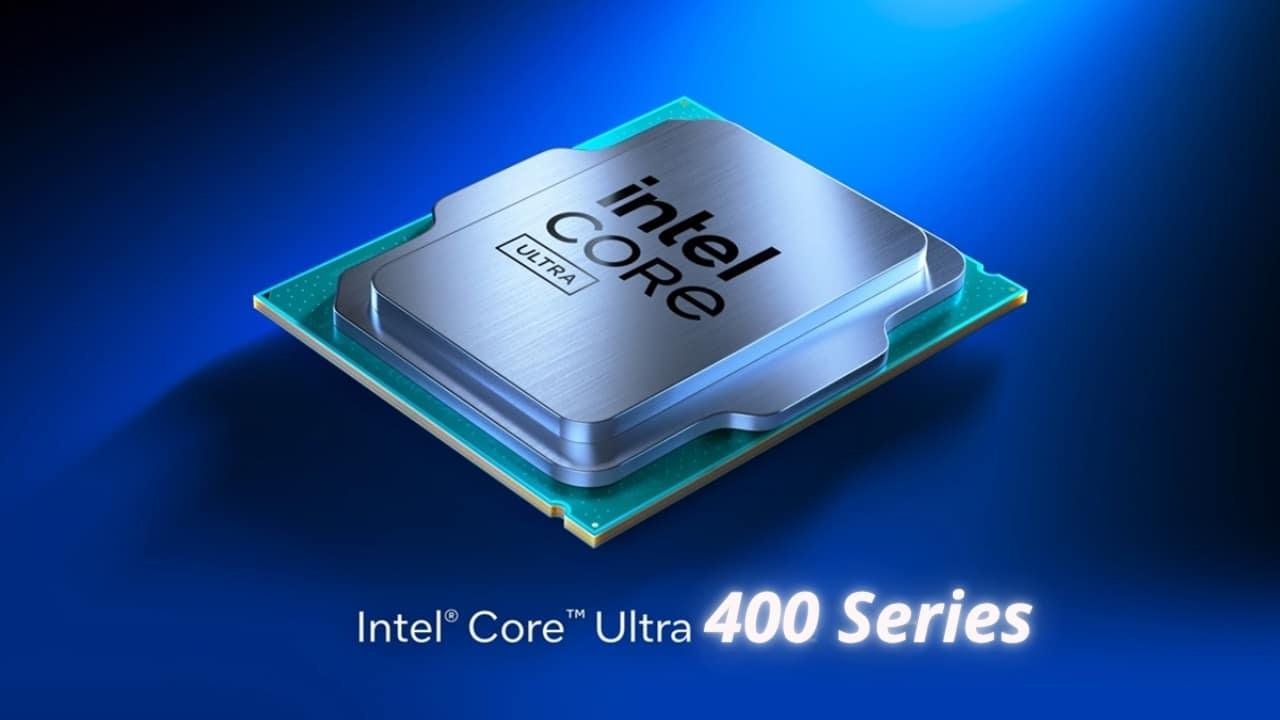
It seems that those at the Santa Clara offices aren't about to sit idly by while the competition steals the show in the gaming sector. The latest rumors circulating in tech circles suggest that the Intel Nova Lake-S architecture will be the company's next major leap forward, focusing its efforts on a much more aggressive memory management approach than what we're used to seeing in the consumer market.
Although it will still be some time before we can get our hands on these components, the leak of details about specific 18-core models has generated a great deal of excitement. It's not just about raw power, but about how that raw power is organized so that the most demanding processes run smoothly , especially when we're talking about next-gen titles that rely heavily on memory latency.

Core configuration and internal architecture
Getting down to brass tacks, it's been revealed that Intel is working on two specific models within what will presumably be the Core Ultra 400 series. These processors will feature a six-core high-performance Coyote Cove architecture , supported by eight Arctic Wolf efficiency cores and four additional low-power cores of the same type. The most curious aspect of this design is that, apparently, HyperThreading will be completely omitted, resulting in 18 physical cores capable of handling exactly 18 threads.
This design decision aims to simplify the architecture to improve thermal efficiency and avoid unnecessary bottlenecks. By using LP-E core technology , the system can handle light background tasks without affecting the main cores, which, in theory, should provide a much smoother everyday user experience without those annoying micro-stutters.
The bLLC cache revolution and gaming performance
Intel's real ace in the hole for this generation is undoubtedly the implementation of bLLC (Big Last Level Cache). According to various industry sources, this technology will allow processors to reach a capacity of up to 144 MB of L3 cache , a figure that puts them on par with AMD's 3D stacked cache solutions. This is vital for gamers, as the cache acts as an ultra-fast storage that prevents the processor from having to constantly retrieve data from RAM.
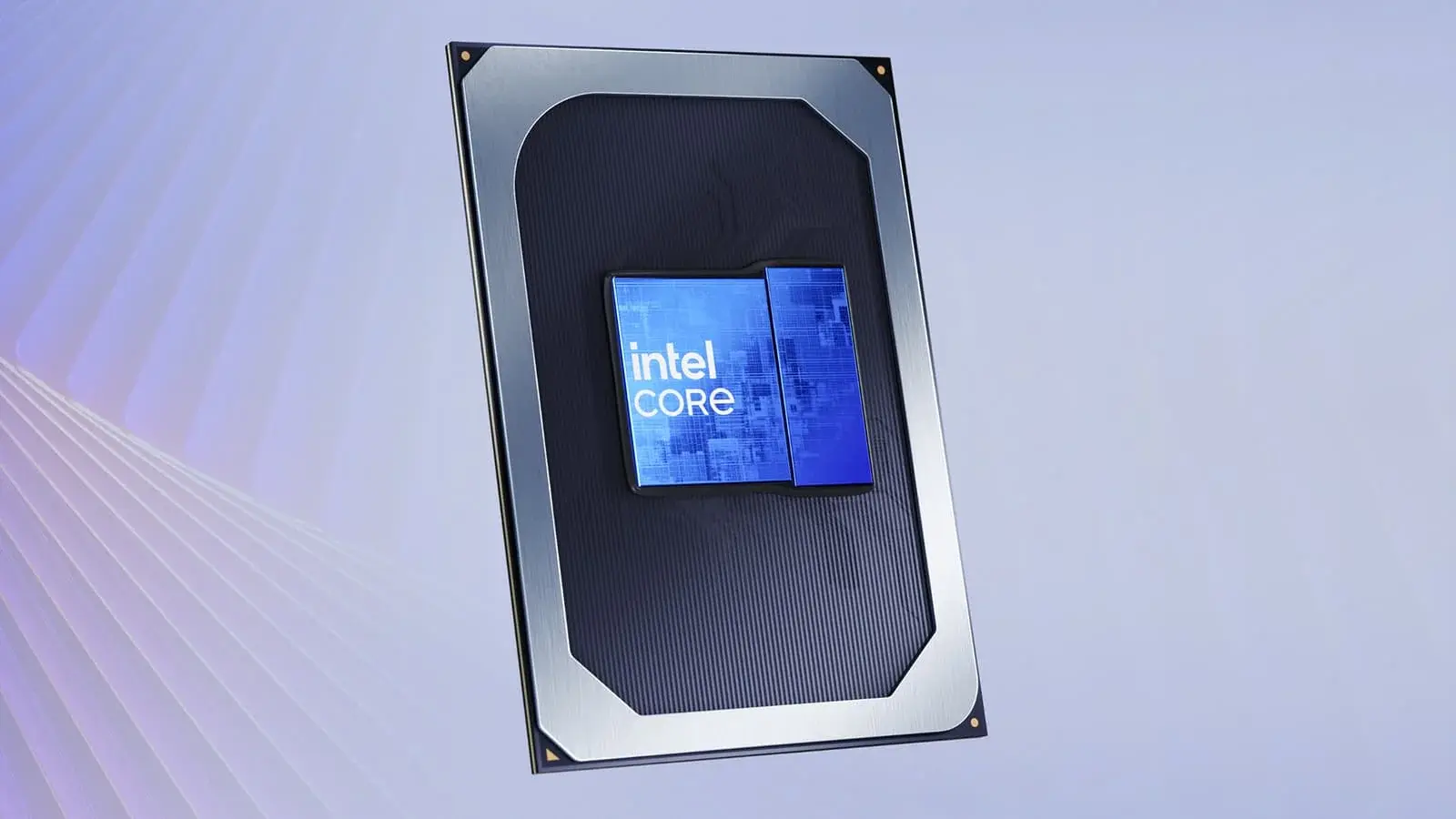
With this move, Intel aims to make its Nova Lake-S chips the preferred choice for building high-end systems in Europe and the rest of the world. The goal is clear: to achieve much more stable frame rates and solid performance in professional applications that benefit from having large amounts of data close to the processing unit, something that until now has been the strength of its closest competitor.
New standards: LGA 1954 socket and power consumption
As is usually the case with any major refresh, we'll need to upgrade our motherboards. The new Nova Lake-S processors will feature the LGA 1954 socket and 900 series chipsets , opening the door to DDR5-8000 memory compatibility. This translates to tremendous bandwidth, which will be invaluable for fully utilizing the new core configurations and ensuring the system doesn't become outdated too quickly.
Regarding the power these devices will require, there are two very distinct profiles. On the one hand, there will be a 125W version with an unlocked multiplier, ideal for those who enjoy overclocking and pushing their hardware to its limits. On the other hand, there will be a 65W variant, much more compact and easier to cool, designed for smaller systems or for users seeking a balance between power and quiet operation without sacrificing the benefits of the new architecture.
The arrival of these processors is expected in early 2027, although some optimists suggest we could see something by the end of 2026. What is clear is that Intel is going all out with the 18 cores and bLLC cache to offer a real and highly competitive alternative that will force the entire sector to raise the bar for technological performance in the coming years.
Table of Contents