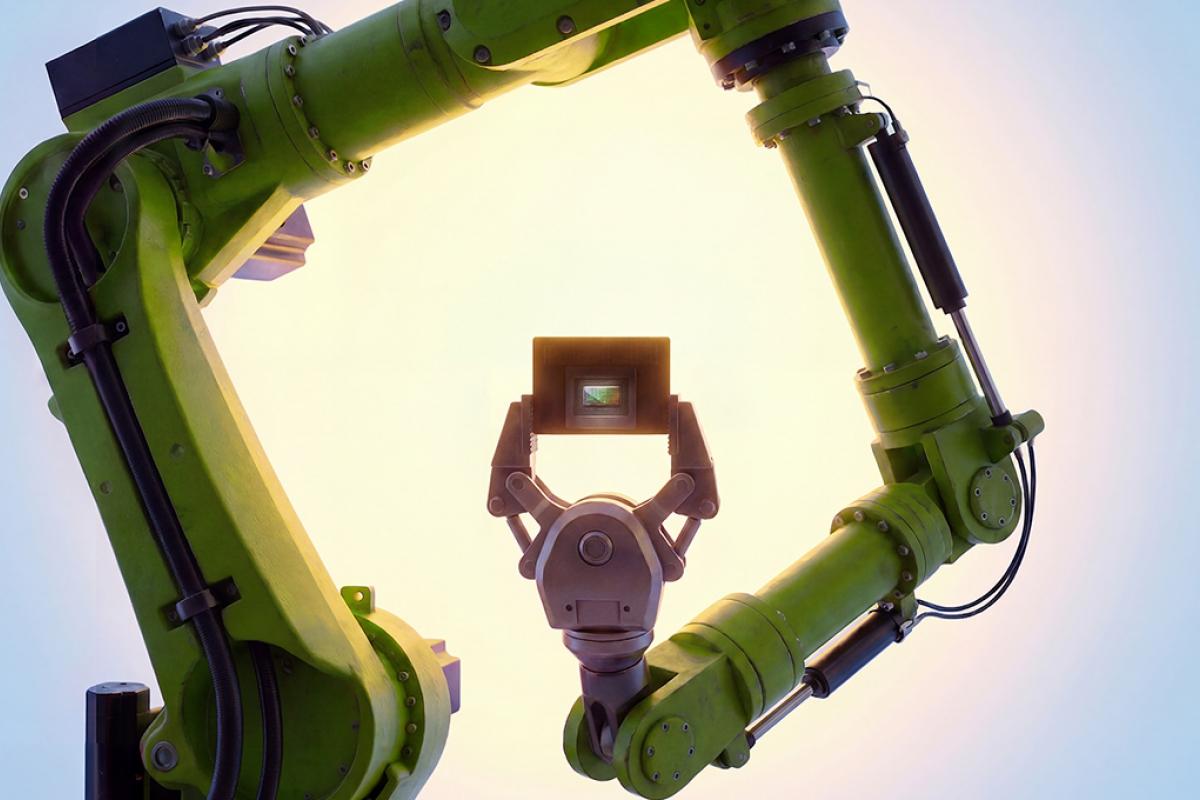
Robotics in Europe is undergoing a profound transformation. It's no longer just about mechanical arms that repeat movements, but about robotic systems capable of perceiving their environment and making decisions thanks to artificial intelligence. Both research centers and startups are driving this new generation of robots, which promises to change how we produce goods and provide healthcare.
From cosmetics factories to operating rooms, robots are beginning to integrate sensors and AI models that allow them to adapt to unforeseen situations. In Spain and Germany, for example, solutions are being developed that combine advanced hardware with machine learning software, paving the way for more flexible and reliable automation.
Artificial intelligence is being integrated into robotic systems
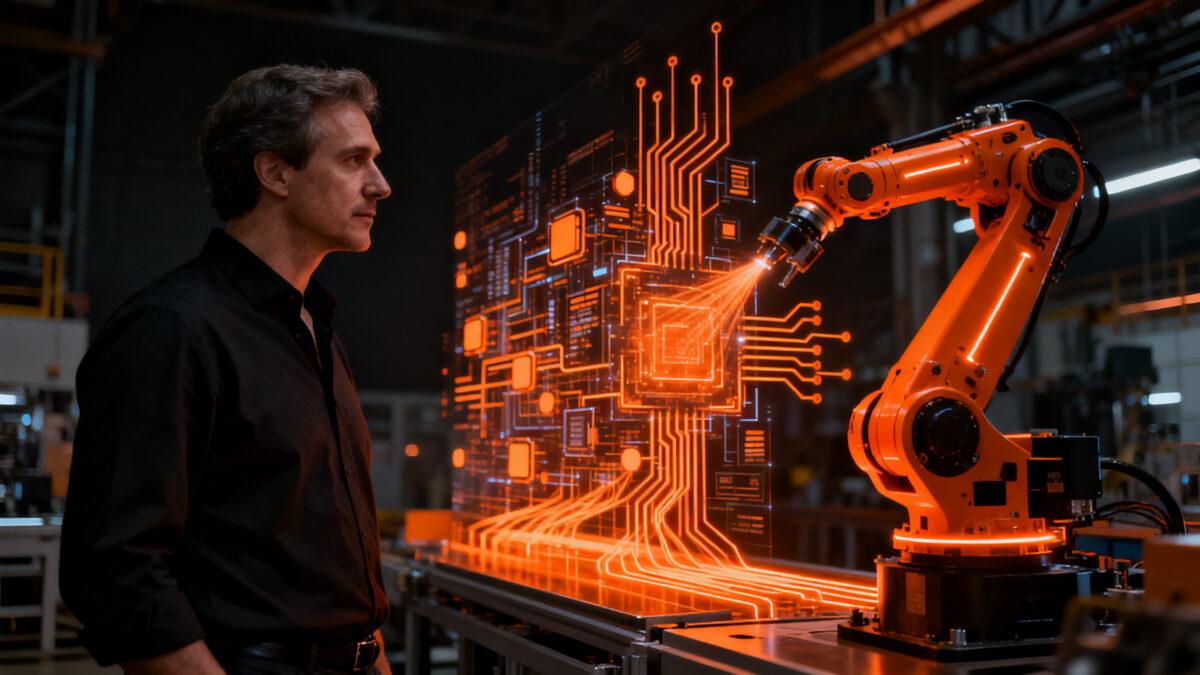
One of the most significant advances is the incorporation of what's known as physical artificial intelligence. The Eurecat technology center, based in Catalonia, is working on robots that understand context and learn from experience , applying language models and computer vision, thus boosting the robotics sector in Catalonia . Meanwhile, the German startup Microagi has developed a platform called Atlas that acts as an intermediary layer between the robot's hardware and AI models, allowing for the customization of industrial tasks without relying on a single manufacturer. Both initiatives reflect how AI is moving from being a complement to becoming the brain of robots.
Applications in industry and medicine
In the industrial sector, HBK, in collaboration with the French company Siléane, has developed a robotic gripping system that measures force in real time using intelligent load cells, preventing deformation of cosmetic containers. In the healthcare sector, the La Luz University Hospital in Madrid has performed the first robot-assisted knee replacement surgery using the VELYS robot, marking a milestone in the consolidation of robotic surgery in Spain and improving the precision of implant placement. Furthermore, Eurecat is applying intelligent robotics to the dismantling of lithium batteries for the circular economy, demonstrating the versatility of these technologies.
Collaborations and funding drive the sector
Financial support and strategic alliances are accelerating development. The European Commission has allocated over €40 million to the GRAIL consortium, led by Eurecat, to create the first major European AI model for robotics, integrating intelligent robotics as a technological driver . At the same time, Microagi closed Germany's largest seed funding round with $55 million and announced a collaboration with Google and Nvidia to access computing infrastructure. The alliance between HBK and Siléane also demonstrates how cooperation between established companies and robotics specialists leads to innovative solutions.
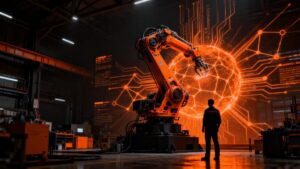
Benefits of intelligent robotics
The results of these innovations translate into concrete advantages. In production, precise force measurement reduces material waste and improves the quality of the final product . In surgery, robotic assistance allows for more accurate prosthesis placement, leading to faster recovery and expanding robotic surgery in Spanish hospitals . Furthermore, the flexibility offered by AI allows for the reconfiguration of manufacturing lines at a lower cost, as both Eurecat and Microagi point out. All of this contributes to a more efficient industry and improved working conditions.
The trend is clear: European robotics is moving away from rigid systems to embrace intelligence and adaptability. With multi-million euro investments and collaborations between research centers, startups, and major technology companies, the continent is positioning itself as a key player in the next generation of robots. The combination of sensors, AI, and strategic alliances is laying the foundation for smarter automation, capable of responding to the challenges of industry and society.
Table of Contents