
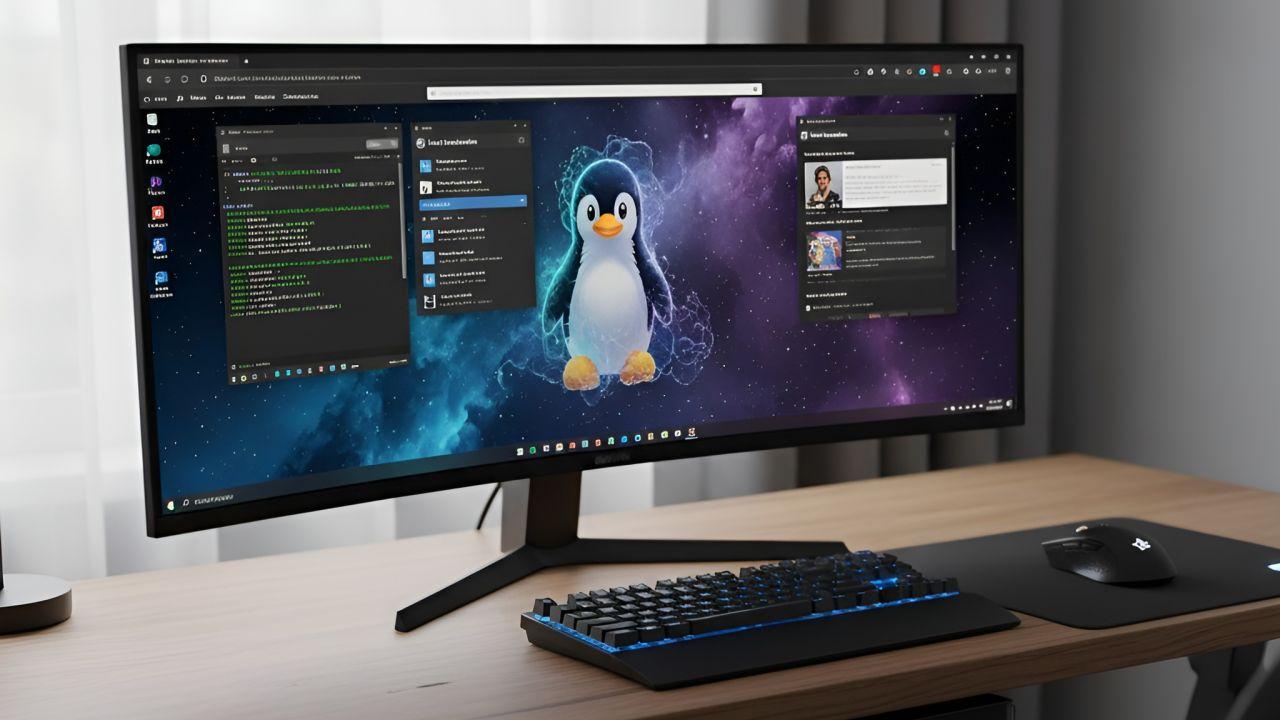
The latest Steam Hardware and Software Survey reveals a remarkable figure: Linux now accounts for 3,05% of the platform's players . While this is a modest percentage compared to Windows' dominance, it marks a turning point that many in the community have been waiting for.
More than just an anecdote, this is a sign of a trend: growth is accelerating and is accompanied by a favorable environment in Europe and Spain for PC gaming, with mobile devices and desktops opting for open-source alternatives. It's worth remembering that participation in the survey is voluntary, but even so, the increase is clear.
The role of SteamOS and the farewell to Windows 10
October data shows a monthly increase of 0,41 percentage points for Linux, reaching 3,05%, while Windows falls to 94,84% after dropping 0,75 percentage points. The end of support for Windows 10 is noticeable: Windows 10 declines by 3,94% , and Windows 11 absorbs 3,18% , without capturing the full migration.
The third player also shifted: macOS rose 0,34 points to 2,11% . This puts Linux ahead of Apple's system on Steam, a small overtaking that reinforces the diversification of the PC gaming ecosystem.
Where Linux is growing within Steam
Within the Linux universe, the driving force behind this progress has a name: SteamOS accounts for 27,18% of Linux systems on Steam . Interestingly, its share was higher a year ago (around 36,9%), suggesting a growing adoption of traditional desktop installations beyond Steam Deck.
The breakdown by distribution reveals some striking details: Arch Linux is around 10,32% , while Linux Mint 22.2 has seen a 6,65% increase . In the "gaming-first" scene, Bazzite is gaining traction as an optimized option for gaming with minimal customization.
Compatibility has changed the game. Thanks to Proton (Valve's layer on top of Wine and CodeWeavers), today nearly 90% of Windows games work on Linux to a greater or lesser extent. It's not all "plug and play," but the qualitative leap is evident and reduces friction for new users.

Hardware: AMD's advantage among Linux gamers
The CPU landscape in Linux is clear: AMD leads with 67,1% compared to Intel's 32,9%. Steam Deck's APU is pushing Ryzen forward and solidifying an ecosystem where drivers, performance, and efficiency are a good fit for Linux.
Looking at the Windows side, the balance is reversed: Intel surpasses 57,8% and AMD hovers around 42%. They are two worlds with distinct profiles that, nevertheless, share a game catalog and a massive user base in the mid-range market.
In GPUs, Nvidia continues to dominate the overall survey (with models like the RTX 3060 very high up), but what's relevant to this story is that Linux has been breaking down barriers, offering stable performance and mature options with current hardware.
Implications for Spain and Europe
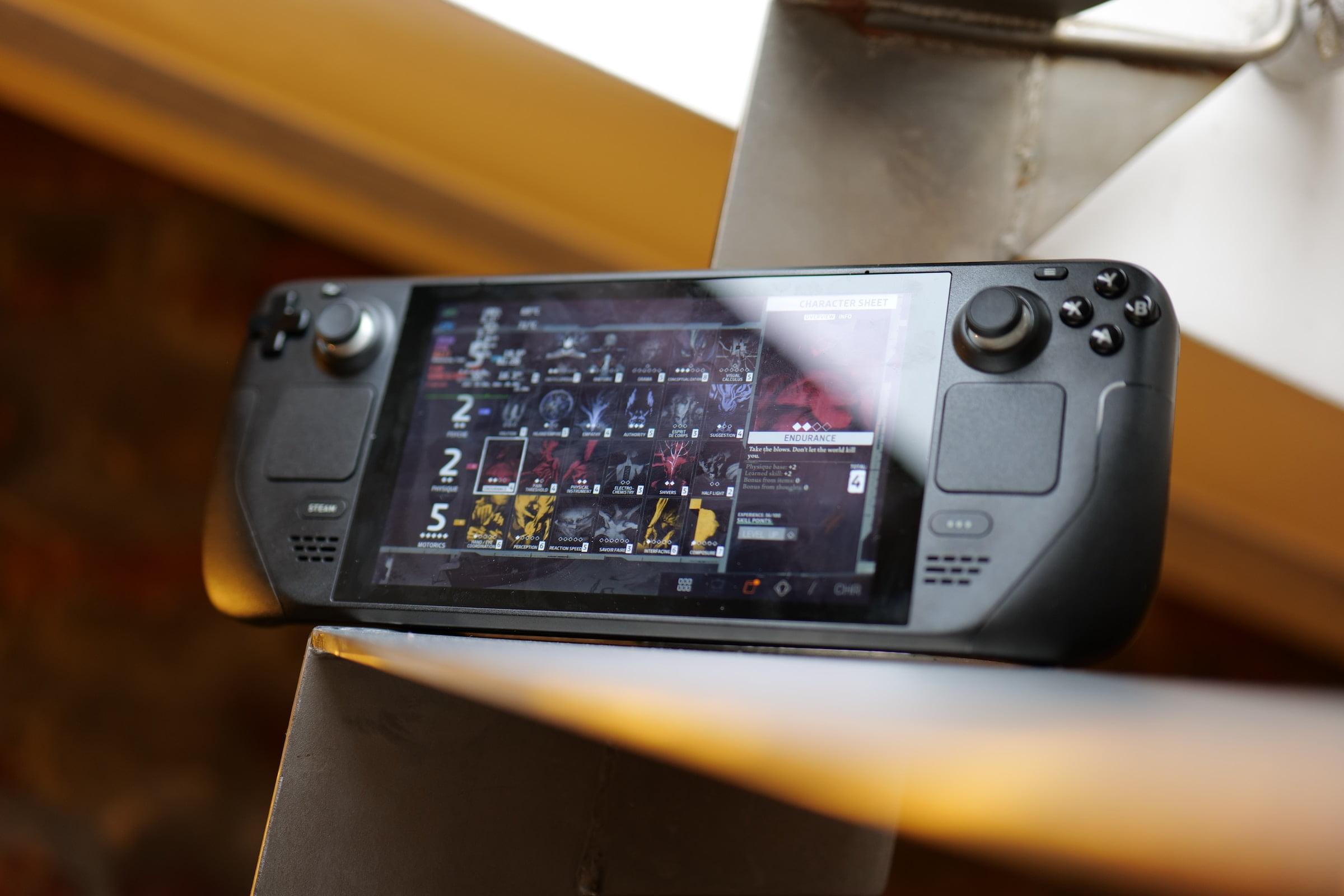
In the European market, the rise of portable PC-consoles and the improved "couch gaming" experience have opened the door to Linux/SteamOS as a viable alternative. Obstacles remain, especially kernel-level anti-cheat measures in competitive shooters, but the landscape is shifting.
Valve remains focused on its ecosystem and hints at new devices based on SteamOS , which could strengthen the system's presence beyond laptops. For the studios, crossing the 3% mark is a psychological threshold that encourages testing, patching, and verifying Linux releases.
The snowball effect is fueled by community: more users reporting to ProtonDB means more patches and refined configurations, which lowers the initial cost. This is further enhanced by gaming-oriented distributions (Ubuntu, Fedora, Pop!_OS, Nobara) that simplify drivers and settings.
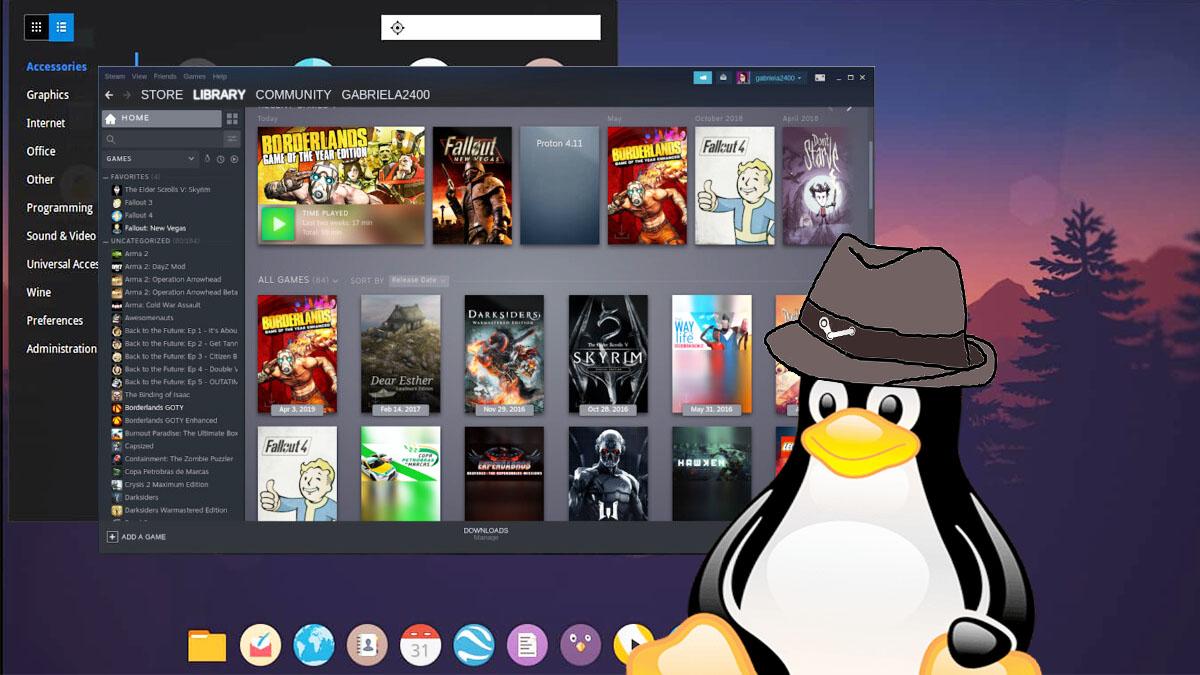
The 3,05% increase won't change the landscape overnight, but it does confirm that Linux is no longer marginal on Steam : SteamOS and Proton are gaining ground, Windows 10 is losing territory, and manufacturers are following suit. For gamers in Spain and Europe, this translates into more options, less friction, and an ecosystem that is gradually establishing itself as a viable alternative.

Table of Contents