
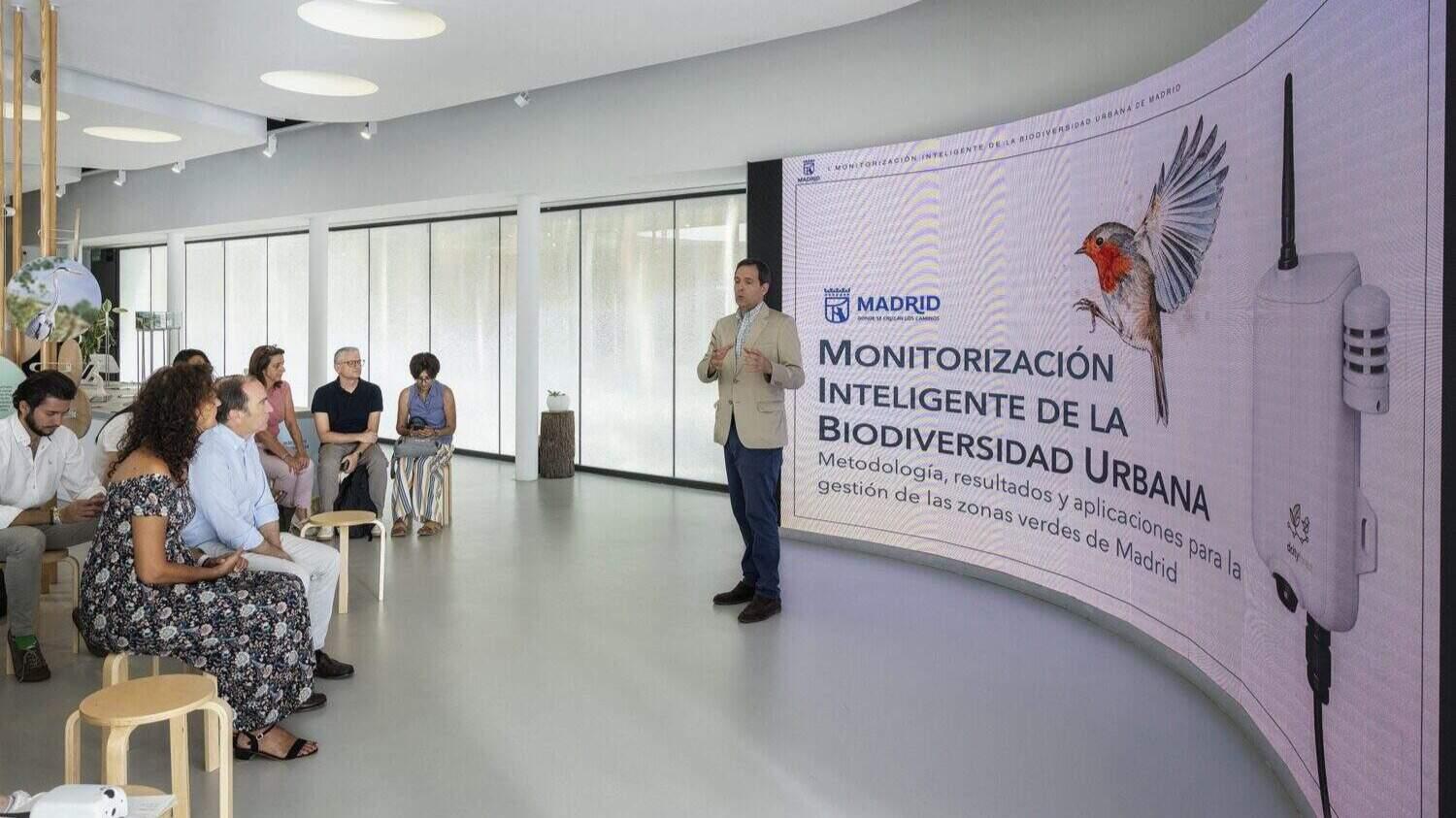
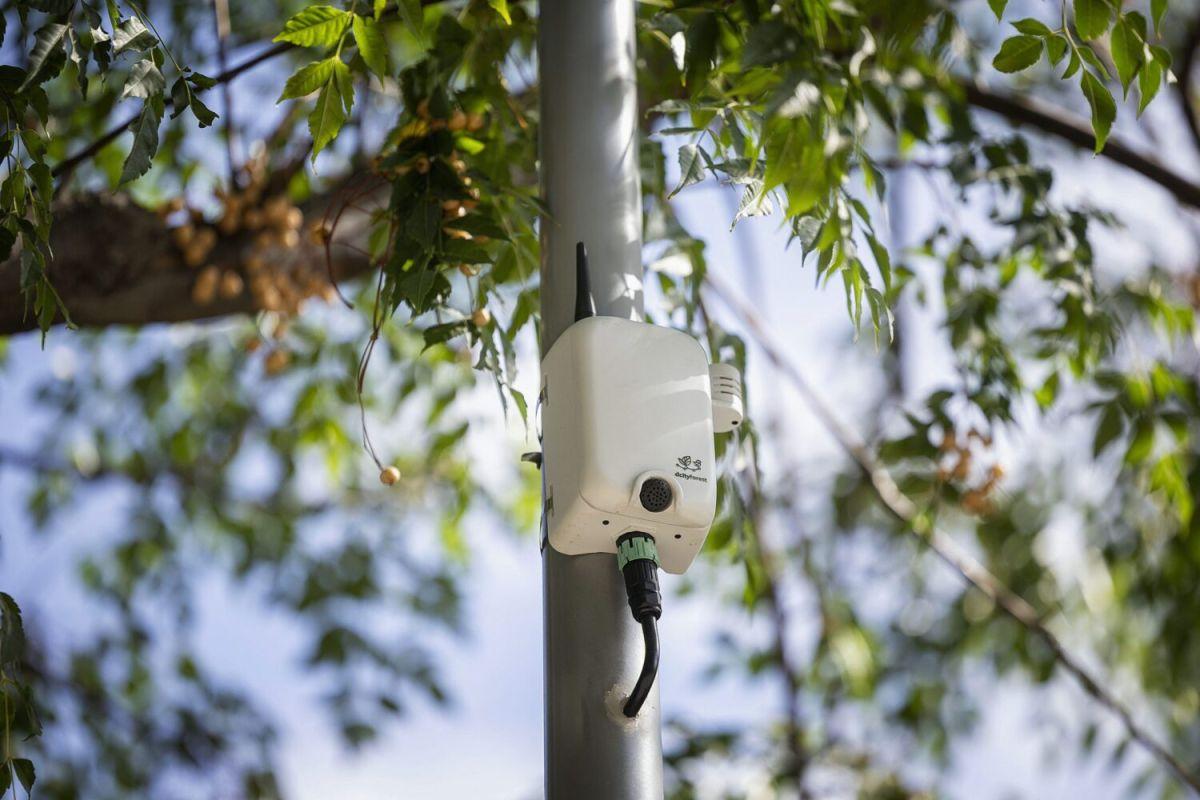
The Madrid City Council has launched a pioneering initiative to better understand urban biodiversity: a network of fifteen acoustic sensors equipped with artificial intelligence that listen to birdsong and bat calls in two of the capital's green spaces. The devices, distributed between Madrid Río and the Valdebebas-Felipe VI forest park, process the sounds in real time and allow for the identification of which species has passed in front of the sensor without needing to store a single recording.
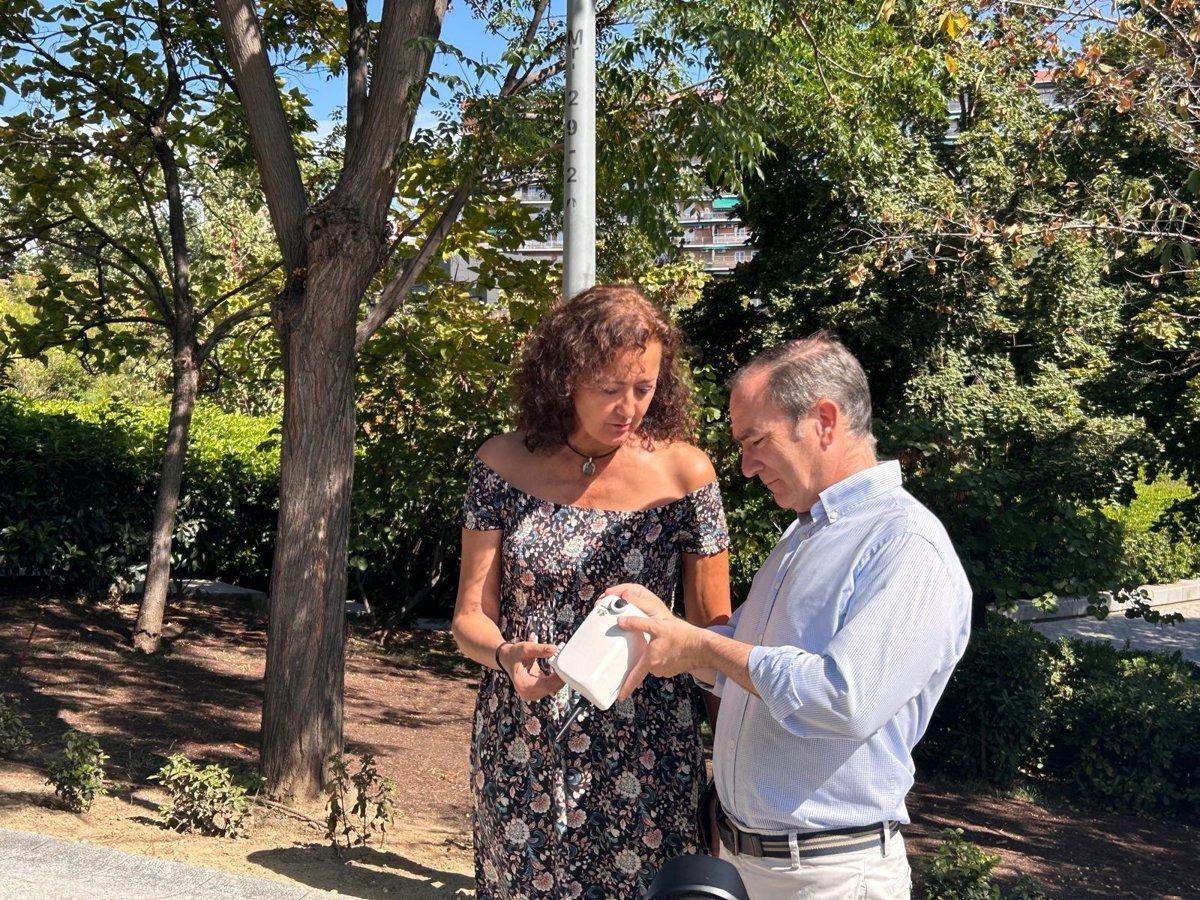
The project was presented by the Delegate for Urban Planning, Environment, and Mobility, Borja Carabante, accompanied by the Councilor for Arganzuela, Lola Navarro, at an event held at the Madrid Río Interpretation Center. During the event, Carabante emphasized that innovation and technology can become "great allies" in preserving natural heritage and moving towards a "more sustainable, resilient city committed to its biodiversity."

A network of sensors that doesn't record, but listens
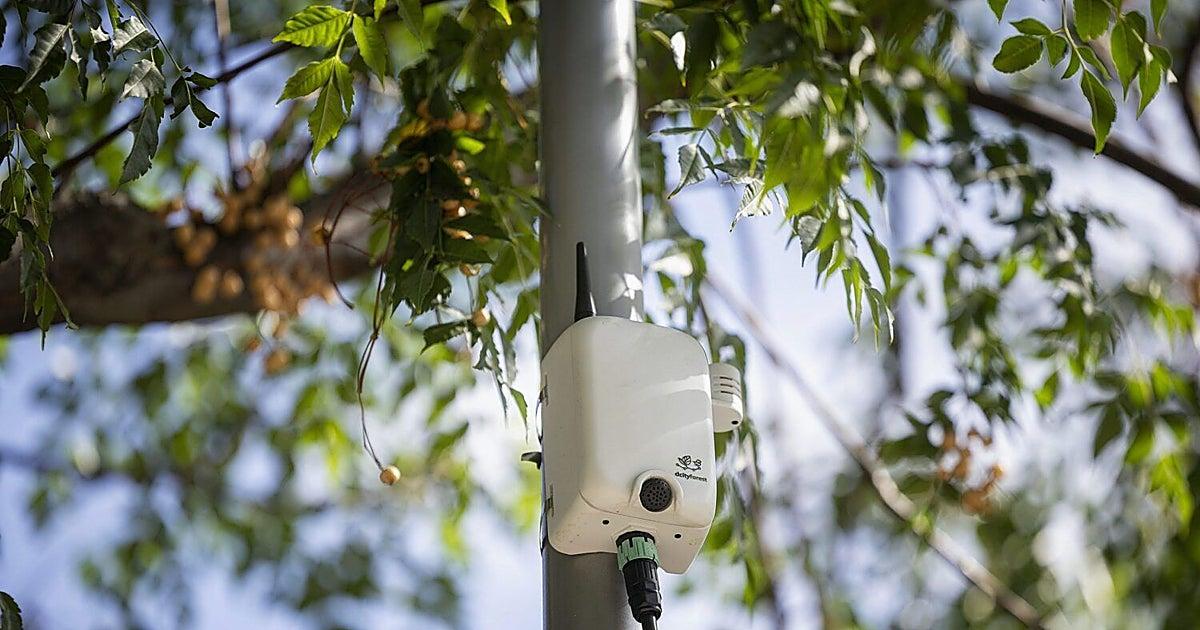
The main feature of these devices, developed and manufactured entirely in Spain, is that they don't function like a conventional recorder. When they receive birdsong or bat ultrasound, they process the signal instantly using artificial intelligence algorithms. Once the species is identified, the sound signal is discarded, and only the detection result is stored, along with the date, exact time, temperature, relative humidity, and atmospheric pressure at that moment.
This approach guarantees privacy and avoids the storage of audio files, a feature that, as explained by the Deputy Director General of Parks and Nurseries for the City Council, Antonio Morcillo, allows researchers to study species "without the need to capture them or interfere with their biology, development, or habits." The sensors operate 24 hours a day without interruption, providing experts with a constant flow of objective and up-to-date data.
More than 12.000 observations in the first few months
The initial results have already yielded compelling figures. In Madrid Río, the seven installed sensors have identified 66 bird species, with a total of 1.564 observations, and 13 bat species, which have generated 221 records. Among the most frequently observed birds are the Eurasian magpie, European serin, European goldfinch, common swift, and European penduline tit. As for bats, the most commonly detected species have been the greater mouse-eared bat, Nathusius's bat, the greater ortolan bat, and the greater woodland bat.
In the Valdebebas-Felipe VI forest park, where eight sensors have been installed, the recorded activity has been even greater. There, 6.885 observations of 103 bird species and 3.578 observations of 23 bat species have been recorded. The magpie, the serin, the goldfinch, the swift, and the blackbird top the list of birds, while among the bats, the lesser noctule, Nathusius's bat, Cabrera's bat, the common buzzard, and the pale-edged bat stand out.
These data confirm both areas as strategic refuges for the capital's biodiversity, even though they are subject to considerable recreational pressure. Comparing a busy urban park like Madrid Río with a more natural and expansive space like Valdebebas will allow researchers to study how wildlife responds to very different urban environments.
A digital twin for managing biodiversity
All the information collected by the sensors is automatically integrated into a technological platform that acts as a digital twin of biodiversity. This tool allows for real-time visualization of identified species and analysis of their spatial and temporal distribution. The platform includes dashboards with dynamic graphs, indicators, statistical tables, and heat maps, as well as a geographic information system (GIS) that allows municipal technicians to search by species, habitat, ecological index, or location.
The project also incorporates generative artificial intelligence tools that, through prompting techniques, generate structured and customized technical reports. This functionality aims to streamline the work of teams responsible for environmental management and facilitate the evaluation of conservation policies using objective, continuous, and up-to-date data.
According to Carabante, once the trial period is complete, this network is expected to be expanded to other green spaces in the capital and also used to analyze other mammals, such as foxes, as well as amphibians and reptiles. With this initiative, Madrid is consolidating its position as a leader in the application of innovative solutions for the conservation of urban biodiversity , demonstrating that technology can be a powerful ally in protecting natural heritage.
The AI-powered acoustic sensor network has already demonstrated its potential to transform municipal environmental management. With over 12.000 recorded observations and a system that does not store audio, Madrid has taken a significant step towards biodiversity management based on objective, real-time data. The combination of acoustic monitoring, artificial intelligence, and data analysis will allow municipal technicians to make more informed decisions to protect green spaces and move towards a more sustainable city committed to its wildlife.