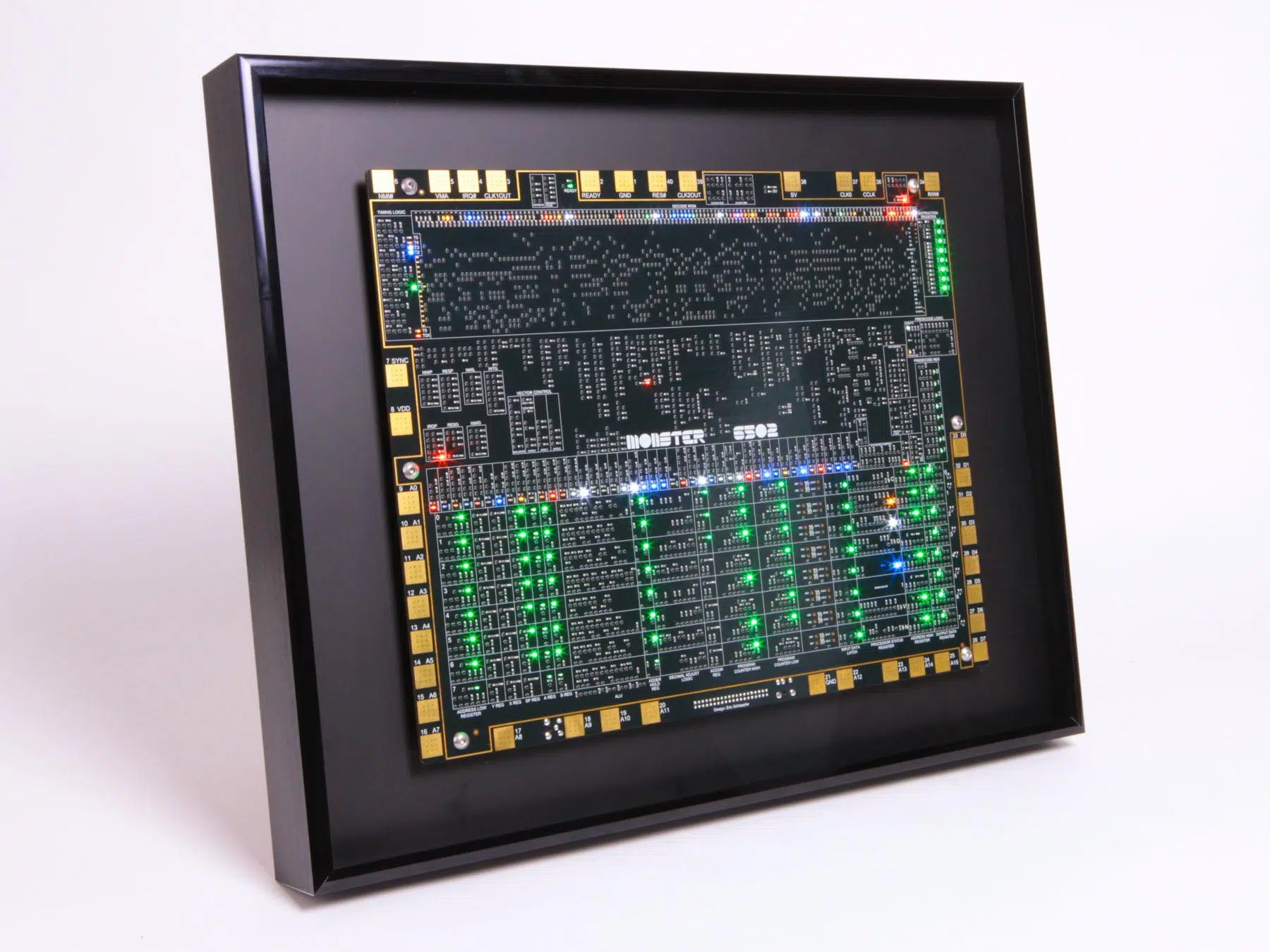
Nearly five decades after its release, Microsoft has made 6502 BASIC available to everyone as open-source software , with the source code officially hosted in a public repository. This marks the first time the historic interpreter has been released in its entirety by the Redmond-based company, with explicit permission to explore and reuse it.
For years, partial copies and unofficial versions circulated , but now the project is being released with a modern and transparent license. This move opens the door for developers, educators, and retrocomputing enthusiasts to examine how one of the cornerstones of personal software was built and adapt it to new contexts.
What is 6502 BASIC and where does it come from?
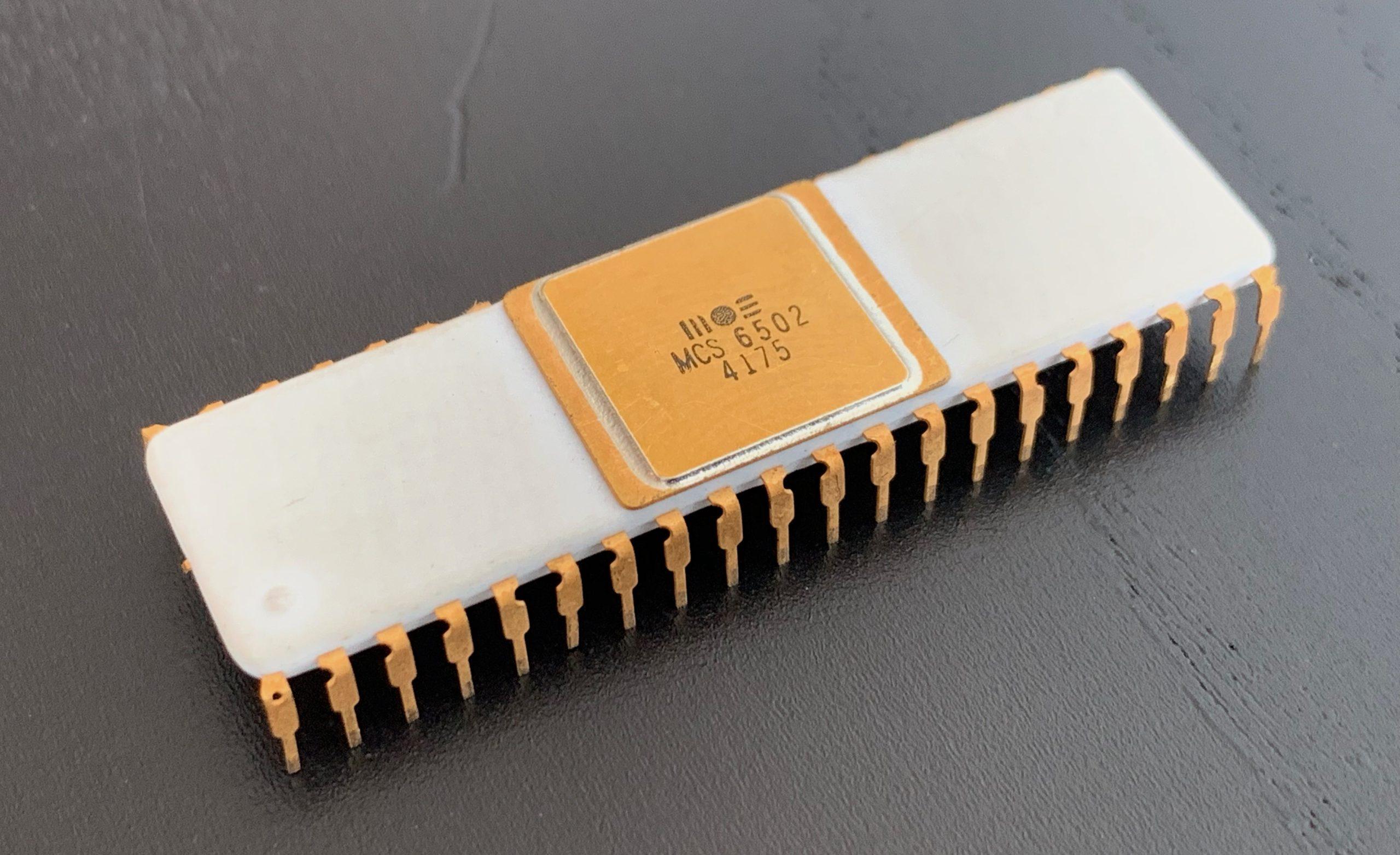
The full name of the project is Microsoft BASIC Version 1.1 for the 6502 microprocessor . It originated in 1976 as a port of Microsoft's first commercial product, BASIC for the Intel 8080 of the Altair 8800, to the then-emerging MOS 6502 architecture.
Key figures from the company participated in that effort, with Bill Gates and Ric Weiland involved in adapting the interpreter to the 6502. The result was a compact and versatile BASIC, ready to run on computers with very limited resources.
Beyond running simple programs, 6502 BASIC offered floating-point arithmetic, mathematical functions and operators , string and array manipulation, and input/output operations. This combination made it a de facto standard for many machines of its time.
Impact and adoption in the 1970s and 1980s
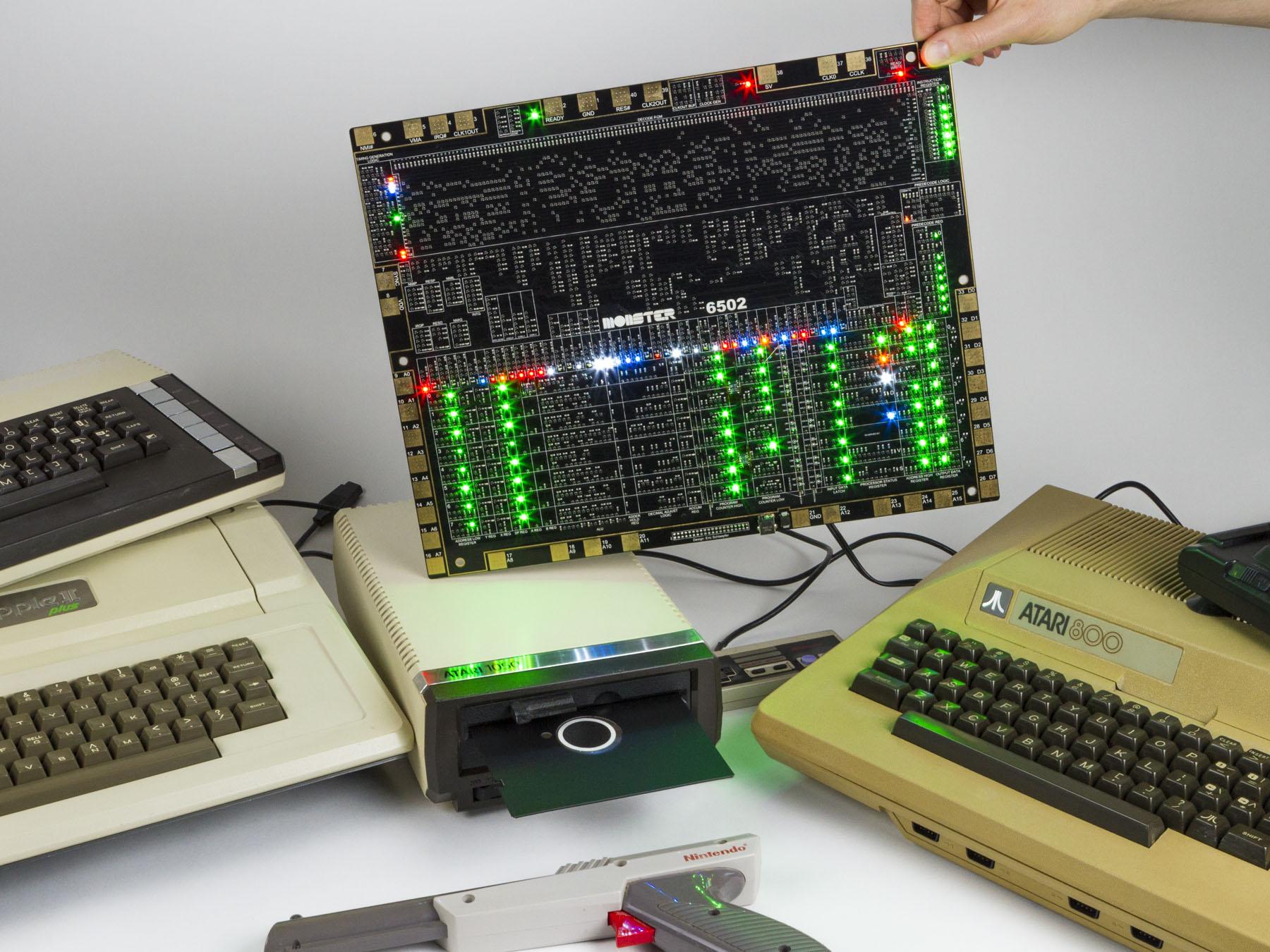
In 1977, Commodore licensed 6502 BASIC for $25.000 , securing its presence on the PET and, later, on the popular VIC-20 and the legendary Commodore 64. That decision marked an entire generation of users who learned to program with these machines.
Microsoft's work also served as the basis for Applesoft BASIC , the interpreter used on the Apple II that replaced Steve Wozniak's Integer BASIC. With this, the 6502 ecosystem consolidated a common language in educational and home environments.
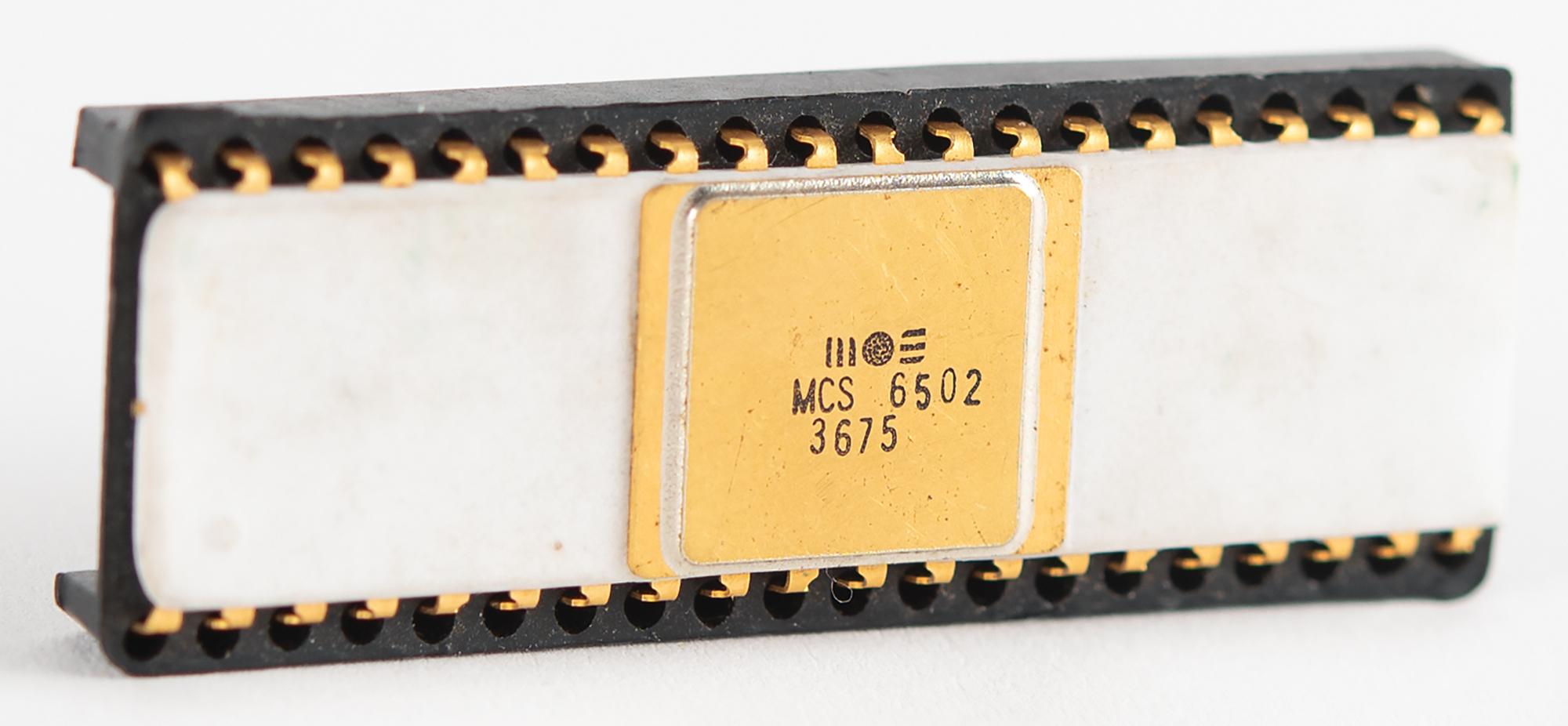
The MOS Technology 6502 processor powered a multitude of consumer devices, from personal computers to consoles: the Atari 2600, Atari 800XL, and the NES benefited from its low cost and good performance, helping to keep interest alive in its software and tools.
What exactly has Microsoft released?
The company has uploaded the complete assembly source code (6.955 lines) for version 1.1 of the interpreter to GitHub, along with historical notes and technical considerations. Corrections to the original code are included to improve the fidelity of the generated ROMs.
The source tree incorporates conditional compilation for multiple pioneering systems , such as Apple II, Commodore PET, Ohio Scientific, or the MOS Technology KIM-1, making it easy to reproduce platform-specific versions of the interpreter.
Those who explore the repository will even find a small historical nod: an Easter egg associated with the STORDO tags , attributed to Bill Gates. Beyond the anecdote, the real value lies in being able to study, line by line, how this BASIC code was built.
All material is released under the MIT license , which allows its use, modification, and redistribution with very few restrictions. This release aligns with other recent openness efforts by Microsoft and provides a clear legal framework for current projects.
Why it matters today: Preservation, FPGAs, and learning
The official release gives back to a community that has spent years rebuilding build environments and verifying ROMs byte by byte . With the proper license, this volunteer work gains continuity and visibility for those who wish to replicate or expand it.
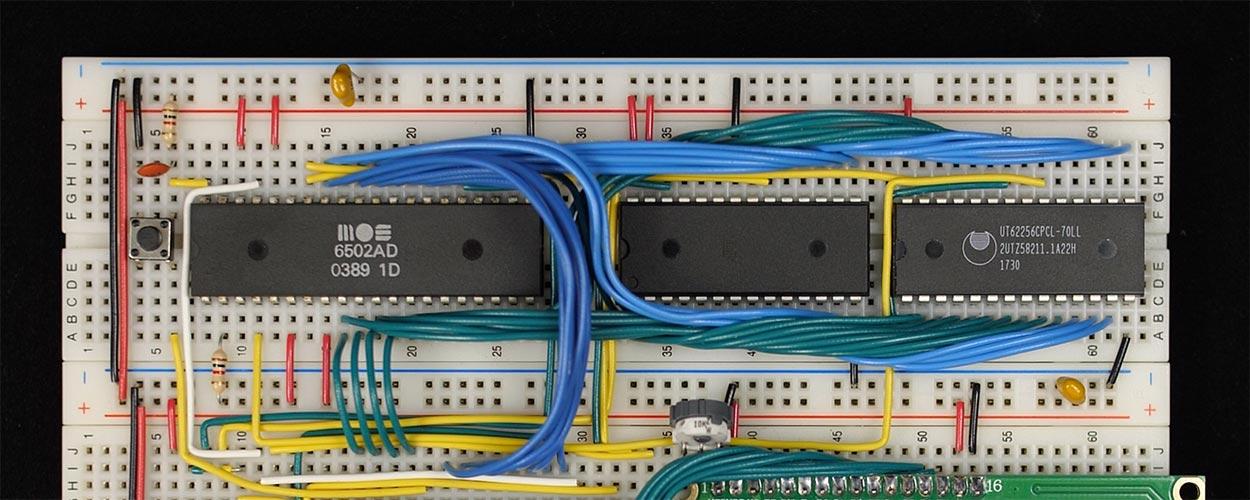
Furthermore, the rise of FPGA implementations is bringing classic hardware to new audiences; projects like the programmable educational board with the 6502 CPU facilitate access. Replicating the behavior of the original machines on a programmable array is more faithful than software emulation, according to many enthusiasts, and having the original interpreter enhances that fidelity.
For teaching and outreach, the value is twofold: on the one hand, it allows the study of low-level programming techniques in a real historical context; on the other, it offers an accessible environment for new programmers to understand how a high-level language translates into machine behavior.
Anyone who wants to try it out can go directly to the official repository: there you'll find the assembly code, compilation instructions, and references to compatible platforms . It's a great opportunity to experiment with real hardware, emulators, or faithful recreation projects.
With this release, Microsoft is rescuing a foundational piece of personal computing and placing it in the hands of the community with sufficient tools, permissions, and context to continue learning and creating. 6502 BASIC, a key player in its era, is once again ready to inspire the next.
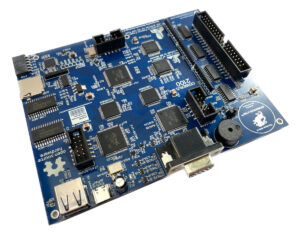
Table of Contents