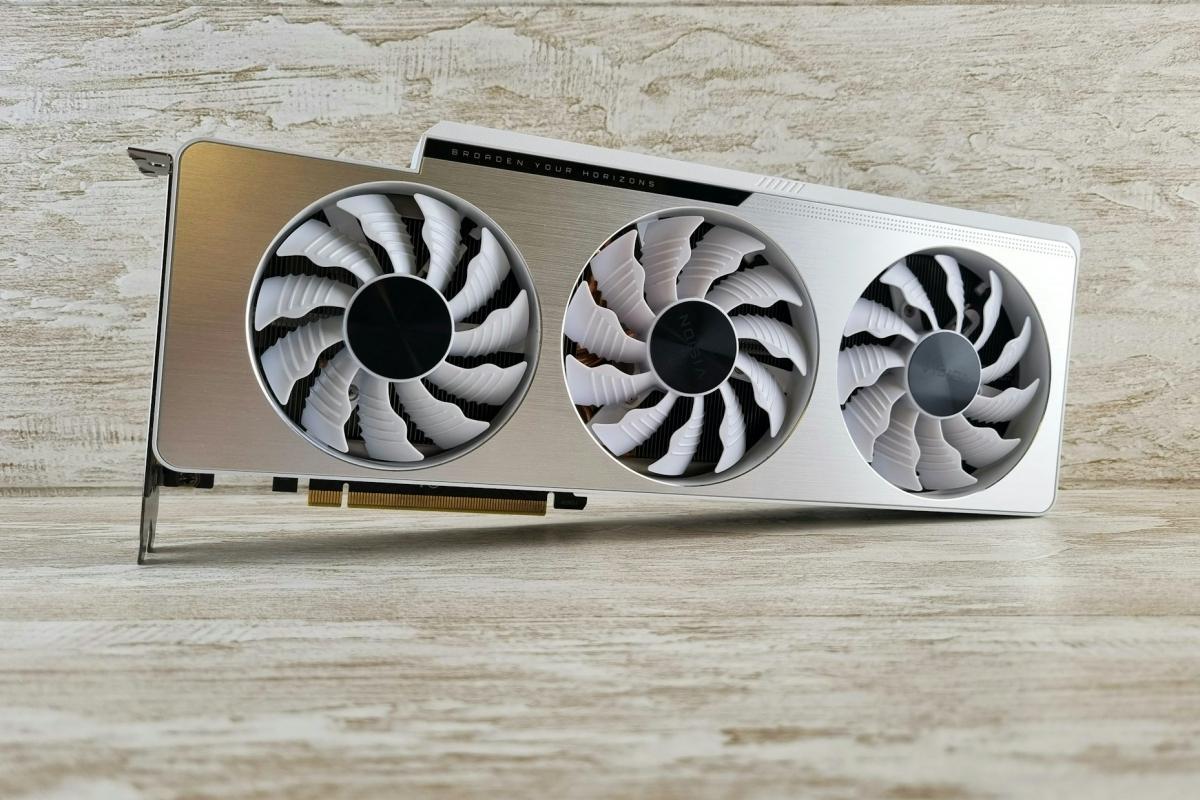
The PC graphics card market has just taken an unexpected turn. According to the latest Market Watch report from Jon Peddie Research, GPU shipments surged 10,4% in the last quarter, reaching a staggering 75,5 million units worldwide. This figure contrasts sharply with the typical growth rate for this time of year, where the historical average barely reaches 6%, indicating stronger-than-expected market momentum.
Looking at the year-over-year comparison, global graphics card sales have managed a slight increase of 1,1%. However, the most striking aspect of the report is the 12,2% growth in the dedicated GPU segment , a particularly significant figure given the ongoing supply chain tensions and logistical problems that have persisted for years. This translates into a scenario where manufacturers are trying to balance supply with a demand that is not only holding steady but accelerating.
Laptops are saving the day while desktops are suffering
The evolution by equipment type reveals a considerable gap. Desktop hardware sales have fallen by 4% , while laptops have offset this decline with spectacular growth of 16,8%. This difference reflects a shift in consumer habits, with more and more people opting for mobile solutions without sacrificing graphics performance. In fact, the GPU integration rate in computers is now approaching 120%, meaning it's common to find systems that combine integrated graphics with dedicated chips to balance power consumption and performance.
In the battle for market share, AMD gained 0,6% compared to the previous quarter , while NVIDIA added 0,46%. The biggest loser in this overall tally is Intel, which lost a full percentage point. Focusing solely on processors, we see quarterly growth of 10,10%, driven primarily by AMD's 12,74% surge, surpassing Intel's 8,99% growth during the same period.

Memories are still through the roof
But it's not all good news in the sector. All this sales volume is clashing head-on with a memory shortage that's looking increasingly dire . Manufacturers are diverting their resources to corporate infrastructure , especially to data centers dedicated to artificial intelligence. This frenetic consumption of components is resulting in a tremendous cost overrun that ultimately impacts the final prices in stores.
The impact of this price stranglehold is clearly visible in the high-end market. For example, in Spain, seeing an RTX 5090 priced above €6.200 makes these top-of-the-line models a luxury item that few users can afford. This commercial madness has even led to absurd pricing in the entry-level segment, such as the relaunch of the veteran RTX 3060 for over €340. Although analysts predict that the GPU market will contract slightly until 2029, it seems that in the short term, users are still buying hardware, perhaps driven by the fear of technological inflation that will further empty their wallets.
In short, the graphics card sector is experiencing a moment of contrasts: on the one hand, shipment figures demonstrate robust demand; on the other, soaring prices and memory shortages threaten to cool a market that continues to drive innovation. It remains to be seen whether manufacturers can balance the scales before the bubble bursts.