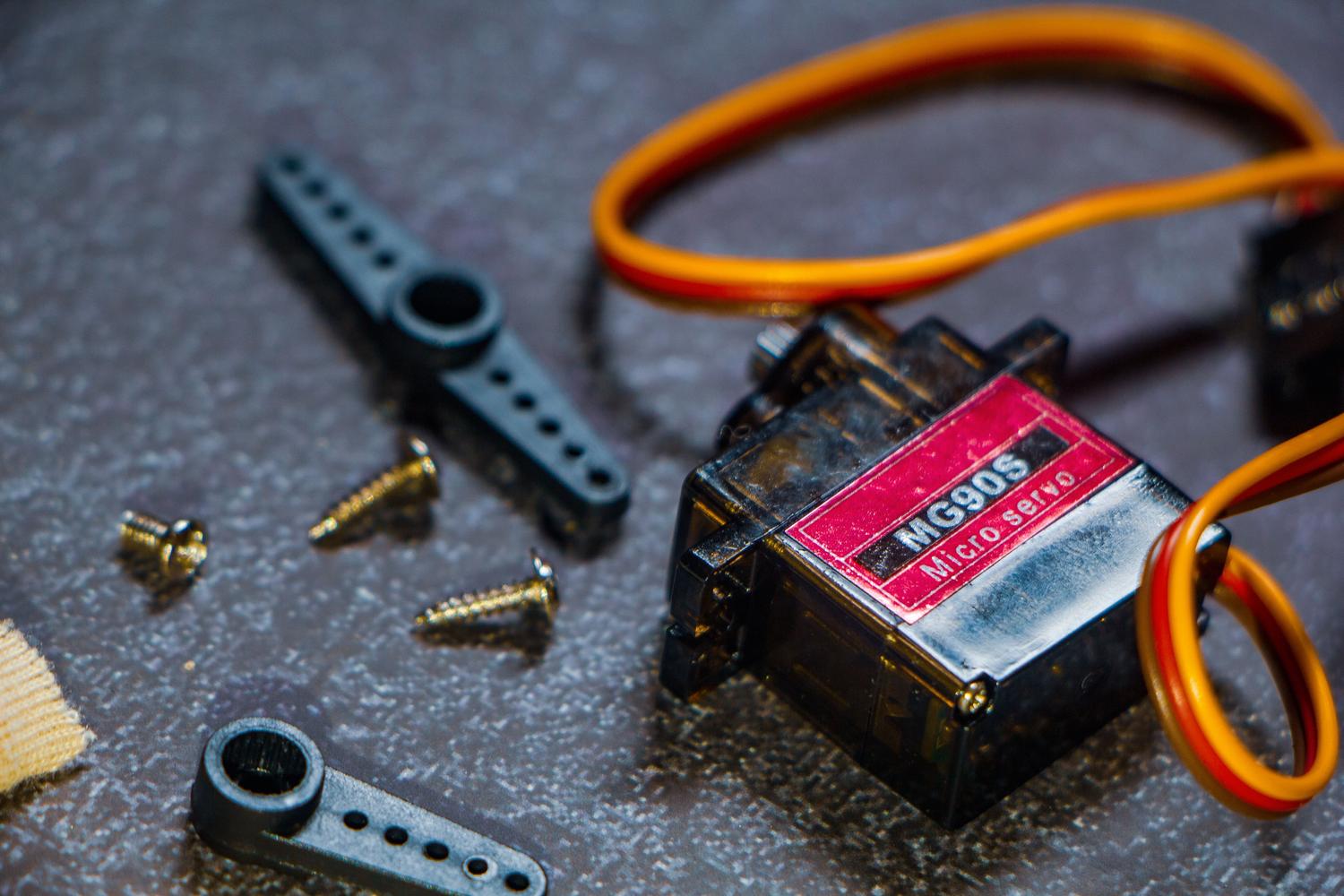
If you've ever wondered how to control a bunch of servos without your microcontroller running out of pins or going haywire, you've probably come across the PCA9685 controller . It's essentially a lifesaver for any maker wanting to build a robotic arm or a hexapod, as it allows you to manage a huge number of actuators using only the I2C bus, thus avoiding the mess of wires and the lack of PWM outputs on boards like the STM32G031 or Arduino.
The best thing about this device is that it's not just a simple bridge; it acts as an auxiliary brain, maintaining a stable signal without the main processor having to monitor every pulse. Thanks to its 12-bit resolution , you can adjust the position of your servos with millimeter precision, making all the difference between jerky and smooth, professional movement in any advanced robotics or home automation project.
What exactly is the PCA9685 module?
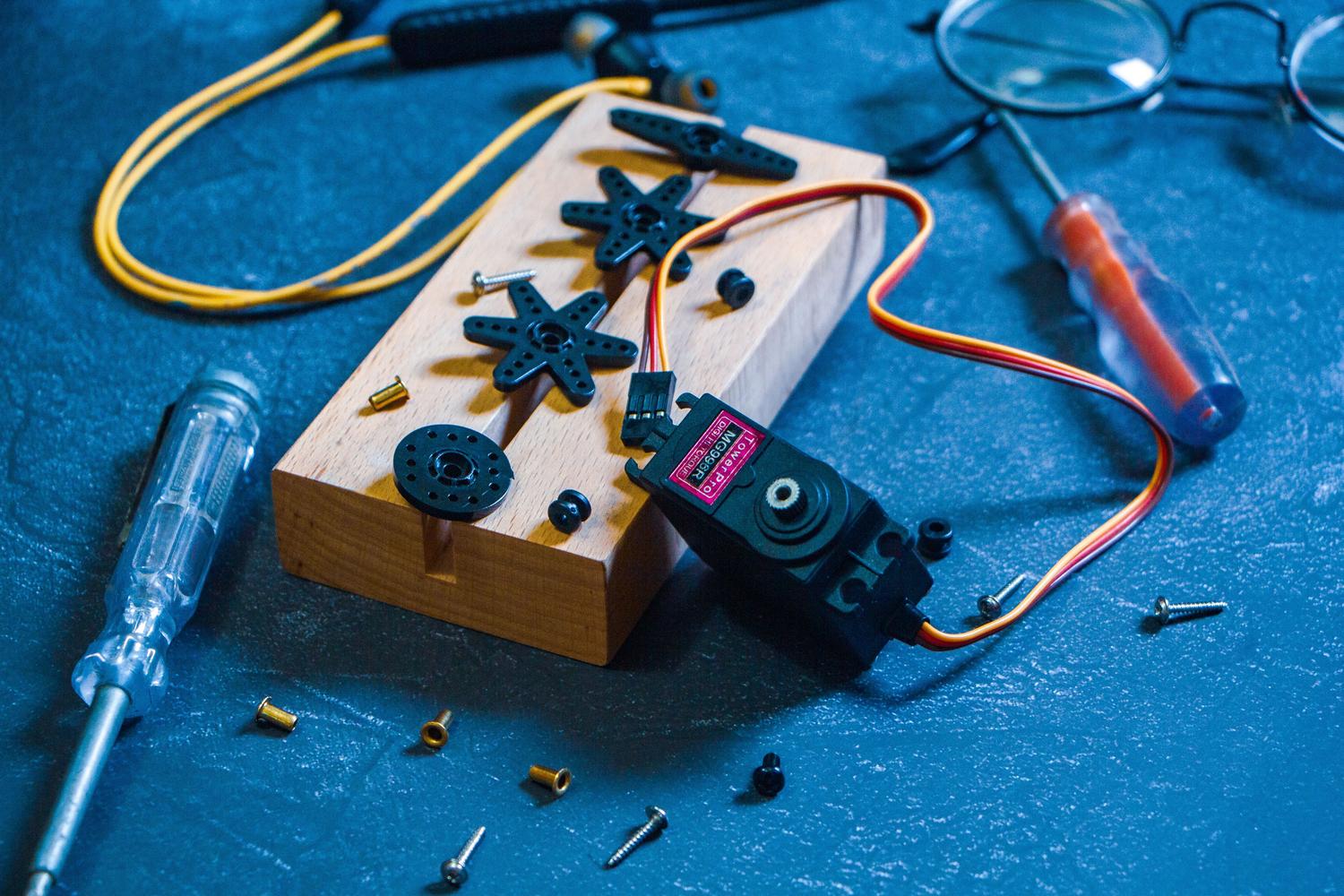
To get down to business, we're talking about a chip specialized in generating PWM (Pulse Width Modulation) signals that communicates via the I2C protocol. Its main function is to expand your motherboard's output capabilities , allowing you to control up to 16 independent channels. This is a huge relief, as you only need two data pins (SDA and SCL) to manage a massive number of devices.
One particularly cool feature is that the chip integrates its own internal 25 MHz oscillator . This means that once you tell it what to do, the module maintains the output frequency without the microcontroller constantly sending updates, thus freeing up CPU cycles for other, more complex tasks.
Detailed technical specifications
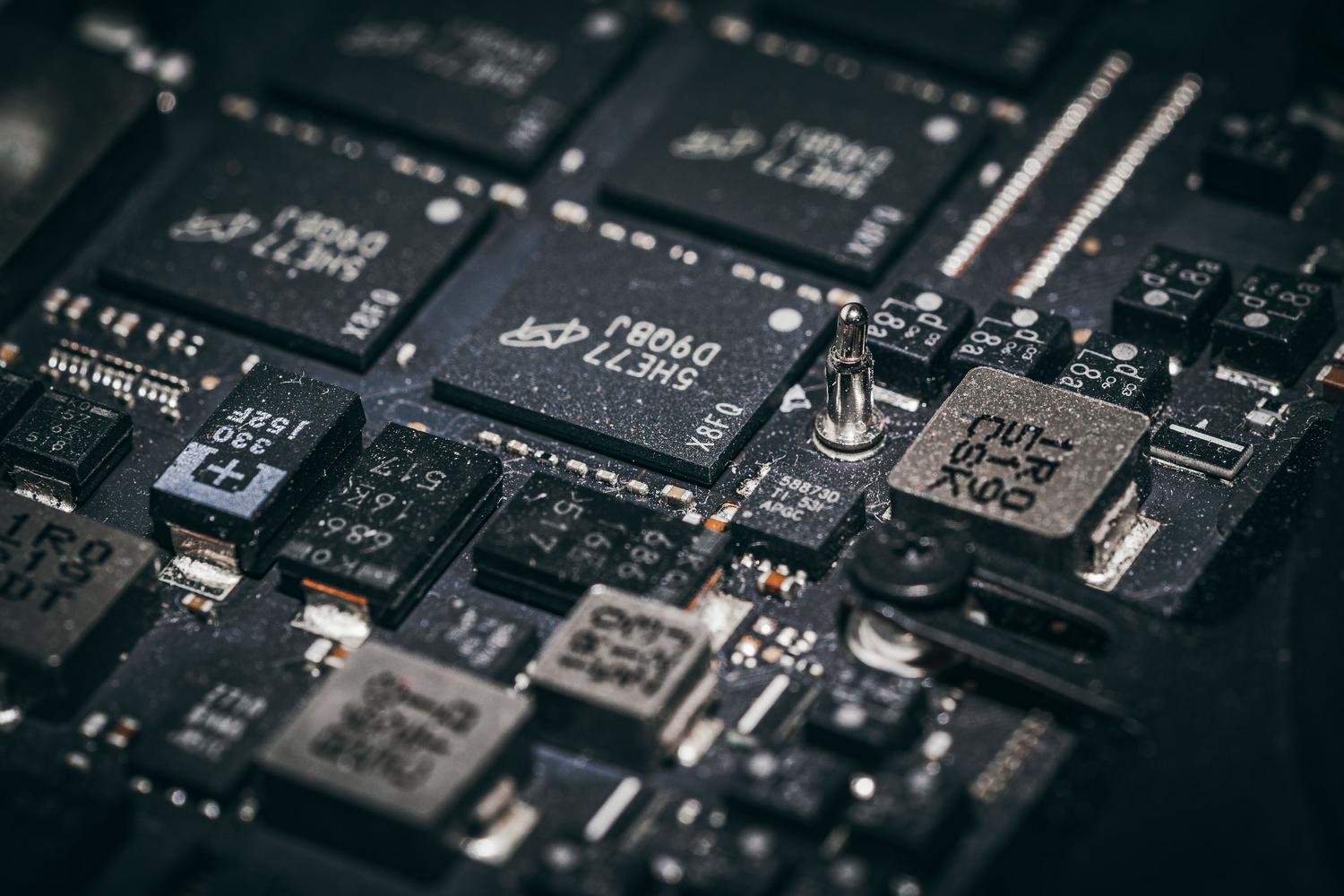
From a technical standpoint, this controller is a true marvel of electronic engineering. It offers a resolution of 4096 steps per channel, which translates to an accuracy of approximately 4 microseconds when operating at 60 Hz, allowing for very precise control of the rotation angles.
- Communication interface: I2C, which greatly simplifies the wiring.
- Expandability: It is possible to chain up to 62 modules, reaching a total of 992 PWM outputs optical boutiques
- Working frequency: Adjustable from 24 Hz to 1526 Hz, adapting to both analog and digital servos.
- Feeding: It has a separate terminal block for the servos (V+), supporting up to 6V, and separate pins for the 3.3V or 5V logic.
- Protections: It includes reverse polarity protection on the power input and 330 Ω resistors on the output lines.
Practical applications and versatility
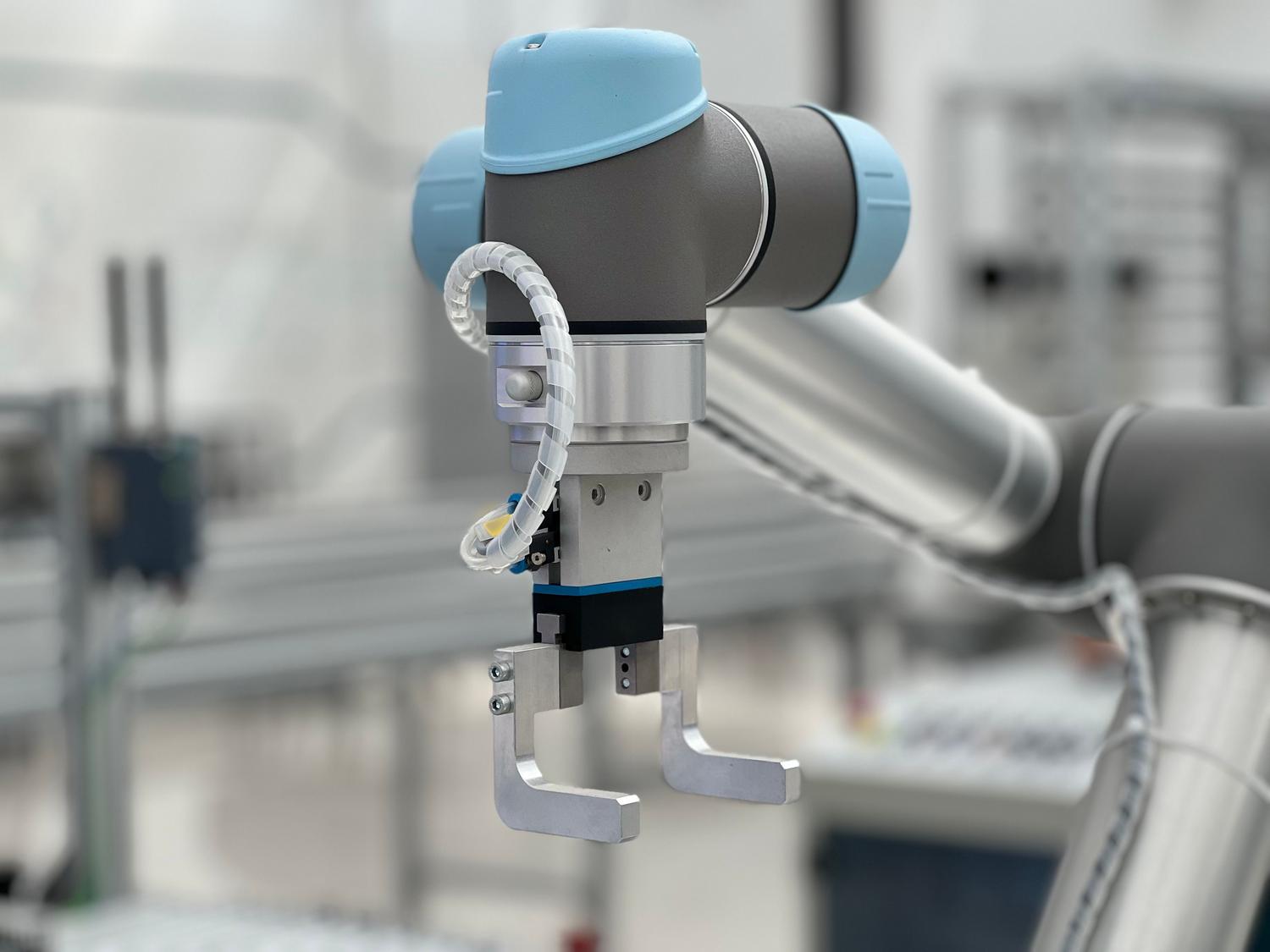
Although its name says "Servo Driver," this module is much more versatile than it first appears. Besides servomotors, it's perfect for managing RGB LED strips where you want to vary the color intensity, or even for controlling relays and small actuators that require a precise PWM signal.
In the world of robotics, it's the key component for building bipedal or quadrupedal robots , where coordinating multiple joints simultaneously is essential. It's also widely used in animatronics projects and home 3D printing systems, where signal stability is critical to prevent unwanted vibrations in the axes.
System installation and configuration
Setting it up is quite intuitive. The module has solder jumpers (A0-A5) that allow you to change the device's I2C address. This enables you to connect multiple boards to the same bus without address conflicts, assigning each one a unique identity.
Regarding the hardware, the output connectors are arranged in groups of three pins, specifically designed to ensure the servos connect correctly on the first try without risk of reverse polarity. Additionally, there is an enable pin (OE) that allows all outputs to be disabled at once in case of emergency or to conserve power.
This controller has established itself as the most reliable solution for those seeking precision and scalability. By combining high 12-bit resolution with the ease of use of the I2C bus and independent power for the motors, it ensures a stable electrical system and smooth motion control, regardless of whether you're using an Arduino, Raspberry Pi, or more powerful microcontroller environment.
Table of Contents