
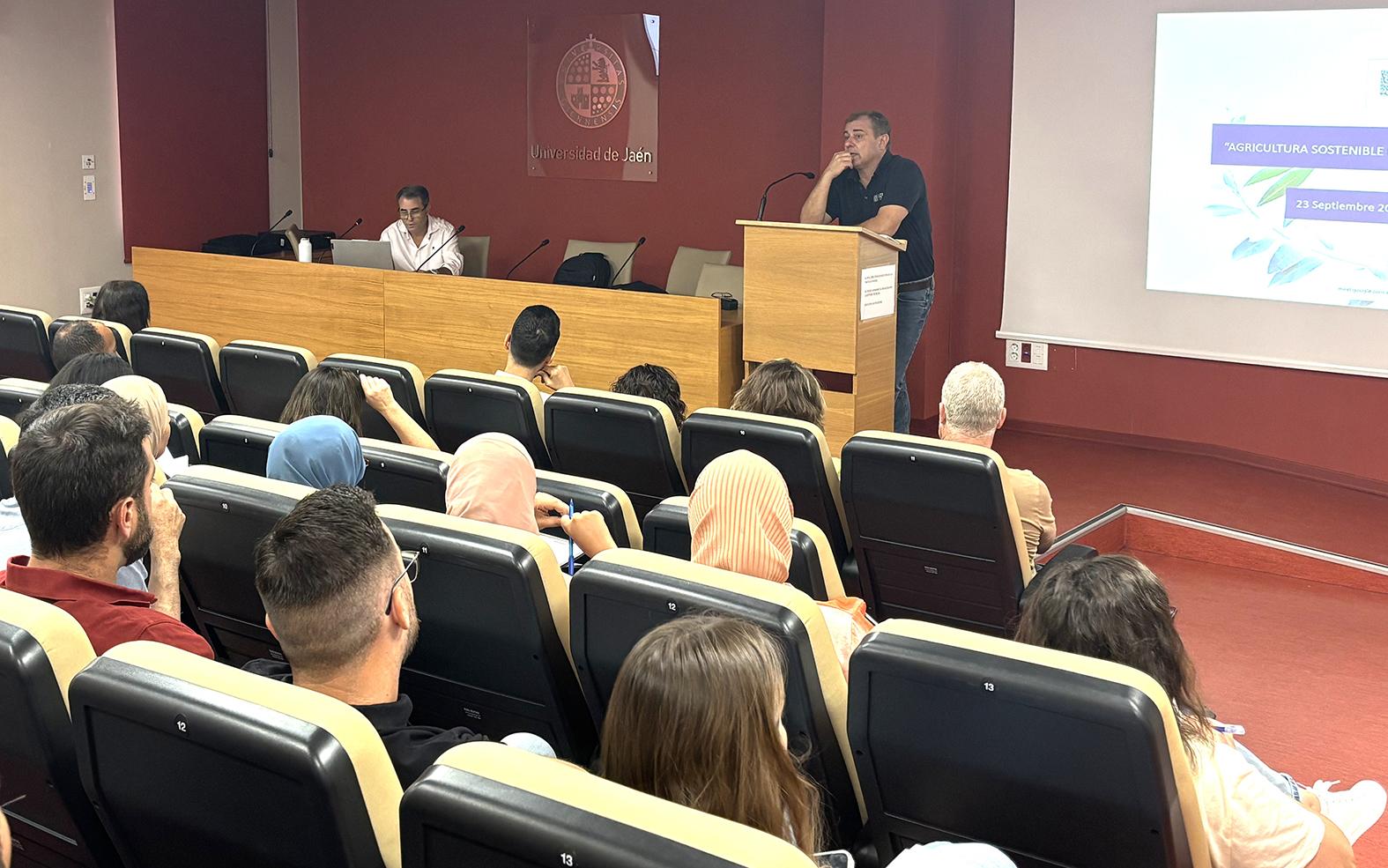
Water and nutrients are two of the factors that most influence the yield and sustainability of olive groves. In this context, sensor technology applied to precision irrigation has gone from being a promise to a concrete working tool. A seminar organized by the University Institute for Research in Olive Groves and Olive Oils (INUO) at the University of Jaén (UJA) brought together experts to analyze how to measure soil conditions and the crop's needs before deciding when and how much to irrigate.
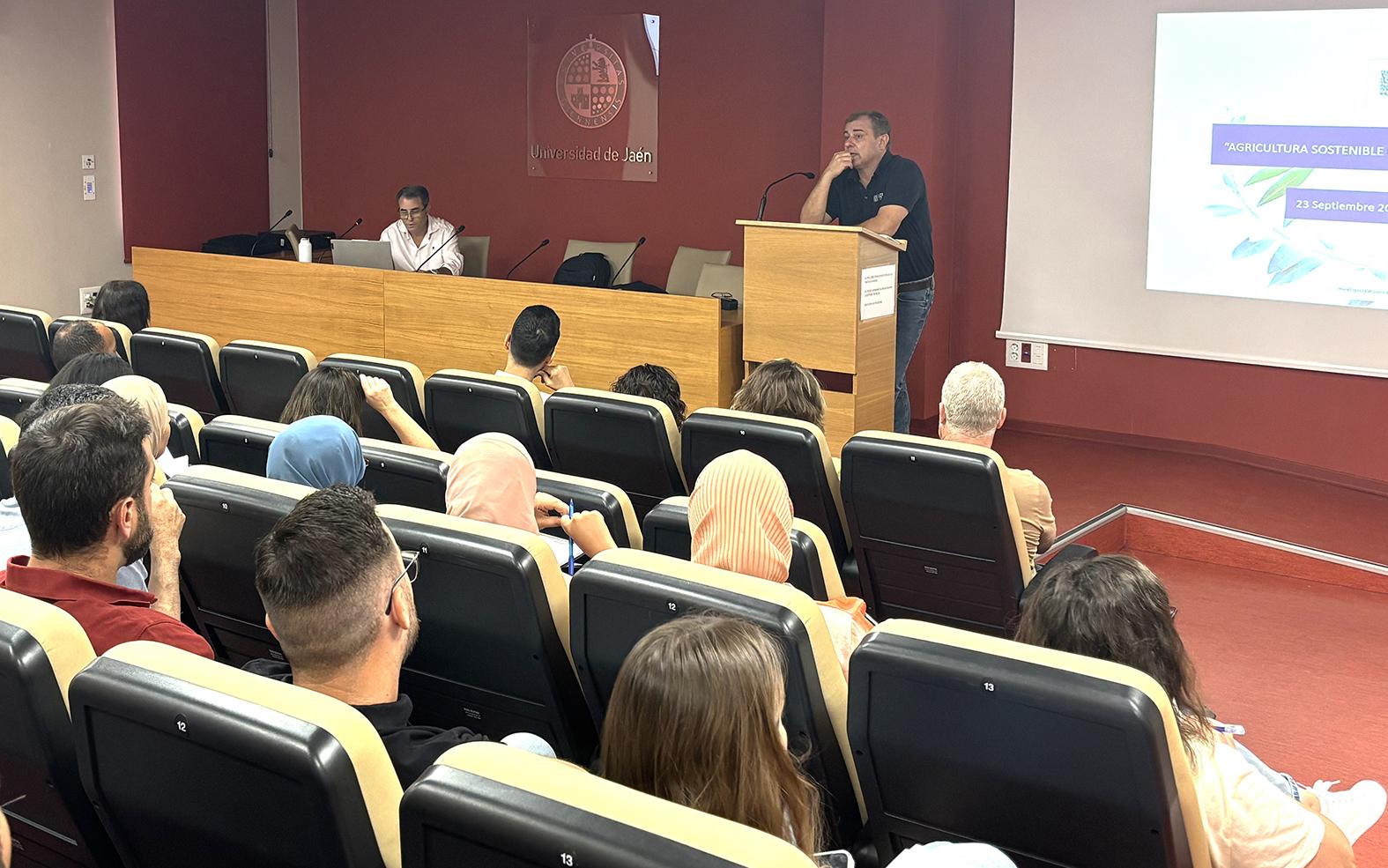
The workshop, titled 'Sustainable Precision Agriculture in Olive Groves: Fertigation,' was held as part of the Oliveoilmednet project. It was led by Antonio Díaz Aguilar of Agroconsulting and took place at the Old Teacher Training College. The workshop focused on new tools available to make olive farms more efficient and sustainable.
Sensors to read the soil and the needs of the crop
One of the main uses of sensors in olive groves is to collect precise data on soil conditions and the tree's needs. Monitoring systems allow for the control of various parameters and generate information that helps in making decisions tailored to the actual situation in each plot. In other words, it's not about irrigating according to a schedule or intuition , but rather relying on the data provided by the devices installed on the farm.
This approach represents a shift from management based solely on general estimates. With data obtained directly from the farm, it's possible to better understand the crop's condition and tailor specific actions to its needs. Precision agriculture in olive groves relies precisely on this ability to collect and use localized information , allowing crop management decisions to be adapted to the specific characteristics of each farm.
More efficient irrigation: when and how much water
Water management is one area where this technology can have a particularly relevant application. Sensor and monitoring systems allow for more efficient olive grove irrigation, adjusting both the timing and amount of water applied according to the crop's water needs. The goal is to avoid ineffective irrigation and make better use of available water.
To achieve this, having information on soil conditions and crop status allows for more precise irrigation decisions than those based solely on general criteria. This data-driven management can help make better use of water and promote more sustainable management of olive groves. Indeed, the availability of this resource significantly influences management strategies for a crop like olives.
The event also served as a reminder that water conservation depends not only on installing sensors, but also on correctly interpreting their readings. This information must translate into concrete decisions on the ground, because accumulating data is useless if it isn't then used to schedule irrigation effectively . This combination of measurement and action is what allows us to speak of true precision agriculture.
From sensor to smart irrigation
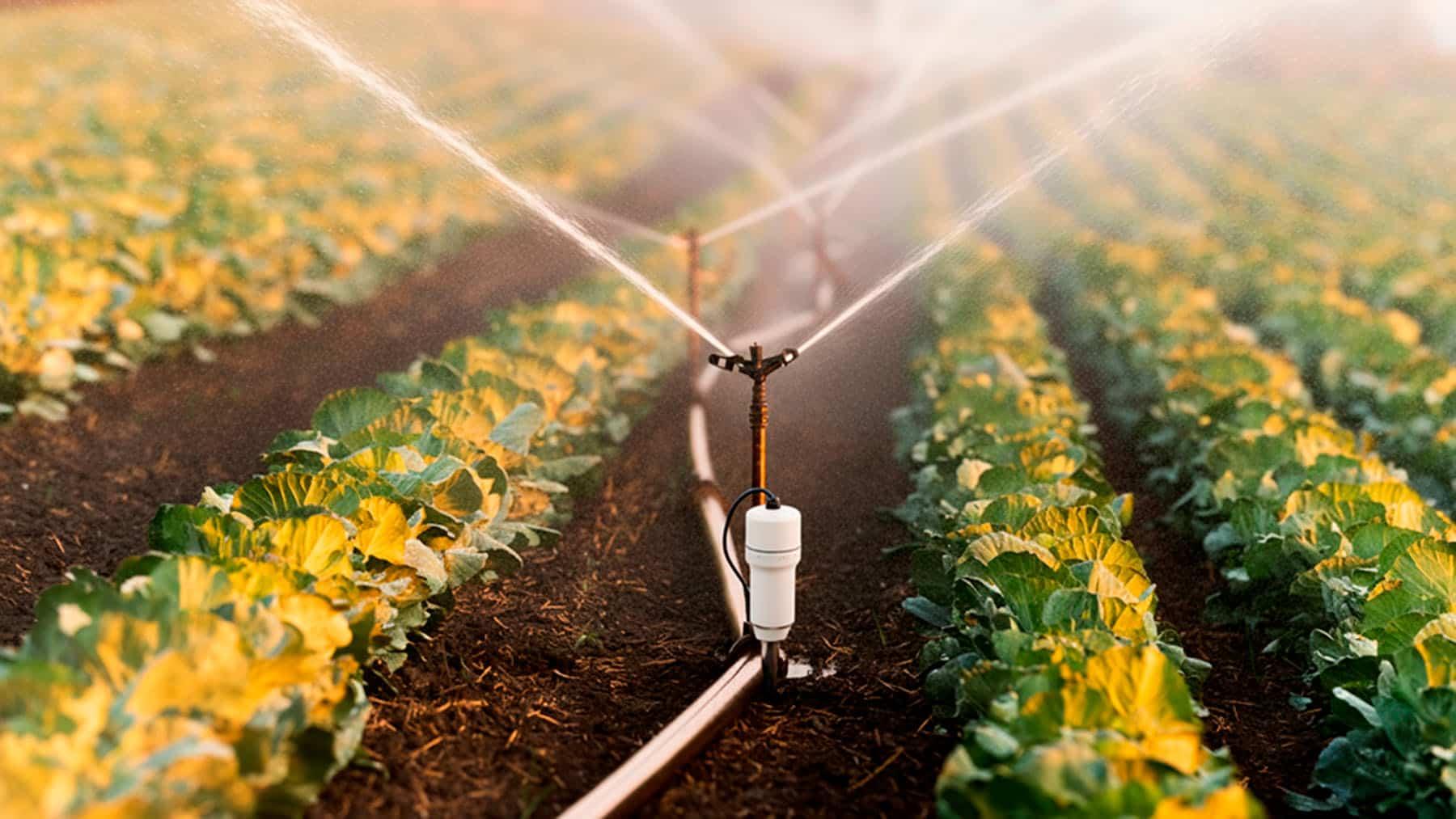
The usefulness of sensors lies not only in collecting information. Their value also lies in converting that data into management decisions. When the information obtained through monitoring systems is integrated with the irrigation system, the farmer can develop more precise strategies to determine when to turn on the irrigation and with what dose . In this way, the technology allows progress towards smart irrigation models for olive groves, in which the actual needs of the crop have a greater impact on planning.
During the seminar organized by INUO, the potential of integrating the various available technological tools was highlighted, so that olive grove management is increasingly supported by data obtained directly from the farm. Instead of applying uniform solutions, the proposal involves adapting decisions to each plot and each moment , using information as a basis for acting with greater precision.
Fertigation: water and nutrients in the same strategy
Sensor technology can also be integrated with olive grove fertigation, a technique that allows nutrients to be applied through the irrigation system. The seminar addressed the possibilities of combining information provided by monitoring systems with irrigation to develop more precise fertilization strategies. The goal is to adjust nutrients to the crop's needs and get more out of fertilizers.
This combination of sensors, irrigation systems, and nutrient application allows for a more integrated approach to resource management. Instead of considering water and fertilization separately, precision agriculture proposes using available data to coordinate management decisions . This avoids both excess and deficiency, two problems that can negatively impact yield and the environment.
Data-driven olive grove management
The integration of sensors is part of a broader transformation in how farms are managed. Precision agriculture in olive groves aims to ensure that decisions are increasingly based on information obtained directly from the crop and the soil. This strategy allows for the collection of data on the specific conditions of each farm and its use in optimizing resources and reducing consumption.
The desired outcome is greater productive efficiency coupled with more sustainable management. The seminar, held at the Old Teacher Training College, thus focused on one of the main ways to incorporate technology into the olive sector: using sensors and monitoring systems to understand the crop's needs and respond accordingly.
The meeting took place within the framework of the Oliveoilmednet project, with the participation of the University Institute for Olive Grove and Olive Oil Research at the University of Jaén. This initiative, whose full name is Mediterranean Network for the Promotion of Sustainability & Authenticity in the Olive Oil Sector – Olive Oil MedNet, aims to promote sustainability and authenticity in the olive oil sector through collaboration, training, and knowledge exchange among Mediterranean countries.
The event served to demonstrate how digitalization can be integrated into olive grove irrigation and fertilization. It also made clear that technology does not replace farmers, but rather provides them with more tools for decision-making. In a context of climate change and limited resources, having reliable data on soil and crops becomes both an economic and environmental advantage.
What emerges from this conference is that the future of olive groves lies in combining agronomic knowledge with digital tools. Precision irrigation sensors allow for precise adjustments to water and nutrient application, preventing waste and moving towards more efficient farming. The key is using this information to make better decisions , integrating irrigation, fertilization, and monitoring into a single sustainable management strategy.