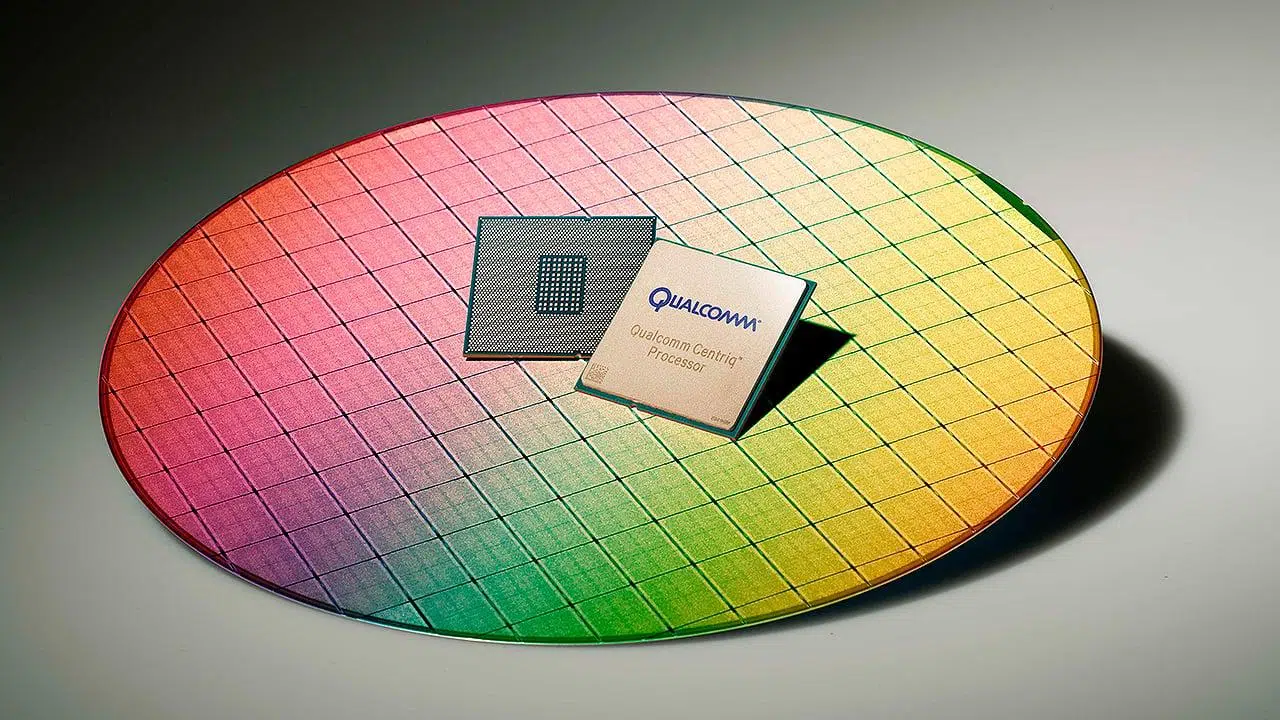
Qualcomm has decided to migrate its reference platforms to the latest generation of Arm's architecture, a move aimed at improving the execution of AI workloads such as chatbots and image generators, according to people familiar with the decision. The move strengthens its position against direct competitors and could boost Arm's revenue through fees associated with its most advanced technologies.
The move clears up doubts about the continuation of the collaboration between the two companies after their legal clash last year, and comes accompanied by signals on the trading floor: after the news broke, Arm's shares rose around 5% during the ordinary session, reflecting the market's interest in the adoption of the latest technology.
What changes with the new architecture
According to sources, Qualcomm's new PC and mobile processors will use the ninth version (v9) of the Arm architecture. In practice, this architecture defines the instruction set supported by the CPU and provides improvements designed to accelerate generative AI tasks and other intensive processes, with a focus on efficiency and performance.

Unlike previous generations —in which Qualcomm maintained earlier technologies—, the migration to v9 represents a qualitative leap intended to more easily handle tasks such as conversational assistants and image creation, areas that have become key levers of use in personal devices.
Impact on the market and competition
Qualcomm's shift comes at a time when MediaTek has already confirmed its use of Arm v9 and most analysts assume Apple is also using it in its designs. In this context, Qualcomm's technological update aims to strengthen its ability to compete in the high-end mobile and PC markets , where AI capabilities are beginning to make a tangible difference.
For Arm, the potential benefit is clear: its revenue model grows with the adoption of the latest versions. However, quantifying the impact is not straightforward because Qualcomm licenses the architecture but designs a large part of the chip internally instead of acquiring pre-designed components, which dilutes the direct transfer of value.
Position of the companies
When asked about the specific technology used, Qualcomm declined to provide details and emphasized that it selects instructions that add value for its customers, relying on its own CPU design team to decide what to include. Arm, for its part, declined to comment on the change.
Legal background and licenses
The decision comes after a legal dispute between the two companies that is still not entirely resolved. Less than a year ago, Arm threatened to revoke a key license from Qualcomm, a stance it later softened. The conflict also involved Qualcomm's acquisition of Nuvia.
On that front, a US court ruled in favor of Qualcomm on key aspects of the case, although Arm has indicated its intention to appeal. This contentious framework adds context to the scope of the announcement and helps to understand why technological continuity between the two parties was no small matter.
Why not other technological routes?
What to expect next
With the transition to v9, Qualcomm aims to provide its platforms with a better balance between efficiency and AI performance, an increasingly crucial attribute for laptops and smartphones. The adoption of this architecture by several industry leaders suggests that application support and the ecosystem will continue to expand in future releases.
Qualcomm's commitment to Arm's latest architecture sends a clear signal: it prioritizes compatibility with existing software and AI performance gains while maintaining autonomy in its CPU design. This move, with both technical and commercial implications, reshapes the competitive landscape with MediaTek and Apple, points to increased revenue for Arm, and unfolds against the backdrop of a legal battle that could still have further developments.

Table of Contents