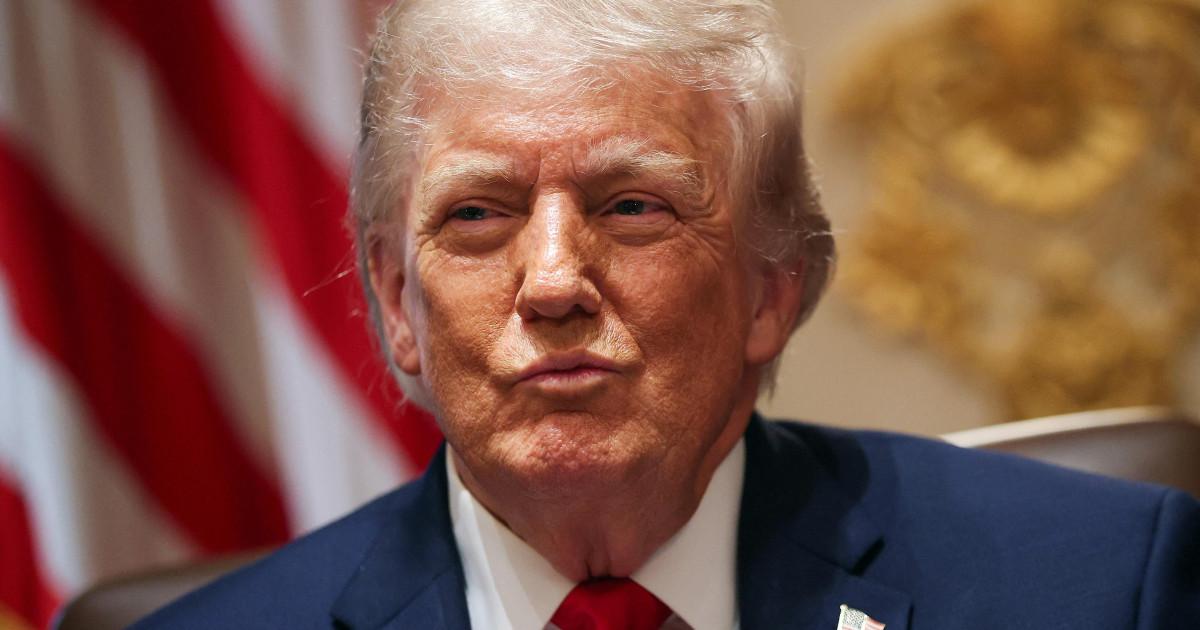
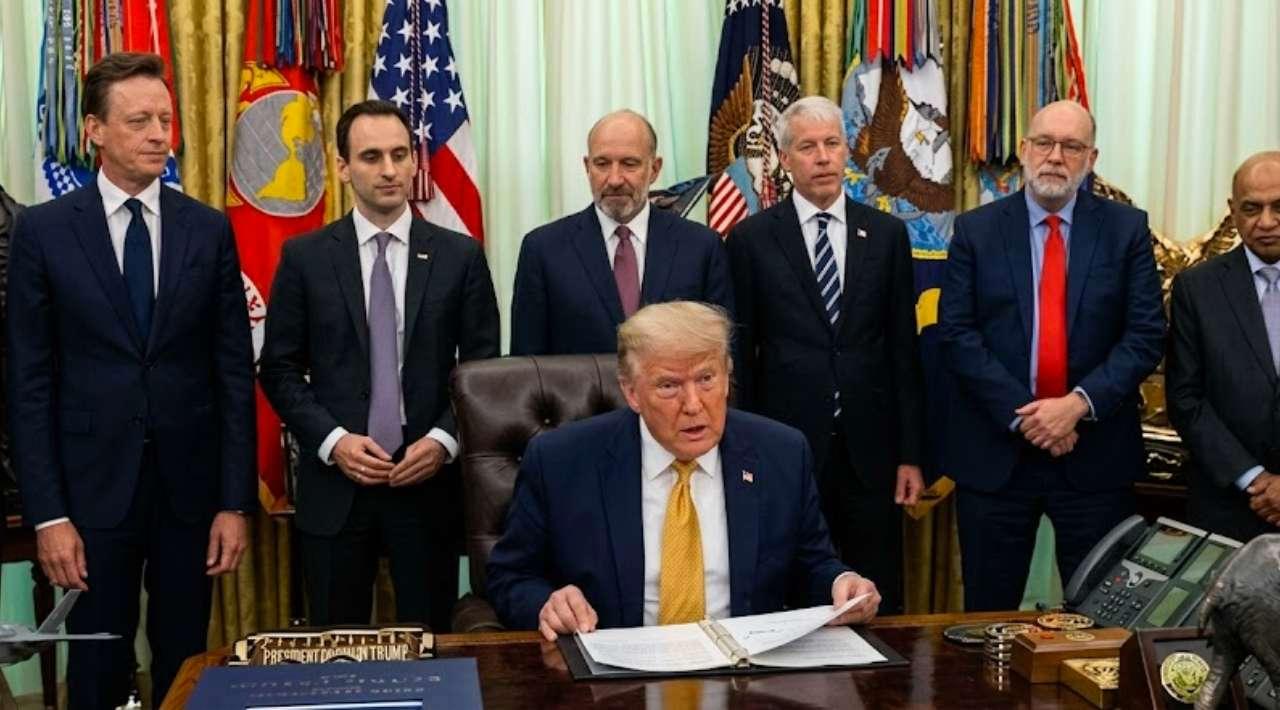
Washington has gotten serious about the most important technological race of the coming decades. Recently, the US government took decisive action to avoid falling behind, signing two new presidential directives aimed at catapulting the country's capabilities in the field of qubits and, at the same time, building a bulwark against unprecedented cyberattacks. The objective is clear: to lead the commercial market and ensure that no foreign power gains the upper hand in a field that will define the global economy.
These measures not only focus on the interior of the United States, but also send a clear message to the rest of the world, especially to competitors like China. With an approach that blends high-level scientific research with a rather aggressive national defense strategy, the plan aims to have federal agencies abandon traditional encryption systems in favor of much more robust ones. This move is vital to protect data that is secure today, but which tomorrow could be easy prey for a machine with massive quantum processing capabilities.

The QC-ADDS program and the utility computer search
One of the cornerstones of this deployment is the creation of the QC-ADDS program, an initiative designed to enable the Department of Energy, in collaboration with tech giants and universities, to bring at least one quantum computer up and running at a utility scale . Unlike current prototypes, which are more experimental than anything else, this system must be ready to solve real and complex scientific problems before the end of 2028. They're not messing around, as the deadline for defining the technical specifications is a mere three months.
The US government has recognized that it cannot do this alone and has therefore opened the door wide to the private sector. The Department of Defense is expected to identify key quantum sensor projects for deployment in less than four years, which will radically improve navigation and detection in critical environments . This collaboration aims to ensure that these advancements do not remain confined to university laboratories, but rather reach the market and the battlefield as quickly as possible, guaranteeing a national supply chain free from external interference.
For this entire ecosystem to function, an order has been given to strengthen technological counterintelligence. Teams tasked with ensuring that industrial secrets do not leave the country will be expanded, with coordinated efforts between the FBI and the Department of Homeland Security. The goal is to protect R&D investment against intellectual property theft, a problem that has plagued authorities in recent times and which they now intend to tackle at its root with much stricter surveillance protocols.
The threat of Q-Day and crypto migration
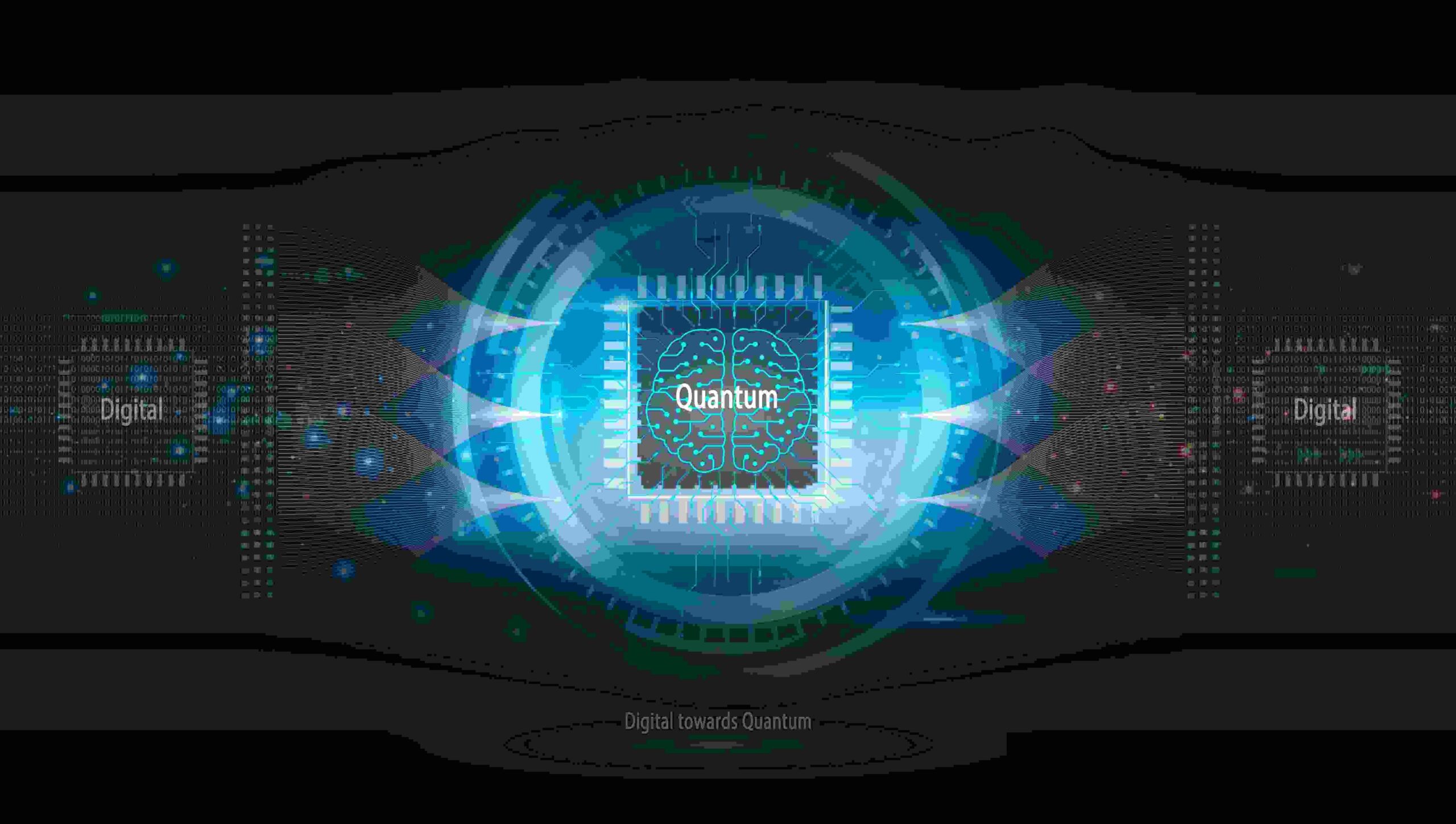
The other major battlefront is preventative cybersecurity. In the tech sector, there's frequent talk of "Q-Day," that hypothetical moment when a quantum computer will be able to break the encryption protecting everything from bank accounts to state secrets. To avert disaster, the new regulations mandate a massive migration to post-quantum cryptography . This process will not be optional and has firm deadlines: high-impact systems must be protected by 2030, and all digital signatures must be tamper-proof by the end of 2031.
This paradigm shift follows the standards set by NIST, the agency responsible for validating which algorithms are truly secure against quantum computing. The agencies have barely a month to appoint those responsible for this transition, demonstrating a certain urgency in Washington to upgrade critical infrastructure . It's not just about protecting the future, but also about preventing the "steal now, decrypt later" phenomenon, where attackers store encrypted data today hoping to have the technology to decrypt it in a few years.
The regulations also focus on public procurement. From now on, any supplier wishing to work with the US government must demonstrate that its services are compatible with these new digital security standards . This move aims to pull the entire industry toward a more advanced security model, creating a domino effect that will force software and hardware companies to step up their game if they don't want to be left out of government contracts.
Consequences for the technological ecosystem in Spain
Although these directives originate in the White House, their repercussions will be felt strongly in Europe and, by extension, in Spain. The pressure from the United States for its allies to adopt similar standards is evident, which will force Brussels to accelerate its own European Quantum Strategy. In Spain, strategic sectors such as finance and defense will have to closely monitor these developments, as the interconnectedness of global markets makes it impossible to fall behind in terms of encryption protocols and data security.
Spanish companies with significant international reach, especially those in cybersecurity and telecommunications, face a double-edged sword. On the one hand, the demand for higher standards presents a major technical and financial challenge for updating their systems. On the other hand, the American commitment to collaborating with reliable partners opens a window of opportunity for strategic alliances in quantum network projects to bolster security , where Spanish talent has always played a prominent role.
The Spanish banking sector, a leader in digital transformation, will be one of those that must invest the most in this transition. The protection of customer data and the integrity of financial transactions are pillars that cannot be compromised by the arrival of the new digital age. Therefore, the adoption of algorithms resistant to quantum computing will move from being a technical recommendation to a necessity for business survival in a future that, as we have seen, is much closer than many thought just a couple of years ago.
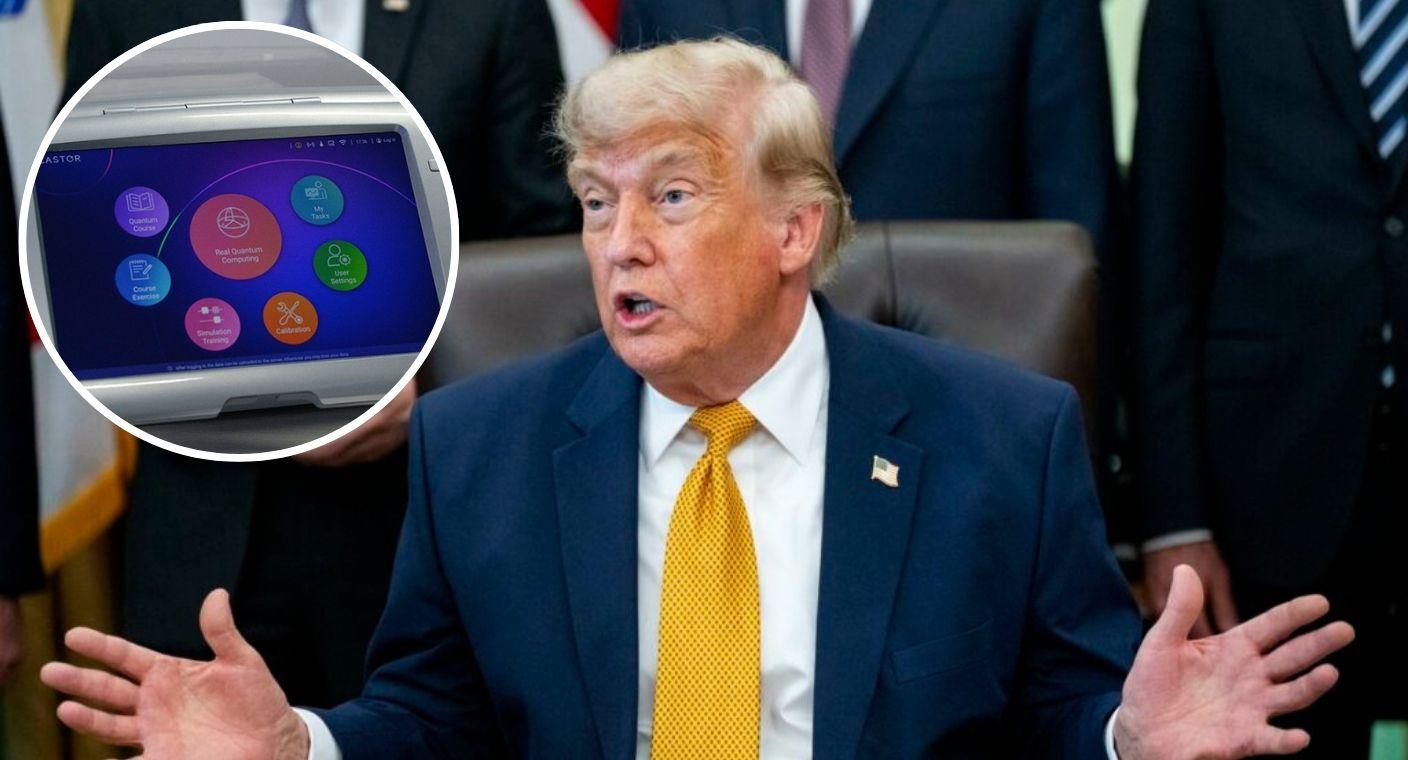
The determination shown by the US administration makes it clear that mastering quantum technology is the new equivalent of the space race of the last century. By setting such strict deadlines for hardware development and the migration of security systems, Washington seeks not only to protect its assets but also to dictate the rules of the game internationally. For European countries, this move serves as a reminder that technological autonomy and updating cybersecurity standards are not tasks that can be postponed, forcing institutions and companies to coordinate in order not to miss the boat on a revolution that promises to change everything from medicine to online privacy protection.

Table of Contents