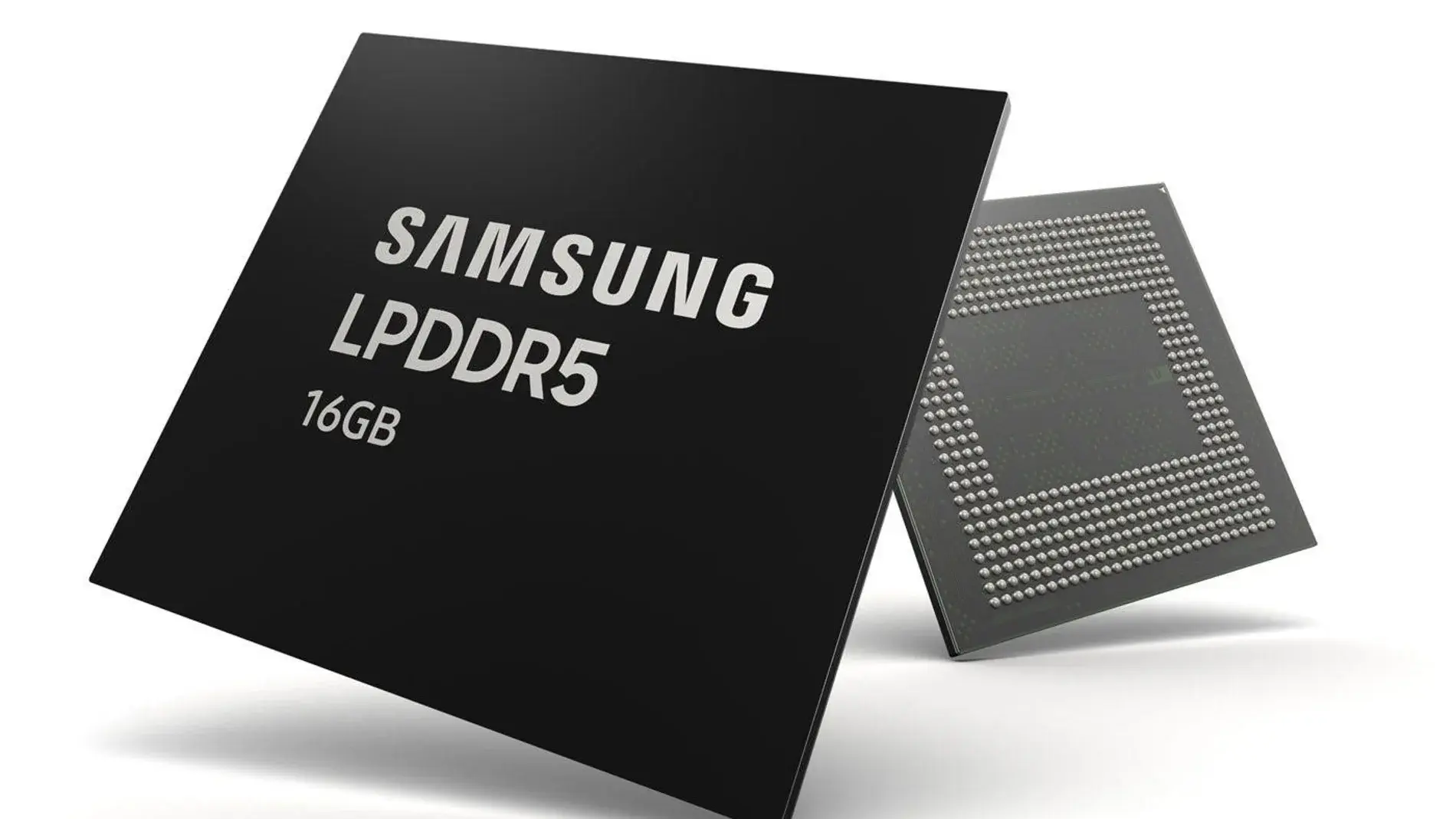
RAM has become a scarce and expensive commodity due to the unstoppable rise of artificial intelligence. The three major manufacturers—Samsung, SK Hynix, and Micron—have focused their production on high-performance chips for data centers, neglecting the consumer market. As a result, DRAM and NAND Flash prices have skyrocketed, and all indications are that this trend will continue for the next few years.
This situation is already having direct consequences on consumers' wallets. Buying a mobile phone, laptop, or game console in 2026 is significantly more expensive than it was just a year ago, and analysts predict that prices will continue to rise. The main reason is that the demand for memory for AI servers far exceeds production capacity, and manufacturers have no incentive to change course while profit margins in the enterprise sector remain so lucrative.
Price increases across the board

According to reports from ZDNet Korea, Samsung is negotiating a 20% price increase for its average DRAM by the third quarter of 2026. This increase follows those already seen in previous quarters, with rises of 90% in the first quarter and between 50% and 60% in the second. Meanwhile, ADATA has warned that prices for NAND Flash memory, used in SSDs , could increase between 35% and 40% during the same period.
SK Hynix Chairman Chey Tae-won told Reuters that 2027 will be the worst year of the supply crisis and that shortages could last until 2030. The Korean company, which recently debuted on the Nasdaq, has signed long-term contracts with customers to maintain high prices, a practice also adopted by Micron with 16 supply agreements guaranteeing high margins.

Apple is looking for alternatives in China
Faced with memory shortages from its usual suppliers, Apple has begun testing chips from Chinese manufacturer CXMT for its iPhones destined for the Chinese market, according to the Financial Times. CXMT is the world's fourth-largest DRAM producer and has seen its market share grow to 11%, capitalizing on the gap left by Samsung, SK Hynix, and Micron, which are focused on AI.
However, Bank of America believes Apple's approach to CXMT is simply a tactical move to gain leverage with its usual suppliers. The Cupertino company is also lobbying Washington to remove CXMT from the list of Chinese military-grade companies, which would allow for wider use of its chips. If successful, this could ease global price pressures slightly, as Apple would free up capacity from the Korean manufacturers for the rest of the world.
The impact on consumers
The crisis isn't just affecting smartphones. Laptops and consoles are also seeing their prices skyrocket . Bloomberg reports that the Nintendo Switch 2 could be delayed or become more expensive, and Sony's next PlayStation might not arrive until 2029. Laptop manufacturers like Lenovo, HP, Dell, Samsung, and LG are rethinking their 2026 development plans in the face of rising costs, which could translate into price increases of between 10% and 30%.
Even Apple, which traditionally dictated terms to suppliers, has had to raise prices on its iPads and Macs by 20% and is considering doing the same with the upcoming iPhone 18 Pro. Tim Cook has acknowledged that the shortage is impacting the company's gross margins and that they will explore various options to address it.

For the average user, the experts' recommendation is clear: if you need to buy a device with RAM, do it as soon as possible , because prices aren't going to drop anytime soon. New chip factories won't be operational until at least 2028, and as long as artificial intelligence continues to demand enormous amounts of memory, the situation will only worsen.

Table of Contents