Robotics has ceased to be a promise of the future and has become a tangible reality in Spain. From factories to classrooms, and even in the care of the elderly, robots and artificial intelligence are beginning to be part of everyday life. Several recent initiatives demonstrate that the country is committed to this technology to improve productivity, education, and quality of life, with a clear social focus.
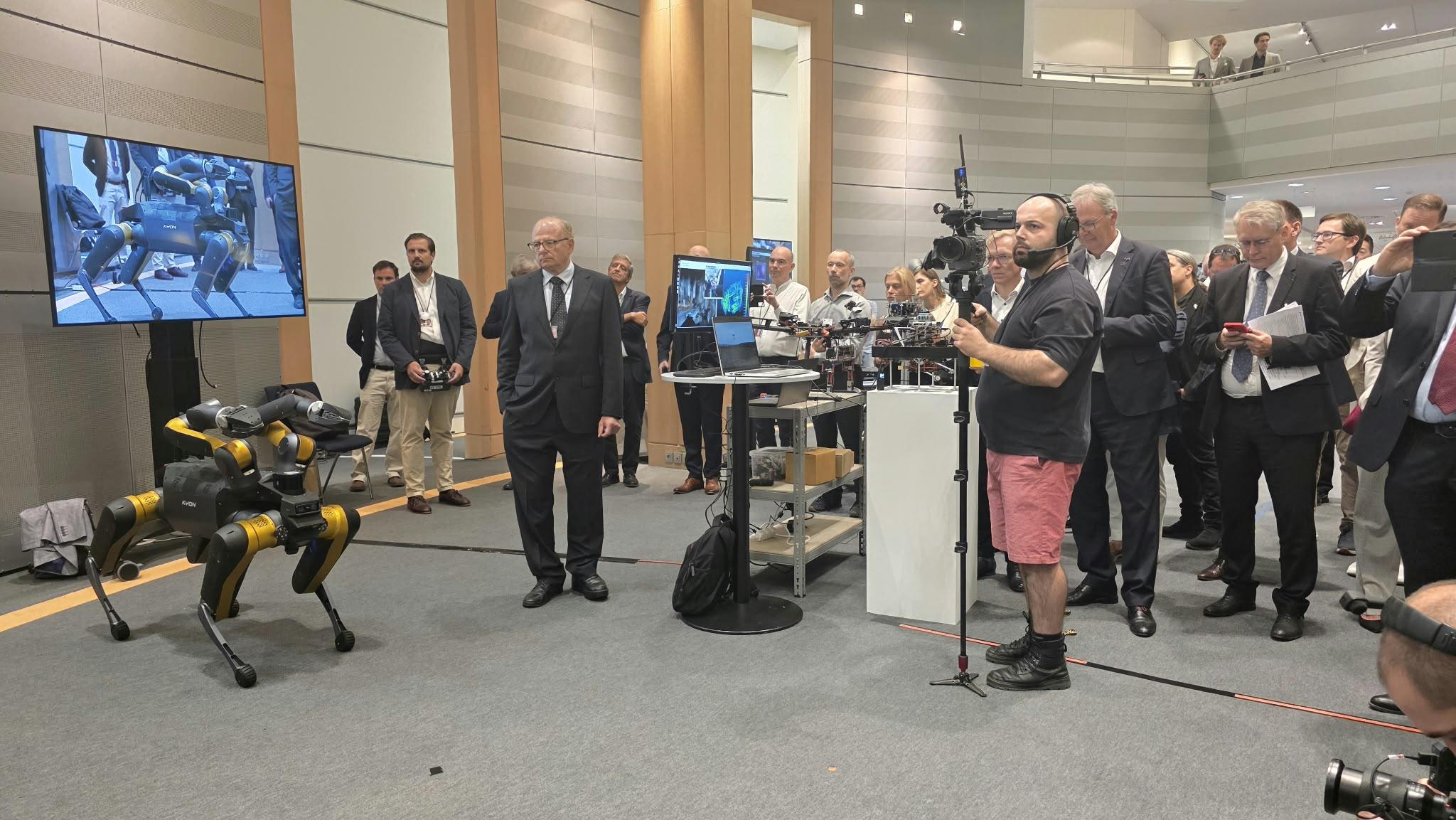
A demonstration of advanced robots developed in Europe was held at the European Parliament, while in Madrid, Navarre, and Galicia, specific projects bringing robotics to real-world environments were presented. Collaboration between government agencies, businesses, and research centers is key to this initiative, which aims to leave no one behind and position Spain at the forefront of European technology.
Industrial robotics and the training of professionals
Spanish industry is undergoing a profound transformation thanks to collaborative robotics and autonomous systems. The European network euROBIN, funded by Horizon Europe, has brought together 32 partners from 14 countries to create a common infrastructure for developing, validating, and deploying AI-based robots. TECNALIA, a Basque technology center, is participating in this initiative and has contributed to the development of new industrial capabilities and mobile robotics in areas such as advanced manufacturing and applied artificial intelligence.
This industrial revolution is also generating a strong demand for qualified professionals. The CIFP Ferrolterra vocational training center in Galicia has already identified the profiles that will be most in demand in the coming years, especially in Industrial Mechatronics and Industrial Automation and Robotics. Its director, Enrique Pazo, warns that the arrival of the SAIC plant in Ferrol will coincide with the needs of Navantia and the offshore wind sector, which could lead to direct competition for the same workers. "The demand is going to be so voracious that we fear there will be a labor shortage before the factory is even operating at full capacity," he says.
Vocational training is adapting to these needs, with programs that cover everything from assembly and logistics to more complex processes like stamping and painting. The key is anticipating the implementation phases of industrial projects so that students acquire the skills precisely when companies need them.
Robotics for education and inclusion
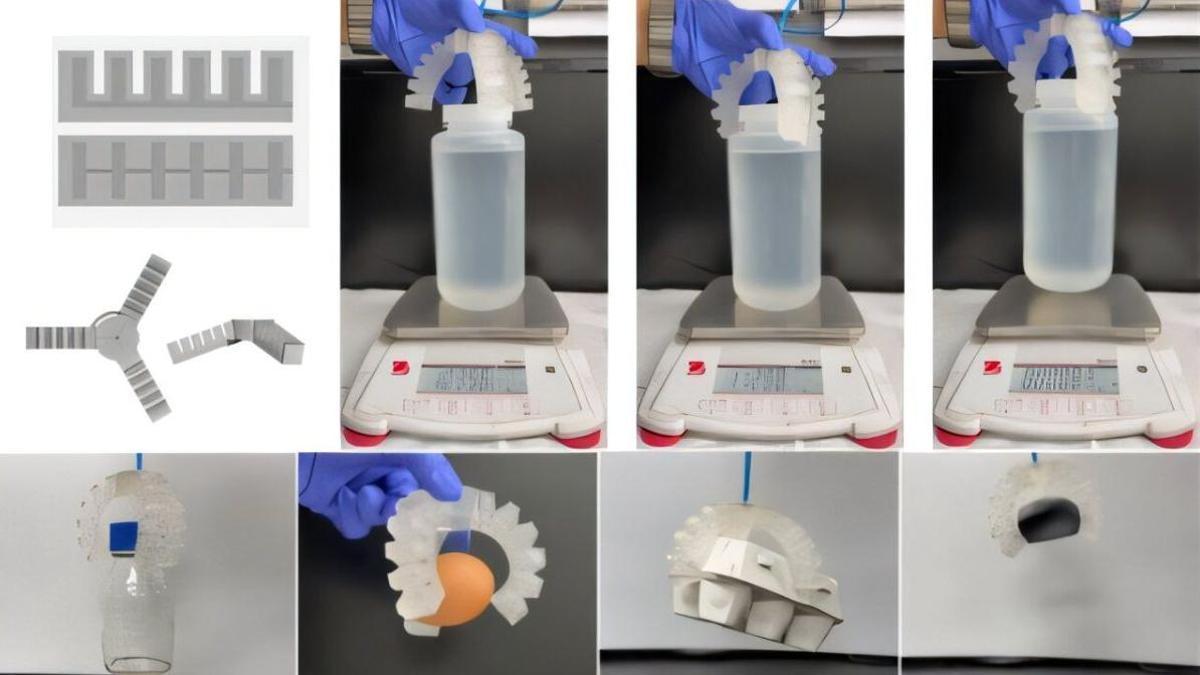
Robotics is also arriving in Spanish classrooms with a clear objective: to support the students who need it most. The CEIP Profesor Tierno Galván school in Alcobendas is one of ten public schools in Madrid that will join the robotics and AI program for special education promoted by the Community of Madrid. This project uses humanoid robots equipped with 3D cameras and sensors to interpret interactions with students, especially those with autism spectrum disorder, developmental delays, or motor limitations.
Artificial intelligence helps select activities from a catalog and adapt them to each child's pace, but always under the supervision of teachers and therapists. The pilot program at the Gaudem School in Madrid has already shown improvements in the motivation and participation of the 30 children who took part, as well as a calmer and more collaborative learning environment.
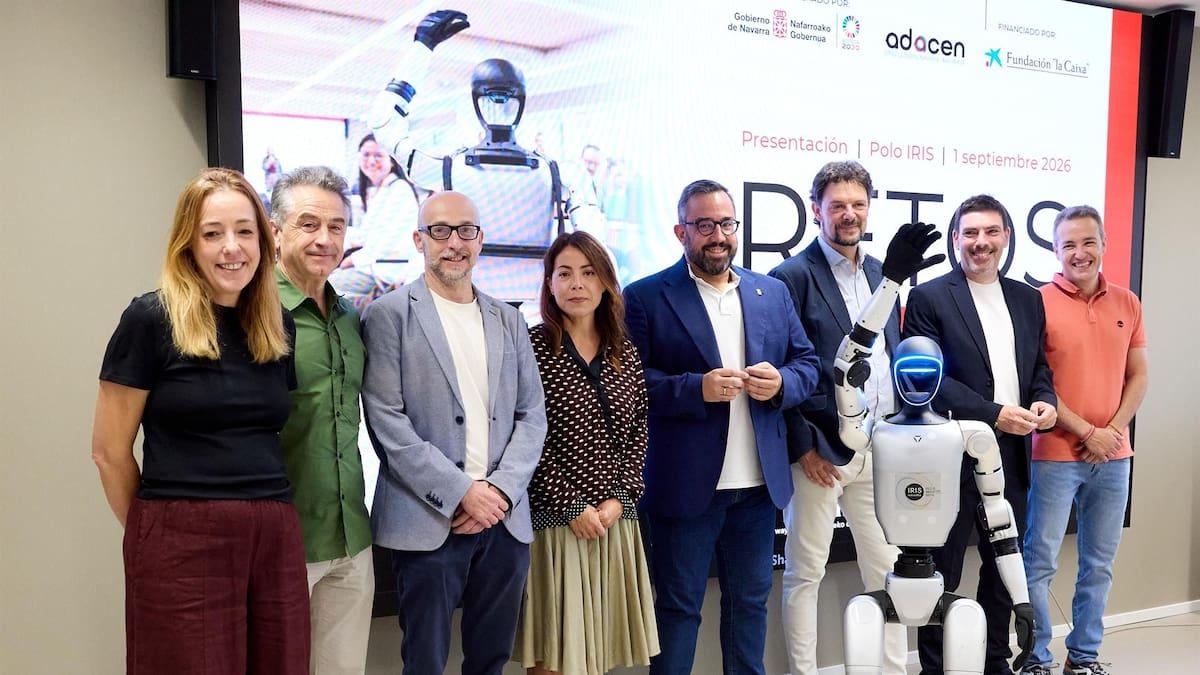
In Navarre, the regional government and ADACEN have launched 'Robotics Challenges,' a social innovation project that aims to identify the real needs of older adults with disabilities. The initiative, funded by the La Caixa Foundation, is a collaborative effort with the NAIR Center and the VidAAs Center to explore how robotics can improve the autonomy and quality of life of this group. The project will unfold in several phases, from a Discovery Sprint to identify challenges to a Development and Prototyping Hackathon, with the goal of creating tangible and tested solutions.

A European commitment to innovation

Europe is determined to lead the way in robotics and artificial intelligence globally, and Spain plays a key role in this strategy. The euROBIN network is one of the continent's most ambitious initiatives , aiming to accelerate technology transfer and bring innovations to market faster. The event held at the European Parliament brought together representatives from the European Commission and industrial companies to discuss how to expedite the adoption of these technologies.
TECNALIA's participation strengthens the position of Basque technology in strategic areas such as advanced automation and collaborative robotics. These technologies are key to the industry of the future , but also to addressing social challenges such as population aging and the shortage of skilled labor. Robotics not only improves productivity, but can also contribute to social well-being and the improvement of working conditions.
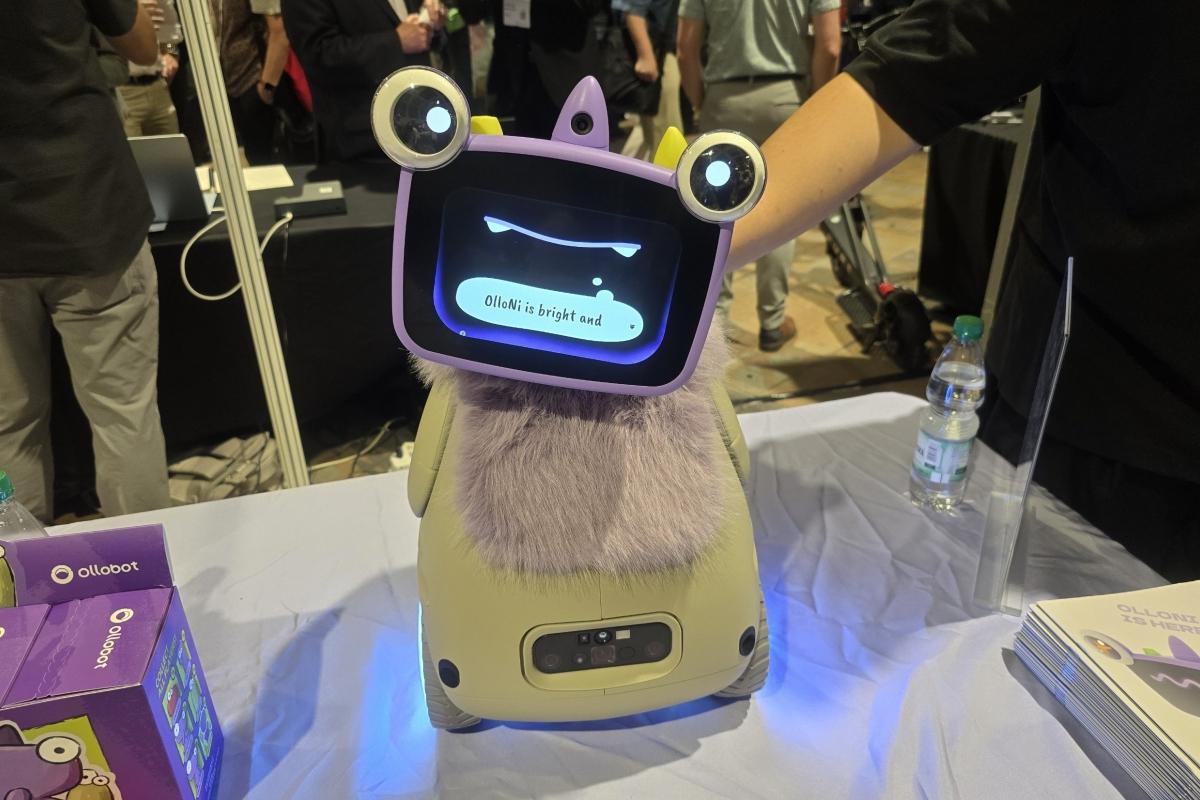
Projects like 'Robotics Challenges' in Navarre or ROBIC in Madrid demonstrate that technology can and should be at the service of people. Innovation works best when it starts with a challenge, not a technology , as the Vice President of the Government of Navarre, Javier Remírez, has pointed out. Instead of adapting people to technology, the goal is to get technology to adapt to people—a paradigm shift that is gaining ground throughout the country.
Robotics in Spain is advancing on multiple fronts, from large industry to the classroom and the home. Public-private collaboration, along with agile, market-oriented vocational training , is laying the groundwork for the country not only to consume technology but also to develop and export it. Although challenges remain, such as the need for increased investment in R&D and the adaptation of educational curricula, the direction is clear: robotics is here to stay, and Spain wants to be at the forefront.

Table of Contents