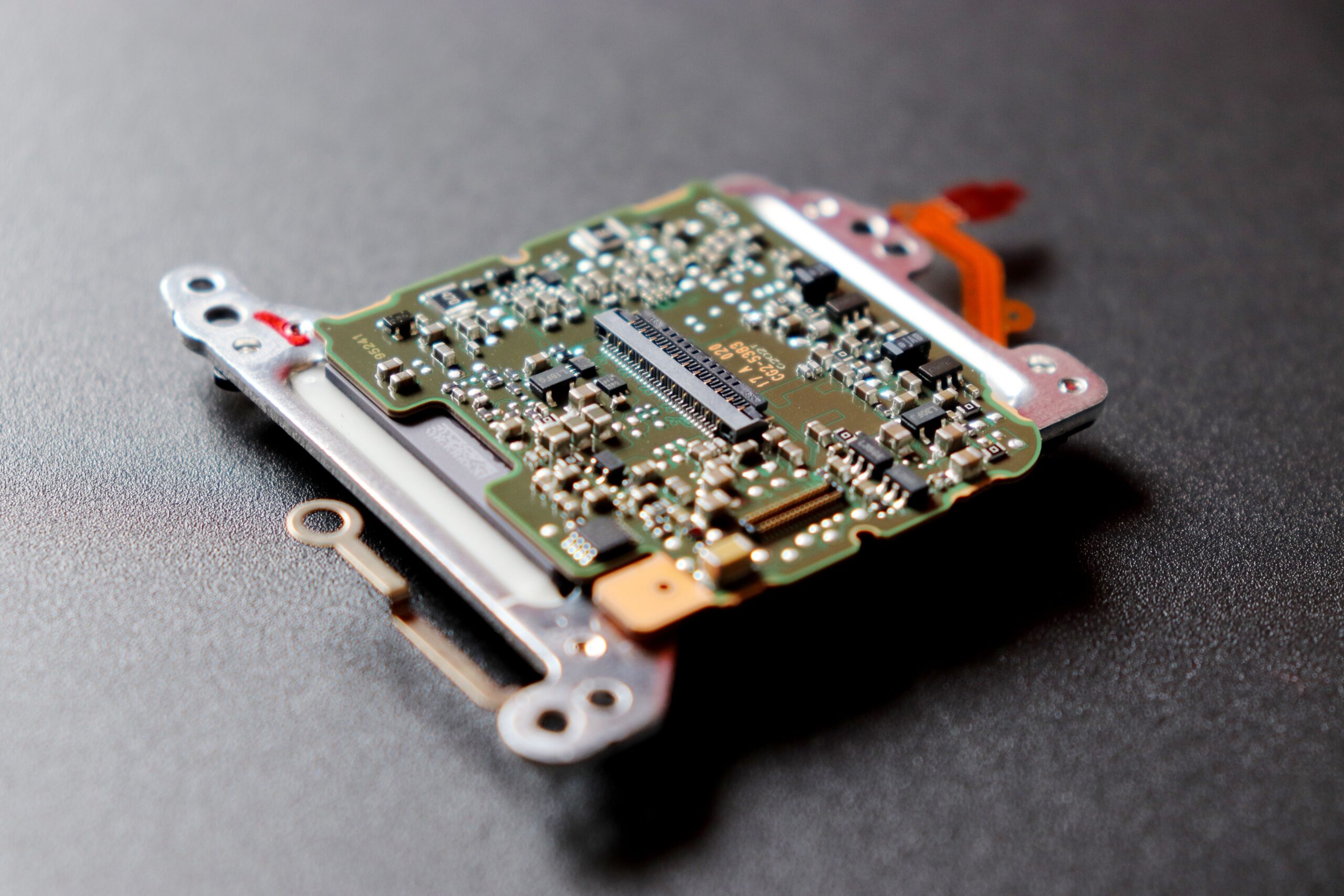
If you're looking to push the limits of computing power in embedded electronics projects, you've probably come across the Rockchip RK3588 . This processor has become the crown jewel for those who need a true balance between low power consumption and processing power that doesn't fall short when it comes to demanding tasks, especially when it comes to edge AI.
In today's ecosystem, the SMARC 2.1 format has gained ground thanks to its standardization, allowing modules from different manufacturers to adapt to compatible carrier boards. Today we'll take an in-depth look at solutions based on this chip, from versatile modules like Advantech's to compact options from Jetway, so you can see how they can transform your Industrial Internet of Things (IIoT) devices and automation or robotics applications.
Raw power and architecture of the RK3588
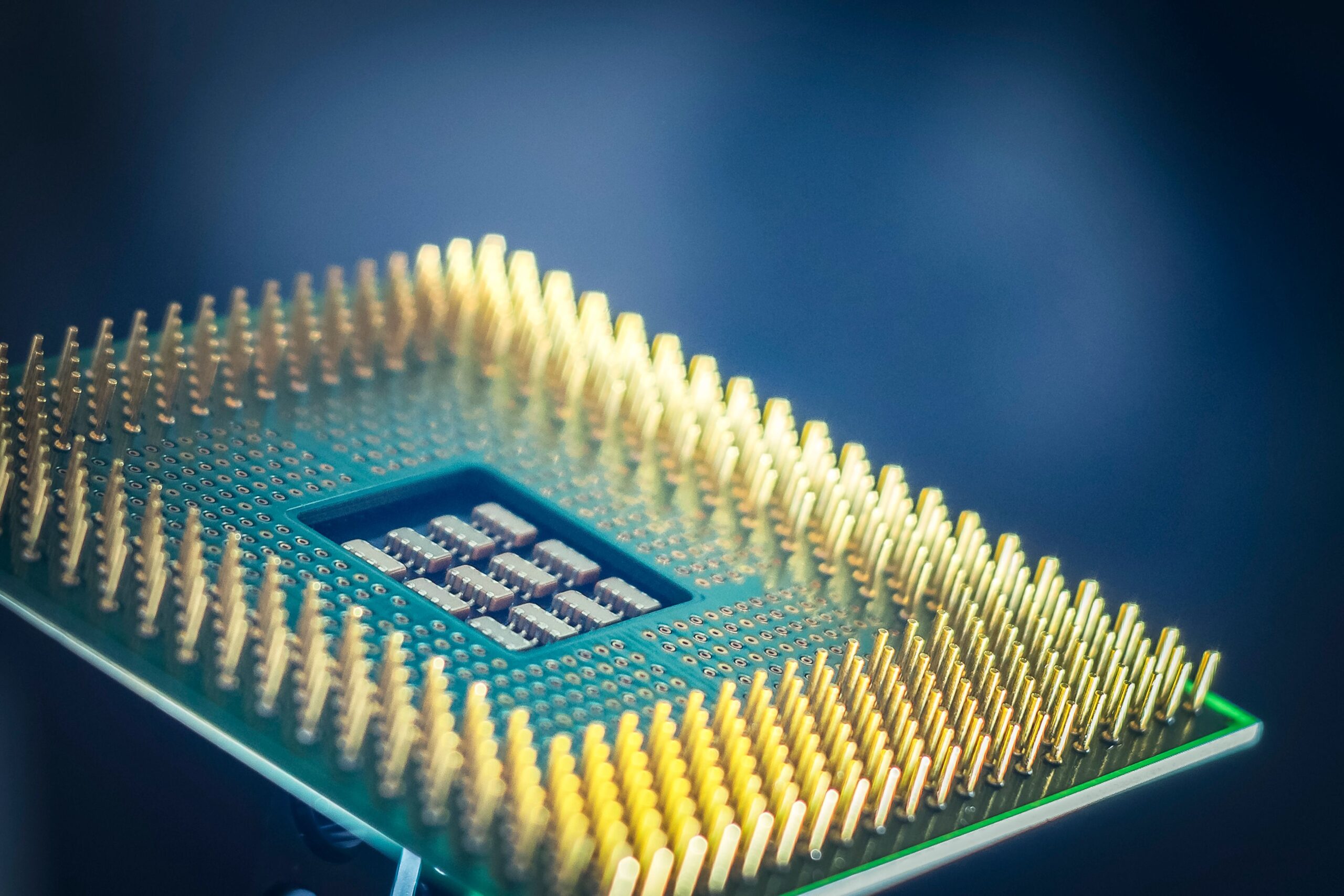
At the heart of these systems is an octa-core processor that's not for gaming. It combines four Cortex-A76 cores that reach 2,4 GHz for the most demanding processes and four Cortex-A55 cores at 1,8 GHz to handle light tasks without unnecessarily draining the battery. Thanks to its 8nm manufacturing process, this chip achieves a 300% performance leap compared to the older RK3399, placing it in a completely different league.
For those working in the world of AI, the real magic lies in its 6 TOPS NPU . This inference capability allows the device to make real-time decisions without sending data to the cloud, reducing latency and improving privacy. It's compatible with popular frameworks like TensorFlow, PyTorch, and Yolov5 , making it easy for developers to deploy complex models in industrial or medical environments.
Analysis of featured modules: ROM-6881 and SMC-ARK1
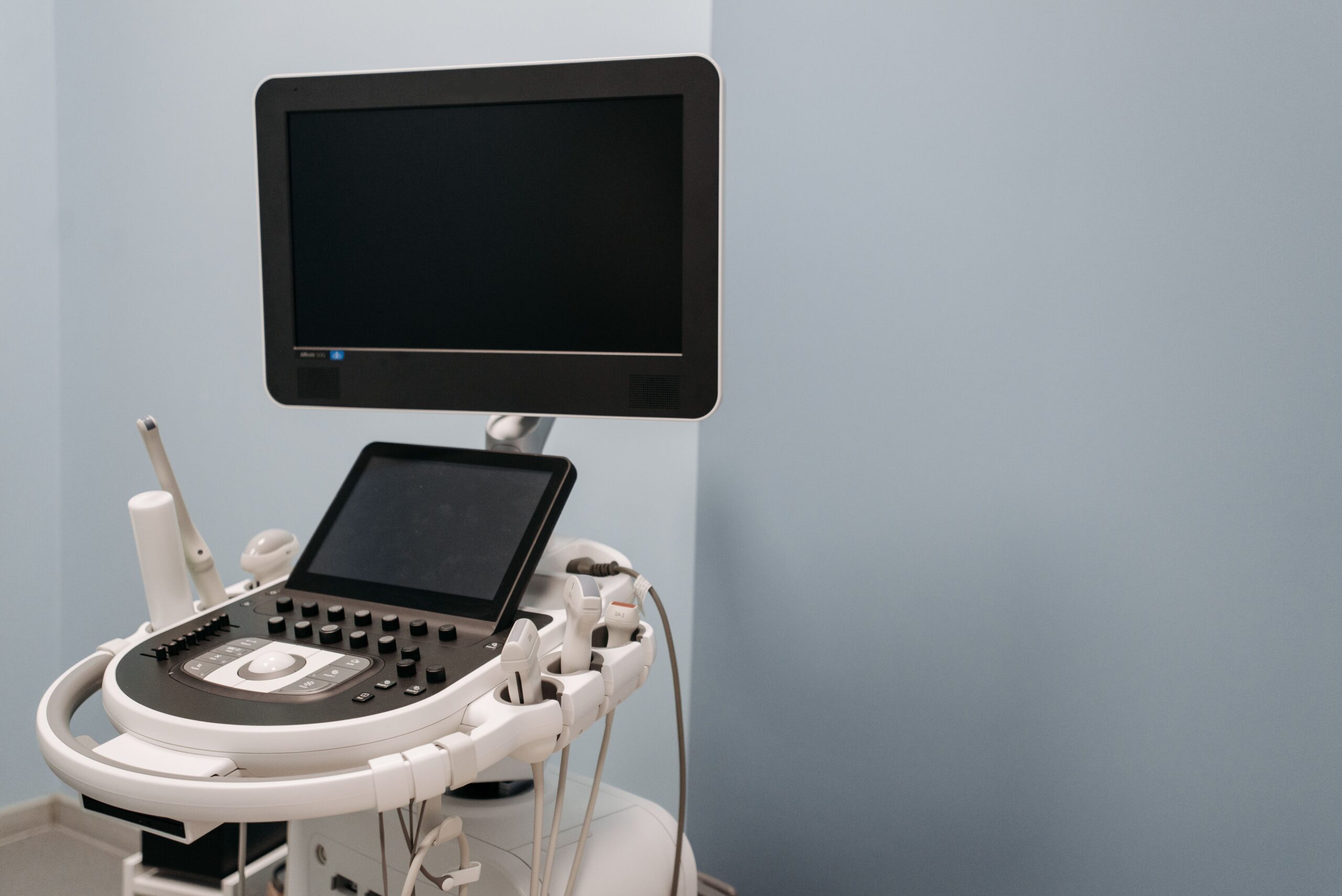
Advantech has launched the ROM-6881 , a SMARC 2.1 module that's a true Swiss Army knife. It stands out not only for its power but also for its video handling capabilities. It can decode 8K content at 60fps and encode it at 30fps, a vital feature for medical diagnostic equipment such as endoscopes or hemodialysis systems where image clarity is a matter of life or death.
On the other hand, we have the Jetway SMC-ARK1 , which is presented as one of the first short form factor (82 x 50 mm) options based on this SoC. This module is ideal for those seeking extreme compactness without sacrificing memory, offering configurations of up to 16 GB of LPDDR4x RAM and up to 128 GB of eMMC storage. A curious detail is its power management, which uses a +4V input , deviating slightly from the usual standard but optimizing its internal design.

Connectivity and expansion for professional environments
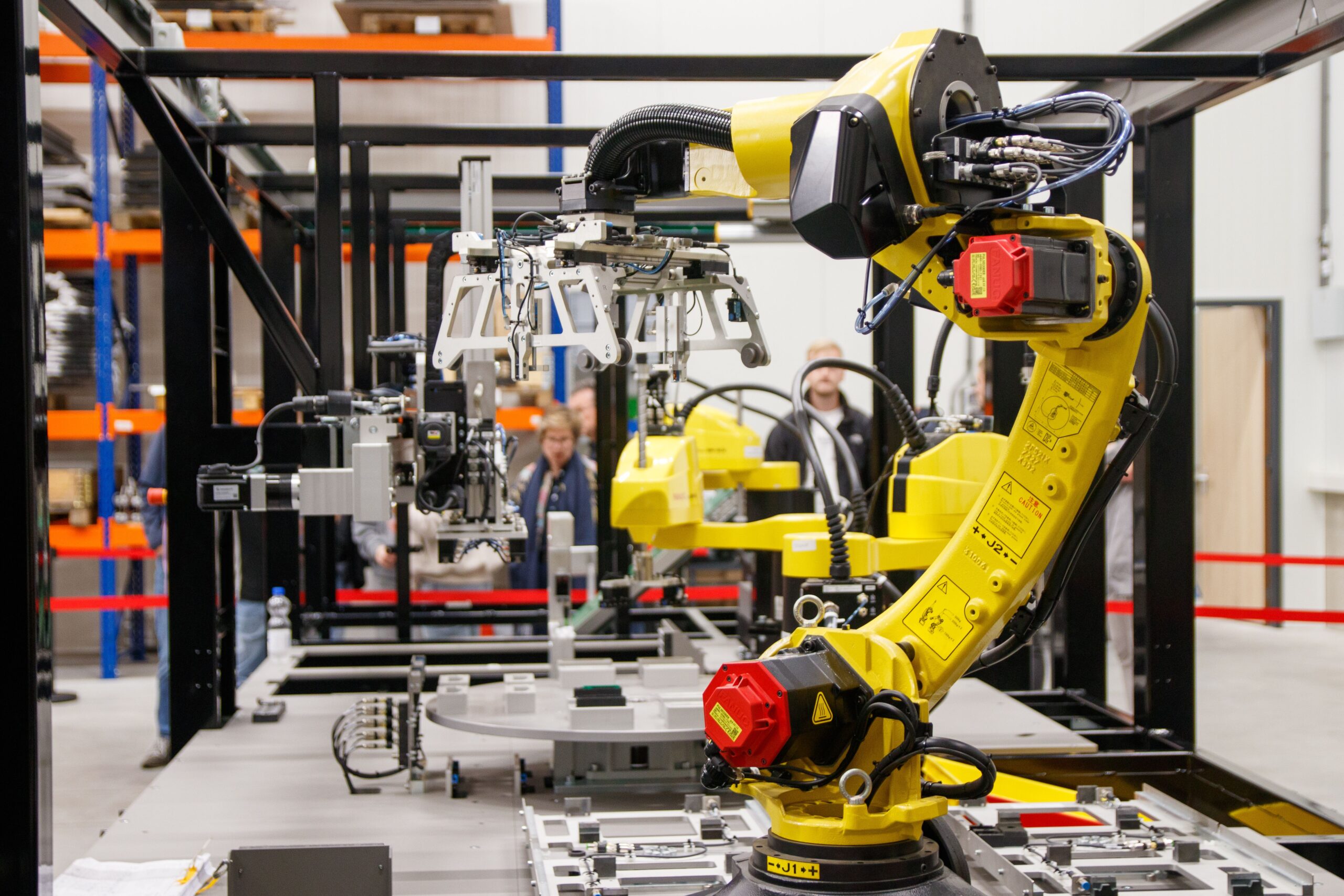
When it comes to autonomous robotics (AMR) or AGVs, connectivity is everything. These modules don't skimp on ports. The ROM-6881, for example, includes four PCIe 3.0 slots , allowing you to add Wi-Fi 6 network cards, 5G M2M connectivity , or even FPGAs for highly specialized tasks. Furthermore, its ability to handle four MIPI CSI cameras simultaneously makes it perfect for advanced machine vision.
The SMC-ARK1 also more than delivers, integrating Dual Gigabit Ethernet and wireless connectivity via the Ampak AP6398SV module for Wi-Fi 5 and Bluetooth 5.0. As for image output, both support an impressive array of interfaces such as HDMI 2.1, DisplayPort (DP), LVDS/DSI, and eDP , allowing for up to four independent displays to be powered depending on the configuration.

Software and operating system flexibility

The best thing about these platforms is that they don't tie you to a single ecosystem. You can choose between Android 12 or 13, Debian 11, and Ubuntu 22.04 , adapting the operating system to your project's needs. For robotics developers, ROS2 (Robot Operating System) support is key, as it allows for much more agile creation of modular and scalable applications.
To simplify AI implementation, Rockchip offers the RKNN Toolkit . This tool is essential because it allows you to perform AI model conversions and inference tests on an Ubuntu PC before transferring the code to the module, drastically accelerating development times and reducing errors in the final deployment.
- Application sectors: These solutions are ideal for intelligent surveillance with facial recognition, the professional industrial maintenance in factories and the creation of autonomous drones.
- Multimedia capabilities: 8K video processing and the Mali-G610 MP4 GPU ensure smooth, high-resolution graphical interfaces.
- Robust hardware: The use of metal casings and active cooling systems ensures that the processor does not suffer thermal throttling under intense workloads.
Having an ecosystem based on the Rockchip RK3588 and the SMARC 2.1 standard allows companies to create highly powerful, efficient, and flexible industrial hardware. Whether through the robustness of Advantech or the compactness of Jetway, the combination of a 6 TOPS NPU, 8K video support, and advanced PCIe connectivity positions these modules as the preferred choice for any edge computing project that demands uncompromising, professional-grade performance.