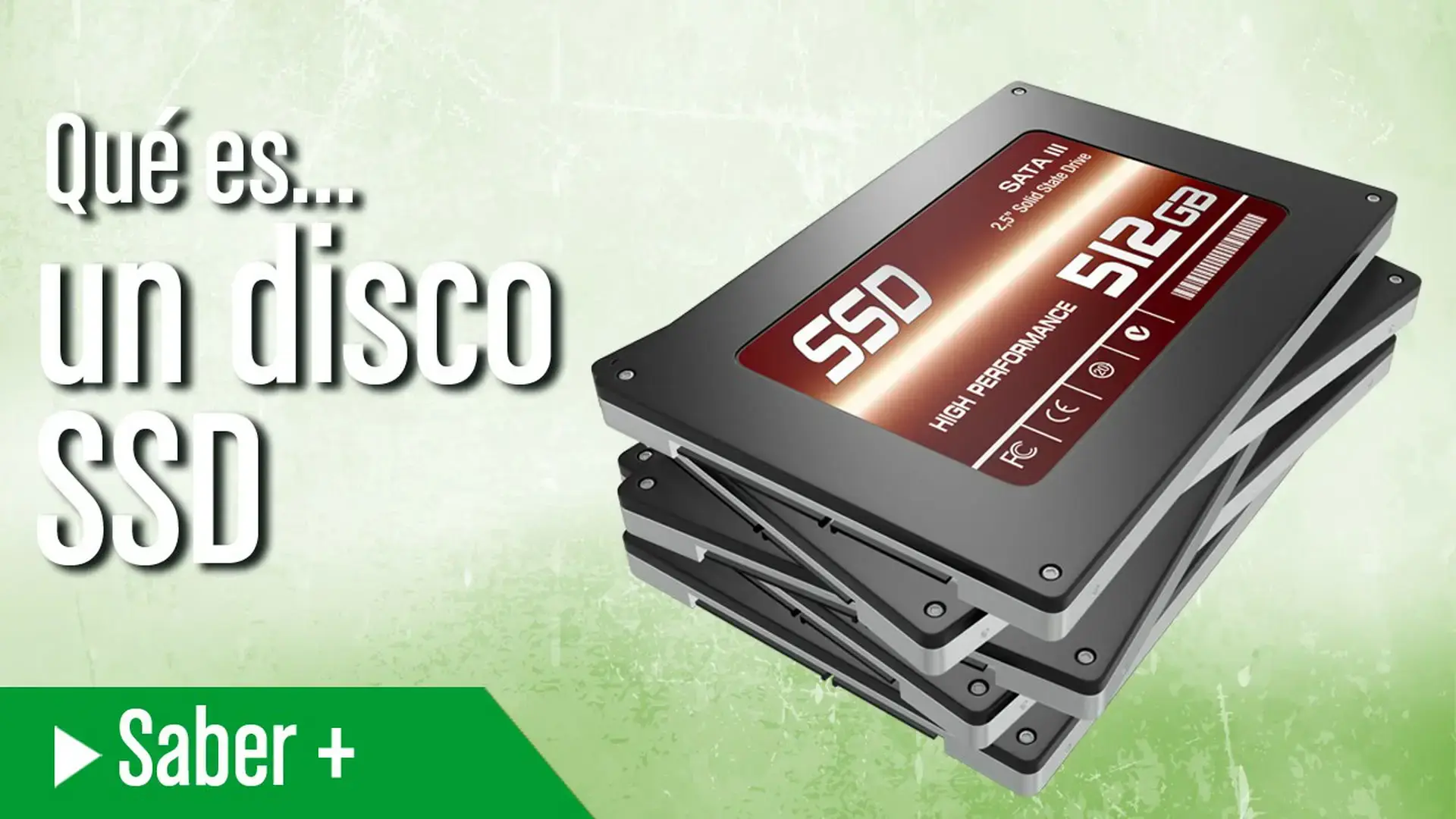
PC, laptop, and console users are facing another financial blow: NAND flash memory, and consequently SSDs, will become significantly more expensive in the coming months . Various reports from South Korea indicate that Samsung, one of the world's largest memory manufacturers, is finalizing a historic price increase that could completely transform the storage market.
After weeks of rumors and partial denials, industry leaks now agree that Samsung has begun signing contracts with price increases of nearly or exceeding 100% for NAND flash memory in the first quarter of 2026. Although the company has not released official figures, the movements in wholesale contracts and the first signs in retail make it clear that the impact on the end consumer will be difficult to avoid.
From an 80% rumor to a rise that points to 100% in NAND
The earthquake originated with a leaked document addressed to distributors that mentioned a price increase of up to 80% on all Samsung memory products . This message, which did not distinguish between NAND and DRAM, spread rapidly among wholesalers and specialized media, generating a major upheaval in the industry.
A few hours later, Samsung issued a statement denying that it would implement a across-the-board 80% price increase . The company denied any plan to raise the price of all its memory products equally, but avoided providing details about potential price hikes specific to different chip types or customers. This response temporarily calmed concerns, although it also left the impression that the company was only modifying the form of the increase, not its underlying principle.
The calm was short-lived. ETNews, a South Korean tech news outlet, reported that Samsung was actually preparing to double, or even exceed, a 100% price increase for NAND Flash destined for certain supply contracts. In other words, it wasn't a matter of raising the price of all memory equally, but rather applying significant price hikes to key chips for SSDs and high-performance storage solutions.
This distinction is important because it focuses the impact on NAND-based products, including consumer and enterprise SSDs , as well as portable drives and data center storage. DRAM , already under considerable strain after months of escalating prices, would continue its own trajectory, but without the abrupt price jump communicated to strategic partners.
Industry sources cited by ETNews explain that Samsung resumed renegotiating contracts with key clients at the end of 2025 and set new, higher prices starting in January . These agreements mention price increases that, in some cases, would exceed 100% compared to previous prices, which aligns with the idea that the manufacturer is taking full advantage of the current strong demand.
Artificial intelligence drives up demand and prolongs shortages
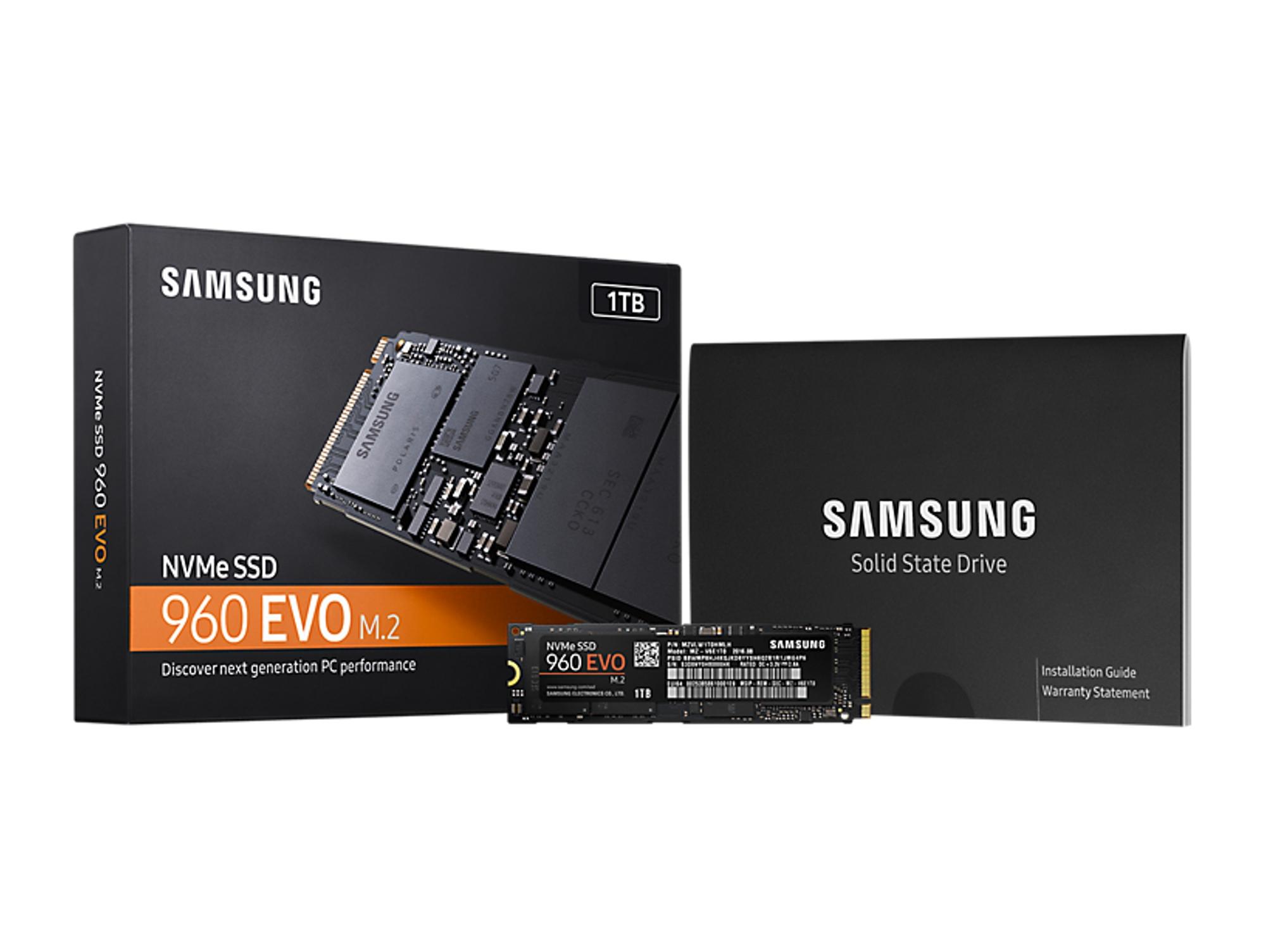
The factor behind this scenario is, once again, the accelerated expansion of artificial intelligence and the massive construction of specialized data centers . These facilities require enormous amounts of memory, both DRAM and NAND, to service increasingly large and complex AI models.
In practice, demand for high-performance NAND for enterprise storage and AI-oriented eSSDs has skyrocketed . However, supply has not kept pace with this growth. Manufacturers have been very cautious in expanding production capacity after the last oversupply crisis, and they cannot multiply production overnight.
This mismatch creates a bottleneck that, according to industry analysts, will worsen in the coming years . The forecast from some executives, such as the CEO of Phison, is particularly pessimistic: there is open talk that the memory shortage could persist well into the next decade, around 2035, if massive and sustained investments are not made.
Adding to this situation is another delicate element: some manufacturers are reportedly deliberately cutting production to maintain high prices and improve their profitability . This strategy, which is not new in the memory industry, would consist of limiting supply to avoid another price collapse like those seen in previous cycles.
In Europe and Spain, where most PC and component manufacturers rely on Asian supplies, this combination of growing demand, contained supply, and rising pricing policies translates into continuous price increases for the end user , both in consumer products and in local business and data center infrastructures.
Multi-million dollar contracts for Apple, NVIDIA and AMD with increases of up to 100%
One of the most striking aspects of the leaks is that major buyers like Apple, NVIDIA , and AMD have already been informed of Samsung's new NAND pricing structure . These are companies that sign long-term contracts and negotiate enormous volumes of memory for their products and services.
According to ETNews, Samsung notified these strategic partners that NAND contracts for the first quarter of 2026 will include price increases of around 100% . This is not just a one-off adjustment, but a significant shift that, once implemented, will set a new price benchmark for the entire market.
Although companies of this size have some leeway to absorb part of the increase, such an aggressive price hike usually ends up being passed on, in whole or in part, to the final price of products like smartphones, laptops, graphics cards with integrated memory, or professional storage solutions . In other words, consumers and businesses ultimately foot the bill.
Meanwhile, other industry giants like SK Hynix and SanDisk are reportedly joining the trend . Analyst reports from companies like Nomura indicate that SK Hynix is raising prices at a similar rate to Samsung, while SanDisk is planning increases of up to 100% on certain NAND chips.
This coordinated move by several of the world's largest suppliers reinforces the idea of a widespread bullish rally in flash memory , where increases in the range of 50% to 80% are being discussed for many contracts, with peaks of 100% in specific high-demand products.
How the NAND price increase affects SSD prices
The effect of these renegotiations is already being felt in products that users are familiar with. In South Korea, there have been very clear examples, such as the Samsung T7 1TB portable hard drive , which in a matter of months has gone from around 140.000 won to over 280.000 won—practically double.
Something similar is happening with PC memory modules . Although in this case the focus is on DRAM, it illustrates the scale of the problem: a 16GB DDR5 module at 5600MHz that cost around 150.000 won in November was recently selling for over 400.000 won. This jump gives an idea of the pressure that key components for building or upgrading a computer are already under.
In the consumer SSD market, price-tracking platforms like PCPartPicker are registering daily increases for numerous popular drives . Data collected since October 2025 points to an average price increase of around 18% for top-selling models, with a clearly upward trend that has accelerated as new contract terms have been leaked.
Furthermore, wholesale shipments of 1TB and 2TB SSDs are becoming scarce in certain markets, complicating purchases for system integrators, PC builders, and large European distributors. When stock dwindles and new orders arrive with updated prices, the result is a double whammy: less availability and higher costs.
For the average user in Spain, all of this means that the aggressive deals on NVMe and SATA SSDs that were common a year ago will become increasingly rare . Those who were waiting for prices to drop even further before upgrading their systems are now facing the opposite scenario: a cycle of price increases that, barring any surprises, could last for several quarters.
Impact on PCs, mobiles and consumer electronics in Europe
The consequences aren't limited to the world of desktop PCs. TM Roh, co-CEO of Samsung, himself acknowledged earlier this year that "everything is getting more expensive" in consumer electronics , largely due to the pressure on memory chips caused by AI data centers.
Although he didn't go into detail about NAND flash memory at the time, subsequent leaks confirm that the increased price of these chips will directly raise the cost of SSDs and internal storage systems in smartphones and tablets . A mobile phone with 256 GB or 512 GB of storage, or a laptop with a 1 TB SSD, now has significantly higher manufacturing costs.
In Europe, where distribution margins and taxes already weigh heavily on the final price, any significant increase in the cost of basic components like memory is multiplied before reaching the store . Manufacturers, wholesalers, and retailers tend to pass on these increases to maintain their profitability, so the end user ends up paying an even higher price than the original factory markup. This phenomenon of component price increases is already being observed in other sectors and reinforces the trend.
Furthermore, the pressure on NAND flash memory is compounded by the existing pressure on DRAM , which has suffered months of shortages and sharp price increases. This complicates matters for laptop and desktop computer manufacturers, who are seeing two of the cornerstones of any modern system (RAM and SSD) become more expensive simultaneously.
The result is a scenario in which building a powerful PC or buying a high-end smartphone becomes significantly more expensive for the European consumer . While there will always be occasional promotions or stock clearances, the overall trend points to higher prices for much of 2026.
A memory market on the verge of collapse
Industry voices are describing the current situation in terms unusual for a sector accustomed to boom-and-bust cycles. They are speaking directly of a NAND flash memory market on the verge of collapse , with Samsung wielding decisive influence as the world's largest manufacturer.
The idea circulating among analysts is that the initial 80% leak wasn't entirely wrong, but rather an oversimplification of a more complex reality : there won't be a flat price increase for all memory products, but there will be a sharp price tightening in NAND, especially in key segments such as AI storage and high-performance SSDs.
Experts warn that the effects of these price increases will extend far beyond home PCs . Sectors such as enterprise servers, cloud computing, advanced IoT devices, and even some household appliances with significant internal storage could see increases in their production costs.
In a context where significant increases in production capacity are not expected until 2028 or 2029 , short- and medium-term forecasts are cautious, if not downright pessimistic. Investments in new memory factories require years and billions of euros, and manufacturers want to ensure that the current AI boom is not just a passing bubble before making large-scale commitments.
Meanwhile, supply and demand pressures will continue to drive price trends . If artificial intelligence maintains its growth rate and manufacturers continue to prioritize the most profitable contracts, it's likely that both home users and businesses will have to live with more expensive memory for quite some time.
With all these factors in mind, the outlook for anyone considering upgrading storage or building a new system in Spain or other European countries is not exactly encouraging: SSDs and other NAND-based devices are in a clear phase of price increases, driven by the explosion of AI and a supply that remains deliberately tight , which seriously complicates finding bargains and forces buyers to plan their purchases much more carefully.
Table of Contents
- 1 From an 80% rumor to a rise that points to 100% in NAND
- 2 Artificial intelligence drives up demand and prolongs shortages
- 3 Multi-million dollar contracts for Apple, NVIDIA and AMD with increases of up to 100%
- 4 How the NAND price increase affects SSD prices
- 5 Impact on PCs, mobiles and consumer electronics in Europe
- 6 A memory market on the verge of collapse