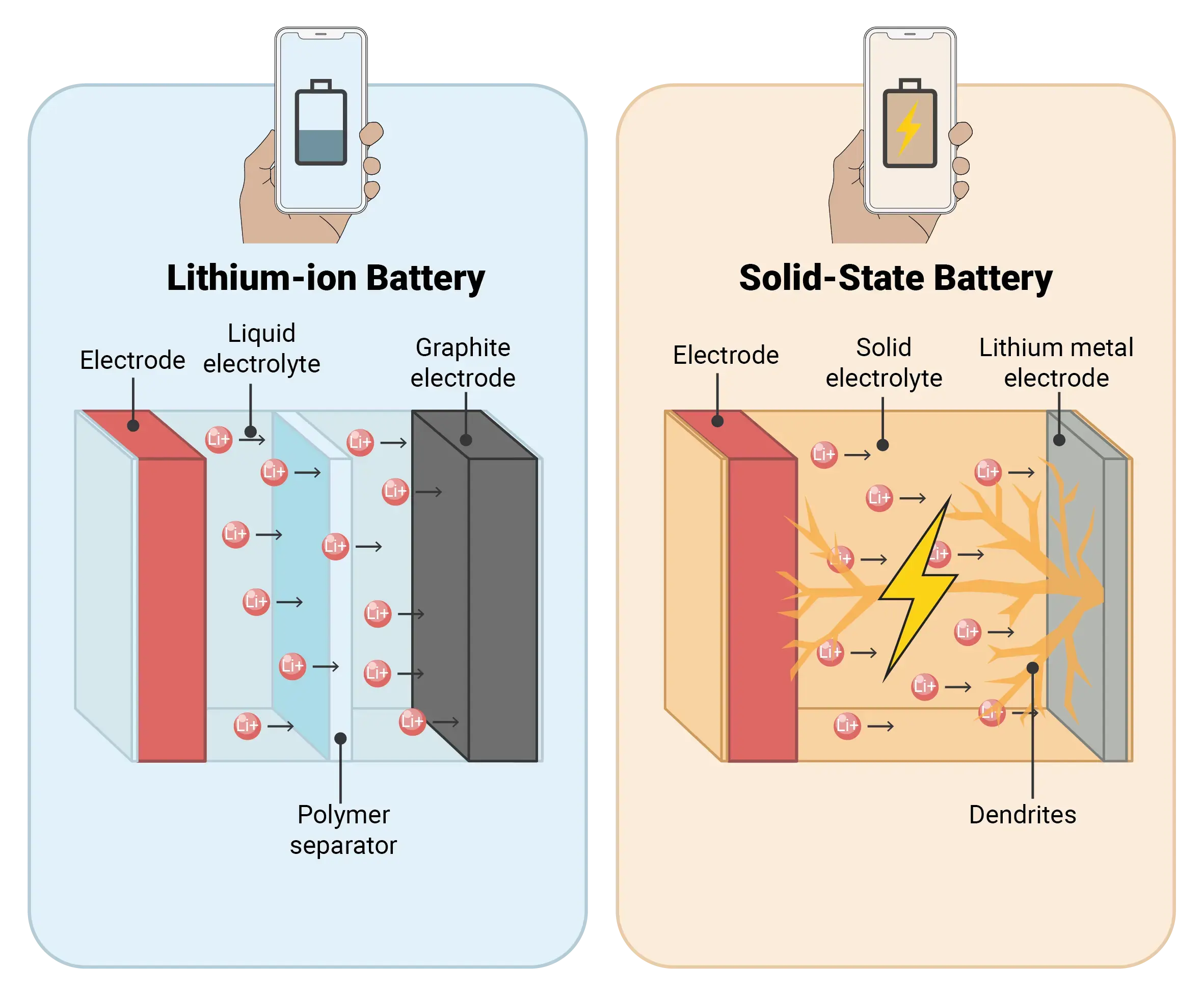
Solid-state batteries have been hailed as the holy grail of electric mobility for years. They promise greater range, improved safety, and a longer lifespan than current lithium-ion batteries. However, their market launch has been repeatedly delayed by seemingly insurmountable technical challenges. Now, a study by the Max Planck Institute for Sustainable Materials has uncovered the key to one of these problems: how lithium dendrites manage to pierce the solid electrolyte and cause short circuits. The finding, published in the journal Nature, opens the door to new strategies for preventing this failure and brings the commercialization of this technology a step closer.
While science advances in the laboratory, industry is not standing still. China has taken the lead in the development of solid-state batteries, with giants like CATL, BYD, and GAC investing heavily in their own solutions. The industry consensus places mass production between 2027 and 2030 , although significant hurdles remain, particularly in large-scale manufacturing and cost reduction. Even so, forecasts suggest that the first cars with real solid-state batteries could start appearing in dealerships before the end of the decade.
The dendrite problem: a key finding
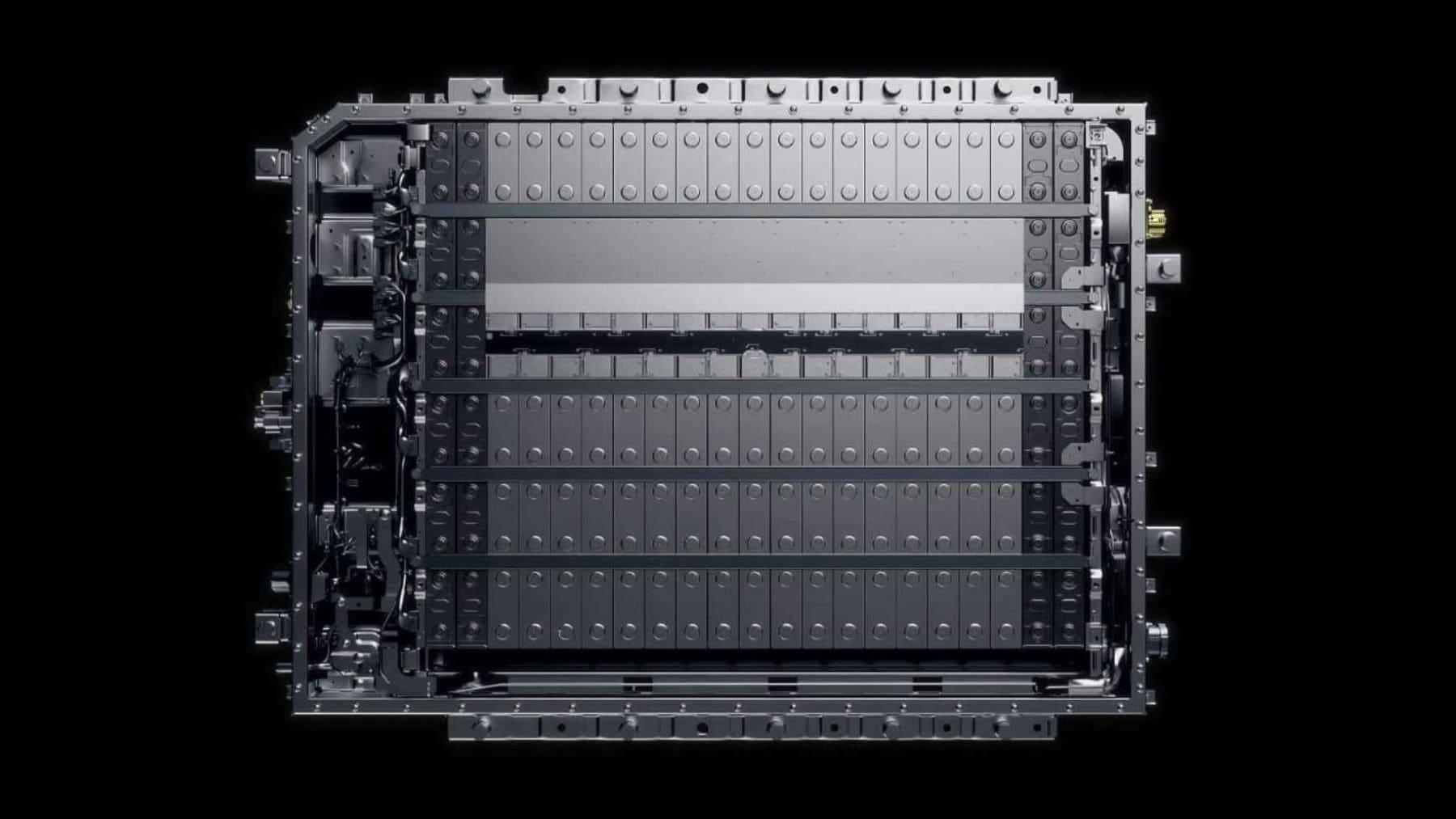
One of the biggest challenges for solid-state batteries is the formation of dendrites, microscopic branch-like structures that grow from the lithium anode during charging. Although metallic lithium is soft, these dendrites can penetrate the ceramic electrolyte and cause a short circuit . A team at the Max Planck Institute, led by Yuwei Zhang, has demonstrated that the mechanism is not what was previously thought: there is no accumulation of lithium at the grain boundaries. Instead, the hydrostatic pressure within the dendrite fractures the electrolyte, much like water seeping through a rock. The researchers ruled out the hypothesis that electrons leaked between the crystallites of the electrolyte and confirmed their findings with simulations and diffraction measurements.
Following this discovery, the team is already exploring ways to prevent cracking. Possible solutions include hardening the electrolyte, introducing microcavities that divert dendrite growth, or applying protective coatings to the electrodes . Any of these approaches could extend the lifespan of the batteries and make them safer, an essential step for manufacturers to feel confident in bringing them to market.
China leads the way in production
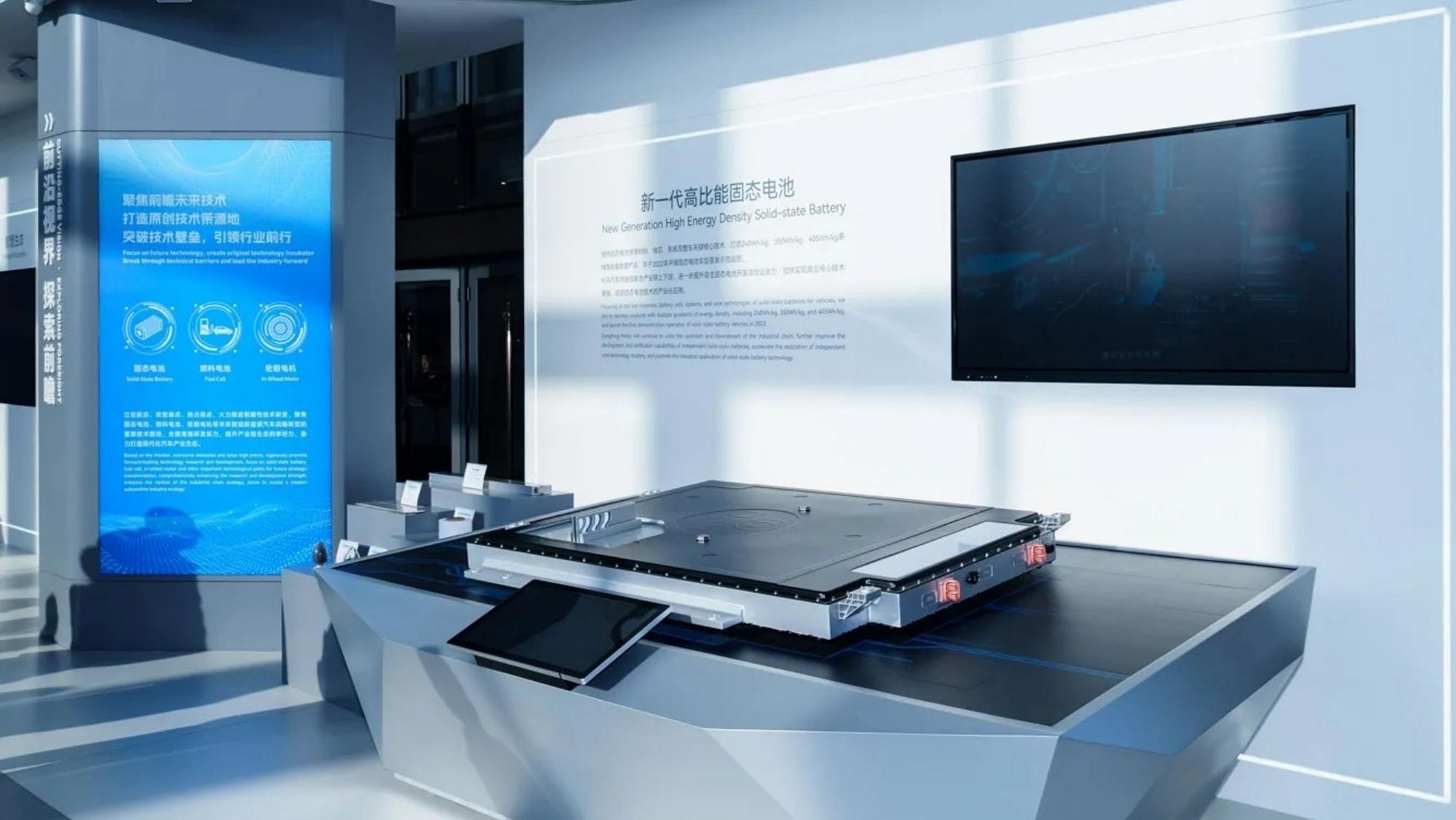
While laboratories unravel the physical mechanisms, Chinese industry hasn't been idle. Companies like CATL, BYD, and GAC are developing their own solid-state batteries and have already announced concrete production plans. CATL, the world's largest battery manufacturer, is working on a sulfide-based battery with an argyrodite structure, while BYD is betting on sulfides and acknowledges that the technology is at a critical stage. GAC, for its part, has completed the first high-capacity solid-state cell production line in China, with its sights set on mass production between 2027 and 2030. The Asian giant has taken the lead in this race, and not only because of its industrial might: it has also established a national standard that defines what can truly be called a solid-state battery, putting an end to commercial ambiguity.
The figures being discussed are ambitious. We're talking about energy densities that could reach 350 Wh/kg or even more , and ranges exceeding 1.000 kilometers on a single charge. Furthermore, fast charging is another major selling point: some promises suggest charging from 10% to 80% in about ten minutes, something unthinkable with current liquid lithium batteries. However, experts caution that it will still be years before all of this becomes a large-scale commercial reality.
When will they hit the market?
The million-dollar question is when we'll be able to buy a car with a solid-state battery. Industry consensus points to limited adoption starting in 2027 and real-world use around 2030. Several Chinese manufacturers already have concrete plans: GAC expects to begin mass production of its cells between 2027 and 2030, while other companies like BYD and CATL are making progress in their development, although they acknowledge that commercial viability is still hampered by engineering bottlenecks. In Europe, the wait is even longer, as most European manufacturers depend on agreements with Asian suppliers or their own research, which is lagging behind.
However, the path is becoming increasingly clear. The combination of scientific advances, such as those from the Max Planck Institute, and Chinese industrial investment is shortening the timeline . Solid-state batteries not only promise greater range and safety, but also eliminate the risk of fire by doing away with the flammable liquid electrolyte. If everything goes according to plan, the next decade will see this technology move from a laboratory promise to a reality on the roads, forever changing electric mobility.
Table of Contents